
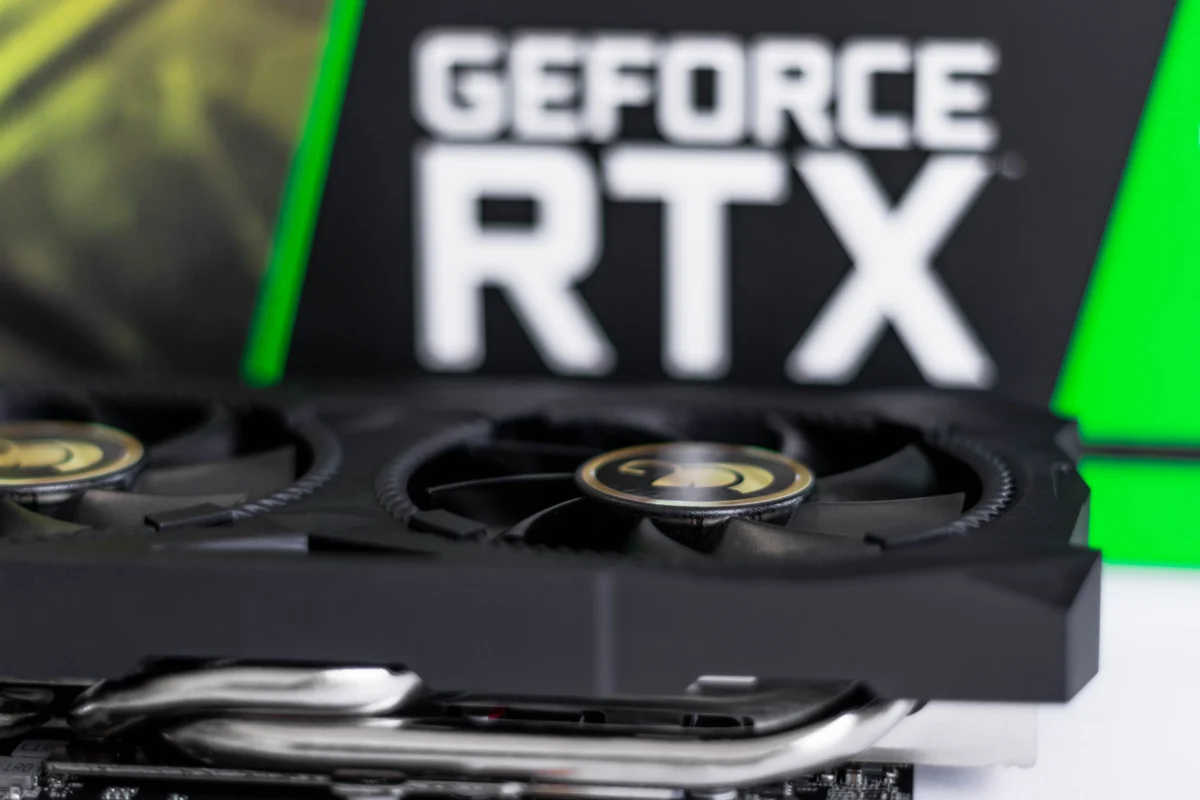
The secondary market for high-end graphics processing units (GPUs) is experiencing an unprecedented influx of inventory as cryptocurrency miners in China aggressively liquidate their hardware. This mass sell-off follows a series of stringent regulatory maneuvers by Beijing aimed at dismantling the domestic digital asset mining industry. Reports from major regional e-commerce platforms and secondary trading hubs indicate that popular models, such as the Nvidia GeForce RTX 3060, are being listed for as low as $270, a price point significantly below the peak values seen during the height of the global semiconductor shortage.
This shift in the hardware landscape marks a pivotal moment for both the cryptocurrency sector and the global gaming community. For over a year, gamers and PC enthusiasts faced exorbitant prices and chronic stock shortages as industrial-scale mining operations absorbed the vast majority of GPU supply. Now, as the Chinese government enforces a "zero-tolerance" policy toward crypto-related activities, the tide is turning, leading to a surplus of used hardware that is driving down prices across the board.
The Catalyst: China’s Systematic Regulatory Offensive
The current market saturation is a direct consequence of a multi-pronged crackdown initiated by Chinese authorities. In mid-2021, the State Council of the People’s Republic of China, led by the Financial Stability and Development Committee, announced a decisive ban on cryptocurrency mining and trading. The primary motivations cited by the government included the mitigation of financial risks and the pursuit of ambitious carbon neutrality goals.
Following the central government’s directive, major mining hubs including Sichuan, Inner Mongolia, Xinjiang, and Yunnan began implementing localized bans. These regions, which once accounted for more than half of the global Bitcoin hash rate due to their abundance of cheap hydroelectric and coal-fired power, saw their facilities shuttered almost overnight. State-owned power grids were instructed to identify and disconnect mining operations, leaving thousands of miners with vast quantities of hardware and no domestic means of operation.
While some large-scale institutional miners have initiated the "Great Migration"—relocating their operations to more crypto-friendly jurisdictions such as the United States, Kazakhstan, and Russia—many smaller and medium-sized operators have found the logistical costs of international relocation prohibitive. For these entities, liquidating hardware on the secondary market has become the most viable path to recovering capital.
Hardware Saturation and the Bulk-Sale Phenomenon
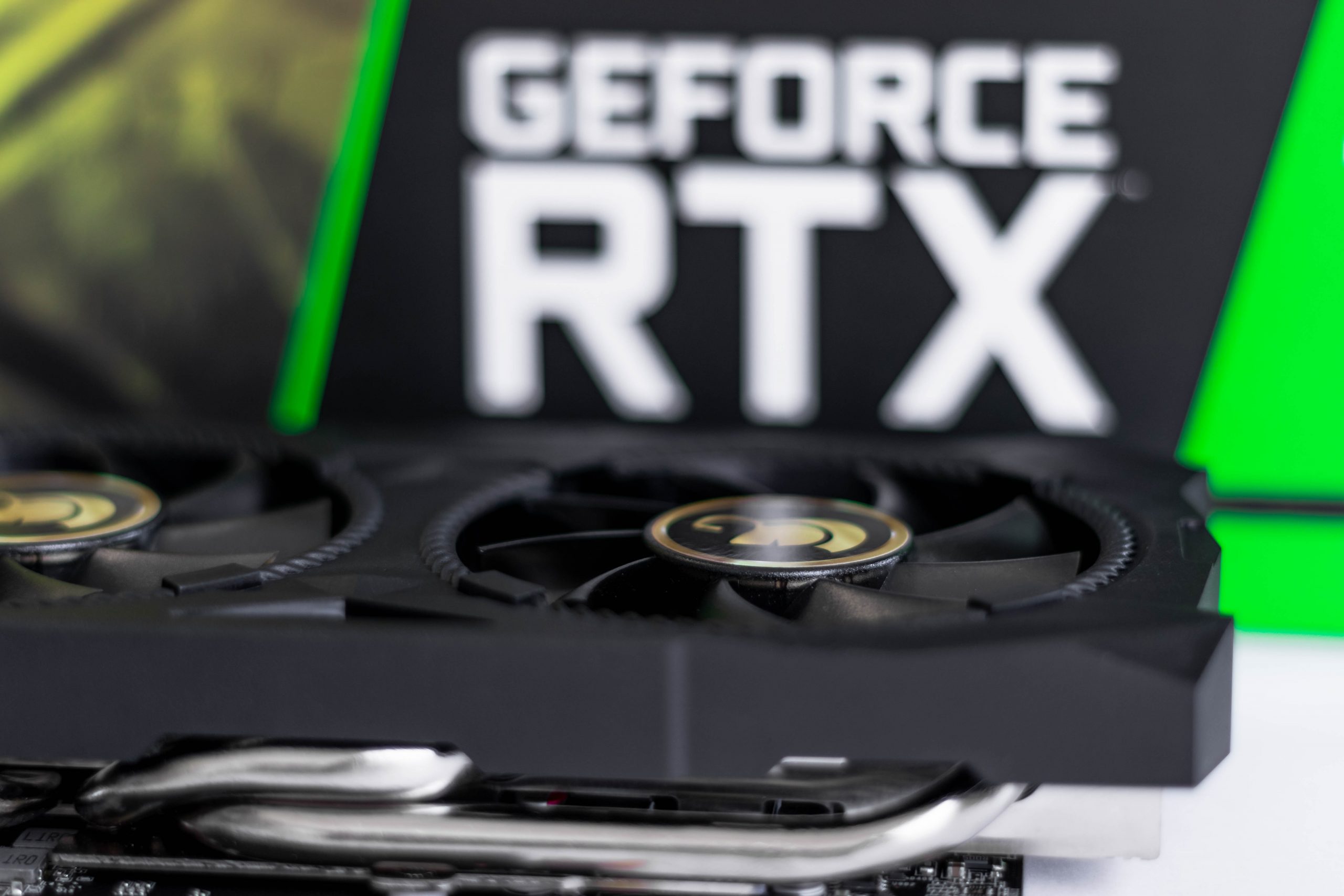
The scale of the liquidation is reflected in the volume of listings appearing on platforms like Xianyu, Alibaba’s second-hand marketplace. It is not merely a few dozen cards being sold; rather, thousands of units are being offloaded simultaneously. The inventory includes a wide range of architectures, from the latest Nvidia Ampere (RTX 30-series) and AMD RDNA2 (RX 6000-series) cards to older generations like Nvidia’s Pascal and AMD’s Polaris.
Pricing data reveals a sharp decline in valuation. The Nvidia RTX 3060, which frequently sold for over $800 at retail due to scalping and high demand, has been spotted in bulk listings for approximately $270. Higher-tier cards are following a similar trajectory, with the RTX 3070 and RTX 3060 Ti surfacing at price points of $400 and $350, respectively. In a particularly unusual development, some sellers are even offloading "mining laptops." These are portable machines equipped with RTX 3060 GPUs that were repurposed for mining when desktop cards were unavailable; these units are currently listed for roughly $1,000.
However, these low prices come with a significant caveat: the "bulk-only" requirement. Most sellers are not catering to individual consumers looking for a single upgrade. Instead, they are demanding minimum orders ranging from 100 to 200 units. This strategy is designed to clear inventory quickly, but it has limited the immediate impact on the average consumer market, as only large-scale distributors or hardware refurbishers can meet these requirements.
Technical Risks: The Hidden Cost of Mining-Weary Silicon
While the low prices are attractive, industry experts have issued warnings regarding the condition of these GPUs. Mining is a computationally intensive process that typically involves running hardware 24 hours a day, 7 days a week, often in high-density environments with suboptimal cooling.
Unlike gaming, which involves fluctuating workloads, mining subjects a GPU to a constant thermal load. To maximize efficiency, many miners "undervolt" the core clock while "overclocking" the video memory (VRAM). This specific stress can lead to the degradation of memory modules and thermal pads. Furthermore, the constant operation of cooling fans at high speeds often leads to mechanical failure or bearing wear.
Buyers of these ex-mining cards also face a lack of manufacturer support. Most major manufacturers, including Nvidia and its partners like ASUS, MSI, and Gigabyte, have clauses in their warranty agreements that void coverage if a card is used for industrial mining. Consequently, those purchasing these discounted units are doing so with little to no consumer protection, inheriting hardware that may have a significantly shortened lifespan.

The Shift to Proof-of-Stake and the Ethereum Factor
The devaluation of GPUs is being further accelerated by fundamental changes within the Ethereum network, the primary blockchain for which GPUs are used. Unlike Bitcoin, which is mined using specialized ASIC (Application-Specific Integrated Circuit) hardware, Ethereum has historically relied on GPUs.
However, Ethereum’s long-planned transition from Proof-of-Work (PoW) to Proof-of-Stake (PoS)—often referred to as "The Merge"—is a looming threat to the profitability of GPU mining. Once the transition is complete, the network will no longer require computational power to validate transactions, effectively making GPU mining for Ethereum obsolete.
Nvidia CEO Jensen Huang recently acknowledged this shift, noting that the company’s efforts to limit the mining capabilities of its gaming cards via "Lite Hash Rate" (LHR) technology, combined with the changes in the crypto ecosystem, would eventually improve availability for gamers. The combination of regulatory pressure in China and the technical evolution of blockchain protocols is creating a "perfect storm" that is stripping the GPU market of its speculative premium.
Geopolitical Implications and the Digital Yuan
China’s aggressive stance against decentralized cryptocurrencies is not merely a regulatory crackdown; it is also a strategic move to clear the path for its own sovereign digital currency. As the government chases out private miners, it is simultaneously accelerating the pilot programs for the Digital Yuan (e-CNY), a Central Bank Digital Currency (CBDC).
By eliminating the competition posed by Bitcoin and other cryptocurrencies, the People’s Bank of China (PBoC) aims to establish a more controlled and traceable financial ecosystem. The void left by the crypto-mining industry provides the state with an opportunity to promote the Digital Yuan as a stable, government-backed alternative for digital transactions, further integrating the technology into the national economy.
Global Market Impact and Consumer Outlook
The ripples of the Chinese liquidation are being felt globally. In Europe, particularly in markets like Germany and Austria, retailers have reported price drops of up to 40% over recent months. While the global semiconductor shortage remains a factor due to supply chain disruptions in other sectors, the "crypto premium" that once added hundreds of dollars to the price of a GPU is rapidly evaporating.

For the first time in nearly two years, the gap between the Manufacturer’s Suggested Retail Price (MSRP) and actual market price is narrowing. Analysts predict that if the current trend continues, and as more used hardware trickles down from bulk buyers to individual resellers, the gaming market could see a return to price stability by the end of the fiscal year.
Current State of the Cryptocurrency Market
Amidst this hardware upheaval, the broader cryptocurrency market remains in a state of consolidation. At the time of reporting, Bitcoin (BTC) is trading at approximately $33,000, reflecting a modest 2% gain over a 24-hour period but a slight decline on the weekly chart.
Technical analysis suggests that Bitcoin is currently trapped in a range-bound market, struggling to breach the critical resistance level of $35,000. The exit of Chinese miners has temporarily lowered the network’s hash rate, although the difficulty adjustment mechanism of the Bitcoin protocol has already begun to compensate, ensuring the network remains secure. However, the market sentiment remains cautious, as the industry waits to see how the redistribution of mining power to the West will impact the long-term decentralization and regulatory landscape of digital assets.
As the dust settles on China’s mining industry, the legacy of this era will likely be defined by a massive redistribution of computing power and a fundamental reset of the global hardware market. For gamers, the influx of cheap GPUs is a welcome relief, even if it comes with the risks of second-hand wear. For the crypto industry, it marks the end of an era and the beginning of a more geographically diverse and regulated chapter.
