

The Iranian government has significantly escalated its enforcement actions against unauthorized cryptocurrency mining operations, with state authorities reporting the detection and seizure of 9,404 illegal mining farms over the past five months. This aggressive campaign comes as the nation grapples with a deepening energy crisis characterized by frequent power blackouts, grid instability, and growing public dissatisfaction. Kambiz Nazerian, the head of the Tehran Electricity Distribution Company, confirmed in a recent statement that police and energy officials have successfully identified and dismantled thousands of energy-intensive mining hubs scattered across the districts of the capital city, Tehran. This crackdown reflects a broader national strategy to stabilize the power grid during periods of peak demand, particularly during the grueling summer months when electricity consumption for cooling reaches critical levels.
The scale of the recent seizures underscores the magnitude of the clandestine mining industry in Iran. In June alone, Iranian police confiscated approximately 7,000 illegal mining machines, highlighting the persistence of the underground sector despite repeated government warnings. The surge in enforcement is not a new phenomenon but rather an intensification of a multi-year effort to curb "energy-guzzling" activities that threaten the country’s infrastructure. For years, Iran has been a focal point for the global crypto-mining community, driven by the country’s vast reserves of fossil fuels and heavily subsidized electricity rates, which make the cost of producing digital assets significantly lower than the global average.
The Incentive Structure: Subsidized Energy and Economic Survival
To understand the proliferation of mining in Iran, one must examine the country’s unique economic landscape. Iran possesses the world’s second-largest natural gas reserves and fourth-largest oil reserves. To support its domestic population and industrial sectors, the government provides substantial subsidies for electricity, making it among the cheapest in the world. While these subsidies were intended to lower the cost of living and foster industrial growth, they have inadvertently created a vacuum for high-energy industries like cryptocurrency mining.
For many tech-savvy Iranians, mining Bitcoin and other digital assets became a lifeline amidst a domestic economy battered by international sanctions and high inflation. Cryptocurrency offers a way to bypass traditional banking restrictions and generate "hard" currency that retains value better than the rial. However, the sheer volume of electricity required for Proof-of-Work (PoW) mining—where powerful computers solve complex mathematical equations to secure the network—has put an unsustainable strain on the national grid. The Iranian media outlet, Iran International, has noted that these operations are often conducted by influential domestic networks and, in some cases, foreign groups, including Chinese mining syndicates that relocated to the region following China’s comprehensive ban on crypto activities in 2021.
Public Facilities as Clandestine Mining Hubs
One of the most controversial aspects of the illegal mining trend in Iran is the location of these farms. Investigations have revealed that a significant portion of unregistered miners have established their operations within public and religious institutions, such as mosques and schools. Under Iranian law, these facilities often receive free or highly subsidized electricity. By hiding mining rigs within the basements or backrooms of these buildings, operators can eliminate their primary overhead cost—energy—thereby maximizing profits at the expense of the public treasury.
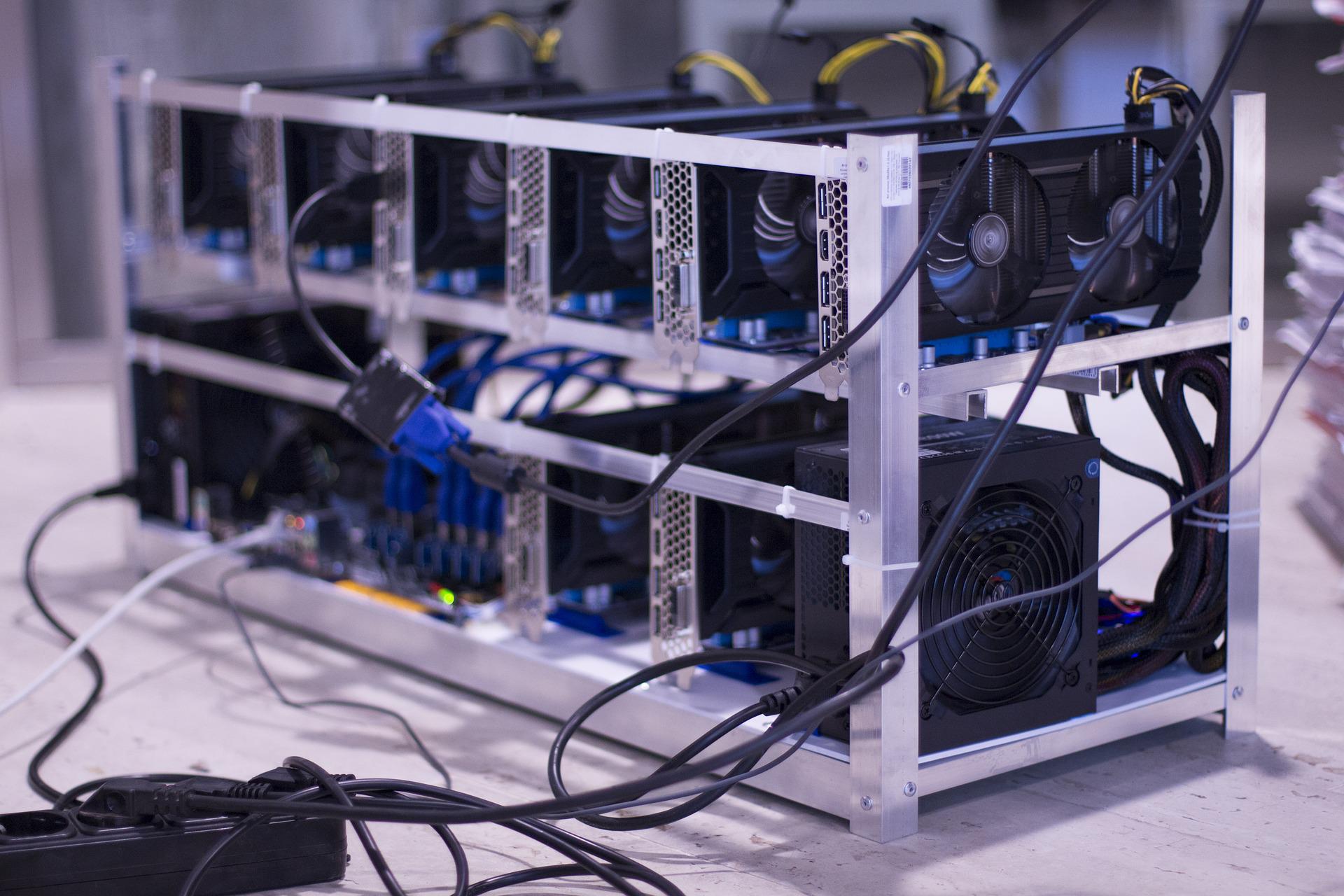
The state-run energy provider, Tavanir, has been at the forefront of identifying these anomalies. By monitoring localized spikes in power consumption that do not align with typical residential or institutional usage patterns, officials have been able to pinpoint specific blocks and buildings hosting hidden rigs. The recent seizure of 45,000 application-specific integrated circuit (ASIC) machines at the start of the previous year served as a wake-up call for the government regarding the industrial scale of the problem.
A Chronology of Regulatory Friction and Grid Failures
The relationship between the Iranian state and the cryptocurrency sector has been marked by a cycle of legalization, restriction, and outright prohibition.
- 2019: Iran officially recognized cryptocurrency mining as a legal industrial activity, requiring operators to obtain licenses from the Ministry of Industry, Mine, and Trade. This move was intended to regulate the sector and generate tax revenue.
- Early 2021: As electricity demand surged, the government began to blame crypto miners for widespread winter blackouts. In May 2021, a four-month ban on all mining activities was implemented to protect the grid during the summer.
- Late 2021: Despite the ban, illegal mining persisted. Tavanir reported that unauthorized mining was consuming upwards of 2,000 megawatts of power—more than the consumption of several major provinces combined.
- 2022: The government intensified its "whistleblower" program, offering bounties to citizens who reported illegal mining activities. This led to the discovery of over 1,600 operations in a single month, which had collectively consumed 250 megawatts of power over an 18-month period.
- Current Period: The latest report of 9,404 farms being dismantled indicates that the "cat-and-mouse" game between the state and miners has reached a fever pitch.
The timing of these crackdowns is often tied to environmental and social factors. During the summer of 2022, Iran faced a dual crisis of electricity outages and water shortages, fueled by record-breaking temperatures and drought conditions. These outages triggered national protests, with citizens expressing frustration over the government’s inability to maintain basic services. In response, authorities not only targeted illegal miners but also cut the power to 118 licensed mining platforms, illustrating that even legal operators are not immune to the country’s energy instability.
Global Context and the Shift in Hashrate
The impact of Iran’s mining sector extends beyond its borders. According to the Cambridge Bitcoin Electricity Consumption Index (CBECI), Iran contributed approximately 7.5% of the global Bitcoin hashrate in early 2021. This made it one of the top mining destinations in the world, alongside the United States, Kazakhstan, and Russia. The influx of mining hardware into Iran was accelerated by the 2021 "Great Mining Migration" from China.
However, unlike the United States or Kazakhstan, where mining often utilizes a mix of renewable energy or surplus natural gas (flaring), the Iranian grid is heavily reliant on aging thermal power plants. The addition of several gigawatts of demand from crypto mining has pushed this infrastructure to the brink of collapse. This has forced the Iranian government to view crypto mining not as an economic opportunity, but as a national security threat that jeopardizes social stability.
Official Responses and Strategic Implications
Government officials have been vocal about the "parasitic" nature of illegal mining. Tavanir officials have frequently stated that the unauthorized use of the grid for mining is "theft of public resources." The police force, tasked with the physical seizure of equipment, has described the operations as sophisticated, often involving custom-built cooling systems and soundproofing to avoid detection in residential neighborhoods.

From a strategic perspective, the Iranian government finds itself in a paradox. On one hand, the state has explored using cryptocurrency to pay for imports and bypass U.S.-led sanctions. On the other hand, the physical infrastructure required to generate that digital wealth is destroying the domestic power grid. This internal conflict has led to a fragmented policy where the Central Bank may support crypto for trade, while the Energy Ministry seeks to ban it entirely.
Broader Impact and Future Outlook
The crackdown on 9,404 mining farms is a clear signal that the Iranian government is prioritizing grid resilience over the potential economic benefits of the crypto sector. For the global Bitcoin network, the continued volatility of the Iranian mining scene means a potential reduction in regional hashrate, though the global network has historically proven resilient to such localized shifts.
As the September deadline for the lifting of the current mining ban approaches, it remains unclear whether the government will allow licensed miners to resume full operations. Experts suggest that as long as the underlying issues—subsidized energy, aging infrastructure, and climate-induced demand—remain unaddressed, the friction between the state and the mining community will persist.
The Iranian experience serves as a cautionary tale for other energy-rich but infrastructure-poor nations. Countries like Kosovo and Kazakhstan have faced similar crises, leading to bans and social unrest. For Iran, the path forward likely involves a much more stringent regulatory framework, perhaps involving "mining zones" located near power plants where miners must pay international market rates for electricity. Until such a balance is struck, the "police on their toes" will likely continue to find and seize thousands of machines in a desperate bid to keep the lights on for the general population.
