
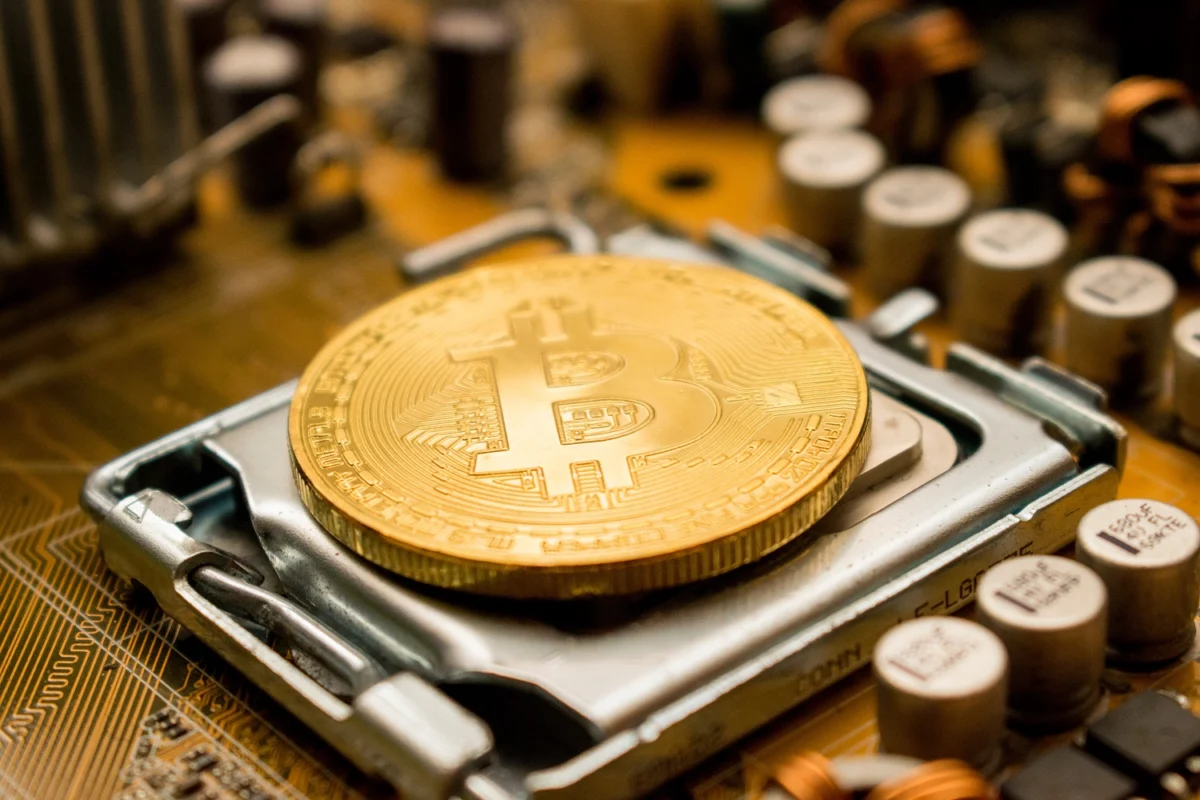
The Russian Association of Crypto Industry and Blockchain (RACIB) has officially launched a strategic initiative designed to transform the Russian Federation into a premier destination for international cryptocurrency mining operations. This move comes at a critical juncture in the global digital asset landscape, as the industry witnesses a massive redistribution of computing power following aggressive regulatory shifts in East Asia. By leveraging the country’s vast natural resources, surplus energy capacity, and favorable climatic conditions, RACIB intends to capture a significant portion of the global hash rate, positioning Russia as a primary beneficiary of the ongoing migration of mining hardware.
The Catalyst: The Great Mining Migration
The impetus for Russia’s renewed focus on the mining sector is rooted in the "Great Mining Migration" that began in mid-2021. For years, China served as the undisputed epicenter of Bitcoin mining, at one point controlling over 65% to 75% of the total global hash rate. However, a series of escalating crackdowns by Chinese authorities—culminating in a total ban on mining activities—forced thousands of enterprises to cease operations almost overnight.
This sudden vacuum created an unprecedented opportunity for other nations to absorb the displaced hardware and capital. While North America and Kazakhstan were among the first to see an influx of these "mining refugees," the Russian industry association believes that Russia offers a more sustainable and economically viable long-term environment. The RACIB project is specifically designed to streamline the entry of foreign investors and mining firms into the Russian market, offering a structured framework for deployment that addresses logistical, legal, and energy-related hurdles.
Russia’s Strategic Advantages: Energy and Climate
The core of Russia’s appeal lies in its status as a global energy superpower. According to data provided by RACIB, Russia consistently ranks among the top five countries globally in terms of electricity production. More importantly for the mining industry, which relies on high-uptime and low-cost power, Russia possesses a massive surplus of energy production capacity. In several industrial regions, the energy surplus reaches as high as 50%, providing a stable and scalable foundation for power-intensive data centers.
Furthermore, the geographic and climatic profile of Russia provides a natural advantage for cooling high-performance computing equipment. Bitcoin mining rigs, such as ASICs (Application-Specific Integrated Circuits), generate immense heat during operation. In warmer climates, the cost of electricity required to power cooling systems can account for a significant portion of operational expenses. In Russia’s northern and Siberian regions, the naturally low ambient temperatures allow for passive or simplified cooling solutions, drastically reducing the "Power Usage Effectiveness" (PUE) ratio and increasing overall profitability for operators.
The association also highlights the nation’s low population density in specific resource-rich areas. This allows for the construction of large-scale mining "farms" away from urban centers, minimizing potential noise complaints and reducing the strain on municipal grids while utilizing existing industrial infrastructure that may have been underused since the Soviet era.
The Shift Toward Sustainable and Green Mining
As the global discourse surrounding Bitcoin mining increasingly focuses on environmental, social, and governance (ESG) criteria, RACIB is emphasizing the "green" potential of the Russian energy mix. Contrary to the perception that Russia relies solely on fossil fuels, a substantial portion of its grid is powered by low-carbon sources.
Approximately 40% of Russia’s total power generation is derived from eco-friendly sources, including hydroelectric power and nuclear energy. Regions like Irkutsk and Bratsk have already become unofficial mining capitals due to the abundance of cheap hydroelectric power from the Angara River. By directing miners toward these renewable-heavy regions, RACIB aims to provide a "green path" for institutional investors who are under pressure to ensure their crypto-related activities are carbon-neutral or environmentally responsible. This focus on nuclear and hydro energy positions Russia as a competitive alternative to regions that rely heavily on coal-fired power plants.
Regional Competition: The Race for the Global Hash Rate
The timing of RACIB’s announcement is also seen as a response to the rapid rise of neighboring Kazakhstan. Following the Chinese exodus, Kazakhstan aggressively courted miners, temporarily overtaking Russia in terms of total mining volume. According to the Cambridge Bitcoin Electricity Consumption Index (CBECI), Kazakhstan climbed to the third-highest rank globally, while Russia shifted to fourth.
However, the rapid expansion in Kazakhstan led to localized power shortages and subsequent regulatory tightening, including the introduction of new taxes and energy quotas. RACIB’s project seeks to capitalize on these frictions by presenting Russia as a more stable and high-capacity alternative. By formalizing the process of attracting foreign miners, Russia hopes to reclaim its position on the global leaderboard and perhaps challenge the United States for the second-place spot.
Regulatory Landscape and Economic Implications
The success of RACIB’s initiative depends heavily on the evolving regulatory environment within the Russian Federation. For several years, there has been a notable tension between the Central Bank of Russia (CBR) and the Ministry of Finance regarding the legal status of cryptocurrencies. While the CBR has historically maintained a hawkish stance, advocating for a total ban on the circulation and mining of digital assets, the Ministry of Finance and other government bodies have leaned toward regulation and taxation.
The RACIB project operates on the premise that mining is an industrial activity that generates significant tax revenue and stimulates investment in the energy sector. By framing mining as a form of "exporting" electricity in digital form, the association has found common ground with regional authorities who are eager to monetize their energy surpluses. The "Law on Digital Financial Assets," which came into effect in early 2021, provided some initial clarity, but industry leaders are pushing for more comprehensive legislation that specifically defines the rights and obligations of industrial-scale miners.
From an economic perspective, the influx of foreign mining operations represents a significant source of Foreign Direct Investment (FDI). It also drives technological development, as the maintenance and operation of modern mining facilities require skilled engineering and IT personnel. RACIB argues that the formation of specialized "digital clusters" will support not only cryptocurrency networks but also the broader infrastructure of the global digital economy, including high-performance computing and data storage.

Market Context and the Impact on Bitcoin’s Price
The push to expand mining capacity in Russia comes at a time when the Bitcoin market is experiencing significant volatility and a period of consolidation. At the time of the initiative’s announcement, the price of Bitcoin (BTC) has been fluctuating around the $30,000 to $35,000 range. After a 7% drop in a single week and a 14% decline over a month, the asset has faced downward pressure, testing the lower limits of its current trading corridor.
Historically, there is a complex relationship between the price of Bitcoin and the network’s hash rate (the total computational power securing the network). While price drops can lead to "miner capitulation," where less efficient operators are forced to turn off their machines, the entry of large-scale, low-cost operations—such as those envisioned by RACIB—serves to strengthen the network’s security and decentralization.
The redistribution of hash rate from China to more geographically diverse locations like Russia is viewed by many analysts as a long-term positive for the Bitcoin ecosystem. It reduces the "single point of failure" risk associated with any one country’s regulatory whims and ensures that the network remains resilient against censorship or localized shutdowns.
Future Outlook and Infrastructure Development
Looking forward, the success of the RACIB project will be measured by the volume of hardware successfully deployed and the stability of the energy contracts provided to international partners. Several major Russian firms have already begun exploring this space. For example, BitRiver, a major colocation services provider, has established large-scale data centers in Siberia that cater specifically to international mining clients.
The project also anticipates the need for modernized grid infrastructure. While the surplus exists, directing that power to specific high-density mining sites requires investment in transformers and transmission lines. RACIB is expected to act as a bridge between the mining community and state-owned energy giants to ensure that these infrastructure needs are met efficiently.
In conclusion, Russia’s bid to become a global sanctuary for Bitcoin miners is a calculated move to leverage its industrial heritage for the digital age. By offering a combination of cheap energy, a cold climate, and a vast surplus of power, the nation is positioning itself to be a cornerstone of the global crypto-economy. While regulatory hurdles remain a point of concern, the economic incentives for both the Russian state and international mining enterprises suggest that the "Great Migration" may find a permanent and profitable destination in the Russian North. As the global hash rate continues to recover and redistribute, the success of RACIB’s initiative could mark a pivotal shift in the geopolitical balance of the cryptocurrency industry.
