
Latin America possesses the natural resources and the geographical advantages necessary to become a global epicenter for Bitcoin mining, yet the region remains a developing frontier rather than an established leader in the digital asset infrastructure space. While the continent sits atop some of the most prolific renewable energy reservoirs on the planet—including the Paraná River hydroelectric cascade in Brazil, the Vaca Muerta shale gas belt in Argentina, the Caroní basin in Venezuela, and the volcanic geothermal fields of Central America—the collective output of the region represents only a fraction of the global hashrate. As of the second quarter of 2026, Latin America accounts for approximately 5% to 6% of the world’s total Bitcoin mining capacity, a stark contrast to the United States, which commands a 37.4% share of the market. This disparity between latent energy potential and industrial reality defines the current state of the industry across the region.
The Global Mining Landscape in 2026: A Period of Consolidation
The global Bitcoin mining industry underwent a significant recalibration during the first half of 2026. Following a peak in early 2025, global hashrate retracted to 1,004 EH/s in the second quarter, representing a 5.8% decline from the 1,066 EH/s recorded in the previous quarter. This contraction was largely driven by a sharp correction in Bitcoin’s market price, which fell from a high of approximately $124,000 in October 2025 to lows near $65,000 in early 2026.
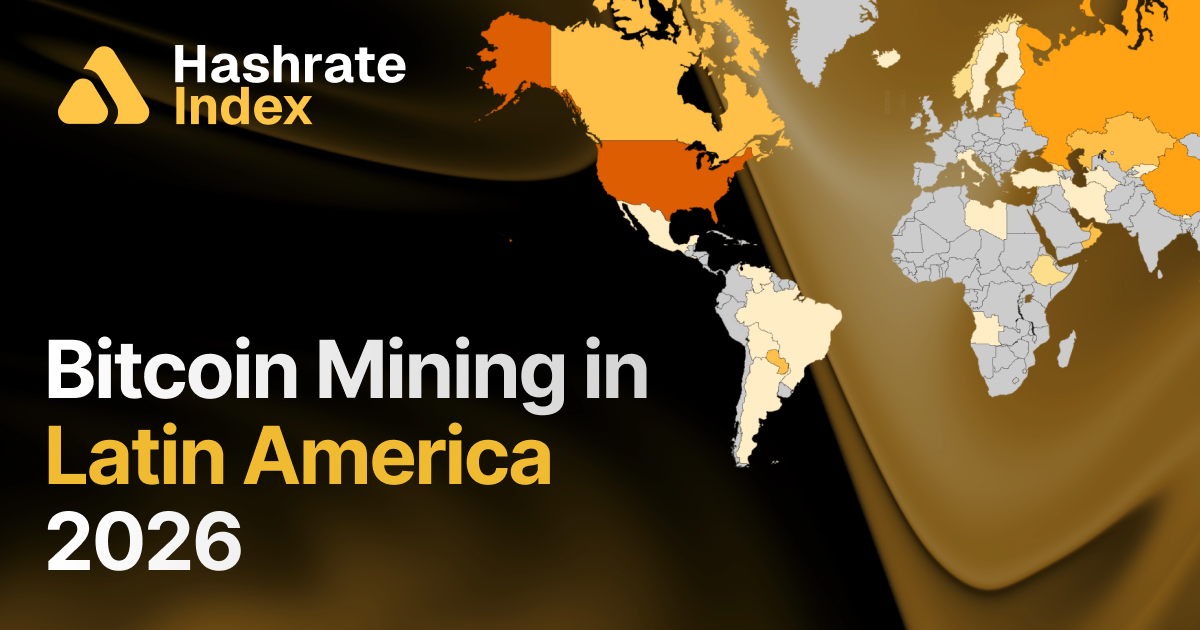
This price volatility pushed hashprice—the expected value of 1 PH/s of hashing power per day—to all-time lows of roughly $27.89. The resulting margin squeeze forced approximately 252 EH/s of older-generation hardware (machines with an efficiency rating of 25 J/TH or higher) to go offline as they became unable to cover their basic operating expenses. Amidst this "Great Shakeout," the global distribution of hashrate remained concentrated among three dominant players: the United States (37.4%), Russia (16.9%), and China (12.0%). Together, these nations control 65% of the network. However, the emergence of Paraguay as the world’s fourth-largest mining jurisdiction, holding a 4.3% global share, signals a potential shift toward the Southern Hemisphere.
Paraguay: The Engine of Latin American Mining
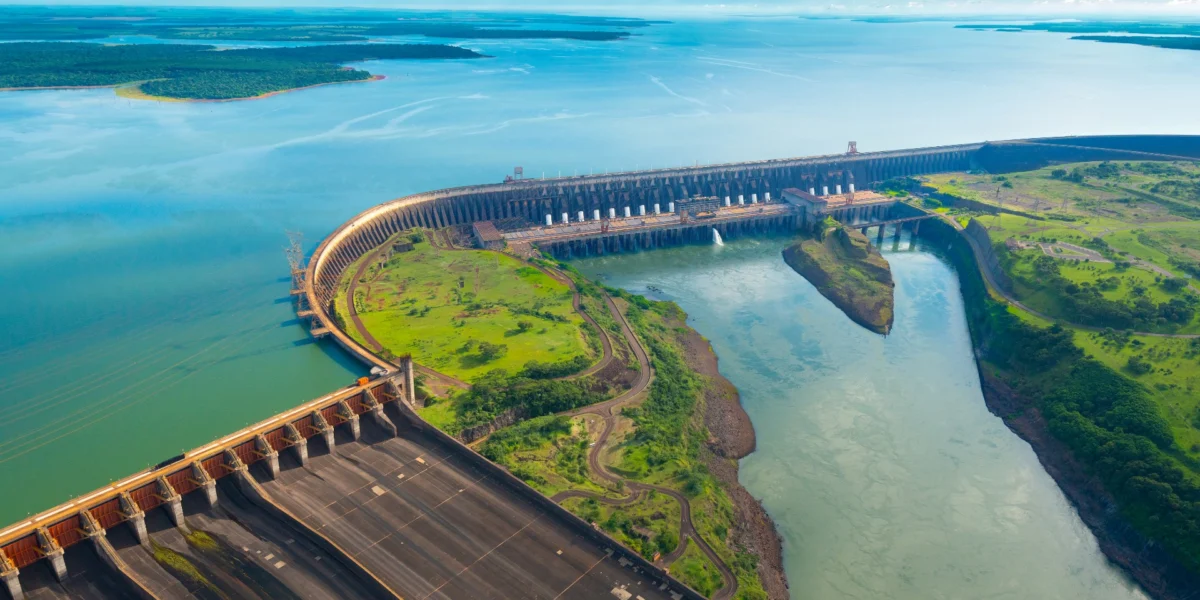
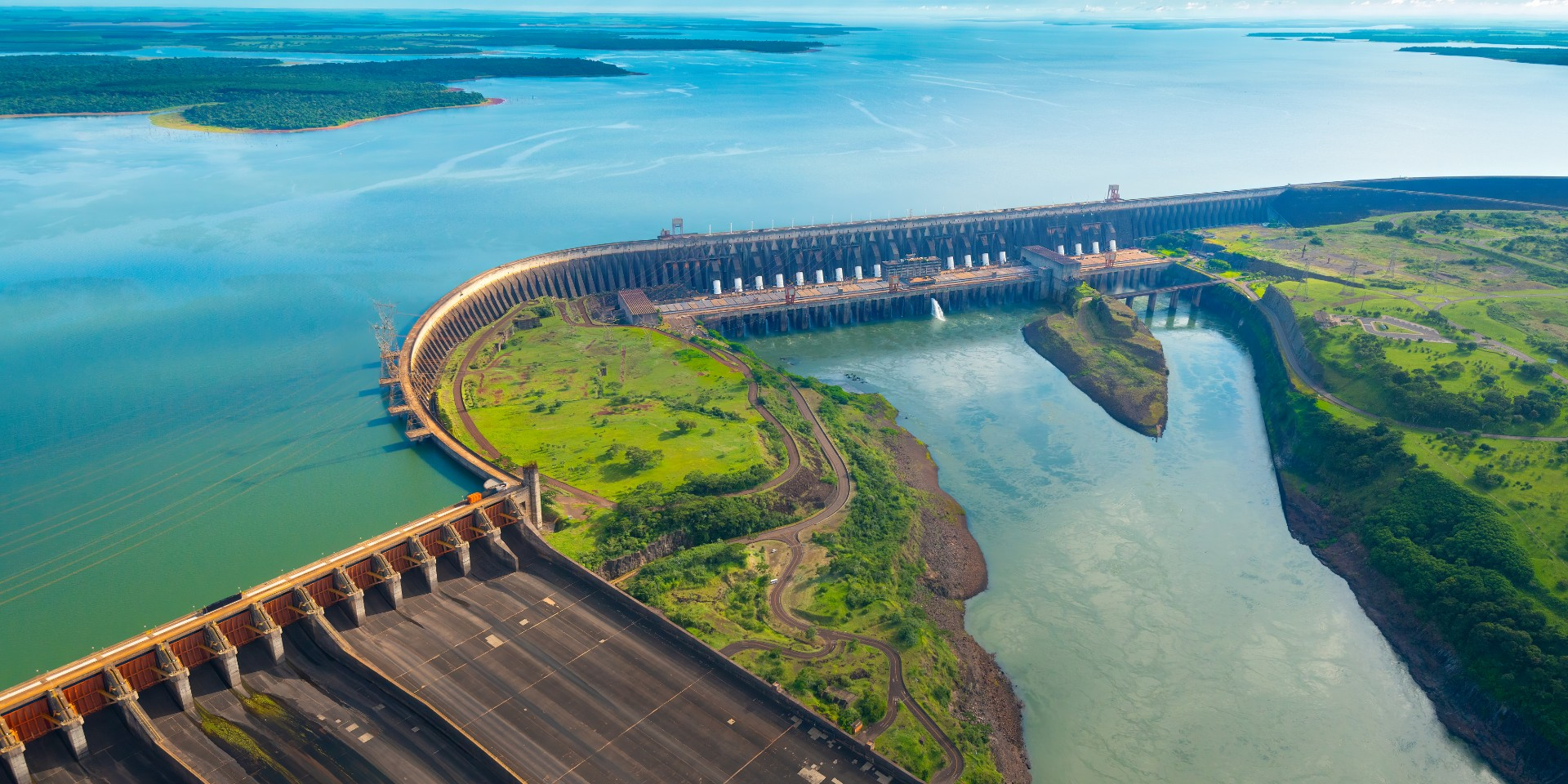
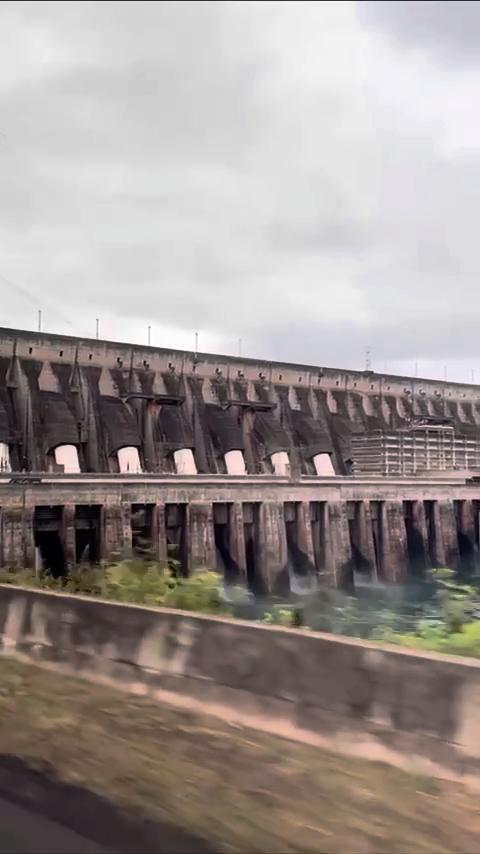
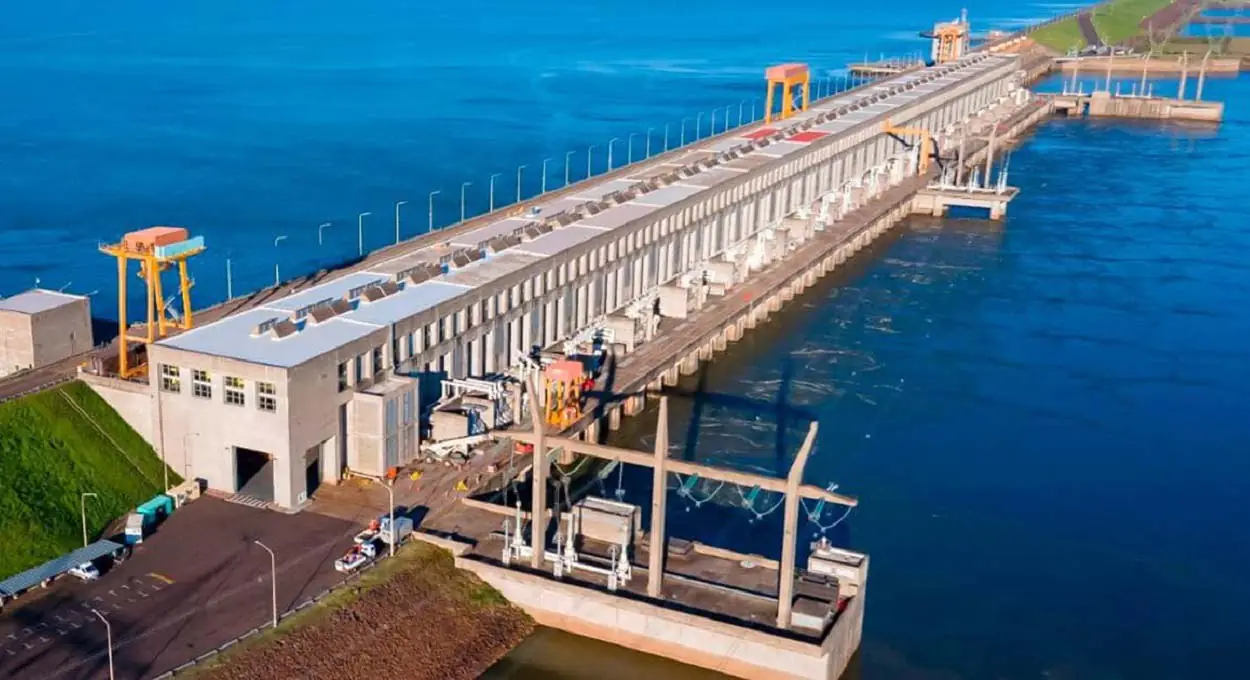
Paraguay’s ascent to the number four spot globally is not a matter of chance but a result of a massive, structural energy surplus. The nation’s electricity generation is dominated by the Itaipu Dam, one of the world’s largest hydroelectric facilities with an installed capacity of 14,000 MW. Under the terms of the 1973 Itaipu Treaty, Paraguay is entitled to 50% of this output. With a peak domestic demand of only 5,280 MW against an available capacity of roughly 8,760 MW, the country maintains a consistent surplus of approximately 3,480 MW.
This surplus energy, which must be either consumed or sold back to Brazil at below-market rates, has allowed the state utility, ANDE, to offer industrial tariffs that are among the most competitive in the world. For intensive industrial consumers (GCIE category), the effective cost ranges between $0.040 and $0.050 per kWh. Unlike other jurisdictions where low costs are the result of temporary government subsidies, Paraguay’s pricing is based on the production economics of fully depreciated assets with near-zero marginal costs.
Institutional growth in Paraguay has remained resilient despite the global market downturn. In Q2 2026, while other regions saw a decline in activity, Paraguay maintained a 54% year-over-year growth rate. Major players like the Penguin Group and Alps Blockchain have established long-term infrastructure in the country, treating Bitcoin mining as a strategic national industry. Furthermore, the government is leveraging this energy abundance to attract AI data center investments, exemplified by a 500 MW Memorandum of Understanding signed with X8 Cloud USA. The primary risk factor for this market remains the ongoing renegotiation of the Itaipu Treaty’s Annex C, which could alter the pricing formula for Paraguay’s surplus energy over the next decade.
Brazil: Infrastructure Expansion and Market Liberalization
Brazil is currently the most dynamic market to watch in the region, exhibiting a 133% year-over-year increase in hashrate, growing from 1.5 EH/s to 3.5 EH/s. This growth occurred during a global down-cycle, suggesting that operators in Brazil are making long-term infrastructure commitments rather than seeking short-term arbitrage.
The backbone of Brazil’s appeal is the SIN (Sistema Interligado Nacional), a grid with 232 GW of installed capacity that is consistently 90% renewable. However, Brazil faces a unique geographic challenge: its renewable generation is often located far from demand centers, leading to significant curtailment. In 2024 alone, over 9.5 million MWh of wind energy in the Northeast was curtailed because the transmission infrastructure could not accommodate the load.
A pivotal regulatory shift occurred in 2024 with the full opening of the ACL (Ambiente de Contratação Livre), allowing high-tension consumers to negotiate bilateral contracts directly with power generators. This has enabled Bitcoin miners to bypass standard distributor tariffs and secure fixed-price renewable energy. Companies like Minter Digital are specifically targeting remote regions to monetize stranded renewable assets, particularly in the Sul (South) region, where industrial tariffs average approximately $0.046/kWh.
Argentina: Navigating Macroeconomic Volatility
Argentina presents a paradox of world-class energy assets and a challenging macroeconomic environment. The country’s hashrate declined by 42% year-over-year in Q2 2026, a trend driven not by energy scarcity but by capital controls, currency instability, and political risk.
Despite these hurdles, the technical potential remains immense. Argentina’s Vaca Muerta formation is one of the largest shale gas deposits in the world. Companies like Unblock Global, in partnership with Crusoe Energy and Pampa Energia, have successfully deployed operations that utilize flared gas to power mining rigs—a model that reduces methane emissions while generating hard currency.
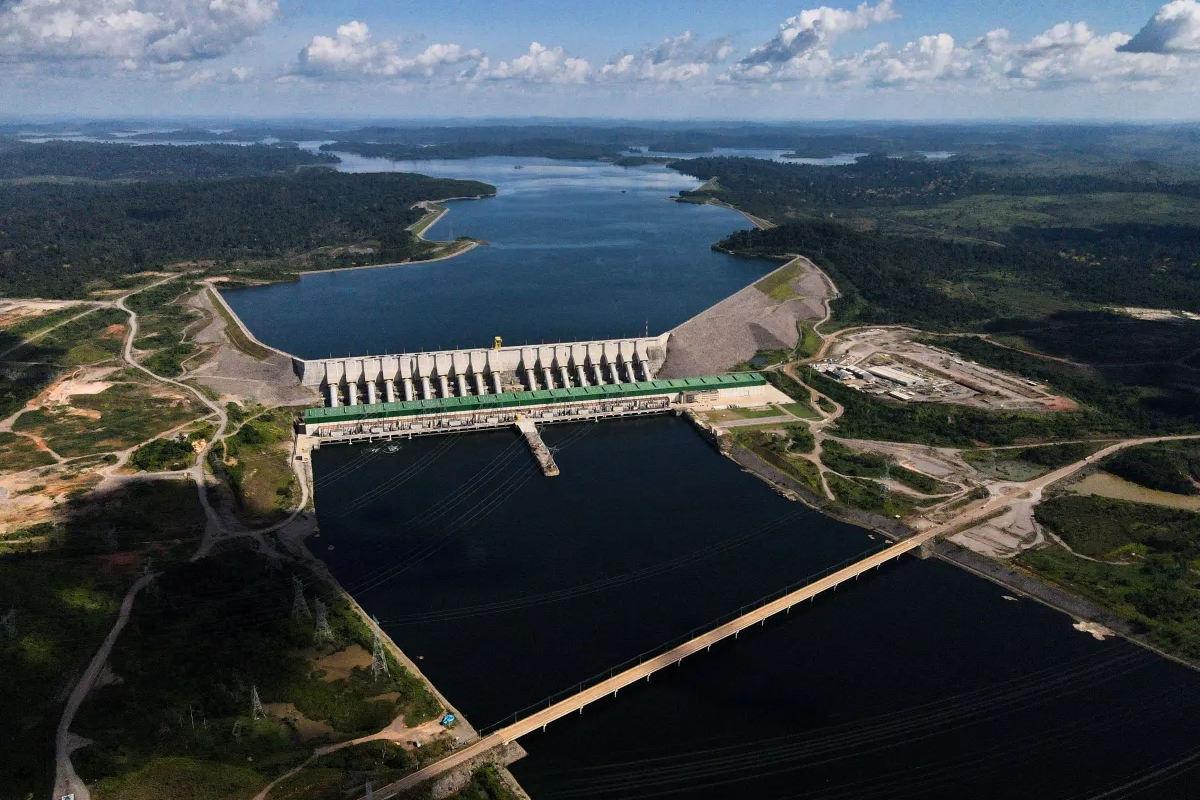
The outlook for Argentina is beginning to shift under the Milei administration. Decrees 450, 451, and 452 of 2025 have initiated a comprehensive restructuring of the energy sector, moving toward marginal-cost pricing and facilitating USD-denominated bilateral power purchase agreements (PPAs). If these reforms provide the necessary macro-stability, Argentina’s combination of Patagonian wind and Vaca Muerta gas could quickly reverse the current hashrate decline.
Bolivia: The Risks of Artificial Subsidies
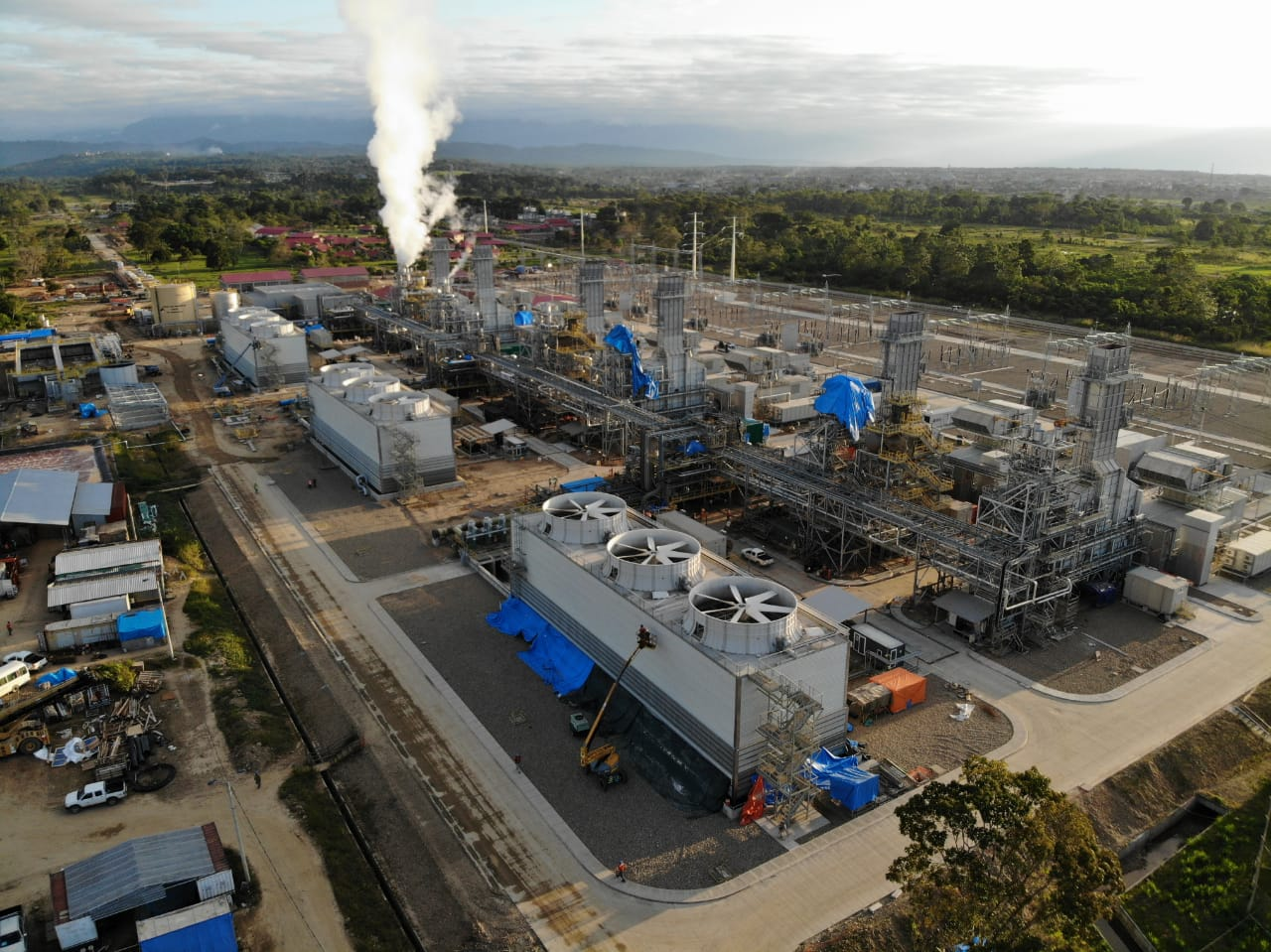
Bolivia’s recent experience serves as a cautionary tale for the mining industry. The country saw a 2,400% year-over-year growth in hashrate through early 2026, driven almost entirely by subsidized natural gas. The government-owned utility, YPFB, provides gas to power plants at approximately $1.30/MMBTU, while the international market price fluctuates between $8 and $12.
This artificial spread created a boom in mining activity, but the foundation is precarious. Bolivia’s gas reserves are depleting rapidly, and the country is projected to become a net gas importer within the next two to five years. As the cost of maintaining these subsidies becomes unsustainable, operators are already beginning to exit the market. Q2 2026 data showed a notable pullback in hashrate, as rational actors price in the end of the subsidy era. Durable opportunities in Bolivia will likely shift toward renewable assets, such as the Zongo hydroelectric cascade or the Uyuni solar fields, which do not carry the same fuel-price exposure.
Venezuela: The Untapped Frontier
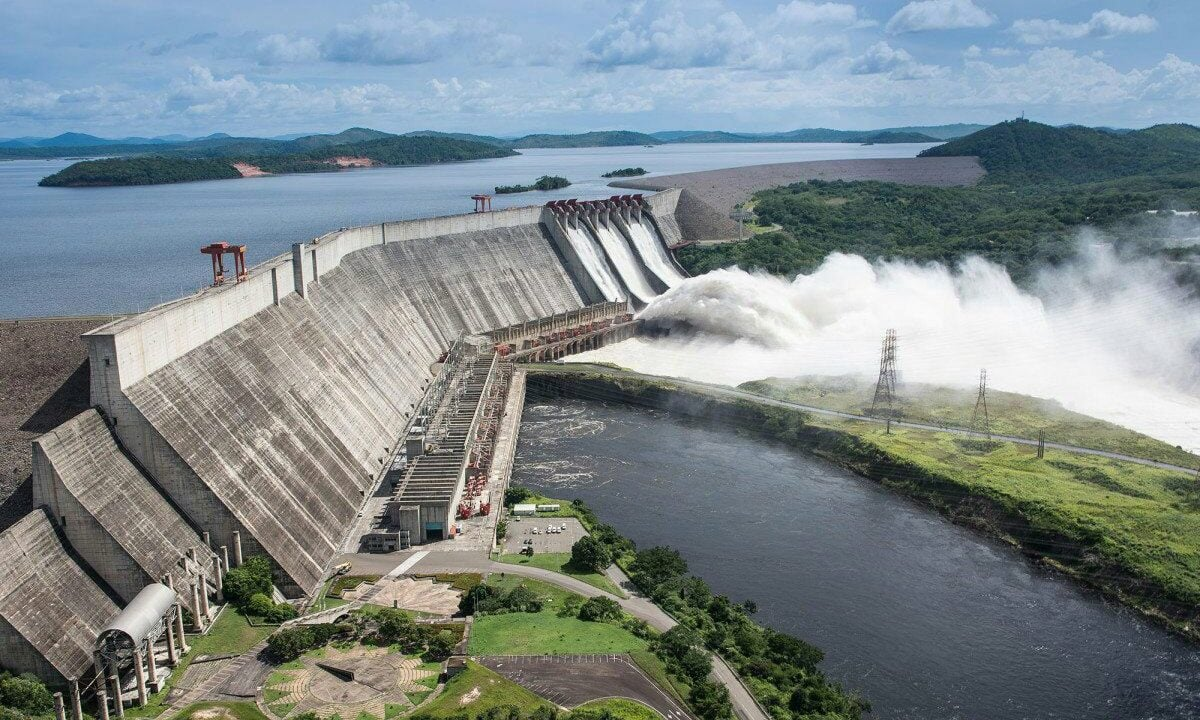
Venezuela remains the most significant "black box" in the global mining landscape. While it does not appear on formal hashrate heatmaps due to regulatory complexities and OFAC sanctions, its energy potential is unrivaled. The country’s grid suffers from massive transmission and distribution losses, leaving an estimated 7,500 MW of hydroelectric potential in the Caroní basin "stranded"—generated at the source but unable to reach load centers.
Additionally, Venezuela flares roughly 300,000 barrels of oil equivalent per day in associated gas. Domestic operators like DoctorMiner, which has been active since 2016, have demonstrated that mining can provide a vital economic lifeline in a collapsing currency environment. Recent shifts in US policy, including OFAC General Licenses 48A and 49A, have created a legal pathway for American investment in Venezuela’s energy infrastructure. If political and regulatory hurdles continue to clear, Venezuela could theoretically deploy several gigawatts of mining capacity using energy that is currently being wasted.
El Salvador: From Narrative to Economic Reality
El Salvador has gained global recognition as a "pioneer" for its adoption of Bitcoin as legal tender and its state-sponsored geothermal mining initiatives. However, the country has struggled to become a competitive market for private-sector mining due to high electricity costs, which average $0.20/kWh—nearly four times the rate in Paraguay.
The long-term viability of El Salvador as a mining hub depends on the expansion of its geothermal capacity. The government’s "Volcano Energy" project and exploration in the Chinameca field aim to increase total geothermal output to over 400 MW. If these projects reach scale and lower the levelized cost of energy to the projected $0.03–$0.06/kWh range, El Salvador may finally match its pro-Bitcoin narrative with the economic fundamentals required for industrial-scale mining.
Conclusion: The Road Ahead for Latin American Mining
The data from Q2 2026 highlights a clear trend: energy abundance is a necessary but insufficient condition for a thriving Bitcoin mining industry. The difference between the United States’ 37.4% share and Latin America’s 5-6% share is not a lack of megawatts, but a lack of stable policy and mature capital markets.
Paraguay has set the template for the region by offering a stable, low-cost environment based on structural surpluses. Brazil is following suit through market liberalization and grid integration. Meanwhile, Argentina and Venezuela represent the "high-beta" opportunities where significant regulatory or macroeconomic shifts could unlock gigawatts of capacity.
As the industry moves into the latter half of 2026, the focus will remain on how these nations bridge the gap between their natural resources and their regulatory frameworks. For Latin America to truly become a global mining powerhouse, it must transform its stranded energy into a reliable, legally protected asset for international investors. The energy is there; the work of building the infrastructure and policy to support it is only just beginning.
