The transition from the centralized architecture of Web2 to the decentralized framework of Web3 has introduced a paradigm shift in how digital assets and personal data are managed, placing the entirety of security responsibility upon the individual user. In the traditional financial system, intermediaries such as banks and payment processors provide a safety net, offering fraud protection, transaction reversals, and custodial security. However, the ethos of Web3—centered on self-sovereignty and decentralization—eliminates these gatekeepers, meaning that once a transaction is recorded on the blockchain, it is immutable. As the adoption of decentralized finance (DeFi), non-fungible tokens (NFTs), and blockchain-based gaming (GameFi) continues to expand, the frequency and sophistication of cyber-attacks have reached unprecedented levels, necessitating a comprehensive understanding of security protocols and defensive measures.

The Reality of Self-Responsibility in a Decentralized Landscape
In a decentralized environment, the concept of "Self-Responsibility" is not merely a suggestion but a foundational requirement. Because Web3 operates on permissionless protocols, users act as their own bankers. While this grants unparalleled freedom and control over assets, it also means there is no "Forgot Password" button for a lost seed phrase and no customer support department to contact in the event of a theft.
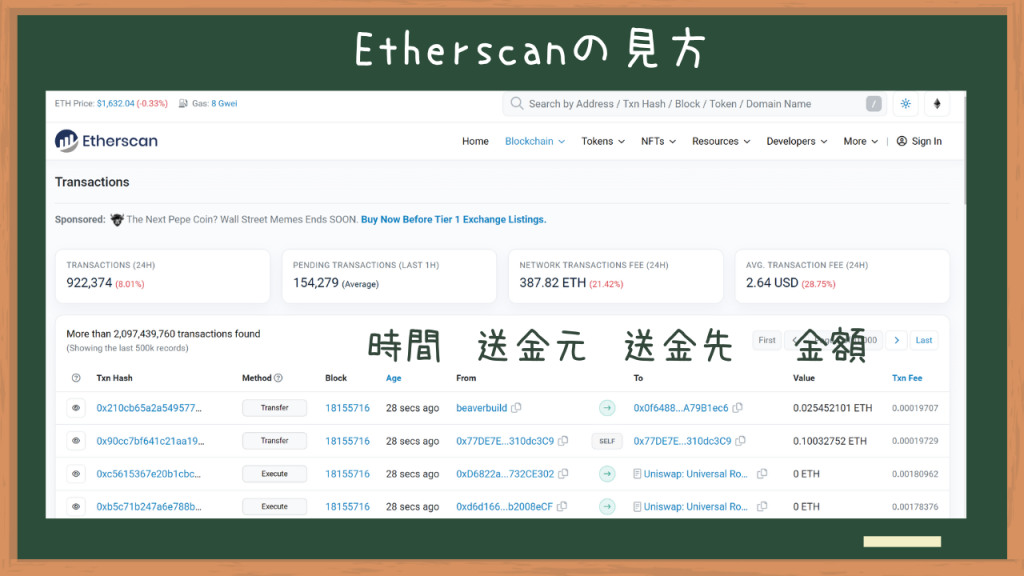
The transparency of the blockchain, while a virtue for auditing and trust, also serves as a double-edged sword. Every transaction, wallet balance, and asset transfer is publicly visible on block explorers such as Etherscan or BSCScan. If an attacker identifies a wallet with high-value assets, they can track that user’s activity in real-time. This visibility allows malicious actors to target specific individuals through sophisticated social engineering or "dusting" attacks, where small amounts of tokens are sent to a wallet to track its movements or lure the user into interacting with a malicious smart contract.

Identifying Common Vectors of Cyber-Attacks and Fraud
The Web3 ecosystem is currently plagued by several recurring scam methodologies that exploit user psychology and technical vulnerabilities. Understanding these vectors is the first step in establishing a robust defense.
The Proliferation of Malicious Direct Messages
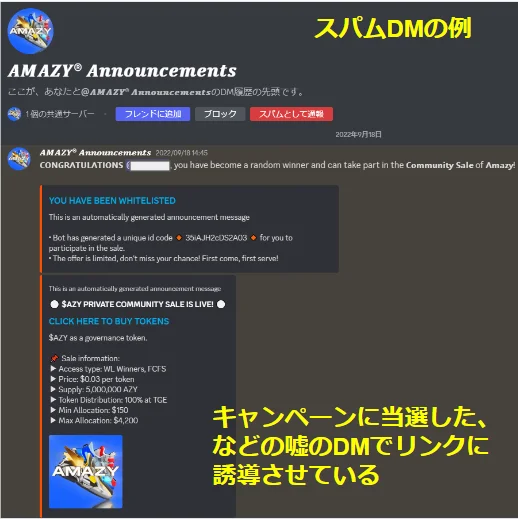
Communication platforms central to the Web3 community, specifically Discord and X (formerly Twitter), have become primary hunting grounds for scammers. A common tactic involves the use of automated bots to send Direct Messages (DMs) to users who join specific servers or follow certain projects. These messages often masquerade as official announcements, claiming the user has won a "giveaway," been selected for an "exclusive airdrop," or granted "early access" to a highly anticipated mint.

Official project developers and moderators almost never initiate contact via DMs. The industry standard has moved toward a "No DM" policy to protect users. Despite this, the psychological lure of "free" assets continues to lead users to click on phishing links embedded in these messages. Once a user clicks the link and connects their wallet to the fraudulent site, they are often prompted to sign a transaction that gives the attacker full control over their assets.
Phishing via Domain Squatting and Fake Interfaces
Another prevalent threat is the creation of "clone" websites that mimic the appearance of legitimate platforms such as OpenSea, MetaMask, or Uniswap. These phishing sites often use URLs that are nearly identical to the original, differing by only a single character or using a different top-level domain (e.g., .net instead of .io).

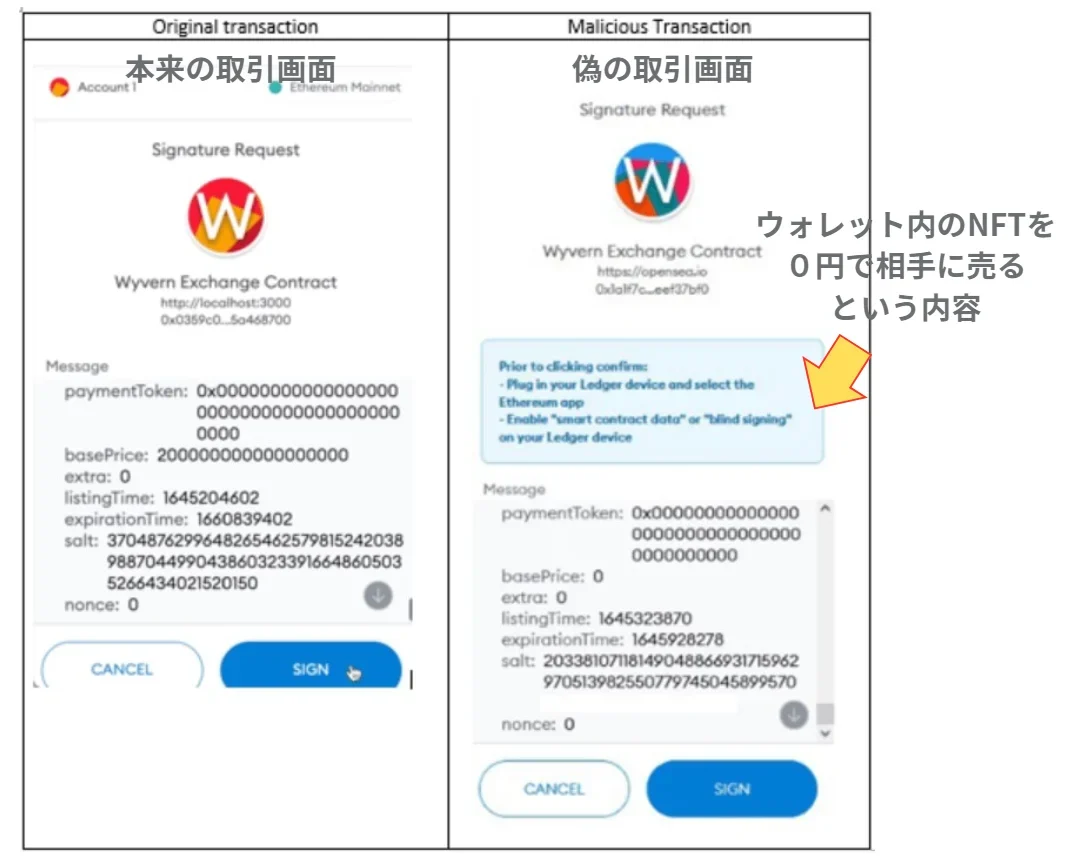
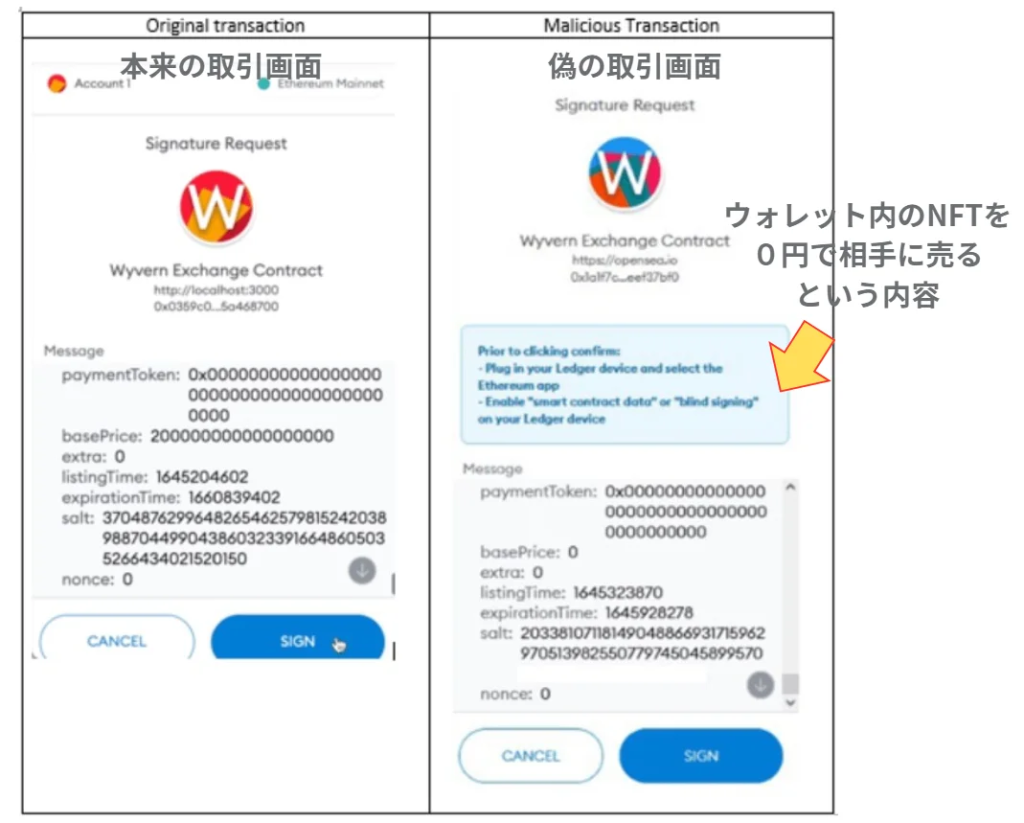
When a user interacts with a fake interface, the site simulates a legitimate connection process. However, the smart contract interaction presented to the user is designed to "drain" the wallet. In many cases, these sites ask for the user’s "Secret Recovery Phrase" (Seed Phrase) under the guise of "synchronizing" or "verifying" the wallet. It remains a fundamental rule of Web3 security that a seed phrase should never be entered into any website or shared with any individual.
Technical Defense Mechanisms: Token Approvals and Revocation
One of the most critical yet misunderstood aspects of Web3 security is the "Token Approval" mechanism. When users interact with decentralized applications (dApps), they must often grant the protocol permission to spend a certain amount of tokens from their wallet. While this is necessary for the functionality of DEXs and NFT marketplaces, it creates a lingering vulnerability.

The Risk of Unlimited Approvals
To improve user experience and reduce gas fees, many dApps default to requesting "Unlimited Approval." This means that even after a transaction is complete, the smart contract maintains the right to withdraw tokens from the user’s wallet at any time. If that smart contract is later compromised, or if it was a malicious contract from the start, the attacker can drain all approved tokens without any further action from the user.
The Revocation Process: A Step-by-Step Guide
To mitigate this risk, security experts recommend a "periodic hygiene" approach to wallet management, which involves revoking unnecessary permissions. This process is known as "Revoking" or "Revoking Approvals."
- Identify the Network: Users must first determine which blockchain they were interacting with (e.g., Ethereum Mainnet, BNB Smart Chain, Polygon).
- Access a Block Explorer: For Ethereum, users should navigate to Etherscan; for BNB, BSCScan. Most major explorers now have a dedicated "Token Approval" tool.
- Navigate to the Approval Tool: On Etherscan, this is typically found under the "More" menu in the navigation bar, labeled "Token Approvals."
- Connect the Wallet: Users must connect their Web3 wallet (such as MetaMask) to the explorer’s interface to view their active permissions.
- Analyze and Revoke: The tool will list every smart contract that has permission to spend tokens from that wallet. Users should identify any suspicious or old contracts and click "Revoke."
- Confirm the Transaction: Revoking an approval is an on-chain transaction. This means it requires a small amount of "gas" (network fees) to process. Users must confirm the transaction in their wallet to finalize the revocation.
Enhancing Security with Specialized Software
As the threat landscape evolves, the industry has seen the emergence of specialized security tools designed to provide a layer of defense between the user and the blockchain. Browser extensions like Kekkai, Pocket Universe, and Revoke.cash serve as "security firewalls."
These tools function by intercepting a transaction request before the user signs it. They simulate the transaction in a sandboxed environment and provide a human-readable summary of what the transaction will actually do. For example, if a transaction is designed to transfer all NFTs out of a wallet rather than "minting" a new one as the website claims, the security extension will trigger a high-risk warning. Integrating these tools into a daily workflow is increasingly seen as a mandatory practice for active Web3 participants.

Chronology of the 2022-2023 Security Crisis
The urgency of these security measures is underscored by the massive losses recorded in recent years. In 2022, it was estimated that over $3.8 billion in cryptocurrency was stolen globally, with a significant portion attributed to DeFi protocol exploits and social engineering.
- Q1 2022: The Ronin Network bridge exploit resulted in a loss of over $600 million, highlighting the vulnerabilities in cross-chain infrastructure.
- Mid-2022: A surge in "Discord Hacks" saw high-profile NFT projects like Bored Ape Yacht Club and Otherside have their official servers compromised, leading to millions in losses for users who clicked malicious links posted by hacked moderator accounts.
- Early 2023: The rise of "Address Poisoning" attacks, where scammers send 0-value transactions to users to trick them into copying the wrong wallet address from their transaction history.
- Late 2023: Sophisticated "Wallet Drainers" became available as a service (SaaS) on the dark web, allowing even low-level criminals to deploy complex phishing kits.
Official Responses and the Regulatory Outlook
Regulators and industry leaders have begun to respond to the endemic levels of fraud in the space. The U.S. Securities and Exchange Commission (SEC) and various international bodies have increased their scrutiny of DeFi platforms, arguing that the lack of consumer protection is a barrier to mass adoption.
In response, many Web3 companies are shifting their focus toward "Account Abstraction" (ERC-4337). This technology allows for "Smart Accounts" that can have built-in security features such as daily spending limits, multi-signature requirements, and "social recovery" options. These advancements aim to bridge the gap between the security of traditional finance and the autonomy of Web3, potentially reducing the burden of self-responsibility on the end-user.
Broader Impact and Future Implications
The current state of Web3 security presents a significant "chilling effect" on retail adoption. Until the user experience (UX) becomes safer and more intuitive, the majority of the global population will likely remain hesitant to move their primary wealth into decentralized systems.
For the individual, the path forward requires a shift in mindset. Security must be viewed as an active process rather than a static state. This includes using hardware wallets (cold storage) for long-term asset holding, maintaining "burner" wallets for interacting with new or unverified dApps, and staying informed about the latest scam methodologies.
The evolution of Web3 is a battle between innovation and exploitation. While the technology offers the promise of a more equitable and transparent financial future, that future is only accessible to those who can successfully navigate its risks. The mantra of the space remains unchanged: verify, don’t trust, and always assume that in the world of decentralization, you are the final line of defense.