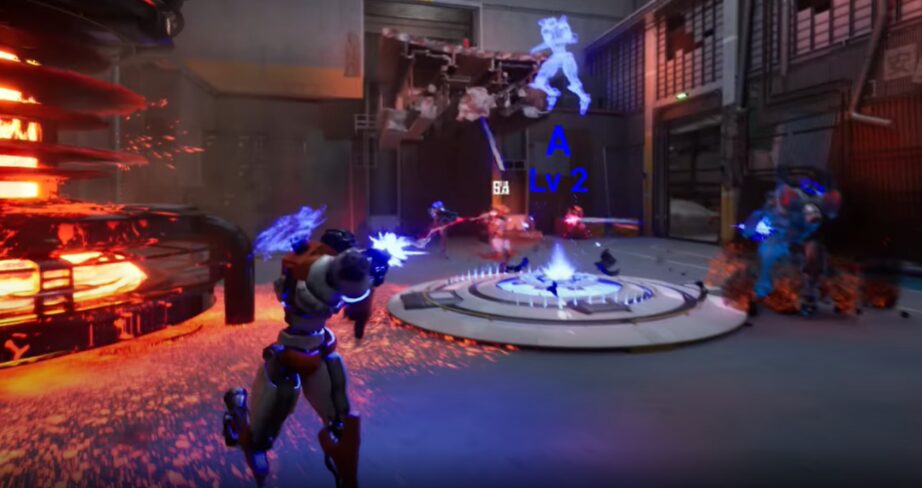
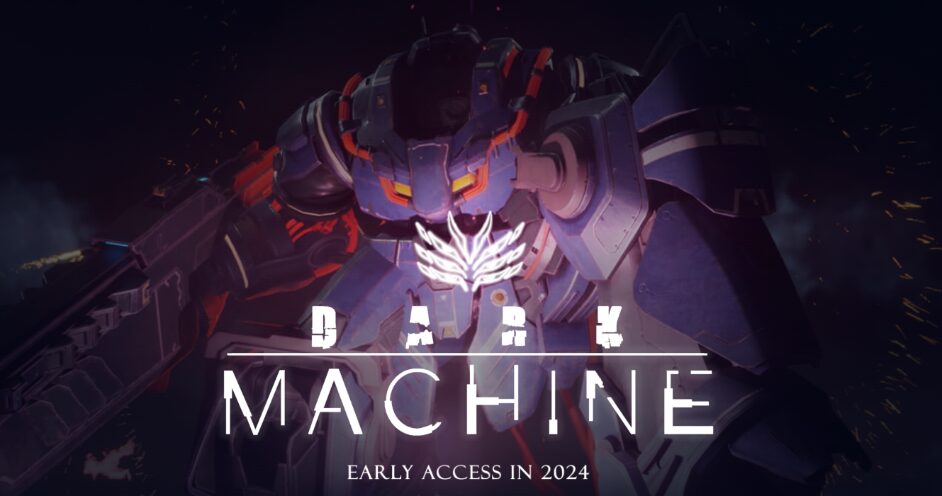
Dark Machine has officially emerged as a groundbreaking title within the Web3 gaming ecosystem, merging fast-paced, third-person shooter (TPS) mechanics with decentralized blockchain architecture. Built across advanced layer-one and layer-two networks including Immutable zkEVM and Sui, the game bridges the gap between traditional competitive esports and digital asset ownership. Designed for cross-platform play across PC, iOS, and Android devices, Dark Machine is engineered to deliver high-performance gameplay that satisfies both casual enthusiasts and hardcore esports competitors. As the blockchain gaming sector matures, titles like Dark Machine are setting new benchmarks for interoperability, asset utility, and player-driven economies.
Core Architecture and Technological Foundation
At its core, Dark Machine is a tactical third-person shooter that emphasizes precision, strategy, and fast reflexes. Unlike many early-generation blockchain games that prioritized token economics over core gameplay loops, Dark Machine places the gaming experience first. The developers have integrated high-fidelity graphics, responsive controls, and complex tactical depth to ensure the title stands shoulder-to-shoulder with mainstream AAA multiplayer shooters.
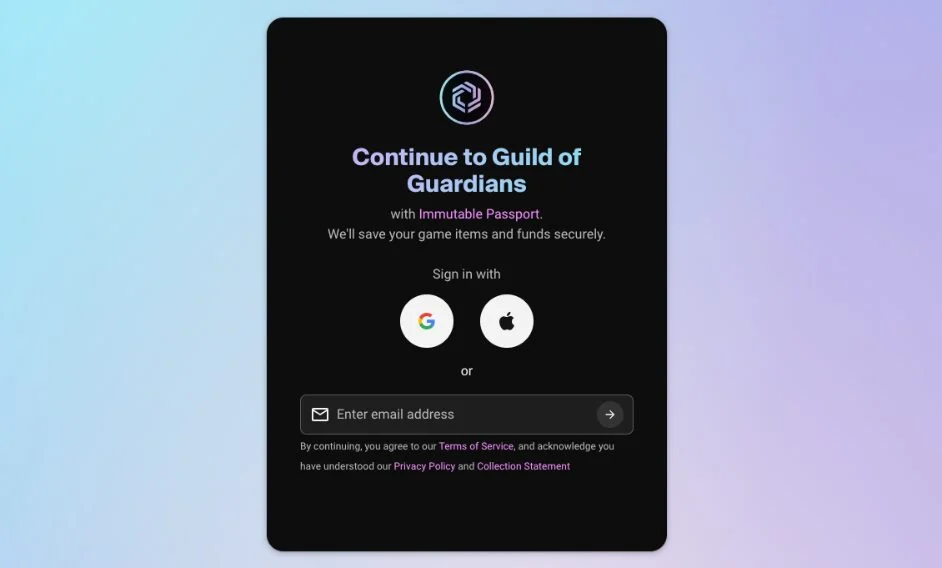
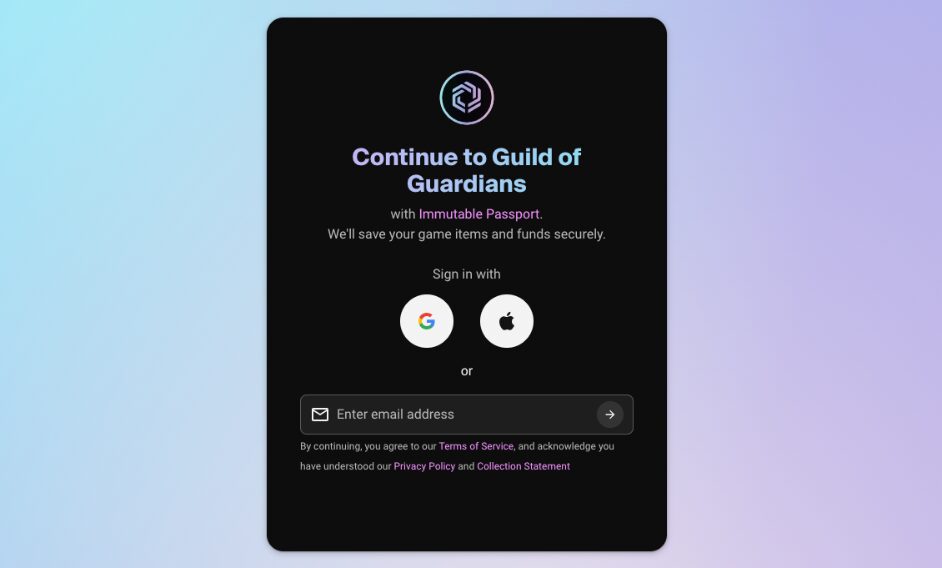
The game operates primarily on Immutable zkEVM and Sui networks, leveraging their high transaction throughput and low latency. This technological infrastructure ensures that in-game actions, item trades, and competitive matches occur seamlessly without the network congestion that has historically plagued decentralized applications. By utilizing Immutable Passport, players can create secure accounts using traditional Web2 credentials such as Google or Apple ID, effectively removing the traditional friction associated with crypto wallets and private keys. This zero-gas-fee environment enables players to trade digital assets, weapons, and cosmetic skins effortlessly, fostering a vibrant and sustainable player-driven marketplace.
Competitive Esports Integration and Strategic Partnerships
Dark Machine is intentionally built to thrive in the competitive esports arena. To validate its competitive integrity, the project has established key partnerships with prominent Web3 gaming guilds and esports organizations, most notably META-X. These collaborations are designed to secure long-term funding, organize high-stakes tournaments, and establish professional leagues that bridge traditional esports infrastructure with decentralized rewards.
The game supports various competitive formats, including 1v1 tactical showdowns and large-scale team-based tournaments. These events are broadcasted across mainstream streaming platforms like YouTube and Twitch, allowing spectators to follow professional players and teams. By incorporating tournament modes and ranked matchmaking, Dark Machine creates a continuous engagement loop where skilled players can earn tangible rewards through competitive success, further driving the game’s economic engine.
Tokenomics and Ecosystem Economy: The Role of $MXNA
The economic backbone of Dark Machine is powered by its native utility token, $MXNA, alongside the DEMAX subnet infrastructure. The token is designed to facilitate a wide range of in-game transactions, including the purchase of cosmetic items, battle passes, tournament entry fees, and governance participation.
$MXNA operates within a deflationary model, where a portion of tokens used for in-game purchases and marketplace transactions are systematically burned, reducing the circulating supply over time. This economic design helps stabilize the token’s value against market volatility while rewarding long-term holders and active participants. Furthermore, the integration with decentralized exchanges (DEXs) like Bitget Wallet ensures high liquidity and easy accessibility for international players looking to acquire or trade $MXNA tokens.
Cross-Chain Expansion and Telegram Integration
In a strategic move to capture a broader user base, Dark Machine has expanded its ecosystem beyond traditional PC and mobile platforms. The project recently integrated with the TON (The Open Network) blockchain, launching a dedicated Telegram mini-app. This integration allows millions of Telegram users to interact with the Dark Machine ecosystem directly through the messaging application, participating in mini-games, earning rewards, and managing their assets without downloading a standalone client.
This multi-chain approach—spanning Immutable zkEVM, Sui, and TON—demonstrates the development team’s commitment to accessibility. By meeting players where they are, whether on high-end gaming PCs or mobile messaging apps, Dark Machine significantly lowers the barrier to entry for mainstream gamers unfamiliar with Web3 technology.
NFT Utility and Digital Asset Ownership
Digital ownership is a cornerstone of the Dark Machine experience. In-game assets such as mechs, weapons, armor, and VIP passes are tokenized as NFTs, granting players true ownership over their digital property. Unlike closed gaming ecosystems where purchased items remain locked to a single account, Dark Machine’s NFT architecture allows players to freely trade, sell, or rent their assets on open marketplaces.
To enhance security and prevent market manipulation, the project utilizes Soulbound Tokens (SBTs) for achievement-based rewards and player credentials. These non-transferable tokens serve as permanent proof of a player’s accomplishments, tournament victories, and rank within the game’s ecosystem. This system ensures that elite status and exclusive rewards cannot be bought, maintaining the prestige and competitive integrity of the game’s ranking ladders.
Industry Implications and Future Outlook
The launch and expansion of Dark Machine arrive at a critical juncture for the Web3 gaming industry. Following the speculative boom and subsequent correction of early blockchain games, the market has shifted toward quality, sustainability, and genuine player engagement. Industry analysts view titles like Dark Machine as a litmus test for the viability of AAA-quality blockchain games.
By successfully combining high-performance TPS gameplay, multi-chain architecture, and robust esports integration, Dark Machine is charting a new course for the industry. As the development team continues to roll out cross-chain expansions, major tournament circuits, and enhanced marketplace utilities, the project is well-positioned to attract both traditional gamers and crypto-native enthusiasts alike. The long-term success of Dark Machine may ultimately serve as a blueprint for future developers seeking to harmonize decentralized economics with compelling, high-stakes video game entertainment.