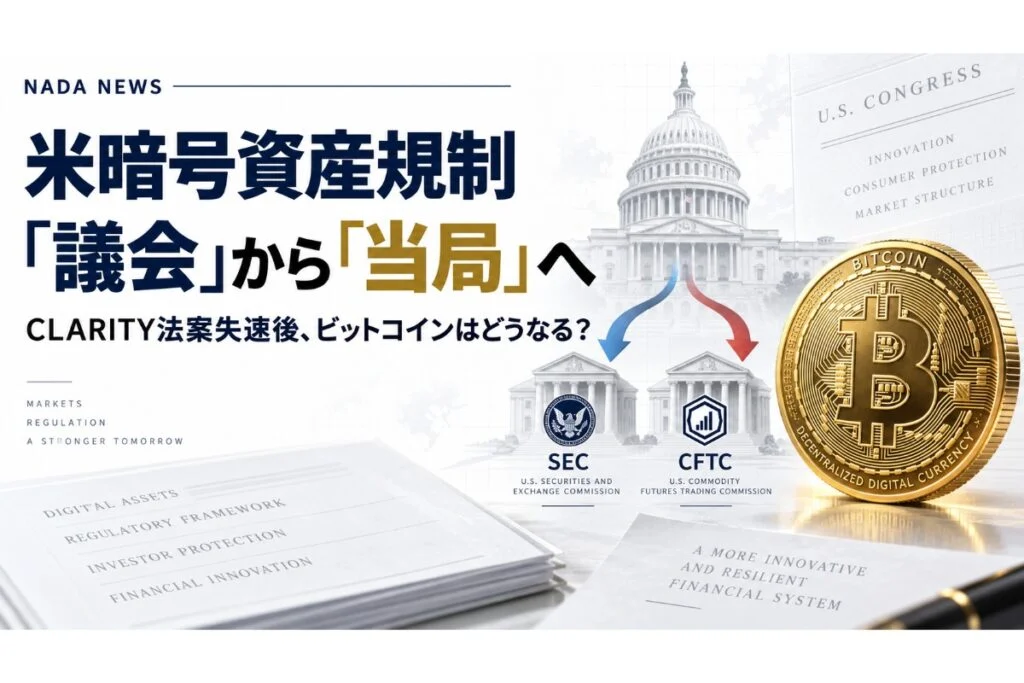
The global financial landscape is experiencing a profound paradigm shift as legislative frameworks for digital assets undergo unprecedented modernization and expansion. Financial data highlights that the digital asset market has absorbed significant regulatory attention, sparking renewed optimism across institutional and retail investor communities alike. With comprehensive legal frameworks gaining momentum globally, market participants are witnessing a fundamental re-evaluation of how blockchain technology, stablecoins, and decentralized finance (DeFi) intersect with traditional banking systems.
As regulatory bodies such as the Securities and Exchange Commission (SEC) and the Commodity Futures Trading Commission (CFTC) navigate evolving legislative mandates, market observers point to a maturation of the asset class. The introduction of the Clarity Act marks a pivotal milestone in establishing clear boundaries for digital asset classification, consumer protection, and market integrity. This legislative push aims to eliminate years of regulatory ambiguity that has historically hindered institutional participation in the digital economy.
Legislative Momentum and the Clarity Act
The legislative journey of the Clarity Act represents a collaborative effort among policymakers to address the complex nature of digital assets. For years, industry advocates have called for statutory definitions that distinguish between different types of tokens, particularly utility tokens, payment tokens, and security tokens. The absence of such definitions created a fragmented regulatory environment, forcing many blockchain enterprises to operate in jurisdictions outside the United States.
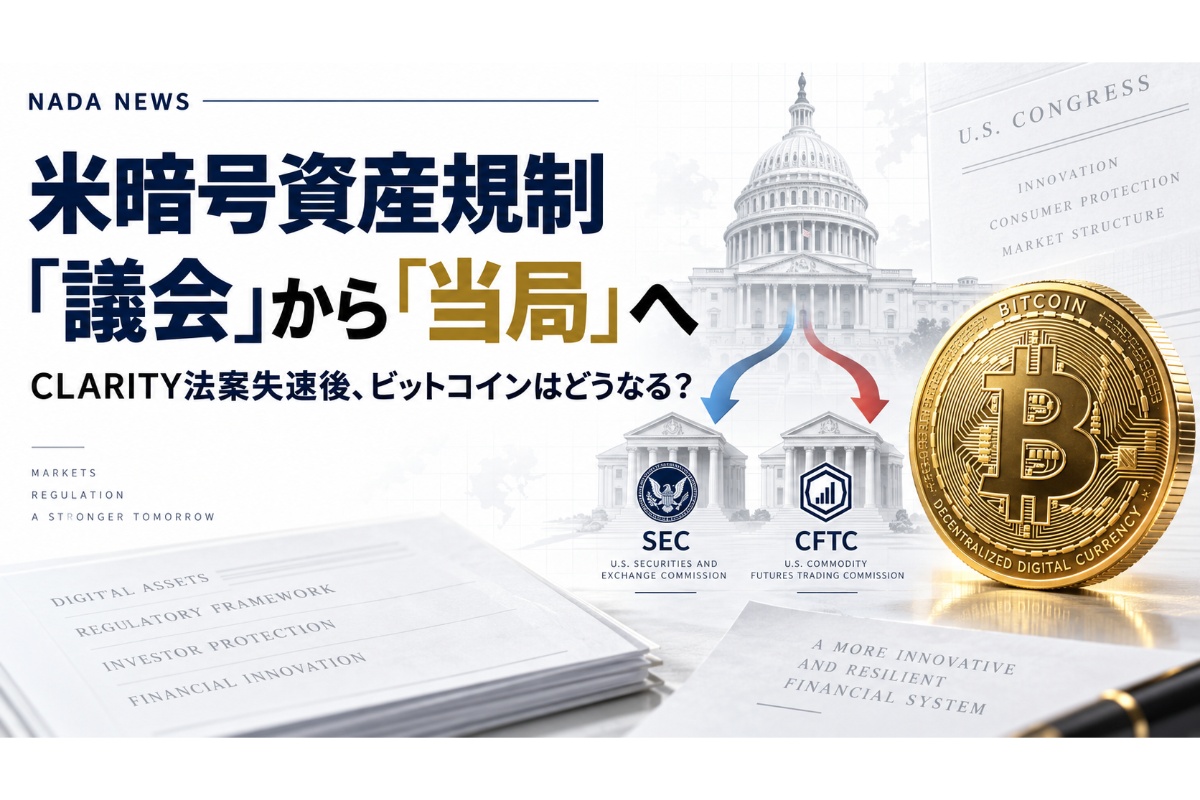
Recent legislative sessions have shown bipartisan support for regulatory reform, with lawmakers recognizing the economic imperative of maintaining financial innovation within domestic borders. The proposed Clarity Act seeks to establish a dual-regulatory approach, delineating responsibilities between the SEC and the CFTC. Under this framework, digital assets that function as commodities would fall primarily under CFTC jurisdiction, while those exhibiting characteristics of traditional securities would remain subject to SEC oversight.
Industry stakeholders have largely welcomed this development, arguing that clear rules of the road are essential for long-term market stability. Financial institutions, previously hesitant to enter the space due to compliance risks, are now exploring tokenized assets, custody solutions, and blockchain-based settlement systems.
Market Valuation and Stablecoin Expansion
Parallel to legislative developments, the digital asset market has demonstrated remarkable resilience. Total market capitalization has fluctuated near significant milestones, reflecting growing adoption despite macroeconomic headwinds. Central bank policies, including recent interest rate adjustments by the Federal Reserve, have played a crucial role in shaping investor sentiment. Lower borrowing costs historically increase liquidity in risk-on asset classes, providing additional tailwinds for cryptocurrencies.
Stablecoins, in particular, have experienced exponential growth, serving as a vital bridge between traditional fiat currency and decentralized applications. These digital tokens, pegged to reserve assets like the US dollar, facilitate seamless cross-border payments, trading settlements, and yield-generation strategies within DeFi ecosystems. Regulatory clarity surrounding stablecoin issuers has further bolstered confidence, encouraging institutional treasuries to integrate these instruments into daily operations.
Furthermore, the integration of blockchain technology into traditional payment rails by major financial institutions underscores a broader acceptance of decentralized ledgers. Payment giants and legacy banking networks are increasingly collaborating with fintech firms to explore tokenized deposits and instantaneous settlement mechanisms, reducing systemic risk and operational costs.
Regulatory Coordination: SEC and CFTC Collaboration
A central theme of the current legislative push is the imperative for enhanced coordination between the SEC and the CFTC. Historically, jurisdictional overlap and perceived enforcement-heavy approaches created friction between regulators and industry participants. The new legislative proposals mandate formal channels for inter-agency cooperation, aiming to reduce redundant oversight and conflicting guidance.
Legal experts note that this cooperative approach will benefit investors by ensuring robust consumer protection without stifling technological progress. By establishing clear criteria for asset issuance and secondary market trading, regulators can focus their enforcement resources on fraudulent actors and malicious market manipulation, rather than penalizing compliant innovators.
Institutional Inflows and ETF Integration
The maturation of the digital asset ecosystem is perhaps best exemplified by the proliferation of exchange-traded funds (ETFs) and institutional-grade custody solutions. Following landmark approvals for spot Bitcoin and Ethereum ETFs, institutional capital has flowed steadily into regulated investment vehicles. These financial products have lowered the barrier to entry for pension funds, endowments, and corporate treasuries seeking exposure to digital assets without the complexities of self-custody.
Market analysts emphasize that institutional adoption brings heightened scrutiny regarding market transparency, auditing standards, and liquidity management. As regulatory frameworks crystallize, institutional investors are demanding the same level of operational rigor and compliance found in traditional equity and fixed-income markets.
Broader Economic Impact and Future Outlook
The convergence of supportive legislation, regulatory clarity, and institutional participation signals a permanent evolution in the global financial architecture. While challenges remain—particularly concerning cybersecurity, anti-money laundering (AML) compliance, and macroeconomic volatility—the trajectory points toward deeper integration of blockchain technology into mainstream finance.
As policymakers continue to refine statutory definitions and compliance standards, the digital asset sector is transitioning from a speculative frontier into a recognized asset class. The ongoing collaboration between lawmakers, regulatory agencies, and industry leaders will ultimately determine the pace and scale of this transformation, shaping the future of money, commerce, and digital sovereignty for decades to come.