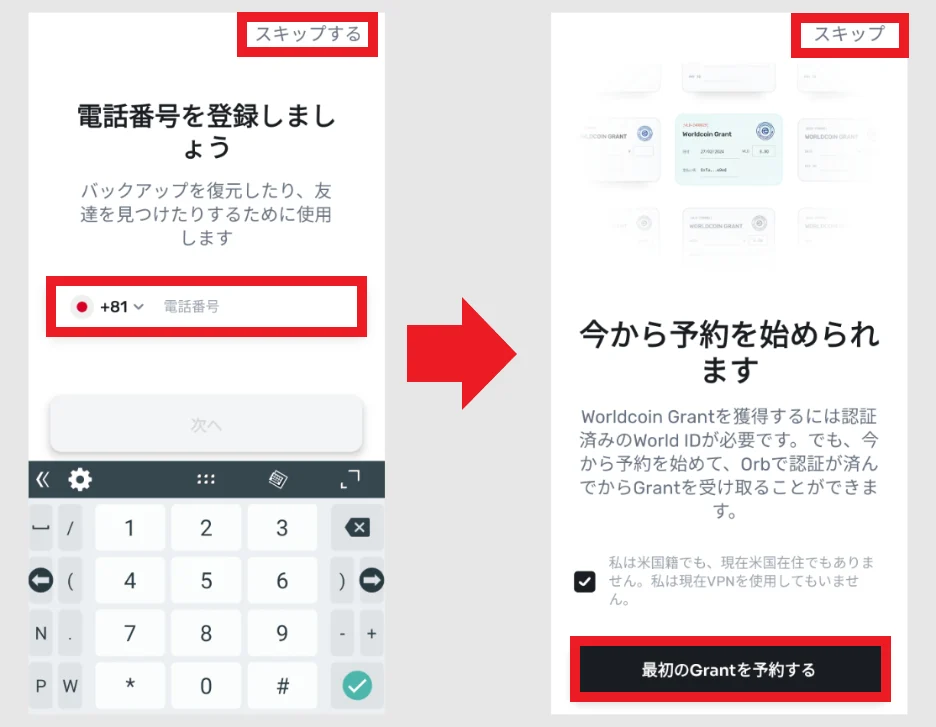
The landscape of decentralized finance and digital identity management continues to evolve rapidly, marked by significant updates from World App, the primary consumer-facing application for the Worldcoin ecosystem. Recent developments on the platform highlight new initiatives surrounding World ID verification protocols, automated token grants, and broader interoperability within the emerging World Chain network. As global interest in decentralized identifiers (DIDs) grows, these updates aim to streamline user onboarding, enhance data security, and provide clearer pathways for participants to manage and claim their Worldcoin (WLD) tokens.

Background and Evolution of World ID and World App
World App has fundamentally functioned as a secure portal connecting everyday users to the broader Worldcoin ecosystem, which heavily emphasizes cryptographic proof of personhood. At the core of this ecosystem is World ID, a decentralized identifier designed to prove humanity online without revealing personal sensitive data such as names, addresses, or government identification numbers.

The architecture of World ID relies on zero-knowledge proofs (ZKPs), a cryptographic method that allows one party to prove to another that a statement is true without conveying any information beyond the statement itself. Within World App, users who complete the verification process—often via specialized biometric imaging hardware known as the Orb—receive official confirmation of their unique human status. This verification unlocks regular WLD token grants, establishing a direct economic incentive tied to verified digital identity.
Over the past year, the Worldcoin Foundation and associated developers have rolled out continuous enhancements to simplify this process. As privacy regulations tighten globally and demand for Sybil-resistant networks increases, the integration between World App and World Chain has become increasingly crucial for scaling decentralized applications (dApps) without compromising user privacy.

Chronology of Recent Platform Enhancements
The rollout of enhanced features within World App represents a methodical progression toward a more robust, user-centric ecosystem. Throughout 2024 and into early 2025, several key milestones have shaped the platform’s current functionality:

- Initial Integration of World ID: The foundational phase required users to visit physical Orb locations to scan their irises, establishing a secure, unique cryptographic identifier stored locally on their devices.
- Expansion of WLD Grant Mechanics: The mechanism for claiming WLD tokens was streamlined, allowing verified users to claim allocations directly through the mobile application interface with minimal friction.
- Introduction of World Chain Support: Transitioning from generic Layer-2 solutions, the ecosystem integrated more deeply with World Chain, optimizing transaction speeds and reducing gas fees for token holders.
- Advanced Swap and Liquidity Features: Recent updates enabled users to execute token swaps directly within the application, supporting major assets such as WLD, USDC, WBTC, and WETH.
These successive updates reflect a strategic shift from a purely experimental identity project into a fully functional financial application capable of handling complex decentralized transactions.
Detailed Analysis of Verification and Security Protocols

Security and privacy remain paramount within the Worldcoin framework. The verification process, while dependent on biometric data collection via the Orb, processes information locally to generate a unique hash that serves as the basis for World ID. Once this verification is complete, the original biometric images are typically deleted, minimizing central data retention risks.
From an analytical perspective, this approach addresses one of the primary vulnerabilities in modern digital environments: bot activity and fraudulent accounts. By enforcing strict proof-of-personhood requirements, platforms can significantly reduce the prevalence of automated scripts, Sybil attacks, and fraudulent voting in decentralized autonomous organizations (DAOs).

However, the reliance on biometric data collection has also drawn regulatory scrutiny from data protection authorities in various jurisdictions. Industry analysts note that while the cryptographic use of zero-knowledge proofs successfully shields individual user identities during subsequent transactions, initial regulatory hurdles regarding biometric data collection remain a critical challenge for mass adoption. To mitigate these concerns, developers have continually refined transparency reports and compliance frameworks, aiming to align operational models with international data protection standards.
Tokenomics, Claiming Processes, and Exchange Integration

The distribution of WLD tokens serves as a primary driver for user engagement within World App. Verified users are eligible to receive periodic token grants, which can be managed directly through the application’s built-in wallet interface. Recent upgrades have introduced more intuitive dashboards, allowing users to track their grant schedules, view historical distributions, and execute withdrawals or swaps with ease.
For users wishing to trade WLD outside the native application, integration with prominent centralized and decentralized exchanges (such as Bitget and Binance) has been heavily optimized. Standardized bridging mechanisms now allow for seamless transfers of WLD between World Chain and other major blockchain networks, providing liquidity and flexibility for traders worldwide.

Market Implications and Future Outlook
The continuous expansion of World App and its underlying infrastructure signals a broader maturation of decentralized identity and tokenomics. By bridging the gap between verifiable human identity and everyday financial utility, the ecosystem provides a unique template for digital interaction in the Web3 era.

As adoption scales, the success of World App will likely depend on its ability to navigate complex regulatory landscapes while maintaining a seamless user experience. Observers note that the integration of multi-chain support, enhanced decentralized exchange (DEX) capabilities, and robust privacy-preserving mechanisms positions the platform favorably within the competitive blockchain sector. Nevertheless, ongoing dialogue with regulatory bodies and transparent communication regarding data handling will remain essential as the ecosystem expands into new global markets.