The rapid expansion of the decentralized finance (DeFi) ecosystem and the mainstream adoption of non-fungible tokens (NFTs) have ushered in an unprecedented era of digital innovation. However, this decentralized revolution has also attracted sophisticated criminal networks seeking to exploit vulnerabilities in user behavior, security infrastructure, and software applications. As blockchain technology becomes more deeply integrated into global financial networks, understanding the anatomy of crypto scams has shifted from an optional precaution to an essential survival skill for every digital asset holder.
The Evolution of Web3 Threat Vectors
In the early days of cryptocurrency, most security breaches involved simple phishing emails, compromised exchange accounts, or poorly coded smart contracts with blatant logic flaws. Today, the threat landscape has matured into an industrialized enterprise. Cybercriminals employ advanced social engineering techniques, zero-day software exploits, and automated malware distribution networks designed to bypass traditional security perimeters.
According to data compiled by blockchain analytics firms, millions of dollars in digital assets are drained from unsuspecting users daily. These losses frequently stem not from foundational cryptographic vulnerabilities in major networks like Ethereum or Solana, but from the human element—specifically, the user’s interaction with malicious decentralized applications (dApps), compromised websites, and deceptive user interfaces.

Anatomy of Modern Crypto Phishing Attacks
Phishing remains one of the most prevalent vectors for digital asset theft, yet the methods used by bad actors have evolved beyond generic emails. Modern phishing campaigns frequently leverage poisoned search engine optimization (SEO) to manipulate search results. When users search for popular DeFi protocols such as Curve Finance, Uniswap, or Etherscan, malicious actors purchase sponsored advertisements or deploy typo-squatted domains that mirror legitimate platforms.
A prominent example of this evolution involves the replication of familiar user authentication prompts. Security researchers have documented sophisticated campaigns where malicious websites display counterfeit Cloudflare "Verify you are human" prompts. Unsuspecting users who click these buttons unwittingly trigger automatic file downloads containing infostealer malware, such as RedLine or Lumma Stealer.

Once executed, this malware quietly scans the infected computer for browser extension data, saved passwords, and private keys. It specifically targets popular Web3 browser extension wallets like MetaMask, Phantom, and Rabby, extracting sensitive credentials within seconds and transmitting them to command-and-control servers operated by threat actors.
Address Poisoning and Fake Transaction History
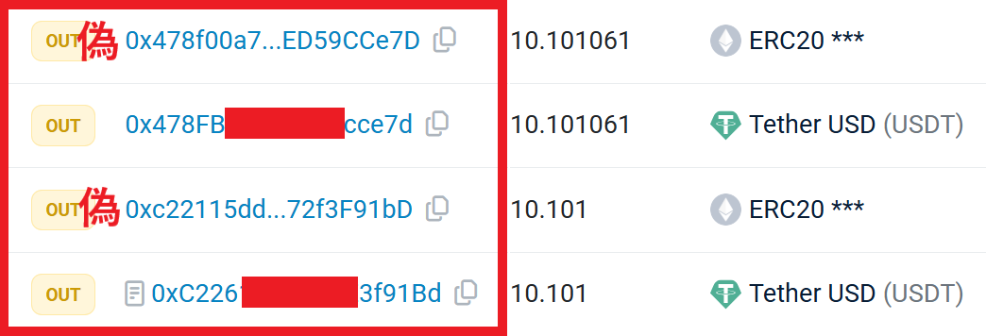
Another insidious attack vector that has gained prominence is address poisoning. This technique exploits user habits by exploiting the way individuals interact with transaction histories. Block explorers like Etherscan display recent transactions, often showing truncated wallet addresses for brevity.

In an address poisoning attack, scammers generate vanity addresses that closely mimic the prefix and suffix of addresses a target frequently interacts with—such as a primary cold storage wallet, a frequently used exchange, or a liquidity pool. The attacker then sends a microscopic amount of cryptocurrency (or zero-value transfer tokens) to the victim’s wallet from this generated address.
When the user later prepares to transfer funds, they often copy a destination address directly from their recent transaction history, assuming the visible characters match their intended recipient. Because human eyes naturally focus on the first and last few characters of a string, users frequently fail to notice that the middle characters have been swapped. Consequently, subsequent transfers are routed directly to the attacker’s wallet, with transactions being irreversible on public blockchains.

Infrastructure Exploits: Public Wi-Fi and Device Compromise
Beyond browser-based exploits, physical infrastructure and endpoint security represent critical vulnerabilities. Digital asset holders frequently access decentralized applications via mobile devices or laptops while connected to public Wi-Fi networks in cafes, hotels, and airports.
Unsecured public access points allow malicious actors to perform man-in-the-middle (MitM) attacks, intercepting unencrypted network traffic or redirecting users to fraudulent versions of legitimate websites. Furthermore, advanced attacks have targeted mobile operating systems, including iOS and Android. Security researchers have documented incidents where users received convincing push notifications or SMS alerts regarding faux password resets or unauthorized account access on Apple devices, followed by automated phone calls from numbers spoofed to mimic official corporate support lines.
These social engineering campaigns are meticulously orchestrated to create panic, compelling users to lower their guard and inadvertently surrender multi-factor authentication codes, seed phrases, or remote desktop access to malicious actors posing as technical support personnel.
Malicious Token Approvals and Drainer Smart Contracts
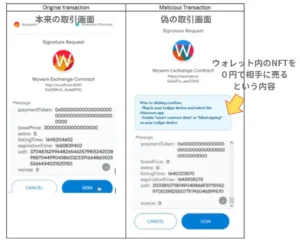
Perhaps the most catastrophic financial losses occur through unauthorized token approvals. In the Ethereum Virtual Machine (EVM) ecosystem, interacting with decentralized exchanges (DEXs) and NFT marketplaces often requires granting a smart contract permission to spend specific tokens on the user’s behalf via an Approve transaction.

While legitimate protocols require approvals to facilitate automated trading and liquidity provisioning, malicious actors deploy smart contracts embedded with unlimited spending permissions. When a user unwittingly signs an approval transaction for a malicious contract, they grant the attacker the authority to drain designated tokens from their wallet at any time without further authorization.
These malicious approvals are frequently disguised as airdrop claims, minting events for exclusive NFTs, or governance votes. Because the underlying transaction does not immediately transfer funds out of the wallet, victims often remain entirely unaware of the breach until their balances are completely depleted. Security experts strongly recommend using dedicated revocation tools—such as Revoke.cash or Etherscan’s token approval checker—to periodically review and revoke active permissions granted to unfamiliar or dormant smart contracts.

Comprehensive Defense Strategies for Web3 Users
Protecting digital assets requires a multi-layered security posture and adherence to strict operational hygiene. Industry best practices recommend implementing the following defensive measures:
- Utilize Hardware Wallets: Store the vast majority of long-term holdings in cold storage hardware wallets (such as Ledger or Trezor) that keep private keys isolated from internet-connected devices. Never enter seed phrases on a digital keyboard, screenshot them, or store them in cloud storage.
- Double-Check URLs and Bookmarks: Avoid clicking sponsored search engine links when navigating to critical infrastructure like DEXs, lending markets, or block explorers. Maintain a secure folder of verified bookmarks for frequently used platforms.
- Practice Transaction Hygiene: Always inspect transaction details before signing. Verify that transaction values, gas limits, and recipient addresses match expectations. Be particularly wary of transactions requesting unlimited token approvals or zero-value transfers.
- Isolate Trading Activities: Maintain separate wallets for high-risk activities—such as participating in new NFT mints, interacting with unverified experimental protocols, or claiming airdrops—keeping your primary cold storage holdings completely isolated.
- Regularly Audit Approvals: Utilize blockchain security tools to audit and revoke unnecessary or outdated smart contract allowances on a routine basis.
- Exercise Skepticism Toward Support Communications: Legitimate customer support representatives from major exchanges, wallet providers, or hardware manufacturers will never ask for your private keys, seed phrases, or remote desktop access.
Conclusion
The decentralized nature of blockchain technology provides unprecedented financial sovereignty, but it also places the full burden of security onto the individual user. As criminal organizations develop increasingly sophisticated methods to exploit human psychology and software interfaces, maintaining vigilance is essential. By adopting robust security protocols, utilizing hardware-backed storage, and cultivating a healthy skepticism toward unsolicited interactions, digital asset holders can significantly mitigate their exposure to risk and help foster a safer, more resilient Web3 environment.