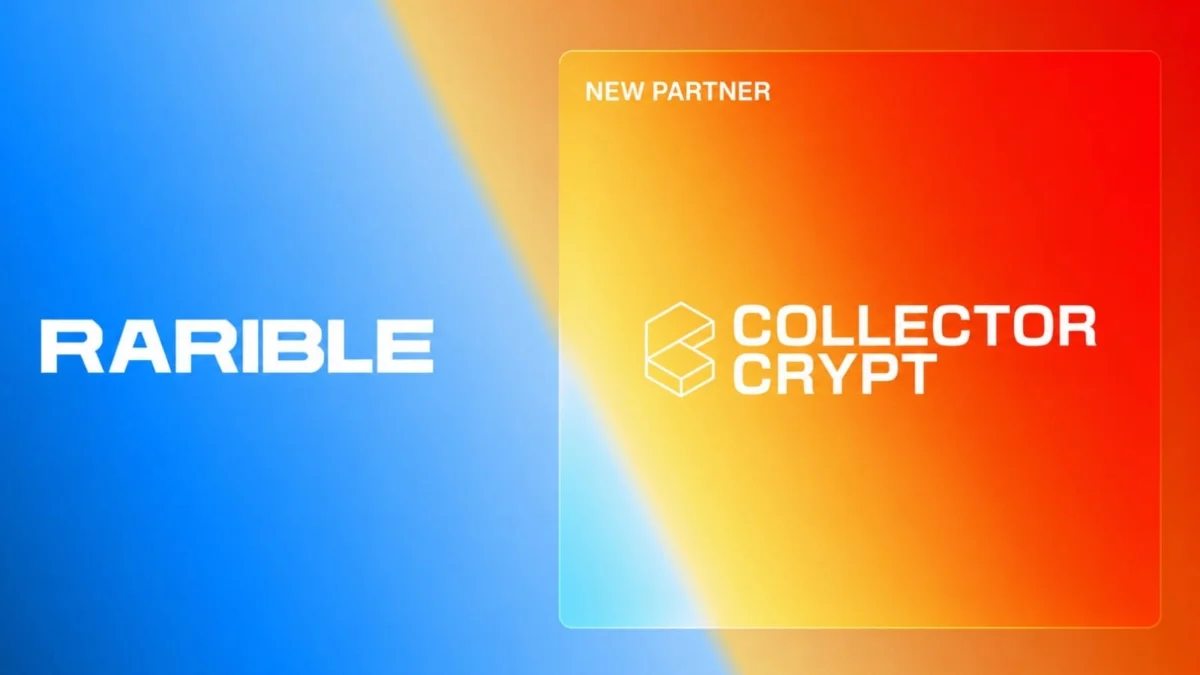
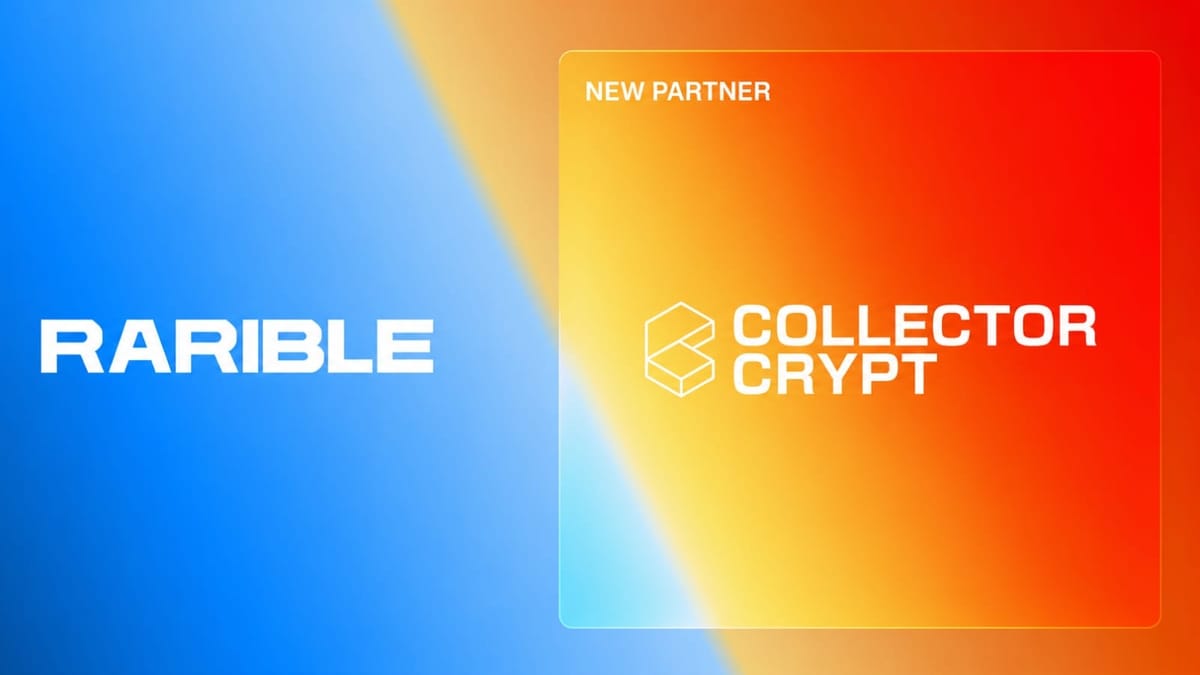
The intersection of physical ownership and digital ledger technology has reached a significant milestone as Rarible, a leading multi-chain NFT marketplace, announces a strategic partnership with Collector Crypt. This collaboration aims to streamline the integration of physical collectibles into the onchain economy, effectively addressing long-standing logistical hurdles in the multi-billion-dollar hobbyist market. By leveraging blockchain-based tokenization, the partnership seeks to transform how high-value items—ranging from rare sports cards to historical artifacts—are authenticated, traded, and vaulted.
The Problem: Friction in the Physical Collectibles Market
For decades, the collectibles market has operated on a foundation of physical reliance. Whether dealing with PSA-graded baseball cards, rare comic books, or vintage timepieces, the process of transferring ownership has remained stubbornly analog. A transaction typically necessitates physical shipping, third-party authentication services, escrow, and the inherent risk of damage or fraud during transit. These logistical barriers often sequester high-value assets in static vaults, effectively removing them from market liquidity.
Collector Crypt was established to mitigate these inefficiencies by creating a "digital twin" for physical assets. By securing the physical item in a verified, professional storage facility and minting a corresponding non-fungible token (NFT) on the blockchain, the platform allows owners to trade the digital representation of their asset instantly. This shifts the point of trust from the physical item’s immediate presence to the immutable, transparent record provided by the blockchain. Under this model, the underlying asset remains safely stored, while the ownership—verified through provenance—moves at the speed of internet commerce.
Strategic Synergy: Why Rarible and Collector Crypt Align
Rarible, known for its focus on multi-chain interoperability and decentralized marketplace infrastructure, views this partnership as a foundational element of its broader evolution. The integration provides Collector Crypt with access to a massive, global pool of digital-native collectors, while Rarible gains a robust pipeline of tokenized real-world assets (RWAs).
Industry analysts observe that the convergence of physical and digital markets is a growing trend. According to recent market intelligence reports, the global collectibles market is projected to grow significantly as younger demographics prioritize digital verification and fractional ownership. By integrating Collector Crypt’s verification framework, Rarible is positioning itself to capture this demographic, offering a unified interface where users can acquire, trade, and eventually manage the physical delivery of their holdings.
A Chronology of Integration and Future Roadmap
The partnership marks the culmination of months of behind-the-scenes development aimed at stabilizing the connection between physical asset management and onchain smart contracts.
- Q1 2026: Initial discussions began regarding the scalability of RWA tokenization, focusing on security standards for professional vaulting and the verification of physical provenance.
- May 2026: Technical integration began between Rarible’s marketplace architecture and Collector Crypt’s asset-tracking API, ensuring that metadata from the physical item could be accurately reflected in the NFT’s onchain properties.
- June 2026: The official announcement of the partnership, coinciding with the launch of the first batch of tokenized collectibles available on the Rarible platform.
- Late 2026 and Beyond: Future milestones include the expansion of supported asset classes, the introduction of community-governed verification protocols, and potential features for "physical redemption," where a token holder can choose to burn their NFT to receive the physical asset via insured shipment.
Data-Driven Market Implications
The broader implication of this partnership rests on the concept of "liquidity for the illiquid." In traditional markets, the bid-ask spread for physical collectibles is often wide due to the difficulty of finding buyers for specific, niche items. By tokenizing these assets, the market can support more frequent trading, price discovery, and even fractionalization.
Data from the NFT sector indicates that projects incorporating tangible utility—items that represent something beyond a digital image—have demonstrated higher resilience during market volatility. As Rarible moves to make these items easier to discover, the platform is effectively lowering the barrier to entry for institutional and retail investors who may be skeptical of pure-digital assets but familiar with the intrinsic value of rare physical goods.
Official Perspectives and Industry Reception
While specific financial terms of the partnership have not been disclosed, representatives from both organizations have framed the initiative as a shift toward the "hybridization" of commerce.
"We are moving toward a future where the distinction between physical and digital is increasingly blurred," a spokesperson for the initiative noted. "By bringing real-world collectibles onto the blockchain, we are not replacing the physical item; we are liberating it from the constraints of geography and physical storage. This is about provenance, culture, and ownership that travels with the asset, regardless of where the physical object is currently housed."
Market observers have noted that this move aligns with Rarible’s pivot toward a more infrastructure-heavy business model. By providing the tools for other platforms to plug into their marketplace, Rarible is signaling a transition from a consumer-facing storefront to a backend utility provider for the growing RWA sector.

Broader Impact: The Next Chapter for Collecting
The implications of this partnership extend beyond the immediate convenience of trading cards and collectibles. If successfully implemented at scale, the Rarible-Collector Crypt model provides a template for the tokenization of a wider array of high-value goods, such as real estate, fine art, and luxury goods.
This model relies on three pillars:
- Professional Vaulting: Ensuring the physical security of the asset.
- Immutable Provenance: Using the blockchain to provide a verifiable history of ownership and condition.
- Marketplace Interoperability: Enabling the instant transfer of assets without the need for manual reconciliation.
As Rarible continues to evolve its platform, the emphasis remains on accessibility. The current user interface is being optimized to guide collectors through the nuances of RWA trading, bridging the gap between those accustomed to traditional eBay-style auctions and those comfortable with decentralized wallet interaction.
Conclusion: A Connected Future
The partnership between Rarible and Collector Crypt is a definitive step toward the integration of physical and digital economies. By solving the logistics of trust and verification, the two companies are addressing the core challenges that have historically prevented the collectibles market from achieving its full potential.
As the technology matures, the success of this collaboration will likely be measured by the volume of assets successfully tokenized and the secondary market activity generated by these items. For the collecting community, the message is clear: the future of ownership is not binary. It is a synthesis of the tangible history of physical objects and the transparent, liquid speed of the digital blockchain. Rarible, by anchoring its platform in this reality, is setting the stage for a new generation of collectors who demand both the security of a vault and the mobility of the internet. As both companies continue to iterate, the industry will be watching closely to see how this hybrid model scales to meet the demands of a global, increasingly onchain audience.