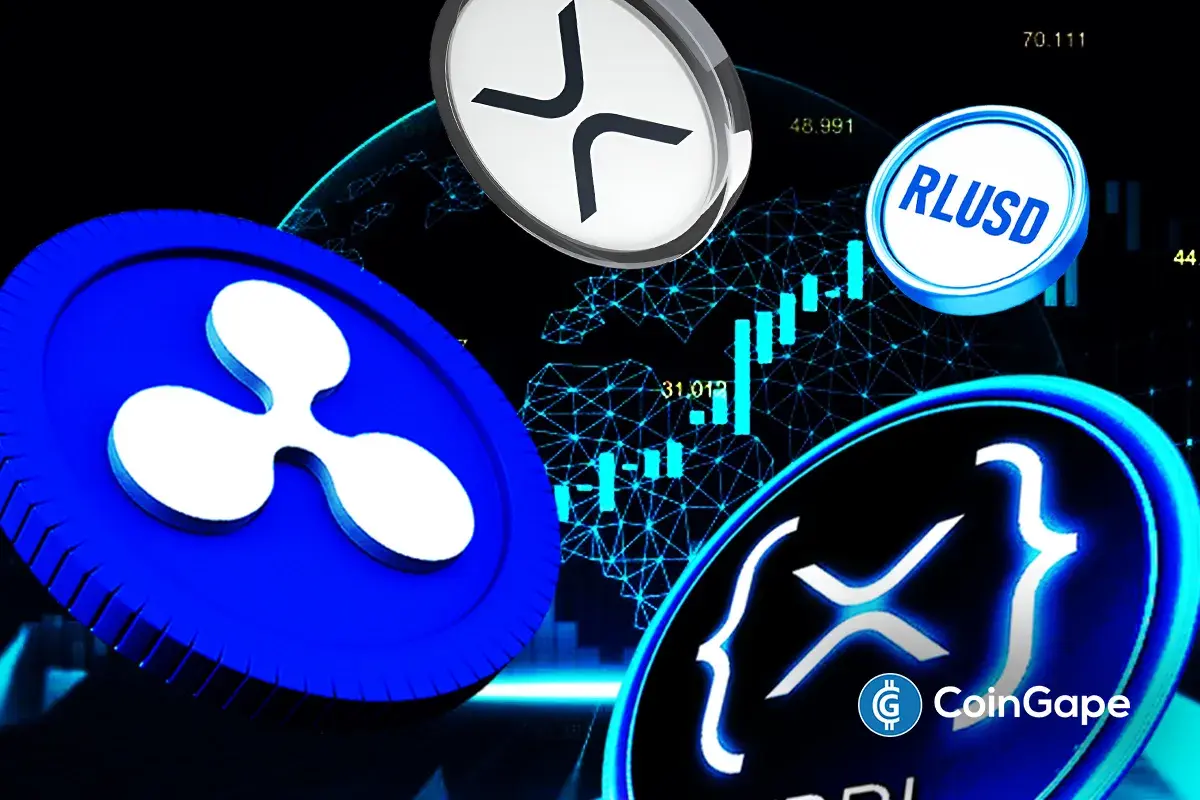
The Ripple ecosystem has reached a significant inflection point as the company executed its scheduled monthly release of 1 billion XRP tokens from its escrow accounts on November 1, 2024. This recurring event, which is designed to provide supply predictability, has occurred against a backdrop of intense market debate regarding the relationship between the native XRP token and Ripple’s newly introduced stablecoin, RLUSD. As market participants scrutinize the impact of these monthly releases on price volatility, Ripple leadership has moved to clarify that the adoption of RLUSD is not a replacement for XRP, but rather a catalyst for its increased utility and demand.
The November Escrow Mechanics: A Deep Dive into Token Distribution
The mechanics of the November release followed the established protocol Ripple has maintained since December 2017. According to data provided by blockchain monitoring service Whale Alert, the 1 billion XRP tokens were unlocked in two distinct tranches of 500 million tokens each. At the time of the transaction, the combined value of these assets was approximately $626.43 million, a figure that highlights the significant liquidity Ripple manages within its ecosystem.
The core purpose of these escrowed tokens is to ensure that Ripple maintains a transparent, predictable supply of XRP available for institutional sales, ecosystem development, and liquidity support. However, it is a common misconception that the entirety of these unlocked tokens enters the open market. Historically, Ripple has demonstrated a consistent pattern of relocking a substantial majority of these funds. In the immediate aftermath of the November 1 release, blockchain data confirmed that 700 million XRP tokens—representing 70% of the month’s total unlock—were promptly returned to new escrow contracts. This behavior serves as a vital signal to market participants that Ripple remains committed to supply discipline, aiming to mitigate concerns regarding potential market saturation and excessive sell-side pressure.
Strategic Synergy: How RLUSD Bolsters the XRP Ledger
The ongoing discourse surrounding the potential "cannibalization" of XRP by the Ripple USD (RLUSD) stablecoin has been firmly addressed by Jack McDonald, Ripple’s Senior Vice President of Stablecoins. In recent public statements, McDonald emphasized that the two assets operate within a symbiotic relationship rather than a competitive one. The fundamental design of the XRP Ledger (XRPL) necessitates that XRP serves as the "gas" token for all operations conducted on the network.
"Every single time we mint or use RLUSD on the XRP Ledger, it is positive for XRP," McDonald stated, directly addressing the fears of investors who worry that the focus on stablecoins might dilute the importance of the native asset. Because the XRPL requires XRP to process transactions, pay for network fees, and execute smart contracts, every RLUSD-denominated transaction inevitably increases the demand for XRP. This creates a recursive benefit: as the volume of stablecoin transactions grows—driven by institutional adoption—the utility and transaction frequency of XRP must increase in tandem.
McDonald further highlighted that RLUSD is experiencing higher functional utility on the XRPL compared to its deployment on other chains, such as Ethereum. This distinction is vital, as it positions the XRPL as the primary hub for regulated, compliant stablecoin activity. By leveraging the speed and low cost of the XRP Ledger, RLUSD provides a framework that is increasingly attractive to traditional financial institutions that require regulatory clarity and high-performance throughput.
Institutional Adoption and Regulatory Milestones
The momentum behind RLUSD is not merely speculative; it is bolstered by significant institutional engagement. Ripple has been actively pursuing a bank charter through the Office of the Comptroller of the Currency (OCC), a move that would solidify its position as a legitimate player in the regulated financial sector. Furthermore, the receipt of an investment-grade rating from Moody’s for RLUSD has served as a stamp of approval for institutional investors who operate under strict risk-management mandates.
McDonald specifically referenced ongoing dialogues with major financial entities, including BNY Mellon and Cross River Bank. These institutions are exploring how the intersection of stablecoin liquidity and the XRP Ledger can optimize cross-border payments, treasury management, and settlement processes. By bridging the gap between legacy banking infrastructure and decentralized finance (DeFi), Ripple is positioning RLUSD as a critical layer in the modern financial stack, with XRP acting as the underlying engine that powers the ecosystem.
Chronology of the 2024 Ecosystem Expansion
The recent escrow unlock takes place following a highly active period for Ripple and the broader XRPL community. October 2024 served as a watershed month, characterized by major industry gatherings and product milestones that have set the stage for current developments:
- Early October: Ripple hosted its annual Swell conference, which focused on the intersection of institutional finance and blockchain technology. The event served as a platform for announcing key partnerships and technological upgrades to the XRPL.
- Mid-October: The XRP Seoul event highlighted the growing interest in the Asian markets, particularly regarding the integration of XRP into regional payment corridors.
- Late October: Increased community engagement and developer activity were reported, with a focus on improving the scalability of the XRPL to accommodate higher transaction volumes expected from RLUSD adoption.
- November 1: The scheduled release of 1 billion XRP from escrow, followed by the subsequent relocking of 700 million tokens, reinforcing Ripple’s commitment to transparency and supply management.
Market Analysis: Implications for XRP Price and Liquidity
From a market perspective, the consistent relocking of the majority of escrowed tokens is a stabilizing force. When Ripple chooses to return 700 million tokens to escrow, it effectively reduces the circulating supply compared to the worst-case "sell-off" scenarios feared by retail investors. This strategy is essential for maintaining investor confidence, especially during periods of market volatility.
The broader implication of the RLUSD integration is a shift in the XRP value proposition. While XRP has historically been viewed as a bridge currency for cross-border settlements, the addition of a native stablecoin allows the XRPL to function as a full-service financial ecosystem. Investors should view the growth of RLUSD as a leading indicator of network activity. If the stablecoin succeeds in capturing market share from legacy providers like USDT or USDC within the institutional space, the resultant increase in transaction fees will create a steady, programmatic demand for XRP.
Furthermore, the emphasis on regulatory compliance through the OCC and credit-rating agencies suggests that Ripple is targeting the "Tier 1" financial sector. This is a departure from earlier crypto-native strategies and aligns with the long-term goal of making XRP a fundamental component of global finance. As more institutions onboard to the XRPL to utilize RLUSD, the requirement for liquidity in XRP will increase, potentially creating a floor for the token’s valuation based on real-world utility rather than pure speculation.
Challenges and Future Outlook
Despite the optimistic outlook, challenges remain. The cryptocurrency market is notoriously sensitive to regulatory shifts, and Ripple’s ongoing interactions with global regulators continue to be a focal point for institutional participants. Additionally, the competition in the stablecoin market is fierce, with entrenched incumbents holding significant market share.
However, the specific utility of the XRPL—characterized by its sub-three-second settlement times and extremely low transaction costs—remains a unique competitive advantage. By tethering the adoption of RLUSD to the native gas requirements of the network, Ripple has created a self-reinforcing ecosystem. As the company continues to navigate the complexities of its escrow management and stablecoin deployment, the focus for observers will remain on the volume of RLUSD transactions and the corresponding increase in network fee consumption.
In conclusion, the November 1 escrow unlock is less about the immediate release of capital and more about the structured, long-term evolution of the Ripple network. Through the strategic use of RLUSD, Ripple is attempting to synthesize the benefits of decentralized technology with the demands of institutional finance. By ensuring that XRP remains the indispensable fuel for this new, stablecoin-driven infrastructure, Ripple is betting on a future where the utility of the token is directly tied to the growth of the global digital economy. As the year draws to a close, the market will continue to watch these developments closely, weighing the impact of supply releases against the growing demand generated by an increasingly active and institutionalized XRP Ledger.