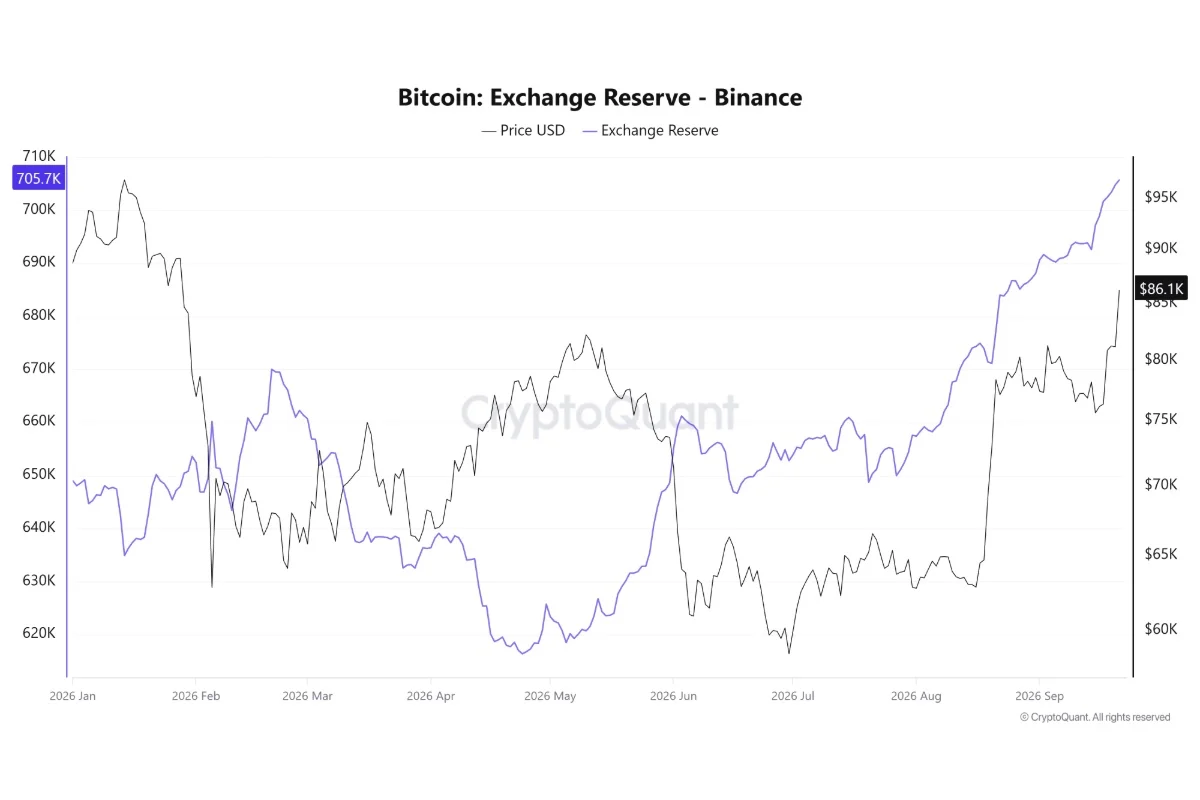
Bitcoin recently achieved a significant milestone by breaching the 86,000 USD threshold, marking a robust recovery from previous summer lows and reflecting a renewed wave of institutional confidence. This upward trajectory has been fueled by a confluence of macroeconomic developments, notably the U.S. Federal Reserve’s recent monetary policy adjustments, alongside progressive legislative efforts such as the Clarity Act. As digital assets continue to integrate into traditional financial systems, market participants are closely monitoring exchange flows, derivatives positioning, and evolving regulatory frameworks to gauge the sustainability of this current bull run.
The recent price action demonstrates a pronounced shift in market sentiment compared to the quieter summer months. Following a series of regulatory updates and macroeconomic announcements, Bitcoin climbed steadily, touching key resistance levels and prompting increased engagement from both retail and institutional investors. Market analysts attribute this momentum to a combination of sustained spot ETF inflows and strategic corporate treasury allocations, which have collectively reinforced the asset’s floor price.
Macroeconomic Tailwinds and Federal Reserve Policy Shifts
The broader financial landscape has played a pivotal role in shaping Bitcoin’s recent performance. The U.S. Federal Reserve’s decision to implement a 25-basis-point interest rate cut earlier in September injected fresh liquidity into global markets, driving investors toward risk-on assets, including cryptocurrencies. Central bank policy easing has historically correlated with favorable conditions for digital assets, as lower borrowing costs diminish the appeal of traditional fixed-income investments and encourage capital migration toward alternative stores of value.
Simultaneously, the regulatory environment in the United States has shown signs of constructive maturation. Legislative proposals aimed at clarifying jurisdiction between the Securities and Exchange Commission (SEC) and the Commodity Futures Trading Commission (CFTC) have provided much-needed regulatory certainty. This legislative clarity has alleviated long-standing concerns regarding regulatory overreach, enabling institutional investors to allocate capital with greater confidence. Analysts note that as compliance frameworks become more transparent, institutional participation is shifting from speculative trading to long-term portfolio integration.
Chronology of the Market Recovery
The pathway to the 86,000 USD milestone was marked by steady, incremental gains rather than parabolic spikes, suggesting a fundamentally healthier market structure than seen in previous cycles.
In early September, spot Bitcoin ETFs experienced fluctuating net flows, characterized by intermittent outflows and moderate inflows. However, institutional appetite stabilized as macroeconomic data confirmed cooling inflation pressures and steady labor market conditions. By mid-September, cumulative net inflows into major spot ETFs rebounded significantly, offsetting earlier selling pressure and providing a reliable structural floor for the asset.
Corporate treasuries and institutional funds also stepped up accumulation during this period. Notable corporate entities continued to add to their digital asset reserves, reinforcing the narrative that Bitcoin is increasingly viewed as a viable corporate treasury asset. This steady accumulation by institutional entities helped absorb localized selling pressure from short-term traders, allowing the market to maintain its upward trajectory.
Exchange Dynamics and On-Chain Metrics
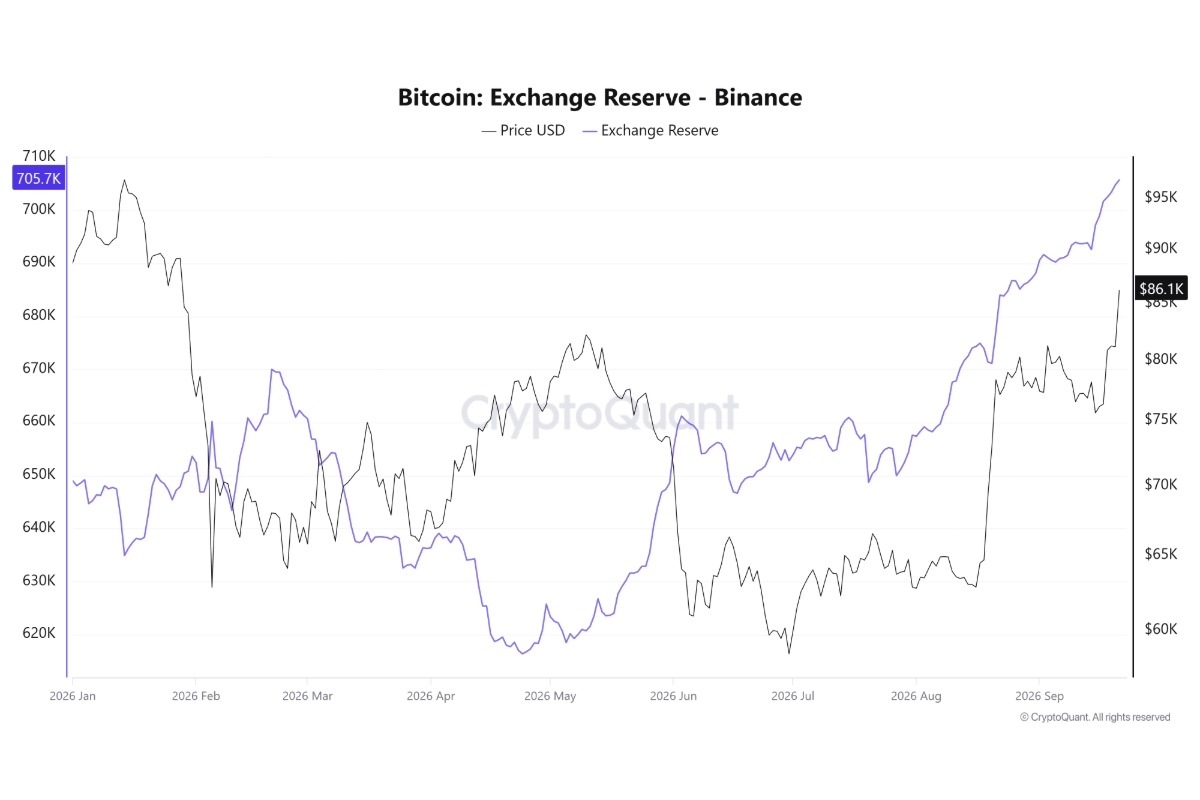
On-chain data from analytical platforms such as CryptoQuant reveals critical insights into current exchange behavior and whale activity. Reserves across major exchanges, including Binance, have exhibited notable shifts. While historical bull markets often see a surge in exchange inflows—typically signaling an intent to sell—recent data indicates a more nuanced dynamic.
The Exchange Whale Ratio, which tracks the relative volume of large transactions compared to overall exchange inflows, has remained relatively subdued. While historical peaks have seen this metric push toward higher thresholds during periods of extreme volatility, recent readings suggest that large holders are currently favoring accumulation and cold storage over immediate liquidation. Furthermore, exchange outflow volumes have consistently outpaced inflows, pointing to a continued withdrawal of coins into private custody solutions. This behavior reinforces the thesis that available liquid supply on exchanges is tightening, creating a favorable supply-demand imbalance that supports higher price valuations.
Market Implications and Future Outlook
The breach of the 86,000 USD level has prompted market participants to reassess price targets for the remainder of the year. While technical indicators point toward sustained bullish momentum, analysts emphasize the importance of monitoring macroeconomic indicators, particularly forthcoming U.S. employment reports and consumer price index data. Any unexpected shift in inflation or monetary policy could introduce short-term volatility.
Nevertheless, the structural maturation of the cryptocurrency market is evident. The interplay between spot ETF inflows, corporate adoption, and regulatory harmonization has created a resilient ecosystem capable of absorbing macroeconomic shocks. As digital assets become increasingly entrenched in global financial portfolios, market observers will continue to track institutional participation, liquidity flows, and regulatory developments to understand the long-term trajectory of the world’s leading cryptocurrency.