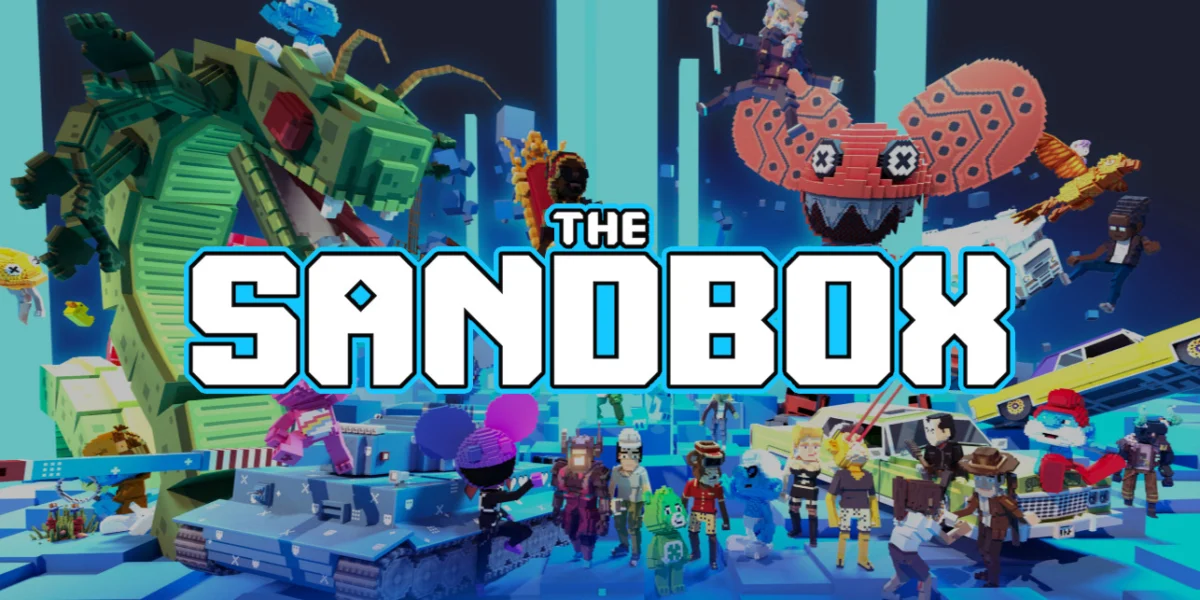
The evolution of virtual worlds and blockchain-based gaming has experienced a paradigm shift over recent years, moving from simple pixelated environments to complex, immersive 3D metaverses. At the forefront of this digital transformation is The Sandbox, a decentralized virtual gaming platform powered by the Ethereum blockchain. By leveraging non-fungible tokens (NFTs), virtual real estate ownership, and high-profile global intellectual property (IP) partnerships, The Sandbox has cemented its position as a dominant force in the Web3 ecosystem. This comprehensive report examines the platform’s recent growth, strategic IP integrations, land sale mechanics, token economics under the native asset SAND, and the broader implications for the future of digital entertainment.

The Rise of The Sandbox and Decentralized Virtual Worlds
The Sandbox has transitioned from a traditional mobile gaming franchise into a leading user-generated content (UGC) metaverse. Unlike conventional video games where developers retain absolute control over digital assets and in-game economies, The Sandbox empowers players, creators, and brands through true digital ownership. Utilizing blockchain technology, the platform allows users to create, own, and monetize their gaming experiences, virtual assets, and real estate plots using NFTs.
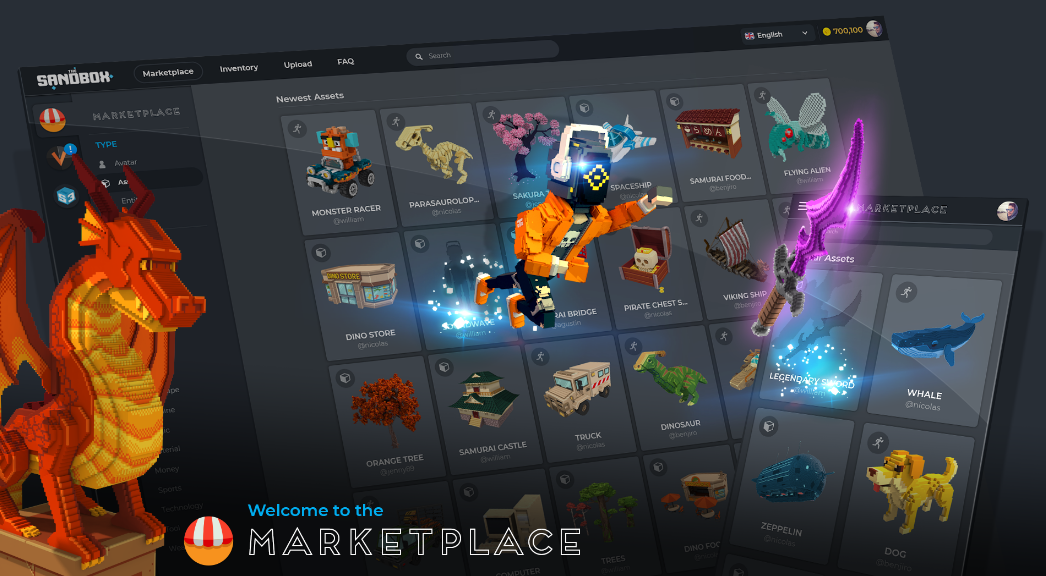
The foundational architecture of the platform relies on three key components: VoxEdit, a 3D modeling and animation software that allows users to create voxel-based objects; the Marketplace, where creators can publish and trade their NFT creations; and the Game Maker, a visual scripting tool that enables anyone to build 3D interactive games without prior coding knowledge. This trifecta of creation tools has attracted a diverse community of independent creators, major corporations, and global entertainment franchises eager to establish a permanent presence in the virtual space.
Strategic IP Integrations and Brand Partnerships
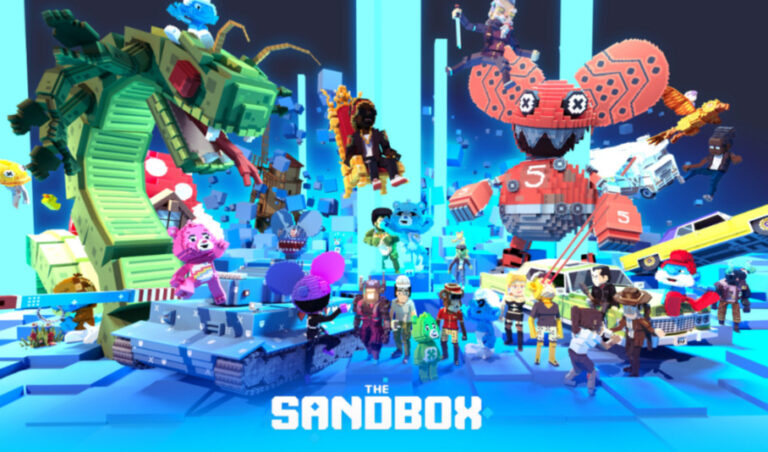
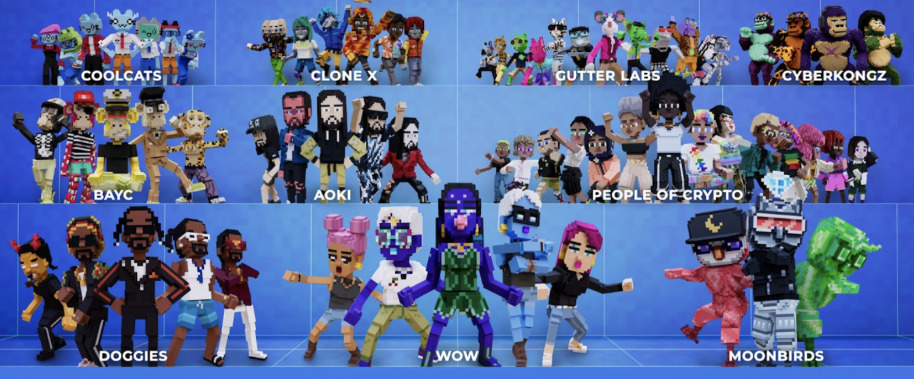
One of the primary catalysts for The Sandbox’s rapid expansion is its aggressive acquisition of major intellectual properties. The platform has successfully bridged the gap between traditional entertainment (Web2) and the metaverse (Web3) by onboarding over 400 prominent global partners across fashion, music, cinema, gaming, and sports.
Recent high-profile collaborations include partnerships with major entertainment studios, iconic music artists, celebrity icons, and motorsport organizations, such as Formula 1-affiliated virtual experiences. These entities utilize virtual LAND parcels to build themed entertainment hubs, virtual museums, interactive concert venues, and gamified brand experiences. By integrating globally recognized IPs, The Sandbox not only drives organic user acquisition but also elevates the credibility and mainstream appeal of blockchain-based gaming.
Land Sales, Virtual Real Estate, and Scarcity Mechanics
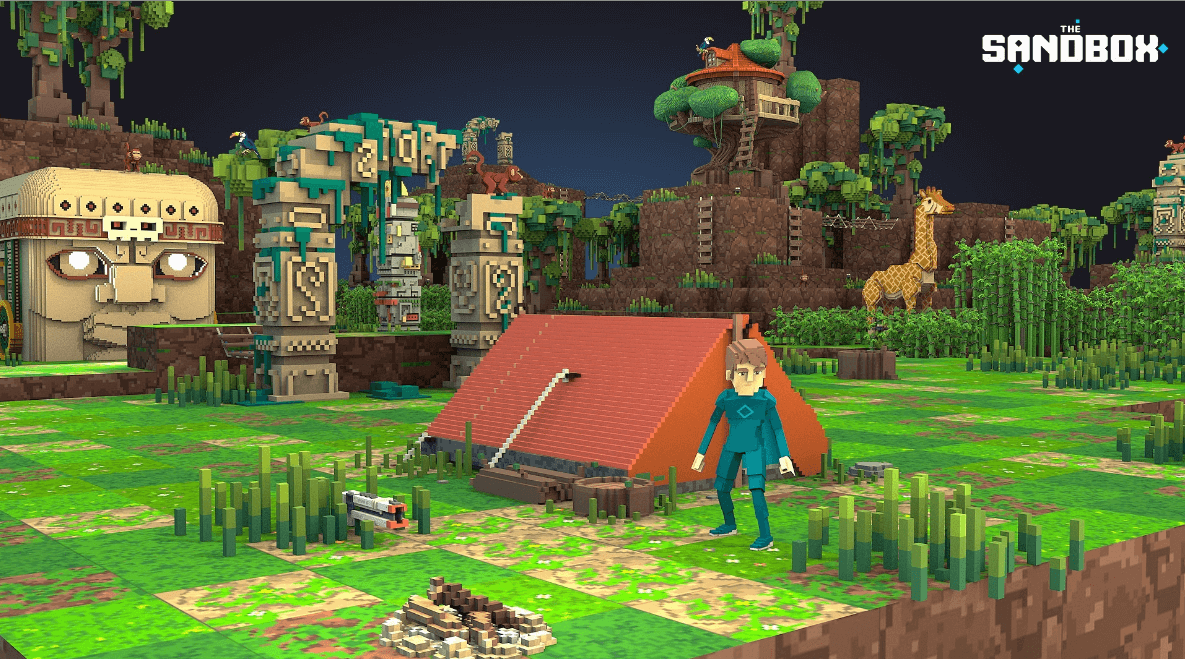
At the heart of The Sandbox’s economy is LAND, the digital real estate parcels within the metaverse represented as unique ERC-721 tokens on the Ethereum blockchain. There is a strict, finite supply of 166,464 LAND plots globally, creating a scarcity model that drives long-term value for investors and creators.
Land sales are typically conducted in sequential waves or public auctions. Owning LAND allows creators to populate their virtual plots with games, assets, and interactive experiences. Furthermore, landowners can monetize their properties by hosting events, charging entry fees for custom games, renting out plots to other creators, or selling them on secondary markets such as OpenSea. The interplay between limited supply and escalating demand from global brands has historically positioned LAND as a premier asset class within the blockchain gaming sector.
Chronology of Expansion and Ecosystem Milestones
The trajectory of The Sandbox has been marked by steady operational development and strategic milestones since its acquisition and pivot toward blockchain technology:
- Late 2021: The platform successfully completed a significant funding round, raising $93 million led by SoftBank Vision Fund 2, signaling major institutional confidence in the metaverse model.
- 2022: The expansion of alpha testing phases allowed thousands of community members to experience early versions of the metaverse, accompanied by continuous LAND sale events featuring international brands.
- 2023: Deepening integration of major IP holders, refinement of creator monetization tools, and enhanced cross-platform capabilities. Leadership, including Co-Founder Sebastien Borget, outlined regulatory compliance frameworks and plans for decentralized autonomous organization (DAO) governance.
- 2024 and Beyond: Continued transition toward user-generated governance, rollout of advanced mobile accessibility, and scaling infrastructure to support millions of concurrent users.
Leadership Insights and Governance Vision
In statements addressing the future of virtual economies, Co-Founder Sebastien Borget has emphasized the importance of regulatory compliance, user safety, and sustainable tokenomics. As regulatory scrutiny increases globally across the cryptocurrency sector, platforms like The Sandbox are proactively engaging with legal frameworks to ensure long-term viability.
Borget and the core development team have consistently underscored that the transition from closed Web2 gaming ecosystems to open Web3 metaverses requires robust security measures, intuitive user onboarding, and verifiable digital property rights. By empowering creators with direct ownership of their revenues—often retaining up to 95% or more of primary and secondary sales—The Sandbox distinguishes itself from traditional gaming platforms that traditionally capture the vast majority of developer revenues.
Token Economics: The Role of SAND
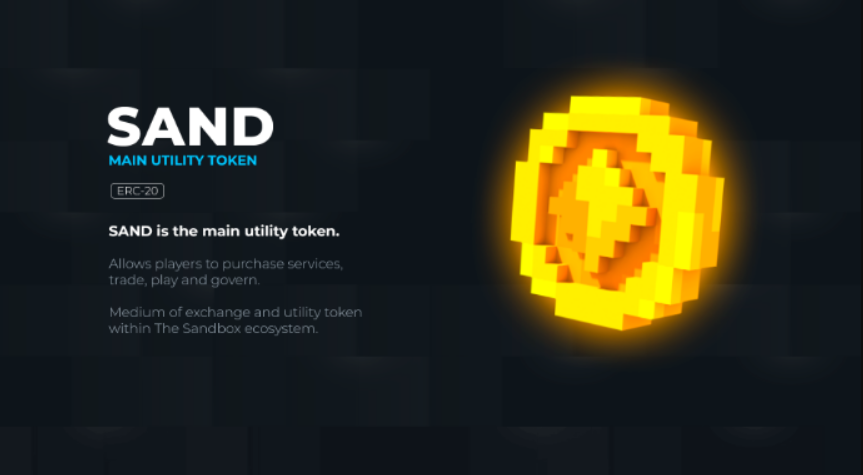
The utility token of the ecosystem, SAND, serves as the economic backbone for all transactions and interactions within The Sandbox. Built on the Ethereum blockchain, SAND is required for participating in governance, acquiring LAND and ASSETS, staking for passive rewards, and paying transaction fees on the marketplace.
The tokenomics of SAND are designed to encourage long-term holding and platform engagement. Users can stake SAND to earn passive yields, participate in platform governance votes, and gain priority access to exclusive NFT drops and land sales. The deflationary mechanics, driven by platform utility and transaction volume, establish a direct correlation between the growth of the metaverse and the demand for the native token. Major cryptocurrency exchanges, including Coincheck and Bybit, provide robust liquidity and trading pairs for SAND, facilitating global participation from retail and institutional investors alike.
Market Implications and Future Outlook
The convergence of gaming, blockchain technology, and mainstream intellectual property represents a fundamental shift in how digital content is consumed and monetized. While market volatility and regulatory developments continue to shape the broader crypto industry, platforms that demonstrate real utility, sustained user engagement, and strong corporate partnerships are uniquely positioned to weather market cycles.
The Sandbox’s ability to attract top-tier brands while simultaneously fostering a grassroots community of independent voxel artists highlights the versatility of its ecosystem. As the infrastructure of the metaverse matures, the integration of advanced artificial intelligence tools, improved rendering engines, and cross-chain interoperability will likely dictate the next wave of adoption.
In summary, The Sandbox continues to redefine the boundaries of digital real estate and virtual entertainment. Through strategic IP integration, robust token economics, and a commitment to decentralized ownership, the platform offers a compelling glimpse into the future of the internet—where digital spaces are built, owned, and governed by the community itself.