Decentralized Autonomous Organizations, commonly referred to as DAOs, represent a fundamental shift in how digital communities and organizations govern themselves in the era of Web3. Unlike traditional corporate structures that rely on top-down hierarchies and centralized decision-making, DAOs leverage blockchain technology and smart contracts to facilitate a flat, transparent, and automated management model. As the digital economy expands, the rise of DAOs has sparked significant debate regarding their legal standing, operational efficiency, and long-term potential to replace conventional business frameworks.
The Genesis and Definition of DAOs
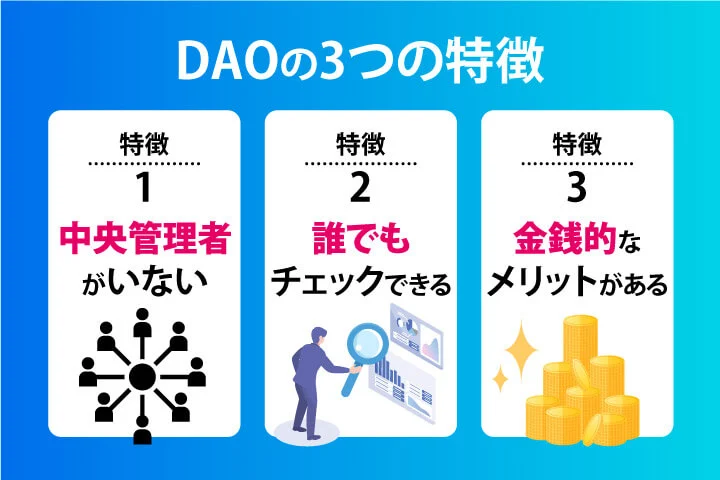
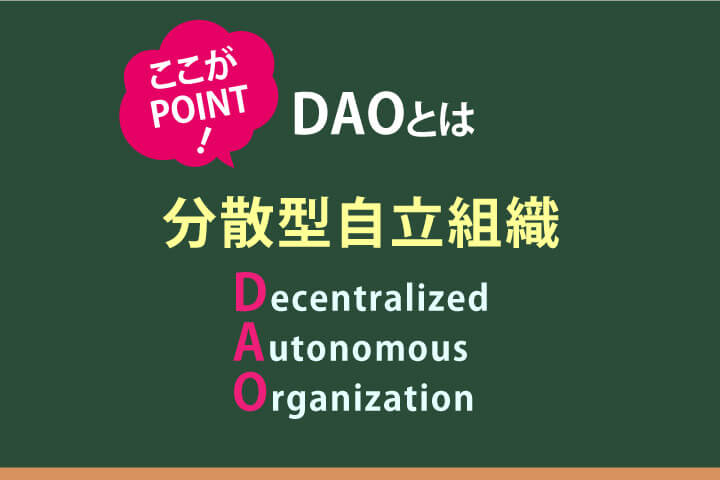
At its core, a Decentralized Autonomous Organization is an entity represented by rules encoded as a computer program. These rules are transparent, controlled by the organization members, and not influenced by a central government or corporate board. The term "decentralized" implies the absence of a central authority, while "autonomous" refers to the self-executing nature of smart contracts. "Organization" denotes the collective effort of individuals working toward a common goal, often facilitated by tokenized incentives.
The conceptual origins of DAOs can be traced back to the inception of Bitcoin. By removing the need for a central bank, Bitcoin demonstrated that a decentralized network could reach consensus on a ledger of transactions. Ethereum later expanded this capability with the introduction of smart contracts—self-executing code that automatically carries out actions when predefined conditions are met. This technological leap allowed for the creation of complex organizational structures that operate without human intermediaries, marking a departure from the traditional administrative hurdles faced by legacy institutions.

Operational Mechanics and Governance
The governance of a DAO is primarily conducted through tokens. Token holders possess voting rights, allowing them to influence the direction of the organization by proposing and voting on changes to the protocol or treasury allocations. This democratic, albeit sometimes chaotic, process ensures that the organization remains aligned with the interests of its community members.
When a proposal is submitted, it is put to a vote. If the predefined quorum is reached and the proposal passes, the smart contract automatically executes the necessary changes. This eliminates the "trust" component required in traditional organizations, where shareholders must rely on the integrity of a CEO or board of directors. Instead, the "trust" is placed in the underlying code, which is immutable and auditable by anyone with the technical expertise to review it.

Chronology and Evolutionary Milestones
The history of DAOs is marked by both innovation and significant setbacks. The most notable early event was "The DAO" in 2016, a project built on the Ethereum network that aimed to function as a decentralized venture capital fund. It raised over $150 million worth of ETH, a staggering sum at the time. However, a vulnerability in the smart contract code led to a massive exploit, resulting in the theft of approximately $50 million. This event forced the Ethereum community to implement a hard fork, leading to the creation of Ethereum Classic, and prompted a long period of reflection on the security and viability of decentralized governance.
Following the initial failures, the sector underwent a period of maturation. By 2020, the rise of Decentralized Finance (DeFi) provided the necessary utility for DAOs to flourish. Projects like MakerDAO and Compound Finance proved that decentralized governance could effectively manage large-scale financial protocols. Today, DAOs are no longer limited to finance; they have branched out into social clubs, investment collectives, media organizations, and even philanthropic efforts.
Supporting Data and Market Impact
As of late 2023, there are thousands of active DAOs managing tens of billions of dollars in combined treasury assets. According to industry tracking data, the concentration of assets is often centered around protocol-governance DAOs, which manage the development and treasury of major DeFi platforms.
- Treasury Management: Major DAOs now hold assets ranging from stablecoins to native governance tokens, providing them with the capital to fund developer grants, marketing initiatives, and security audits.
- Participation Rates: Despite the theoretical accessibility of governance, data indicates that voter participation remains a challenge. Many DAOs report voter turnout rates below 10%, highlighting a "voter apathy" problem that currently plagues the ecosystem.
- Security Audits: The cost of security is a critical factor. Leading DAOs now routinely spend millions of dollars on third-party security audits to prevent a repeat of the vulnerabilities seen in 2016.
The Challenges of Decentralized Governance
While the promise of DAOs is significant, the transition from traditional management to decentralized systems is fraught with difficulties. The most prominent challenge is the "tragedy of the commons" or, more specifically, the challenge of voter apathy. When a token holder has little financial incentive to participate in daily governance, the decision-making process can become susceptible to "whale" influence, where large holders dominate the agenda.
Furthermore, legal clarity remains a major hurdle. In most jurisdictions, DAOs do not have a formal legal status. This leaves individual members potentially liable for the actions of the organization. Regulators in the United States and the European Union are currently examining how to classify DAOs—whether as partnerships, corporations, or a new category of legal entity. Until a clear regulatory framework is established, institutional adoption of DAOs will likely remain constrained by risk-aversion.
Official Perspectives and Regulatory Outlook
Government bodies and financial regulators, including the U.S. Securities and Exchange Commission (SEC), have begun to signal that DAOs may fall under existing securities laws. If a DAO issues tokens that are deemed investment contracts, they may be subject to strict registration and disclosure requirements.

Proponents argue that strict regulation could stifle innovation and force developers to move their operations to more "crypto-friendly" jurisdictions. Conversely, many institutional investors maintain that they cannot participate in DAO governance until there is a clear legal path to protect their capital and ensure compliance with anti-money laundering (AML) and know-your-customer (KYC) regulations.
Broader Implications for the Future of Work
The emergence of DAOs has broader implications for the global labor market. DAOs allow individuals from across the globe to contribute to a project without the need for traditional employment contracts, visas, or geographical proximity. This "permissionless" nature of work is creating a new class of digital contributors who are rewarded based on their output rather than their tenure or location.

However, this flexibility comes at the cost of stability. Unlike a traditional corporation, which provides health benefits, retirement plans, and job security, a DAO is a fluid environment where the organization’s goals—and the funding for those goals—can change rapidly.
Conclusion: A Path Forward
The evolution of Decentralized Autonomous Organizations is still in its infancy. While the technology has proven capable of managing billions of dollars in assets, the human and legal elements of governance remain works in progress. The next phase of development for DAOs will likely involve the creation of "hybrid" models, where off-chain legal entities interface with on-chain smart contracts to provide the necessary protections for participants while maintaining the benefits of decentralized operation.

As the industry moves forward, the focus must shift from pure experimentation toward sustainable, secure, and inclusive governance models. If DAOs can successfully address the dual challenges of regulatory compliance and voter engagement, they possess the potential to fundamentally redefine the structure of the modern organization, making the digital economy more transparent, global, and equitable.