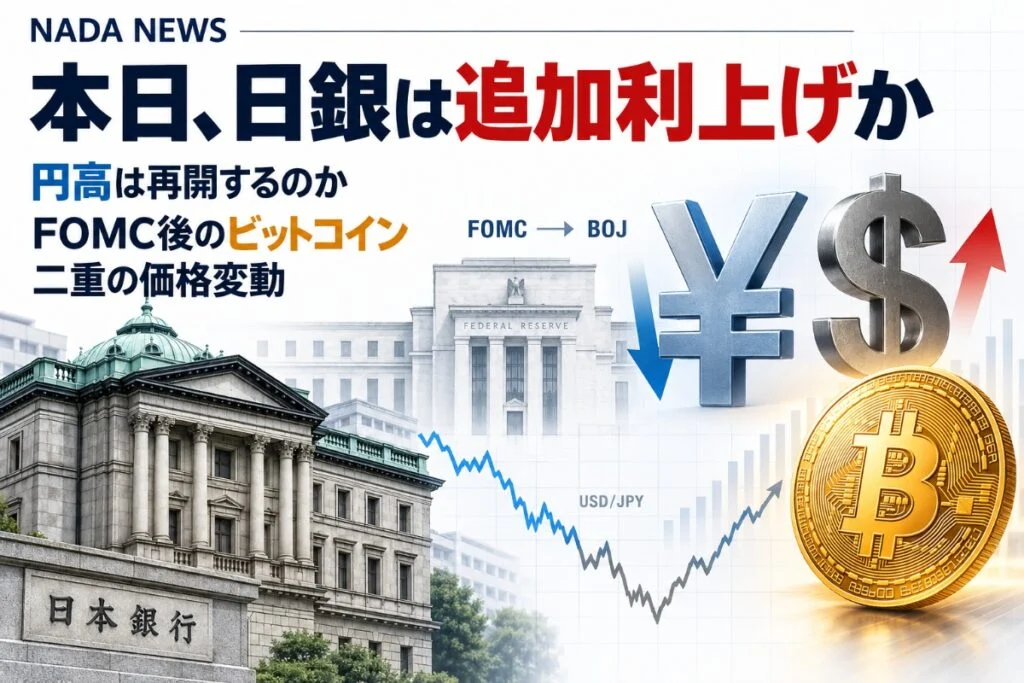
The intersection of central bank monetary policy, foreign exchange dynamics, and shifting political landscapes continues to dominate global financial discourse, forcing policymakers and investors alike to reevaluate traditional economic models. As central banks across developed economies navigate the delicate balance between curbing persistent inflationary pressures and supporting fragile domestic growth, Japan finds itself at a critical juncture. The Bank of Japan (BOJ) faces mounting scrutiny over its ongoing monetary normalization trajectory, particularly as it intersects with broader global macroeconomic shifts, including potential policy changes from the United States Federal Reserve and the unique challenges posed by domestic currency depreciation.
At the heart of the current debate is the trajectory of Japanese interest rates. Following decades of unconventional monetary easing characterized by negative interest rates and aggressive asset purchases, the BOJ has initiated a cautious shift toward tighter policy. However, the pace and magnitude of these adjustments remain a subject of intense debate among economists, financial analysts, and political figures. With inflation remaining above the central bank’s target and the Japanese yen experiencing periods of extreme volatility against major currencies, the pressure on the BOJ to accelerate its normalization path has intensified. Simultaneously, market participants are closely monitoring the broader implications for risk assets, including equities and cryptocurrencies, as global liquidity conditions tighten.
Macroeconomic Background and the BOJ Policy Pivot
The recent policy adjustments by the Bank of Japan mark a historic departure from the aggressive stimulus measures that defined the tenure of former Prime Minister Shinzo Abe’s economic policies, commonly known as "Abenomics." For years, the BOJ maintained an ultra-loose monetary stance, utilizing yield curve control and massive asset purchases to lift the Japanese economy out of deflationary stagnation. However, structural shifts in global supply chains, rising imported energy costs, and a depreciating yen have fundamentally altered the economic landscape.
In March, the BOJ took a monumental step by abandoning its negative interest rate policy, raising borrowing costs for the first time in 17 years. This was followed by subsequent deliberations on whether further rate hikes are necessary to stabilize the domestic currency and anchor inflation expectations. The central bank’s primary objective has shifted from fighting chronic deflation to preventing excessive currency depreciation, which disproportionately harms consumers by driving up the cost of imported food and energy.
Despite these policy changes, real interest rates in Japan remain deeply negative when adjusted for inflation. This divergence between domestic borrowing costs and those in other major economies, particularly the United States, has kept downward pressure on the yen, complicating the BOJ’s efforts to achieve sustainable, wage-led economic growth.
Chronology of Recent Monetary Policy Decisions
The evolution of Japanese monetary policy over the past year has been marked by several key milestones that reflect the central bank’s gradual exit from decades of extraordinary stimulus:
- Early Spring: The BOJ officially terminates its negative interest rate policy, lifting the unsecured overnight call rate to a range of 0.0% to 0.1%. This historic decision ends a policy framework that had been in place since 2016.
- Summer Meetings: As inflation metrics continue to print above the 2% target, discussions within the BOJ policy board center on the necessity of further normalization. Market expectations for additional rate hikes intensify as the yen hovers near historic lows against the U.S. dollar.
- Autumn Policy Shift: The central bank implements another incremental rate hike, pushing the policy rate higher while signaling that future adjustments will depend strictly on incoming economic data. This move triggers renewed volatility in bond markets and prompts a reassessment of corporate borrowing strategies.
- Recent Developments: Policymakers emphasize a data-dependent approach, balancing the risk of premature tightening against the danger of falling behind the curve as global central banks begin easing cycles.
Supporting Data and Foreign Exchange Dynamics
To fully understand the pressures facing the Bank of Japan, one must examine the broader macroeconomic data surrounding the Japanese yen and its relationship with the U.S. dollar. Foreign exchange markets have acted as a primary transmission channel for global economic shocks into the Japanese domestic economy.
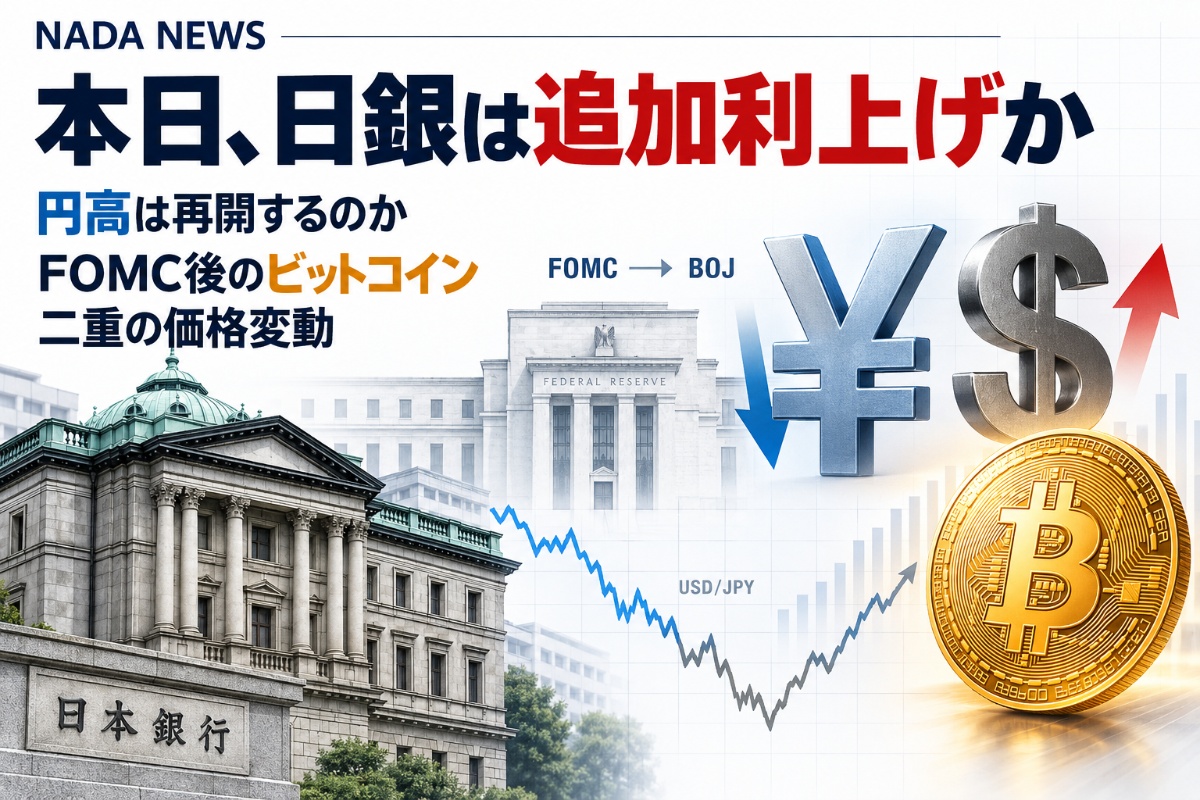
The depreciation of the yen has been exacerbated by the wide interest rate differential between Japan and the United States. While the Federal Reserve aggressively hiked rates to combat post-pandemic inflation, the BOJ maintained its accommodative stance for much longer. Even as the Fed signals potential rate cuts amid cooling U.S. labor markets, the lingering gap in borrowing costs continues to weigh on the Japanese currency.
Corporate Japan has expressed mixed reactions to a weaker yen. While export-oriented manufacturing giants benefit from higher overseas revenues when repatriated into yen, domestic-focused small and medium-sized enterprises (SMEs) struggle with surging import costs for raw materials and energy. This disparity has created a political imperative for policymakers to find a middle ground that supports the currency without choking off domestic consumption.
The Influence of U.S. Political and Monetary Shifts
Compounding the challenges facing Japanese monetary authorities is the unpredictable political and economic landscape in the United States. The potential return of Donald Trump to the White House has introduced a new layer of uncertainty into global financial markets. Administration proposals centered on protectionist trade policies, aggressive tariff structures, and fiscal expansion could reignite inflationary pressures in the U.S., potentially forcing the Federal Reserve to maintain higher-for-longer interest rates.
Such a scenario would likely keep the U.S. dollar strong, complicating the BOJ’s efforts to engineer a durable recovery for the yen. Financial markets are already pricing in the possibility of divergent monetary paths, where the BOJ attempts a slow, measured normalization while the Fed navigates its own domestic political pressures and economic indicators.
Furthermore, the intersection of traditional monetary policy with alternative asset classes, such as Bitcoin and digital currencies, has become an increasingly relevant topic for market analysts. As institutional adoption of crypto assets grows globally, Japanese investors are closely watching how regulatory changes and central bank liquidity trends impact risk appetite across both traditional and digital markets.
Broader Impact and Implications for the Japanese Economy
The ongoing debate over the BOJ’s policy path carries profound implications for various sectors of the Japanese economy:
- Consumer Impact: Households continue to bear the brunt of imported inflation. While nominal wages have shown signs of growth after decades of stagnation, real wages have often lagged behind price increases, constraining discretionary spending.
- Corporate Strategy: Corporations are being forced to adapt to a new paradigm where the cost of capital is no longer zero. Companies with strong balance sheets are better positioned to weather the transition, while heavily indebted firms face rising debt-servicing costs.
- Financial Sector: Regional banks and financial institutions are navigating the complexities of rising interest rates, which offer relief on net interest margins but introduce potential risks in fixed-income portfolios.
Ultimately, the question of whether the BOJ’s normalization path is adequate depends on a complex web of domestic wage growth, global commodity prices, and external monetary policy decisions. As the central bank moves forward, market participants will continue to scrutinize every policy statement and economic data release for clues about the future direction of Japanese monetary policy.