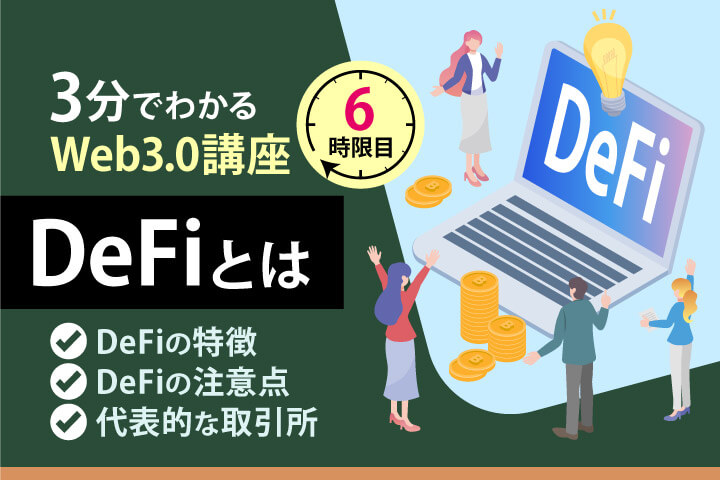
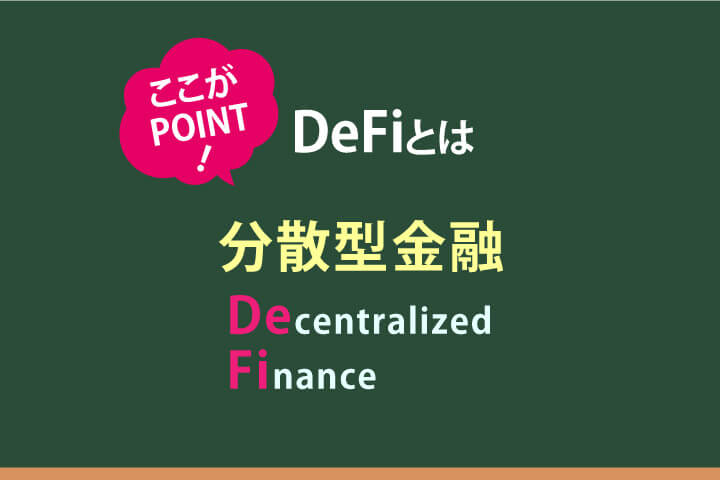
Decentralized Finance, widely referred to as DeFi, represents a paradigm shift in the global financial landscape, moving away from traditional centralized banking models toward a transparent, permissionless, and code-based ecosystem. At its core, DeFi leverages blockchain technology—primarily the Ethereum network and its smart contract capabilities—to facilitate financial transactions without the need for traditional intermediaries such as banks, brokerages, or clearinghouses. By utilizing automated protocols, DeFi seeks to democratize access to financial services, offering lending, borrowing, and trading capabilities to anyone with an internet connection and a digital wallet.
The emergence of DeFi is intrinsically linked to the broader evolution of Web3, a vision for a decentralized internet where users maintain sovereignty over their data and assets. While traditional finance (CeFi) relies on institutional trust and human oversight, DeFi operates through open-source code. This shift allows for 24/7 global operations, reducing the reliance on legacy banking hours and geographic restrictions. As the ecosystem matures, it is increasingly being integrated into various digital sectors, including GameFi and decentralized autonomous organizations (DAOs), creating a more interconnected and efficient digital economy.
The Fundamental Mechanics and Structural Differences: DeFi vs. CeFi

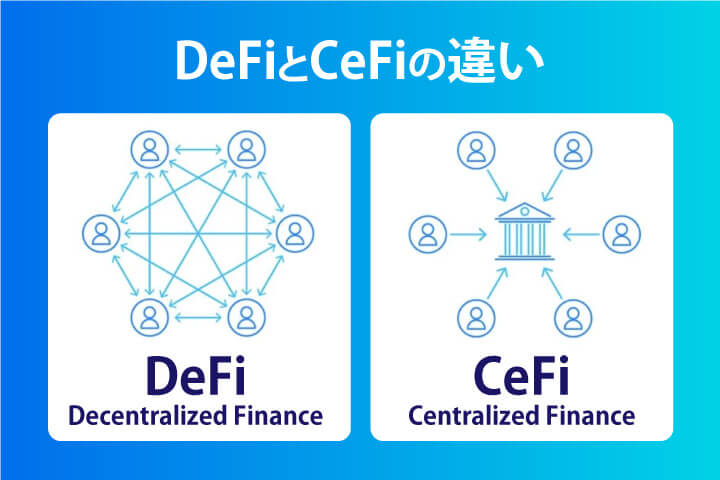
To understand the impact of DeFi, one must distinguish it from Centralized Finance (CeFi). In a CeFi environment, institutions act as custodians of assets, requiring users to undergo rigorous identity verification (KYC) and adhere to centralized control mechanisms. While this provides a layer of institutional security and legal recourse, it also creates single points of failure and restricts access for the unbanked or underbanked populations.
In contrast, DeFi protocols are governed by smart contracts—self-executing code that automatically enforces the terms of an agreement once specific conditions are met. This structural design removes the need for a middleman to authorize transactions. For instance, in a decentralized lending protocol, a user can deposit cryptocurrency as collateral and borrow another asset instantly, provided the smart contract’s liquidity requirements are met. This process is transparent, verifiable on the public blockchain, and immune to human bias or administrative delay.
Historical Context and the Rise of Decentralized Exchanges
The trajectory of the DeFi movement gained significant momentum around 2020, often referred to as "DeFi Summer." During this period, the introduction of yield farming and liquidity mining incentivized users to provide capital to decentralized platforms. Among the most critical innovations of this era were Decentralized Exchanges (DEXs), such as Uniswap, which revolutionized how digital assets are traded.
Unlike traditional exchanges that use order books managed by a central operator, DEXs employ Automated Market Makers (AMMs). AMMs utilize liquidity pools—large caches of tokens locked in smart contracts—to facilitate trades. This model ensures that as long as there is liquidity in the pool, users can swap assets at any time without needing a counterparty to match their order. This innovation significantly increased market efficiency and paved the way for more complex financial products, including derivatives, synthetic assets, and insurance protocols.
Key Benefits and Operational Advantages

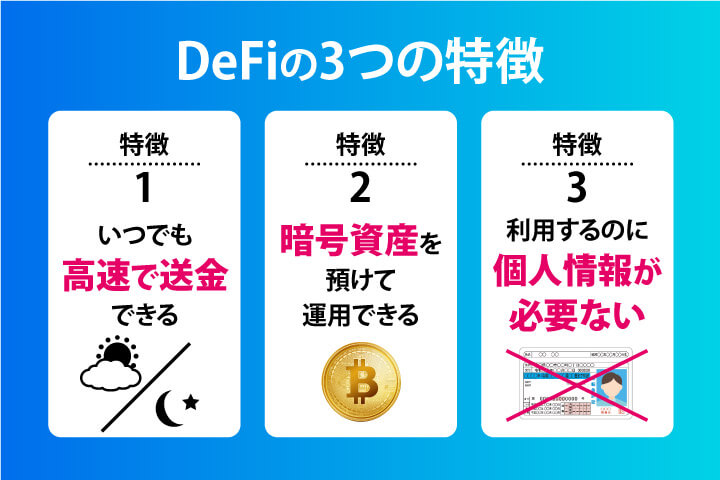
The primary appeal of DeFi lies in its efficiency and accessibility. Because these systems are automated, they can function continuously, providing users with the ability to manage their portfolios regardless of their location or time zone. Furthermore, the global nature of these protocols allows for the rapid deployment of capital. When a user interacts with a DeFi protocol, they are engaging with an global liquidity pool, which often results in more competitive pricing compared to isolated, centralized silos.
Another significant advantage is the transparency afforded by public ledgers. Every transaction, interest rate adjustment, and liquidity movement is recorded on the blockchain. While this does not eliminate risk, it provides users and auditors with real-time data to assess the health of a protocol. This level of visibility is unprecedented in traditional finance, where much of the underlying activity remains obscured within institutional balance sheets.
Challenges and Risk Factors in the DeFi Ecosystem
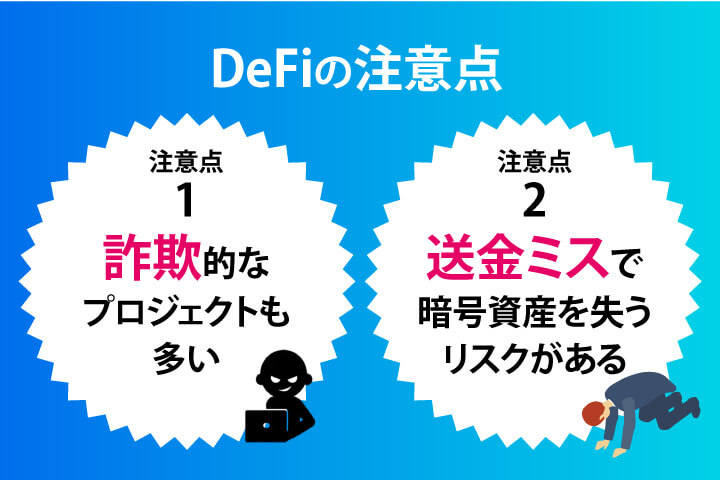
Despite its rapid growth, DeFi is not without significant risks. The reliance on smart contracts means that any vulnerability in the code can be exploited, leading to substantial losses. Unlike traditional bank accounts, which may be protected by deposit insurance, assets in DeFi protocols are generally non-custodial and carry the risk of total loss if a protocol is compromised.

Security audits are a standard practice in the industry, yet they do not guarantee immunity from sophisticated exploits. Furthermore, the volatility of underlying assets can lead to rapid liquidations for borrowers, especially in highly leveraged positions. Regulatory uncertainty remains another major hurdle; as governments worldwide grapple with how to classify and tax decentralized assets, developers and users face a shifting landscape of compliance requirements.
The Role of Liquidity and Total Value Locked (TVL)
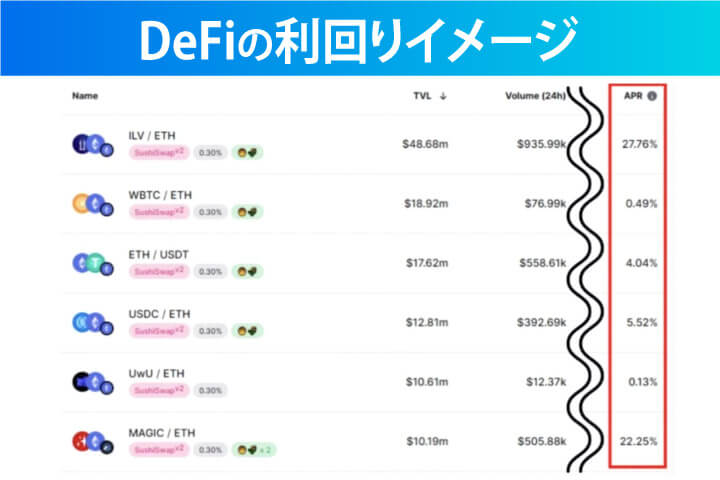
A primary metric for evaluating the success and stability of a DeFi project is Total Value Locked (TVL). TVL represents the aggregate sum of all assets currently deposited within a protocol’s smart contracts. A high TVL generally indicates a higher level of trust and utility, as it reflects the amount of capital that users are willing to entrust to the system.
However, users must exercise caution when interpreting these metrics. High TVL can sometimes be a result of aggressive token incentives that may not be sustainable over the long term. A robust protocol is one that demonstrates consistent volume, a diverse user base, and a clear utility beyond speculative yield generation. As the market continues to evolve, the focus is shifting toward "real yield"—returns generated from actual protocol activity and transaction fees rather than inflationary token emissions.

The Integration of DeFi into Gaming and Beyond
One of the most promising applications of DeFi is its integration into GameFi, where in-game assets are tokenized and can be traded on decentralized secondary markets. By incorporating DeFi mechanics, game developers can create sustainable economies where players truly own their digital assets and can earn rewards for their participation.
This integration represents the "financialization" of gaming, providing players with tangible economic incentives that extend beyond the virtual environment. As cross-chain interoperability improves, it is likely that we will see assets moving seamlessly between different gaming ecosystems and DeFi protocols, further blurring the lines between leisure and financial activity.
Future Outlook and Institutional Adoption

The long-term success of DeFi will depend on balancing the ethos of decentralization with the need for user security and regulatory clarity. We are already observing an increase in institutional interest, with traditional financial firms exploring "Permissioned DeFi"—protocols that allow for the benefits of blockchain efficiency while maintaining compliance with identity and regulatory standards.
As infrastructure matures, we can expect to see improvements in user interfaces, making these complex financial tools more accessible to the average consumer. Education remains a critical component; as users become more sophisticated in their understanding of smart contracts and wallet security, the risks associated with the ecosystem will likely decrease.
In summary, DeFi is not merely a trend but a fundamental restructuring of how value is moved and managed in a digital-first world. While the risks are real and the technology is still in its relative infancy, the core value proposition of a permissionless, transparent, and global financial system is too significant to ignore. As the industry continues to iterate and improve, DeFi will likely serve as the bedrock for a new era of digital finance, one that is built on code, governed by users, and accessible to everyone.