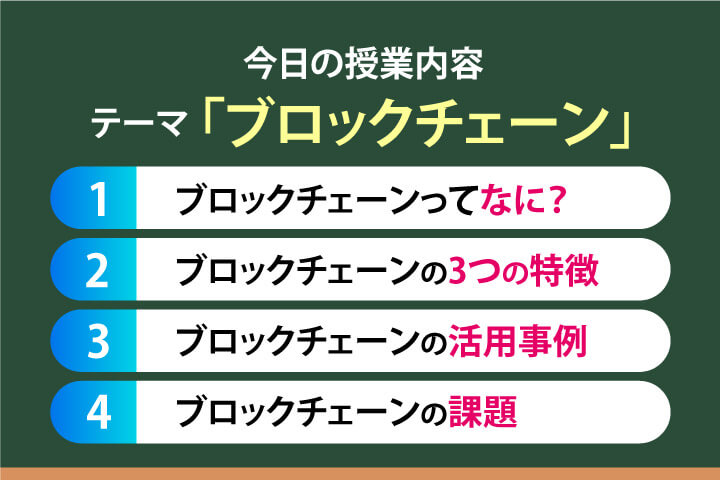
Blockchain technology has emerged as the most significant architectural shift in data management and digital trust since the inception of the internet, serving as the foundational infrastructure for the burgeoning Web3 economy. Often described as the "engine" behind cryptocurrencies, blockchain is a revolutionary method of recording information that makes it difficult or impossible to change, hack, or cheat the system. While the technology was originally popularized by the advent of Bitcoin in 2009, its applications have since expanded into nearly every sector of the global economy, from international finance and supply chain logistics to digital art and governance. To understand the current trajectory of the digital world, one must first grasp the intricate mechanisms, unique characteristics, and inherent challenges of blockchain technology.

The Architectural Foundation: Defining the Distributed Ledger
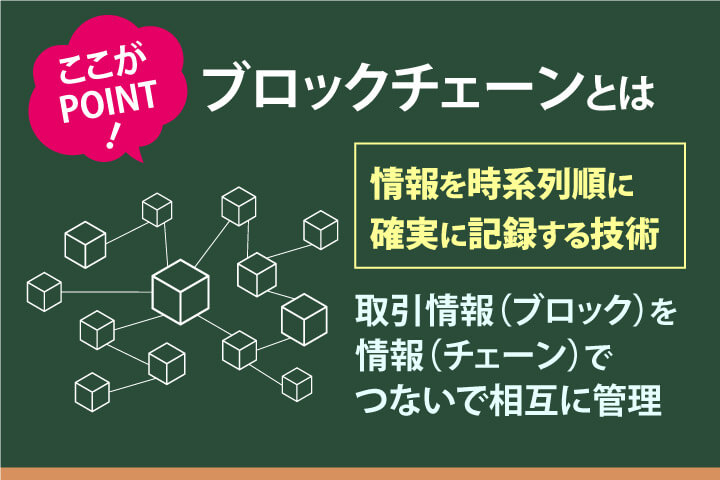
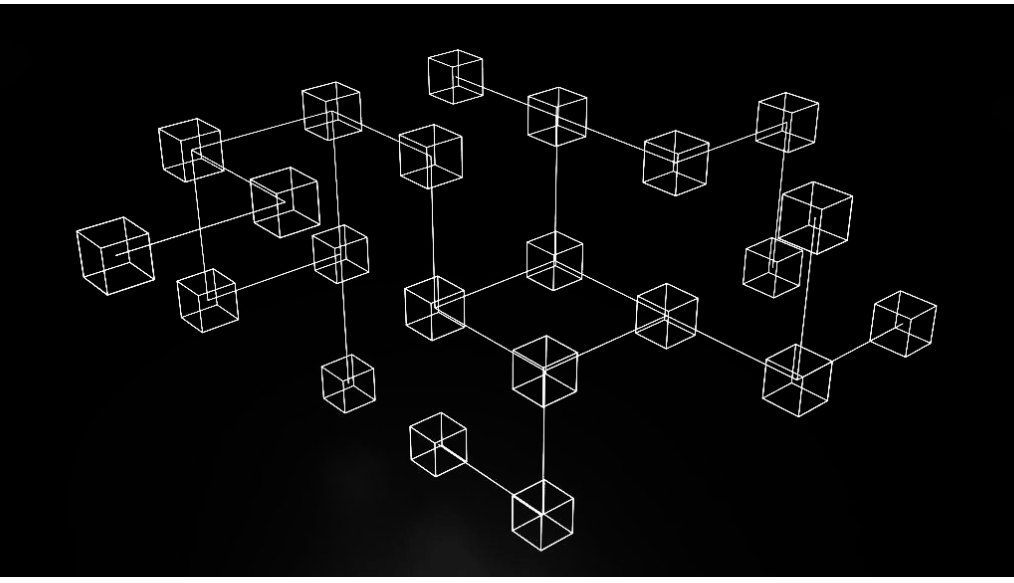
At its core, a blockchain is a digital ledger of transactions that is duplicated and distributed across the entire network of computer systems on the blockchain. Each block in the chain contains a number of transactions, and every time a new transaction occurs on the blockchain, a record of that transaction is added to every participant’s ledger. This decentralized database managed by multiple participants is known as Distributed Ledger Technology (DLT).

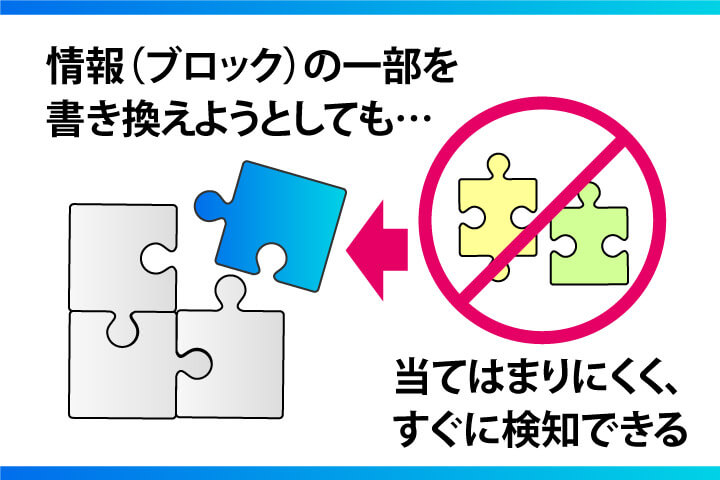
The "block" represents a set of data, while the "chain" refers to the cryptographic link between these sets. When a block is completed, it is timestamped and added to the chain in a linear, chronological order. The security of this structure is maintained through a process known as hashing. Each block contains its own unique cryptographic hash and the hash of the block preceding it. If an attacker attempts to alter a single record in one block, the hash of that block changes, which subsequently breaks the link to every following block in the chain. This interconnectedness ensures that any attempt at tampering is immediately apparent to all participants in the network, creating a system of transparency and security that traditional centralized databases cannot replicate.

A Chronological Overview of Blockchain Development
The journey of blockchain technology is characterized by several distinct "eras" that have shaped its current form:

- The Era of Digital Currency (2008–2013): Following the 2008 financial crisis, an anonymous entity known as Satoshi Nakamoto published the Bitcoin whitepaper. This introduced the first practical application of blockchain: a peer-to-peer electronic cash system. The focus during this period was primarily on financial transactions and the elimination of central banking intermediaries.
- The Era of Smart Contracts (2013–2017): Vitalik Buterin and his team launched Ethereum in 2015, introducing "smart contracts." These are self-executing contracts with the terms of the agreement directly written into code. This innovation allowed blockchain to handle more than just currency; it could now manage complex agreements and decentralized applications (dApps).
- The Era of Diversification and NFTs (2018–2021): The technology began to permeate non-financial sectors. Non-Fungible Tokens (NFTs) revolutionized the concept of digital ownership, and Decentralized Finance (DeFi) protocols began to offer traditional banking services like lending and borrowing without a central authority.
- The Era of Institutional Integration (2022–Present): Major global corporations and traditional financial institutions have begun integrating blockchain into their core operations. This period is marked by a focus on scalability, regulatory compliance, and the transition from experimental projects to mainstream infrastructure.
Key Characteristics of Blockchain Technology
The rapid adoption of blockchain is driven by three primary features that distinguish it from legacy systems: immutability, decentralization, and cost efficiency.
Unparalleled Immutability and Security
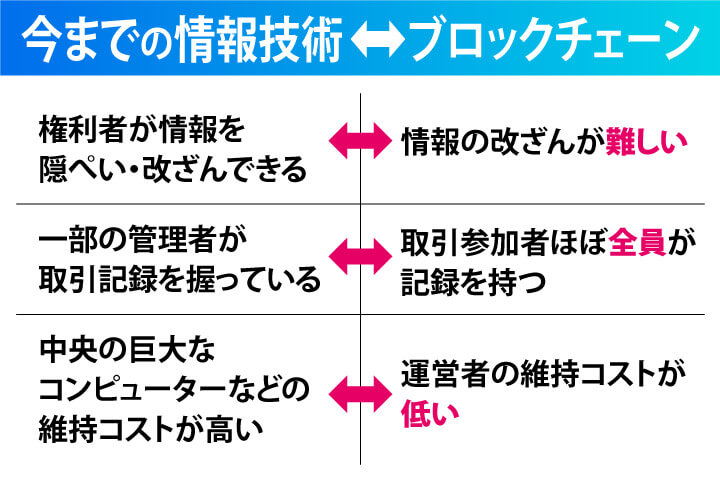
The primary draw of blockchain is its resistance to unauthorized modification. Because the data is recorded across a vast network of nodes, there is no "single point of failure." In a traditional bank, a single server breach or a malicious employee could potentially alter records. In a blockchain, an attacker would need to gain control of more than 51% of the network’s computing power to alter the ledger—a feat that is computationally and financially prohibitive for large networks like Bitcoin or Ethereum. This creates a "trustless" environment where participants do not need to know or trust each other; they only need to trust the mathematical integrity of the code.
Decentralized Governance and Participation
Unlike traditional systems where a central authority (such as a government or a bank) manages and validates data, blockchain operates on a peer-to-peer basis. Every participant in the network holds a copy of the ledger. This democratization of data ensures that no single entity has total control over the information. For users, this means greater autonomy over their digital assets and a reduction in the risk of censorship or arbitrary freezes of their accounts.

Reduction in Operational Overhead
While critics often point to the high energy consumption of certain blockchain networks, the technology offers significant long-term cost advantages for enterprises. Traditional financial systems rely on a complex web of intermediaries—clearinghouses, correspondent banks, and legal auditors—each taking a fee and adding time to the transaction process. Blockchain streamlines these operations by providing a single, shared version of the truth. By automating verification through smart contracts and eliminating the need for manual reconciliation between different companies’ ledgers, blockchain can reduce transaction times from days to seconds and significantly lower administrative costs.

Real-World Applications: From Finance to Global Logistics
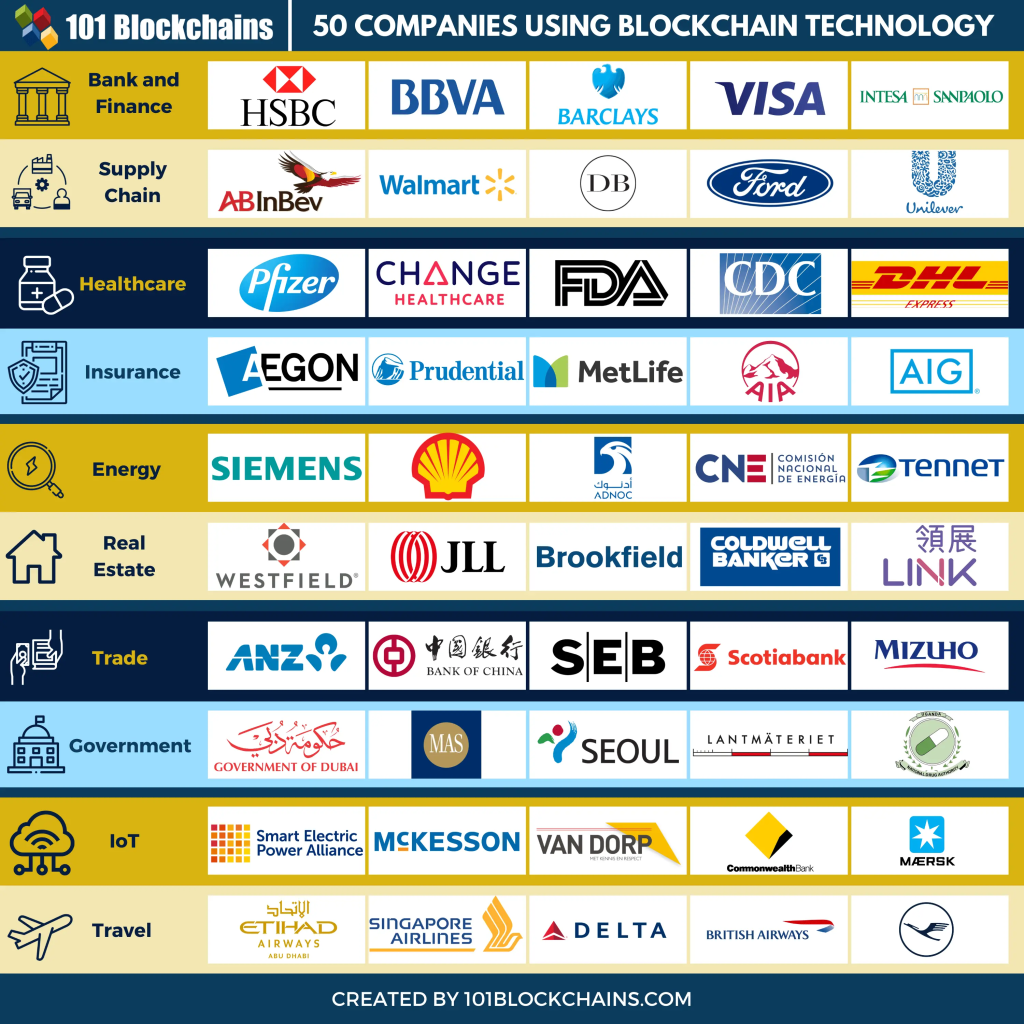
The practical utility of blockchain extends far beyond the realm of speculative trading. Major global players are already leveraging the technology to solve real-world problems.
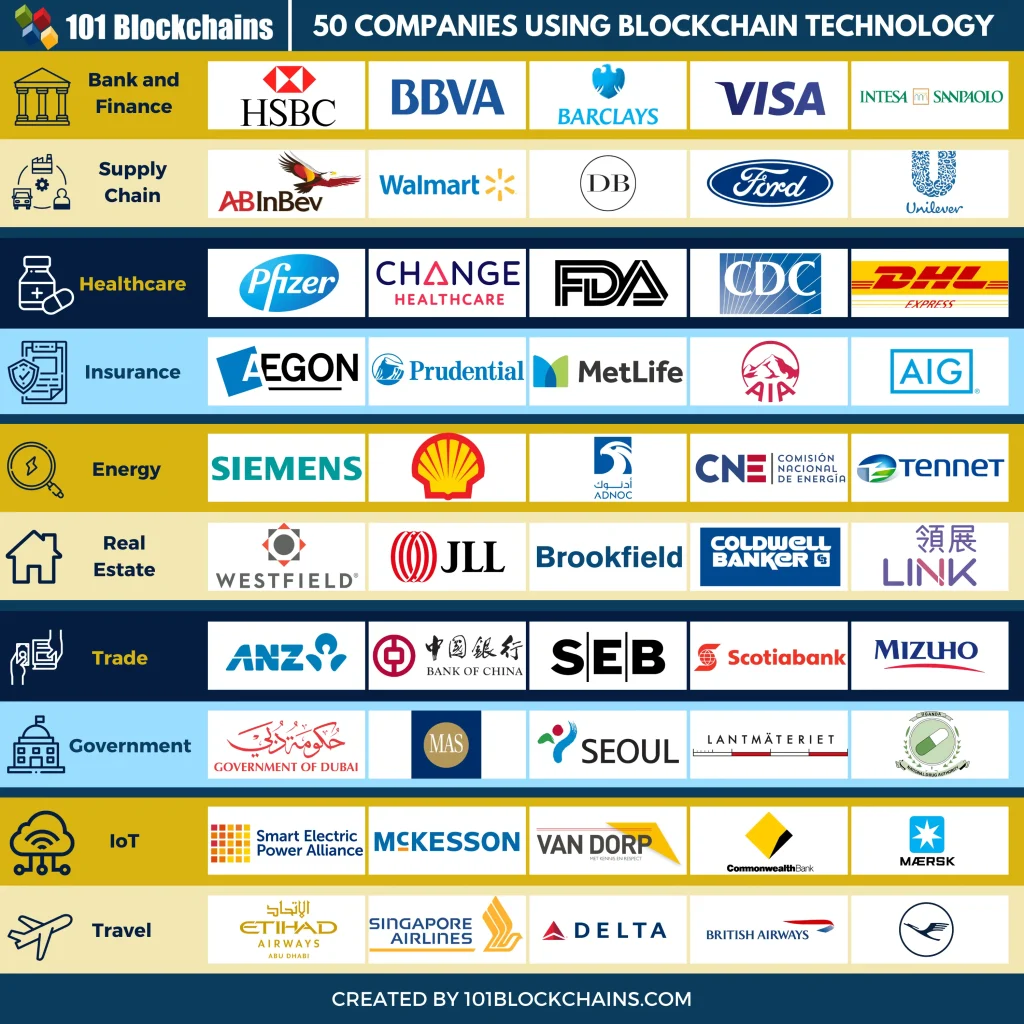
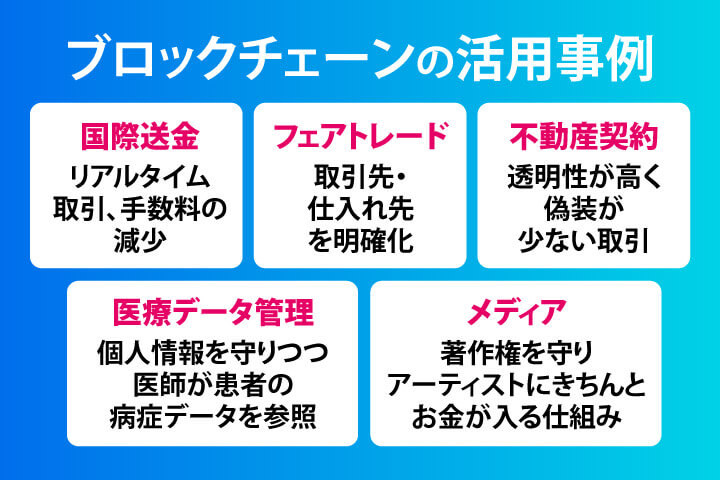
- Financial Services: VISA has been a pioneer in integrating blockchain to facilitate cross-border payments, reducing the friction and cost associated with international currency transfers. Similarly, Mizuho Bank and other major financial groups are exploring blockchain for trade finance and retail banking to enhance security and speed.
- Supply Chain Management: Multinational corporations like Unilever use blockchain to track the journey of goods from the raw material stage to the consumer’s hands. This "provenance" tracking ensures that products are ethically sourced and allows for rapid identification of issues in the event of a product recall.
- Healthcare: Blockchain is being used to create secure, interoperable electronic health records (EHRs). By giving patients control over their own data via private keys, providers can ensure privacy while allowing authorized doctors to access critical information instantly.
The Blockchain Trilemma: Navigating Technical Challenges
Despite its potential, blockchain faces a fundamental hurdle known as the "Blockchain Trilemma," a term coined by Ethereum co-founder Vitalik Buterin. The trilemma posits that it is extremely difficult for a blockchain network to achieve three core properties simultaneously: decentralization, security, and scalability.
- Scalability: This refers to the network’s ability to handle a growing amount of work or its potential to be enlarged to accommodate that growth. As more users join a network and the volume of data increases, processing speeds often slow down.
- Decentralization: This requires the network to be spread across as many participants as possible. However, the more nodes there are, the longer it takes for the entire network to reach a consensus on a transaction.
- Security: This ensures the network is resistant to attacks. High security often requires intensive computational work (like Proof of Work), which can negatively impact scalability.
Currently, most blockchain developers are forced to sacrifice one of these pillars. For instance, Bitcoin is highly secure and decentralized but struggles with scalability. Conversely, some newer, faster blockchains achieve high scalability but are criticized for being too centralized, as they rely on a small number of powerful nodes. Solving this trilemma is the "Holy Grail" of current blockchain research, leading to innovations like Layer 2 solutions, sharding, and the transition from Proof of Work to Proof of Stake.
Supporting Data and Market Outlook
Recent industry reports underscore the accelerating momentum of the blockchain sector. According to market analysis data, the global blockchain market size was valued at approximately USD 17.5 billion in 2023 and is projected to grow at a compound annual growth rate (CAGR) of over 80% through 2030.

Furthermore, a 2023 survey of C-suite executives indicated that over 60% of Fortune 500 companies are currently in the pilot or production phase of blockchain integration. This shift from "hype" to "utility" is reflected in the increased focus on regulatory frameworks worldwide. Governments in the European Union, Japan, and the United States are actively developing legislation (such as the MiCA regulation in the EU) to provide legal clarity, which is expected to trigger further institutional investment.
Conclusion: The Road Toward a Web3 Future
Blockchain technology represents more than just a new way to move money; it is a fundamental shift in how we establish trust in the digital age. By moving from "trust in humans" to "trust in code," blockchain provides a framework for a more transparent, efficient, and equitable global economy.
While the "Blockchain Trilemma" remains a significant technical barrier, the rapid pace of innovation suggests that solutions are on the horizon. As the technology matures and integrates with other emerging fields like Artificial Intelligence and the Internet of Things (IoT), the impact of blockchain will likely be as profound as the internet itself. For businesses and individuals alike, understanding the mechanics of this technology is no longer optional; it is a prerequisite for navigating the future of the digital world. The next phase of this evolution will focus on "Crypto Assets" and their role in Web3, further expanding the boundaries of what is possible in a decentralized society.