The rapid evolution of the Web3 ecosystem has ushered in a new era of digital ownership and financial autonomy, yet this decentralized frontier remains fraught with sophisticated security threats that target both novice and experienced users. As the transition from Web2 to Web3 accelerates, the fundamental shift in responsibility—moving from centralized institutions like banks to the individual user—has created a vacuum where malicious actors thrive. In the world of blockchain, where transactions are irreversible and "self-custody" is the gold standard, the loss of digital assets due to scams, phishing, or technical oversights is often permanent. Industry experts and security analysts are now sounding the alarm, emphasizing that a robust understanding of security protocols is no longer optional but a prerequisite for participating in the decentralized economy.

The Paradigm of Individual Responsibility in a Decentralized Landscape
The core tenet of Web3 is decentralization, a framework that removes intermediaries and grants users total control over their data and assets. However, this autonomy comes at a significant cost: the absence of a safety net. In traditional finance, a fraudulent credit card charge can be disputed, and a lost password can be reset by a centralized service provider. In contrast, Web3 operates on the principle of "your keys, your crypto." If a private key is compromised or a user unwittingly signs a malicious smart contract, there is no central authority to freeze the account or reverse the transaction.
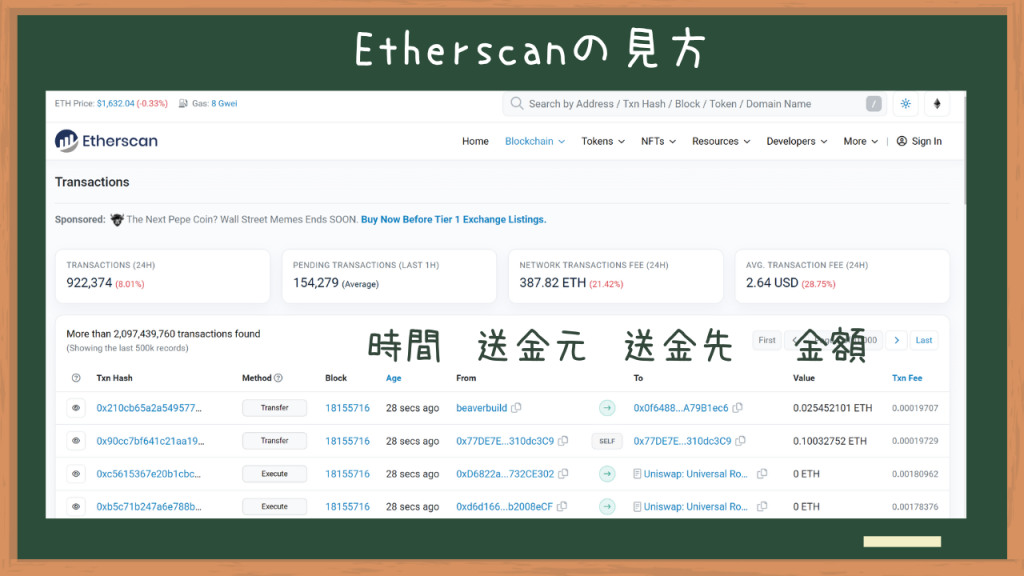
One of the most overlooked aspects of blockchain technology is its inherent transparency. While the identity of a wallet owner may remain pseudonymous, every transaction and asset balance associated with a specific wallet address is publicly viewable on a blockchain explorer like Etherscan. For malicious actors, this transparency serves as a scouting tool. Scammers can monitor high-value wallets, tracking when a user receives a valuable NFT or a large sum of cryptocurrency. This visibility allows them to tailor their attacks, targeting "whales" with high-precision phishing attempts that appear more legitimate because they reference the user’s actual holdings and recent activity.

The Anatomy of Modern Web3 Scams and Phishing Tactics
The methodology of crypto-criminals has evolved from crude hacking attempts to sophisticated social engineering. Direct Messages (DMs) on platforms such as Discord and X (formerly Twitter) have become the primary delivery mechanism for these attacks. In many cases, scammers compromise the accounts of project founders or community moderators to post "emergency" announcements or "surprise" minting opportunities.
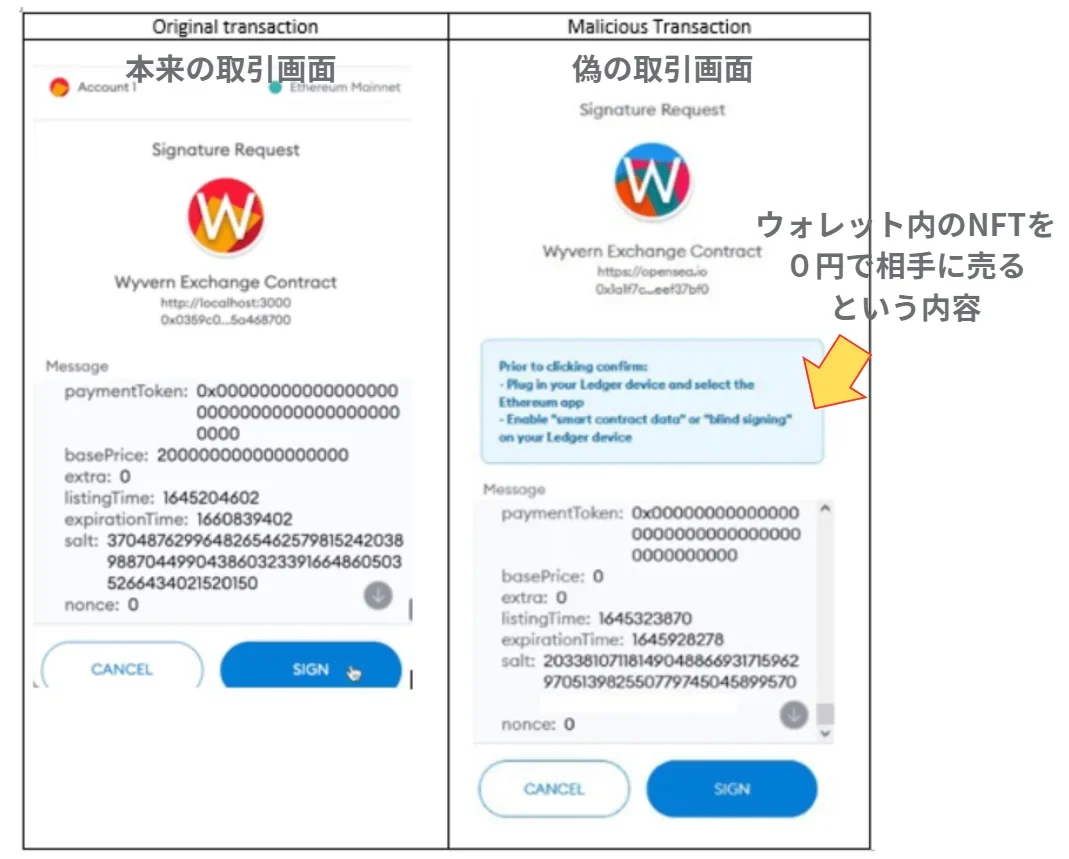
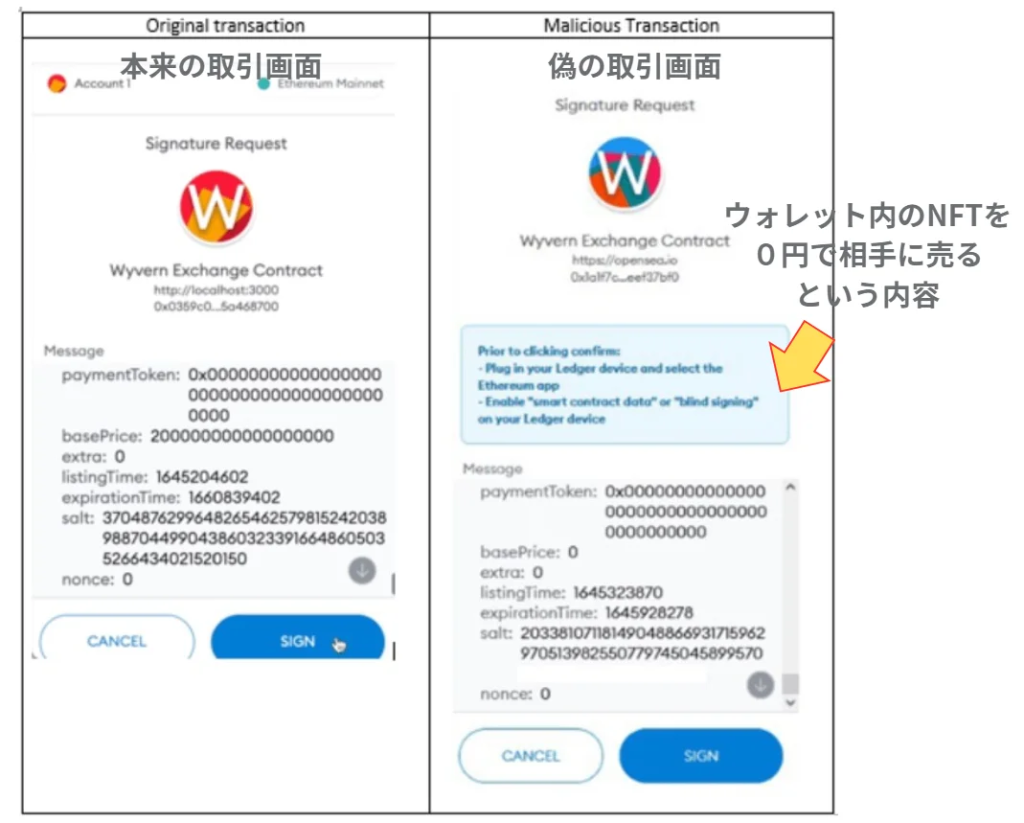
Discord, a hub for most NFT and Decentralized Finance (DeFi) communities, is particularly vulnerable. A common tactic involves sending a DM to a user claiming they have won a giveaway or are eligible for an exclusive "airdrop." These messages often include links to websites that are pixel-perfect clones of legitimate platforms like OpenSea or Uniswap. Once a user connects their wallet to these fraudulent sites, they are prompted to sign a transaction. This signature often grants the scammer "infinite approval" to spend the user’s tokens, allowing the attacker to drain the wallet in seconds.

The security community emphasizes a "Zero Trust" policy regarding DMs. Official Web3 projects rarely, if ever, initiate contact through private messages to offer financial rewards. Analysts recommend that users disable DMs from server members on Discord to eliminate this primary attack vector. Furthermore, the use of "tagging" on social media—where a bot mentions hundreds of users in a post about a fake prize—is a rising trend that relies on the "Fear of Missing Out" (FOMO) to bypass a user’s critical thinking.
Technical Defense: The Role of Token Revocation and Smart Contract Auditing
A critical but often misunderstood component of Web3 security is the "approval" mechanism. When a user interacts with a legitimate DeFi platform or NFT marketplace, they must grant the smart contract permission to move their tokens. While necessary for the platform to function, these approvals can remain active indefinitely. If a previously legitimate platform is later compromised, or if a user accidentally grants approval to a malicious site, their assets remain at risk even if they are no longer using that website.

To combat this, the practice of "Revoking" has become a vital security hygiene ritual. Revoking involves using tools like Etherscan’s Token Approval tool or specialized sites like Revoke.cash to cancel existing permissions.
The Process of Revoking Approvals on Etherscan:
- Access the Explorer: Users must navigate to a blockchain explorer relevant to the network they are using (e.g., Etherscan for Ethereum, BSCScan for BNB Chain).
- Navigate to Token Approvals: Under the "More" menu, users can find the "Token Approvals" section.
- Connect Wallet: Using the "Connect to Web3" button, the user links their wallet (such as MetaMask) to the site in a read-only capacity initially.
- Identify and Revoke: The tool displays all active permissions. Users can then select specific contracts and click "Revoke" to terminate the permission. This action requires a small "gas fee" because it is a transaction that updates the state of the blockchain.
Security professionals recommend revoking approvals regularly, especially after participating in new or unverified projects. This limits the "blast radius" of any potential exploit.

Enhancing Security with Specialized Extensions and Tools
As the complexity of attacks grows, the industry has responded with specialized security software designed to intercept malicious transactions before they are signed. Tools such as "Kekkai," "Pocket Universe," and "Wallet Guard" act as a protective layer between the user’s wallet and the dApp (decentralized application).
These browser extensions simulate transactions in a sandbox environment before the user confirms them. If a transaction is designed to drain an NFT or transfer all ETH to an unknown address, the extension will display a clear warning, explaining exactly what will happen if the user proceeds. For example, Kekkai provides a "security check" that scans for known malicious signatures and flags suspicious contract behavior. This added friction is essential in a landscape where a single misclick can result in total financial loss.
Statistical Overview of Global Web3 Losses
The necessity of these security measures is underscored by the staggering volume of assets lost to cybercrime annually. According to data from blockchain analytics firms like Chainalysis and TRM Labs, nearly $1.7 billion was stolen in crypto hacks in 2023. While this represented a decrease from the record-breaking $3.7 billion lost in 2022, the number of individual phishing incidents has remained high.
The FBI’s Internet Crime Complaint Center (IC3) reported that investment fraud involving cryptocurrency was the costliest type of cybercrime in 2023, with losses rising from $2.57 billion in 2022 to $3.94 billion in 2023. These figures highlight that while the underlying blockchain technology is secure, the "human layer"—the interaction between the user and the interface—is the primary point of failure.

Chronology of Major Web3 Security Shifts
The industry’s approach to security has shifted through several distinct phases:
- 2017–2018 (The ICO Boom): Most losses occurred due to simple "exit scams" or users sending funds directly to incorrect addresses.
- 2020–2021 (The DeFi Summer): Exploits shifted toward smart contract vulnerabilities, where hackers would drain protocols due to coding errors (e.g., reentrancy attacks).
- 2022–Present (The Social Engineering Era): Attacks have become increasingly focused on the end-user, utilizing Discord hacks, Twitter phishing, and malicious "gasless" signatures (Permit2 exploits) that bypass traditional wallet warnings.
Broader Impact and the Path to Mass Adoption
The prevalence of scams remains the single largest barrier to the mass adoption of Web3 technology. For the average consumer, the risk of losing their life savings due to a technical error or a clever phishing link is an unacceptable trade-off for the benefits of decentralization.

In response, there is a growing movement toward "Account Abstraction" (ERC-4337), a technical standard that allows for more flexible wallet management. This could enable features like "social recovery" (where friends can help recover a lost account) or daily spending limits, effectively bringing Web2-style safety features to the Web3 world without sacrificing decentralization.
Furthermore, regulatory bodies worldwide are beginning to scrutinize how platforms protect their users. While the decentralized nature of Web3 makes traditional regulation difficult, there is increasing pressure on wallet providers and marketplaces to implement better native security warnings and blacklisting of known fraudulent addresses.
In conclusion, the Web3 landscape offers unprecedented opportunities for financial innovation, but it remains a "buyer beware" environment. The transition from a centralized "trust-based" system to a decentralized "verification-based" system requires a fundamental change in user behavior. By adopting a multi-layered security strategy—consisting of hardware wallets, transaction simulation tools, regular approval revocations, and a healthy skepticism of social media interactions—users can navigate the decentralized web with confidence. As the technology matures, the goal for the industry is to make these security protocols invisible and automatic, ensuring that the next billion users can participate in Web3 without fearing the loss of their digital identity and assets.