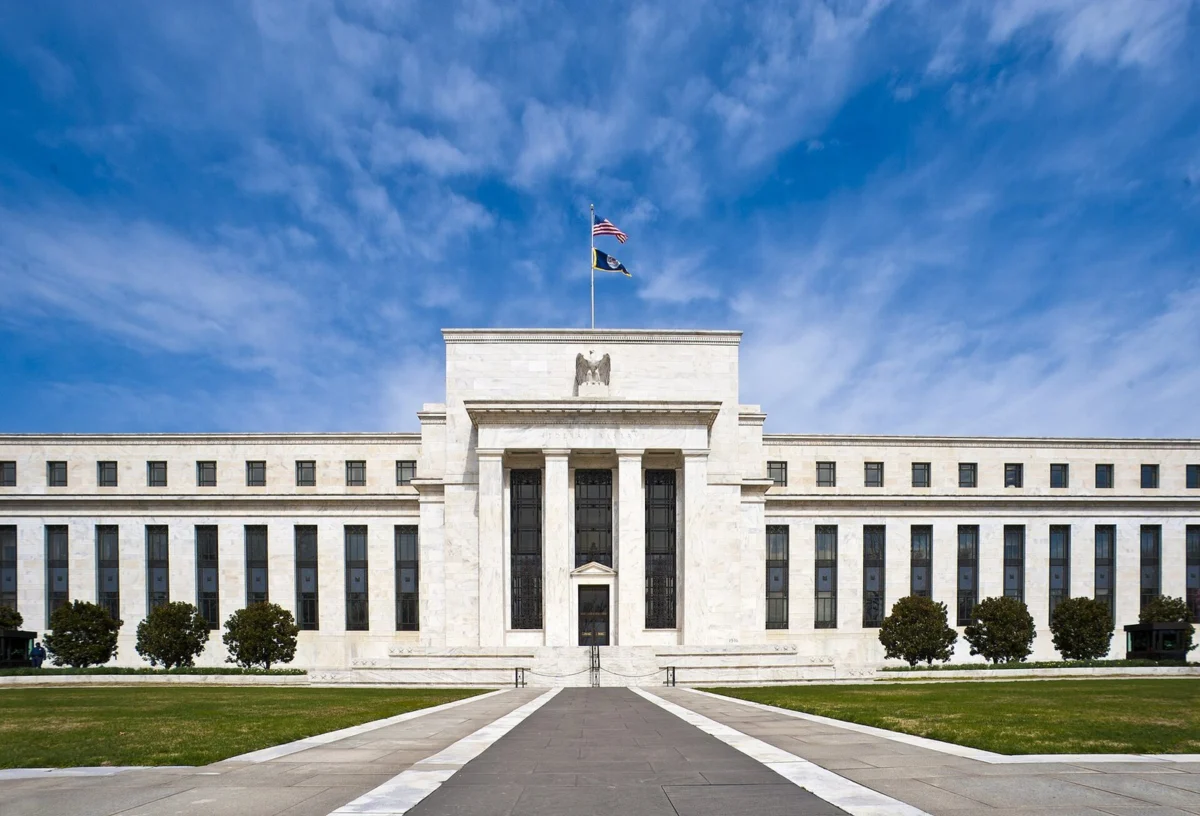
In a significant regulatory development for the digital asset industry, the Financial Crimes Enforcement Network (FinCEN) and the Federal Reserve Board have officially announced the withdrawal of a long-pending proposed rule that sought to expand US recordkeeping and Travel Rule obligations. The scrapped proposal, originally introduced during the final weeks of 2020, would have significantly lowered the transaction thresholds for international fund transfers and extended stringent reporting mandates to cover specific categories of convertible virtual currencies (CVCs) and digital assets with legal tender characteristics.
Despite the discontinuation of this specific rulemaking process, federal authorities have emphasized that the withdrawal does not signal a retreat from anti-money laundering (AML) oversight. Issued concurrently with a targeted enforcement action against the offshore cryptocurrency exchange MEXC Global, the decision highlights a nuanced regulatory strategy. While regulators are stepping back from a broad, sweeping expansion of compliance thresholds for now, they continue to aggressively utilize existing statutory frameworks to sanction bad actors and curb illicit finance within the rapidly evolving fintech ecosystem.
Background Context and the Origin of the Proposed Rule
The roots of the withdrawn proposal trace back to December 2020, when FinCEN—acting in coordination with the Federal Reserve Board—published a Notice of Proposed Rulemaking (NPRM) that sent immediate shockwaves through the global cryptocurrency community. The primary objective of the 2020 proposal was to amend the regulations implementing the Bank Secrecy Act (BSA), specifically targeting the Recordkeeping and Travel Rule requirements.
Under traditional financial regulations, the Travel Rule mandates that financial institutions pass specific customer and transactional data along the payment chain for transfers exceeding certain monetary thresholds. The 2020 proposal sought to lower the threshold for cross-border fund transfers from $3,000 to $250. Furthermore, it aimed to explicitly sweep convertible virtual currencies and digital assets into the regulatory definition of "funds," thereby subjecting decentralized and centralized crypto transactions to the same rigid data-collection standards imposed on traditional wire transfers.
The initiative sparked immediate, intense controversy. During the public comment period, FinCEN received thousands of submissions from blockchain advocacy groups, decentralized finance (DeFi) developers, traditional banking institutions, and individual crypto asset holders. Critics argued that the technological realities of distributed ledger technology made compliance with the proposed rules nearly impossible without compromising user privacy, creating centralization choke points, or exposing sensitive personal data to cybersecurity vulnerabilities. Operational costs for compliance infrastructure were projected to skyrocket, potentially driving smaller exchanges and startups out of the US market entirely.
The Mechanics of the Withdrawal and What It Means for Existing Laws
To accurately interpret the recent regulatory announcement, legal and compliance professionals must maintain a sharp distinction between the withdrawal of a proposed rule and the repeal of existing statutory obligations. A Notice of Proposed Rulemaking merely represents an administrative phase wherein regulators float potential policy adjustments, gather public feedback, and evaluate economic impacts. By formally withdrawing the 2020 proposal, FinCEN and the Federal Reserve have elected not to advance those specific structural amendments through that particular rulemaking channel.
However, this administrative step leaves the foundational Bank Secrecy Act and existing regulatory guidance entirely intact. Cryptocurrency exchanges, custodial wallet providers, and money services businesses (MSBs) that already qualify as financial institutions under US law remain fully bound by current anti-money laundering, know-your-customer (KYC), and suspicious activity reporting (SAR) obligations.
Compliance teams are advised to review internal operational roadmaps to identify any upcoming technological changes or data-collection protocols that were explicitly designed to meet the requirements of the now-withdrawn proposal. Nevertheless, legal experts caution that suspending standard compliance controls or dismantling existing transaction-screening mechanisms would be a perilous misinterpretation of the agencies’ announcement. The underlying mandate to monitor, record, and report suspicious transactions remains a core pillar of US financial regulation.
The Dual-Track Regulatory Approach: A Closer Look at MEXC Global
The timing of the withdrawal—unveiled on November 6 alongside a decisive enforcement action against MEXC Global—provides valuable insight into contemporary federal oversight. While the joint decision with the Federal Reserve to scrap the expansive Travel Rule proposal suggests a willingness by regulators to reconsider broad, one-size-fits-all administrative burdens, the simultaneous crackdown on MEXC Global demonstrates that enforcement agencies remain hyper-vigilant regarding specific, high-risk platforms.
FinCEN’s targeted action against MEXC Global, executed under the banner of Operation Economic Outcast, effectively severed the exchange’s access to the US financial system. Regulators alleged that the platform operated as an unregistered money services business and facilitated illicit transactions without maintaining adequate AML or KYC controls. This dual-track approach signals that federal authorities are increasingly favoring targeted enforcement against non-compliant entities over cumbersome, economy-wide regulatory mandates that draw fierce pushback from the broader industry.
By pursuing bad actors directly rather than imposing blanket structural changes that burden compliant businesses, regulators may be attempting to balance systemic security with economic innovation. This strategy allows enforcement agencies to focus their limited resources on platforms that demonstrably bypass US laws, while sparing the broader compliant fintech sector from the immense capital expenditures required to overhaul legacy compliance systems.
Implications for Crypto Payments, Financial Institutions, and Cross-Border Transfers
The decision to withdraw the 2020 proposal carries profound operational and strategic implications for both traditional financial institutions and digital asset enterprises. The interface between traditional banking and cryptocurrency markets has historically been fraught with friction, largely driven by the uncertainty surrounding regulatory compliance obligations.
When banks partner with or service crypto-related businesses, they must conduct exhaustive due diligence to ensure that the risks of money laundering, terrorist financing, and sanctions evasion are adequately mitigated. Broad and ambiguous regulatory proposals historically exacerbate this friction, frequently leading to "de-risking"—a phenomenon where traditional financial institutions abruptly terminate banking services for entire categories of digital asset companies to avoid regulatory liability.
While the withdrawal of the proposed rule removes an immediate source of regulatory anxiety, the broader question of how to effectively apply the Travel Rule to decentralized finance, unhosted wallets, and cross-border crypto transactions remains unresolved. Implementation challenges persist globally, as financial regulators from the Financial Action Task Force (FATF) to the European Union’s regulatory bodies grapple with the inherent pseudonymity and borderless nature of blockchain technology.
Internationally, regulatory divergence continues to complicate compliance for multinational fintech firms. For instance, while US authorities have stepped back from lowering the cross-border transfer threshold for virtual assets at this juncture, jurisdictions in Europe and Asia are implementing their own distinct frameworks for stablecoin issuance, custody services, and transaction traceability. Companies operating across multiple regulatory spheres must meticulously navigate these jurisdictional discrepancies, ensuring that compliance frameworks satisfy the local requirements of every market in which they operate.
Strategic Recommendations for Compliance and Legal Teams
In the wake of FinCEN and the Federal Reserve’s announcement, compliance officers, risk management committees, and legal counsels within the financial and digital asset sectors must adopt a measured, proactive approach. Rushing to dismantle existing compliance infrastructure based on a misreading of the regulatory shift could expose firms to severe regulatory penalties and enforcement actions.
First, compliance teams should conduct a comprehensive audit of all regulatory tracking systems to document the withdrawal of the 2020 NPRM. Any compliance software updates or operational protocol shifts that were conditionally tied to the anticipated implementation of the lower transfer thresholds or expanded CVC definitions should be formally reassessed.
Second, existing transaction-screening, customer identification, and suspicious activity monitoring frameworks must remain fully operational. Because the underlying statutory requirements of the Bank Secrecy Act and existing AML regulations remain unchanged, institutions must maintain robust controls to identify and report illicit financial activity.
Third, institutions engaging in cross-border transactions should maintain an active dialogue with legal counsel to monitor upcoming regulatory guidance. While the current proposal has been withdrawn, federal agencies retain the statutory authority to issue new rulemakings, supervisory guidance, or targeted advisories addressing digital assets at any time. Maintaining operational flexibility and agile compliance systems will be critical for navigating future policy shifts.
Looking Ahead: The Future of Digital Asset Regulation
The withdrawal of the proposed recordkeeping and Travel Rule expansion marks a notable chapter in the ongoing dialogue between federal regulators and the digital asset industry. It demonstrates that administrative agencies are responsive to public comments, economic realities, and technical feasibility concerns raised during the rulemaking process. However, it also underscores the enduring reality that the regulatory perimeter surrounding digital finance is continuously shifting.
As financial technology evolves and new asset classes emerge, the tension between financial privacy, operational efficiency, and systemic security will persist. Whether federal regulators will introduce a revised, more narrowly tailored rulemaking proposal in the future remains to be seen. In the interim, market participants must operate within the boundaries of existing law, maintaining rigorous compliance standards while preparing for a dynamic and perpetually evolving regulatory landscape.