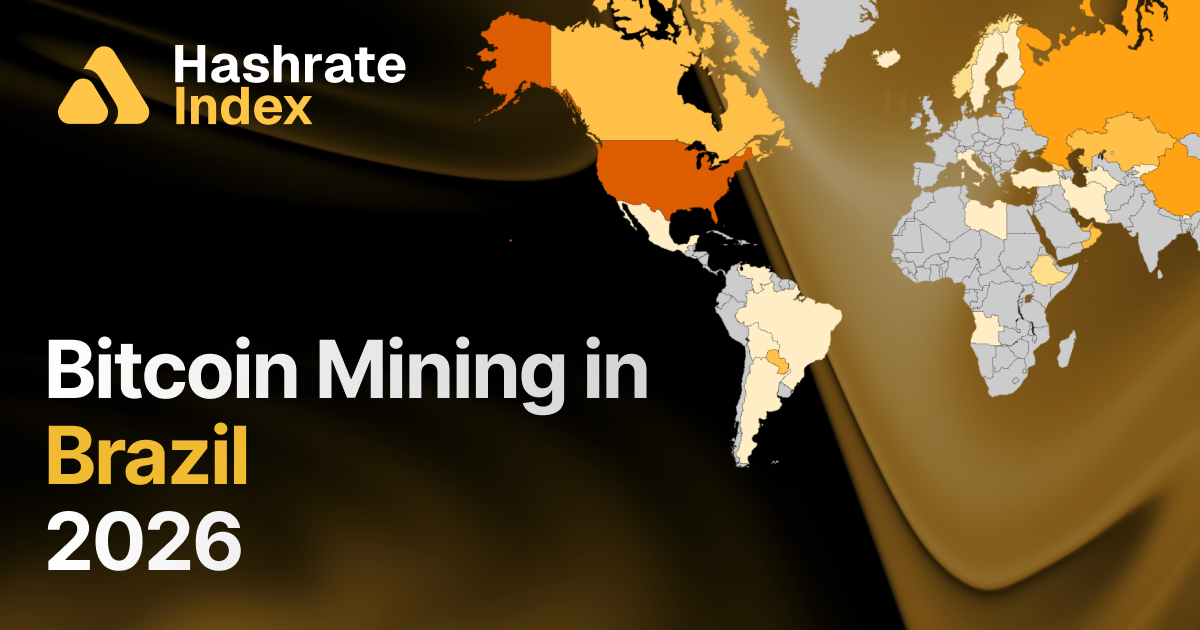
Brazil’s trajectory in the Bitcoin mining sector has undergone a radical transformation, evolving from a peripheral participant characterized by a complex tax code to a resilient global contender. Between the third quarter of 2025 and the third quarter of 2026, the nation’s estimated hashrate contribution surged from approximately 2.5 exahashes per second (EH/s) to 3.5 EH/s, representing a 40% year-over-year increase. This growth is part of a sustained upward trend from a baseline of just 1.5 EH/s in early 2025. While the explosive growth rates observed in 2024 have stabilized, the most significant indicator of Brazil’s emerging dominance is its relative performance against the global market. During a period when the global network hashrate contracted by 6.4%—falling from roughly 1,004 EH/s to 940 EH/s—Brazilian operators maintained a steady output of 3.5 EH/s. This steadfastness has effectively increased Brazil’s share of the global hashrate to approximately 0.37%, signaling a high level of institutional conviction even as major jurisdictions like the United States, Russia, and China witnessed temporary deactivations of mining hardware.
The Foundation of the Brazilian Energy Grid
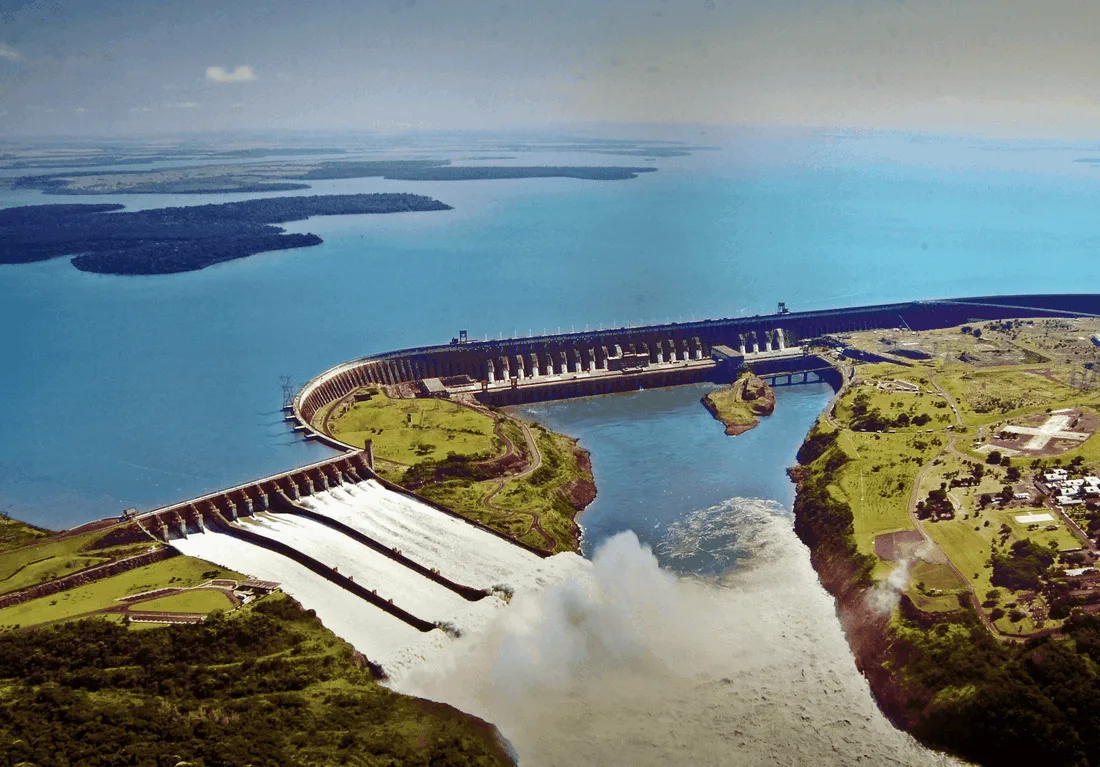
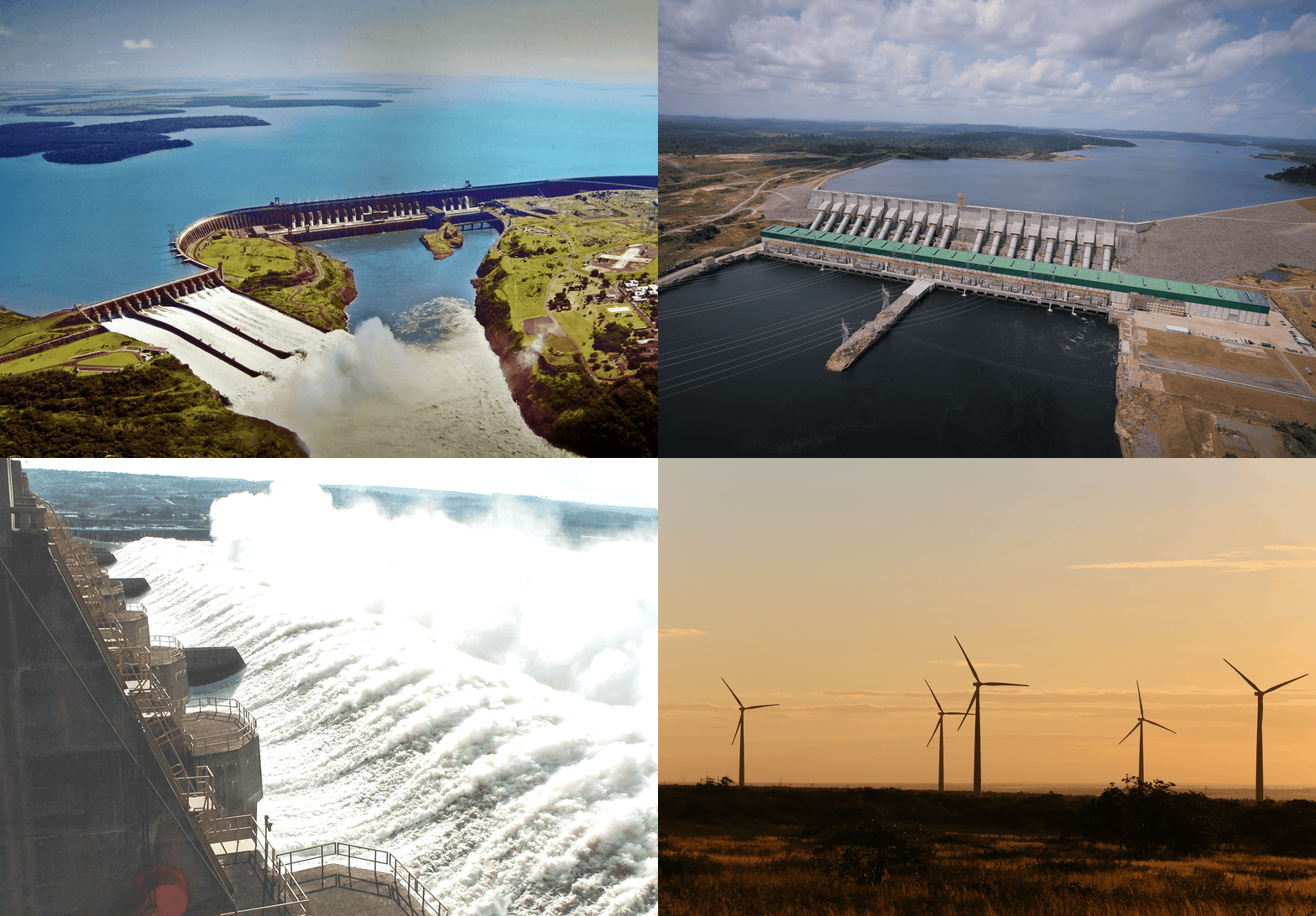
The primary catalyst for Brazil’s mining expansion is its robust and increasingly renewable energy infrastructure. The Sistema Interconectado Nacional (SIN) generated 708.1 terawatt-hours (TWh) in 2023, with an installed capacity reaching 232 gigawatts (GW) in 2024. Projections indicate this capacity will grow to 268 GW by 2029. Brazil’s generation mix is unique among large economies, maintaining a renewable composition of 88% to 90% on most days. This is anchored by massive hydroelectric projects, including the 14,000 MW Itaipu plant and the 11,233 MW Belo Monte facility. Furthermore, the Northeast region hosts a burgeoning wind sector with 19.6 GW of capacity spread across nearly 700 plants.
For Bitcoin miners, this grid offers some of the cleanest power available globally. However, the cost of entry depends heavily on the consumer’s classification. Default industrial tariffs for captive consumers—those tied to specific distribution networks—range from $0.126/kWh to $0.159/kWh. These rates are generally uncompetitive for mining. The true opportunity lies in the Ambiente de Contratação Livre (ACL), or the deregulated energy market. Under the ACL, large consumers can negotiate bilateral contracts directly with renewable energy generators, bypassing distribution surcharges and isolating themselves from the "Bandeira Tarifária" system—Brazil’s mechanism for applying surcharges during periods of low hydrology and high thermal plant dispatch.
Strategic Shift Portaria 50/2022 and Market Liberalization
A pivotal moment in the chronology of Brazilian mining was the implementation of Portaria 50/2022. This regulatory reform, which took full effect in 2024, opened the ACL to all high-tension consumers. This allowed mining operations to reach "Grande Consumidor" status, enabling them to secure fixed-price, long-term contracts with wind and hydro producers.
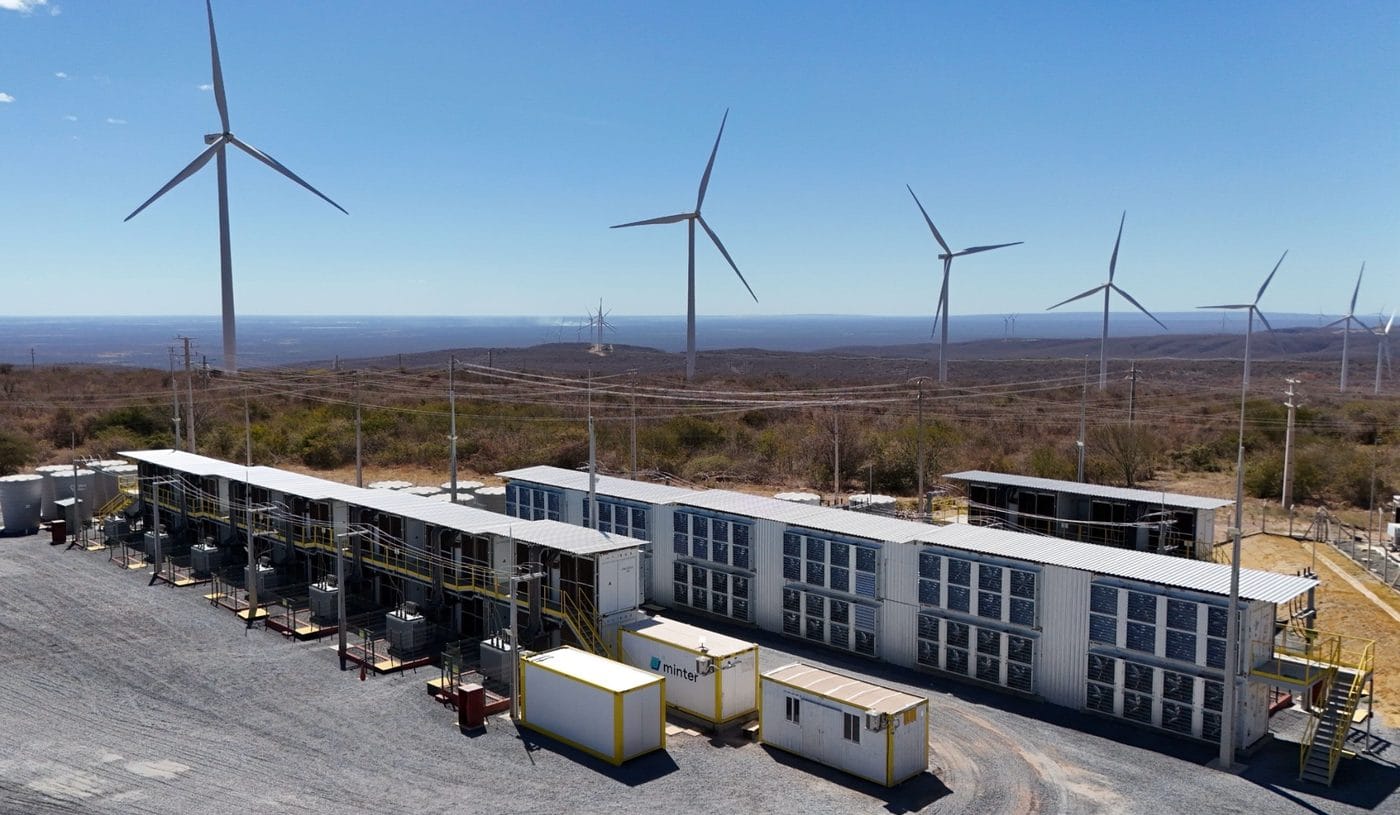
This policy change addressed a major structural waste problem in the Northeast. The "Nordeste wind belt" is highly productive but suffers from transmission bottlenecks. In 2024 alone, over 1,400 renewable plants faced curtailment, resulting in 400,000 hours of forced interruptions. Energy that was generated but could not be transmitted to the industrial south was effectively lost. Bitcoin miners have emerged as the "buyer of last resort" for this curtailed energy, providing a flexible load that can monetize structural waste and improve the financial viability of renewable energy projects.
Profiling the Key Operators Driving the Hashrate
The Brazilian mining landscape in 2026 is defined by a mix of established institutional players and innovative newcomers who have navigated the country’s unique regulatory and logistical challenges.
Minter Digital and the Institutionalization of Hashrate
Minter Digital stands as the most operationally mature entity in the region. With a founding team boasting experience from CleanSpark’s public market debut and the launch of Hashdex’s crypto ETFs, the company treats mining as a financial infrastructure play. Minter’s "Greenabler" model involves co-locating mining containers at generation sites where energy would otherwise be curtailed. A landmark Series A investment from Itaú Ventures—the venture arm of Latin America’s largest private bank—has provided the capital necessary to scale this model across the Northeast and into the United States, diversifying regulatory and climatic risks.
Arthur Mining and the Energy-First Strategy
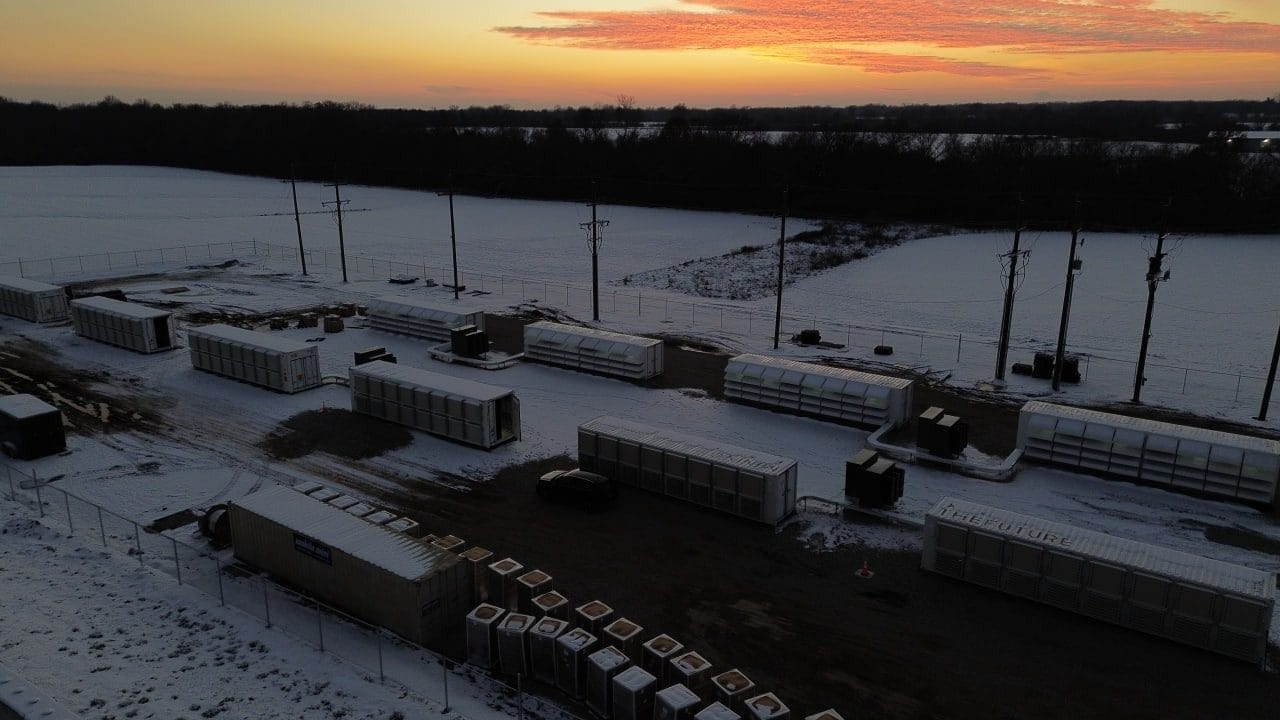
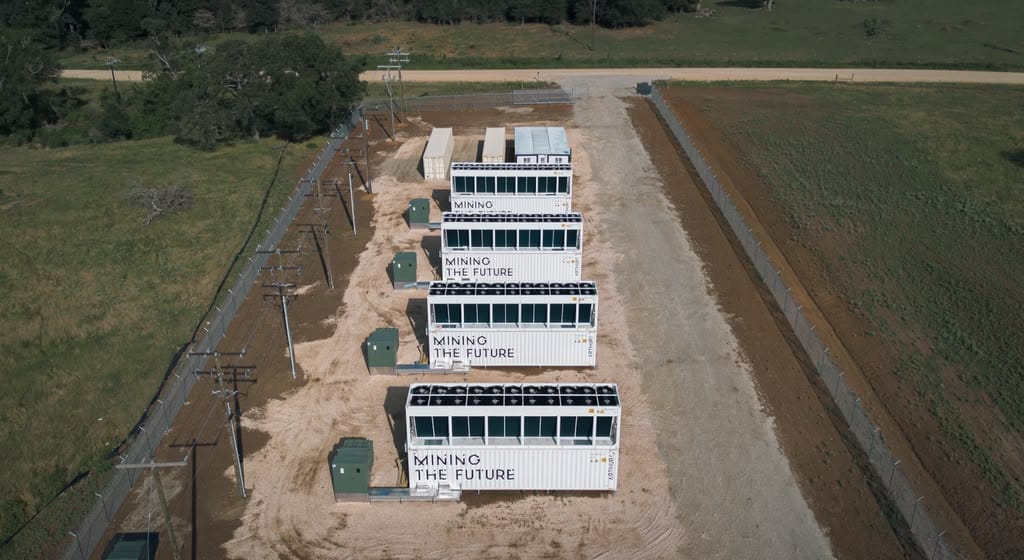
Arthur Mining has spent nearly a decade refining a model of mobile, containerized computing. Although the company proved its concept across six U.S. states, it has pivotally expanded into Brazil to capture renewable energy at the source. Arthur serves as both an operator and an infrastructure provider, distributing container technology across Latin America. Their focus remains on "demand response," where miners ramp consumption during surpluses and curtail instantly during grid stress, a service they argue Brazil needs to formalize through better compensation frameworks.
Radius Mining and the Eletrobras Connection
Radius Mining, led by former Credit Suisse banker Flávio Hernandez, focuses specifically on the institutional capture of renewable curtailment. The company secured a significant operation and maintenance (O&M) contract with Axia, an entity born from the privatization of the state-owned giant Eletrobras. This partnership validates the industry in the eyes of traditional energy generators. Radius has secured R$28 million in seed capital, backed by veterans from the energy and brokerage sectors, with a target of 50 MW of capacity by the end of 2026.
Vextron Technologies and Domestic Innovation
Operating out of the technological hub of Florianópolis, Vextron Technologies emphasizes local supply chains. By developing a proprietary mining module built entirely with components from Brazilian manufacturers like WEG and Schneider, Vextron sidesteps many of the customs frictions associated with importing foreign hardware. Their "MINERA" platform allows power plant operators to manage mining loads as if they were any other part of the grid’s dispatchable infrastructure.
Navigating the Customs and Tax Roadblocks
Despite the energy advantages, Brazil presents significant hurdles in the form of hardware logistics and taxation. For international operators, the import process is often a deterrent.
The DECEX Requirement
Brazil prohibits the import of used hardware without a non-automatic license from DECEX (Department of Foreign Trade Operations). This process involves a "similar nacional" test to ensure no domestic equivalent exists. While usually granted for ASICs, the processing time can take up to 60 days. This necessitates that licenses be secured before hardware even leaves its country of origin, a stark contrast to the more fluid markets in North America.
NCM Classification and Tax Optimization
The classification of hardware under the Nomenclatura Comum do Mercosul (NCM) determines the tax burden. Operators must fight for classification under NCM 8473.30.49 (parts for data processing), which carries a 0% import duty and federal excise tax. Incorrect classification can lead to duties as high as 16% and excise taxes of 15%. When combined with state-level ICMS taxes (which range from 12% to 20%) and federal social contributions (PIS/COFINS at 9.65%), the total tax stack on a poorly managed import can exceed 55% of the hardware’s value.
The Regional Energy Map
The feasibility of mining in Brazil is highly geographic:
- The South (Sul): Home to the lowest default industrial tariffs and a mature hydroelectric network, it remains the standard choice for predictable, grid-connected operations.
- The Center-West (Centro-Oeste): Offers vast land and access to biomass, though it requires sophisticated ACL negotiation to offset higher default rates.
- The Northeast (Nordeste): This is the high-risk, high-reward frontier. While it offers the cheapest generation-level prices due to wind curtailment, it requires the most complex legal and technical structuring to mitigate transmission risks.
Broader Implications and the Path to Top Five Status
The arrival of sophisticated financial tools, such as hashrate forward financing, indicates that the Brazilian market is maturing. This mechanism allows operators to secure upfront capital for hardware by committing future production, filling a gap left by the lack of traditional institutional lending for the sector.
The resilience of Brazil’s 3.5 EH/s contribution during a global market contraction is a potent signal to investors. It suggests that the capital deployed in Brazil is not "mercenary" hashpower seeking short-term gains, but rather infrastructure-backed investment designed to weather cycles. However, several factors could still impede Brazil’s climb into the top five global mining jurisdictions. The lack of a specific regulatory framework for Bitcoin mining creates a lingering "gray area" regarding energy treatment. Furthermore, the 44.8% tax burden on gross sector revenue remains a significant headwind for smaller, non-ACL-capable operators.
Conclusion
Brazil has successfully transitioned from an experimental mining outpost to a strategically significant node in the global Bitcoin network. By leveraging its massive renewable energy surplus and navigating a complex regulatory environment, the nation has built a base of 3.5 EH/s that has proven more durable than that of several established mining hubs. As the Northeast transmission expansion continues and more institutional capital enters the space, the question for the global industry is no longer whether Brazil is a viable destination, but rather how quickly it will integrate its energy abundance into the global digital economy. The next 24 months will be decisive in determining if Brazil can solidify its position as the preeminent mining hub of the Western Hemisphere outside of the United States.