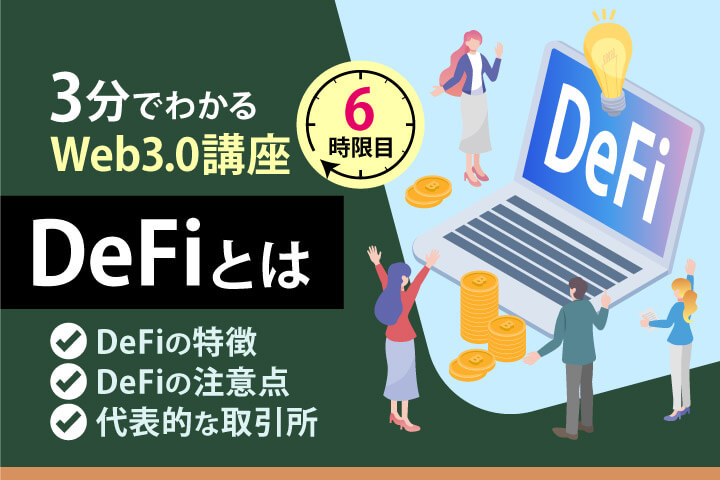
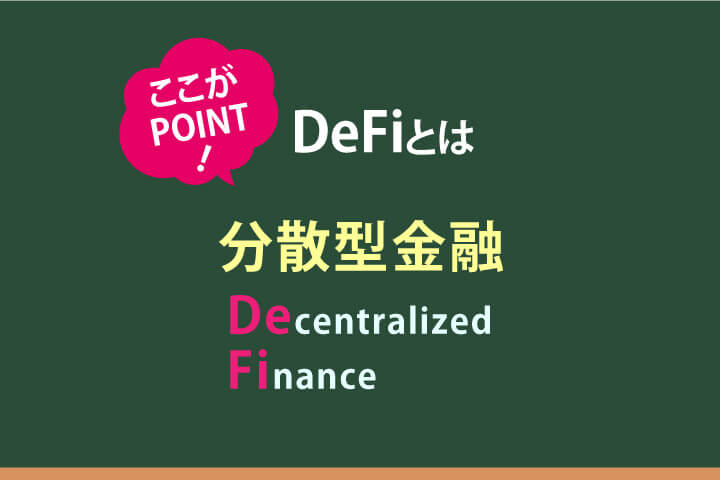
Decentralized Finance, commonly referred to as DeFi, represents a paradigm shift in the global financial landscape, moving away from traditional, centralized intermediaries toward a trustless, blockchain-based architecture. By leveraging smart contracts on distributed ledger technology, DeFi enables a wide range of financial services—such as lending, borrowing, trading, and asset management—to operate without the oversight of banks, clearinghouses, or brokerage firms. As the Web3 ecosystem continues to mature, understanding the mechanics, advantages, and inherent risks of DeFi has become essential for investors, developers, and financial regulators alike.
The Evolution of Financial Systems: CeFi vs. DeFi
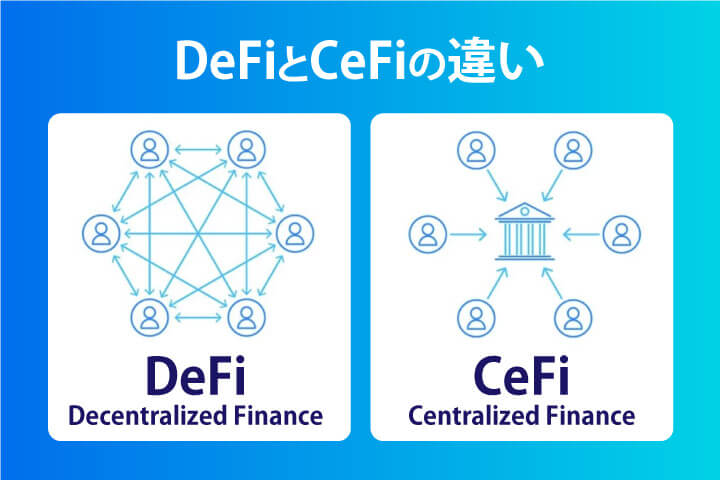
To comprehend the significance of DeFi, one must first distinguish it from Centralized Finance (CeFi). Traditional financial institutions operate on a model of intermediation, where entities like banks hold custody of assets and manage the flow of capital. In this system, trust is placed in the institution, which in turn is subject to regulatory frameworks. Conversely, DeFi replaces these intermediaries with automated protocols.
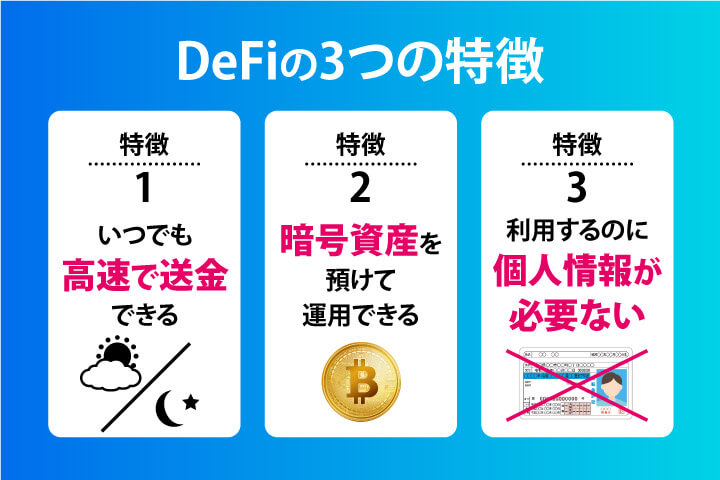
The shift toward decentralization is rooted in the broader Web3 movement, which prioritizes user sovereignty and permissionless access. In a DeFi environment, users interact directly with decentralized applications (dApps). These applications are powered by smart contracts—self-executing code that automatically carries out transactions when predetermined conditions are met. This structure eliminates the need for manual approval, reduces transaction costs, and ensures that financial services are available 24/7, 365 days a year, across global borders.

The Structural Advantages of Decentralized Protocols
The primary appeal of DeFi lies in its efficiency and accessibility. Traditional banking systems are often hampered by legacy infrastructure, resulting in delayed settlement times and restricted access for unbanked populations. DeFi protocols, by contrast, operate on public blockchains like Ethereum, Solana, or Binance Smart Chain, providing near-instant settlement and transparency.
One of the most notable features of DeFi is its "composability," often described as "money legos." Because these protocols are open-source, developers can build upon existing financial primitives to create new, innovative products. For example, a developer can create a new yield-farming strategy by integrating a lending protocol with a decentralized exchange (DEX). This level of interoperability is unprecedented in traditional finance, where proprietary systems are typically siloed.
Chronology of DeFi Growth and Market Adoption
The rise of DeFi was catalyzed by the 2020 "DeFi Summer," a period marked by the rapid proliferation of liquidity mining and yield farming. During this time, the Total Value Locked (TVL) in DeFi protocols skyrocketed, signaling a massive influx of capital into decentralized lending and exchange platforms.
- 2017-2018: Foundations. The launch of early protocols like MakerDAO and the development of decentralized stablecoins provided the necessary infrastructure for on-chain lending.
- 2020: The Catalyst. The introduction of governance tokens and liquidity mining incentives by projects like Compound and Uniswap brought mainstream attention to the sector, driving the TVL from hundreds of millions to billions of dollars.
- 2021-2022: Diversification and Scaling. The ecosystem expanded to include decentralized insurance, derivatives, and cross-chain bridges. Layer-2 scaling solutions emerged to address network congestion and high gas fees on Ethereum.
- 2023-Present: Institutional Integration and Security Focus. The current phase is defined by a pivot toward auditability, institutional-grade compliance tools, and a focus on mitigating systemic risks that were exposed during the market volatility of the previous years.
Supporting Data and Market Metrics
The scale of the DeFi market is best captured through the metric of Total Value Locked (TVL). TVL represents the aggregate value of assets deposited in various DeFi protocols. At its peak, the sector surpassed $200 billion in TVL, though market fluctuations have since adjusted these figures.
Key indicators of a healthy DeFi ecosystem include:
- Trading Volume on DEXs: Decentralized exchanges like Uniswap, Curve Finance, and PancakeSwap routinely process billions in weekly volume, often rivaling the activity levels of centralized exchanges.
- User Addresses: Despite the technical barriers to entry, the number of unique wallets interacting with DeFi protocols has shown a consistent upward trajectory, indicating growing adoption among retail and institutional participants.
- Protocol Revenue: Many protocols now generate significant fees from transaction volume, a portion of which is often distributed back to liquidity providers and token holders, creating sustainable economic models.
Addressing Risks: The Regulatory and Security Landscape
Despite the technical benefits, DeFi is not without significant risks. Because smart contracts are code-based, they are susceptible to "bugs" or vulnerabilities that can be exploited by malicious actors. Unlike a traditional bank account, which may offer FDIC insurance or fraud protection, assets lost to a smart contract exploit are often irrecoverable.

Security audits, performed by independent firms, have become the industry standard for established protocols. Furthermore, the lack of a central authority means that users must be hyper-vigilant about the protocols they interact with. Rug pulls—a type of fraud where developers abandon a project and steal investors’ funds—have prompted the industry to move toward greater transparency and community-led governance.
Regulatory bodies globally are also beginning to take a more active role in the DeFi space. The debate remains centered on how to classify decentralized assets and whether current securities laws can be applied to protocols that have no central controlling entity. Proponents argue that over-regulation could stifle innovation, while regulators maintain that investor protection is paramount, particularly as DeFi begins to bridge with traditional financial markets.
The Role of Decentralized Exchanges (DEXs)
Central to the DeFi experience are Decentralized Exchanges (DEXs). Unlike centralized exchanges (CEXs) such as Coinbase or Binance, which function as custodial entities, DEXs allow users to trade directly from their personal wallets.
The mechanism behind this is the Automated Market Maker (AMM). Instead of an order book where buyers and sellers match, AMMs use liquidity pools. Users deposit assets into these pools, and algorithms determine the price of the assets based on the ratio of the tokens within the pool. This model ensures that there is always liquidity available for traders, regardless of market conditions. Uniswap, for instance, has set the benchmark for this model, enabling users to swap tokens with minimal slippage while earning a share of the transaction fees as a liquidity provider.

The Future of DeFi: Integration and Mainstream Utility
The trajectory of DeFi suggests a future where it functions as the "backend" of the internet’s financial layer. We are already seeing the emergence of "Real World Assets" (RWA) in DeFi, where tokenized versions of real estate, government bonds, and commodities are being brought on-chain. This development bridges the gap between the efficiency of blockchain technology and the stability of traditional assets.
Furthermore, as GameFi and the broader metaverse evolve, DeFi protocols are increasingly being used to manage in-game economies, allowing players to truly own and trade their digital assets. This integration creates a closed-loop economy that operates entirely independently of traditional banking hours or international transfer protocols.
Concluding Perspectives
DeFi is more than a speculative trend; it is an experimental frontier for global finance. While the technology faces hurdles regarding user experience, regulatory clarity, and smart contract security, the underlying value proposition remains clear: the democratization of financial access. As infrastructure continues to mature, the distinction between "traditional" and "decentralized" finance will likely blur, resulting in a hybrid ecosystem that combines the security and compliance of the old world with the speed, transparency, and innovation of the new.
For those looking to engage with this space, the most critical takeaway is the necessity of education. Understanding the risks, conducting thorough research on protocols, and utilizing secure wallet practices are the foundational steps to participating in what may well be the most significant upgrade to the global financial system in the modern era. Whether through decentralized lending, automated trading, or tokenized asset management, the infrastructure for a more inclusive, borderless financial future is already in motion.