The decentralized prediction market landscape has undergone a significant evolution with Polymarket introducing a comprehensive suite of advanced trading tools, enhanced user verification methods, and expanded asset categories. As global interest in prediction markets surges, platforms like Polymarket are scaling their infrastructure to accommodate institutional-grade activity, complex financial instruments, and heightened regulatory scrutiny. This latest expansion marks a crucial milestone for the platform, which has increasingly become a primary hub for crowdsourced forecasting, political analysis, and macroeconomic speculation.
Core Features and Platform Expansion
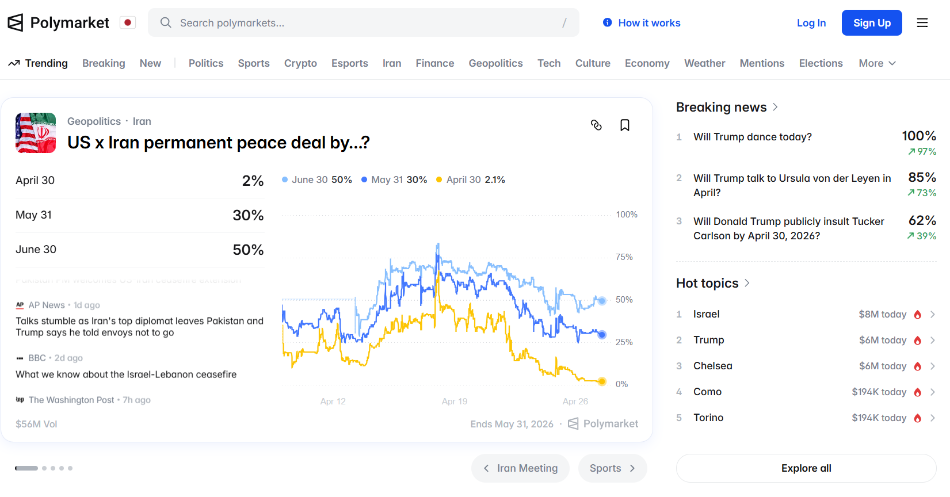
Polymarket operates as a decentralized prediction market platform where users can trade shares based on the outcomes of real-world events. By leveraging blockchain technology, the platform ensures transparency, immutability, and frictionless settlement across a wide array of global topics, ranging from geopolitical shifts to macroeconomic indicators. Recent platform updates have focused on optimizing user experience, improving liquidity depth, and introducing sophisticated order types traditionally reserved for conventional financial exchanges.
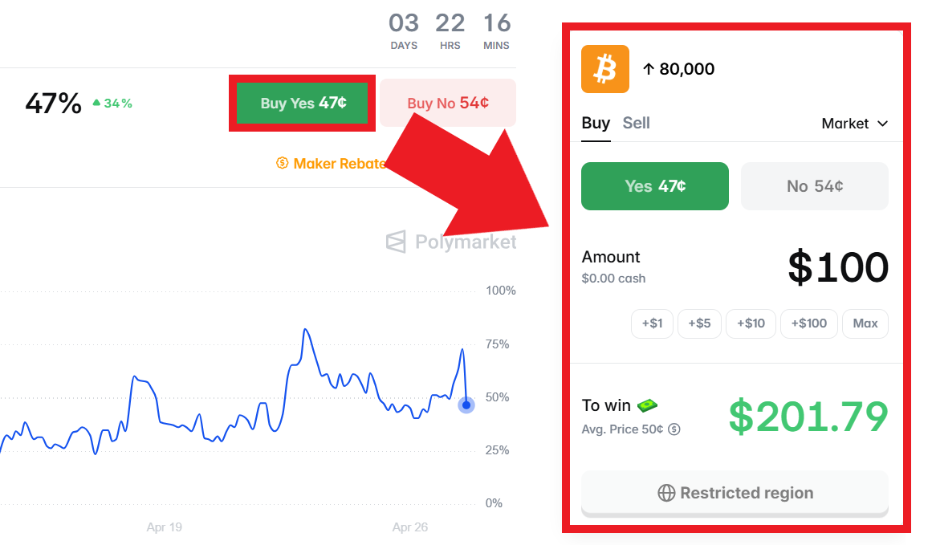
Market participants can now engage with a more diverse set of prediction contracts. For instance, short-term volatility contracts—such as whether Bitcoin will hit specific price targets within a 4-hour window—have gained substantial traction. These markets operate on a binary Yes/No outcome structure, where contract pricing dynamically reflects the collective probability assigned by the crowd.
Furthermore, the integration of advanced order execution tools allows traders to utilize limit orders, stop-losses, and automated portfolio rebalancing. These upgrades bridge the gap between niche decentralized finance (DeFi) applications and mainstream financial derivatives platforms, attracting a more sophisticated demographic of institutional traders and retail speculators alike.
Market Analysis and Probability Projections
A closer examination of Polymarket’s order books reveals high implied probabilities across several high-profile contracts. For instance, long-term macroeconomic indicators, regulatory milestones, and upcoming governance token events (TGEs) consistently command high trading volumes.
| Market Category | Implied Probability / Price Range |
|---|---|
| Geopolitical Events | 96% ~ 100% |
| Regulatory Milestones | 94% ~ 98% |
| Major Protocol Upgrades | 70% ~ 80% |
| Ecosystem Token Launches | 70% ~ 75% |
| Macroeconomic Indicators | 80% ~ 84% |
| Speculative Retail Markets | 46% ~ 50% |
The pricing mechanisms on Polymarket function as real-time sentiment barometers. Analysts and researchers frequently monitor these order books to gauge consensus expectations ahead of major macroeconomic announcements or regulatory decisions. The platform’s ability to aggregate fragmented information into a single, quantifiable probability metric has proven invaluable for risk management across various sectors.
Chronology of Platform Development
The trajectory of Polymarket reflects the broader maturation of the decentralized finance and prediction market sectors.
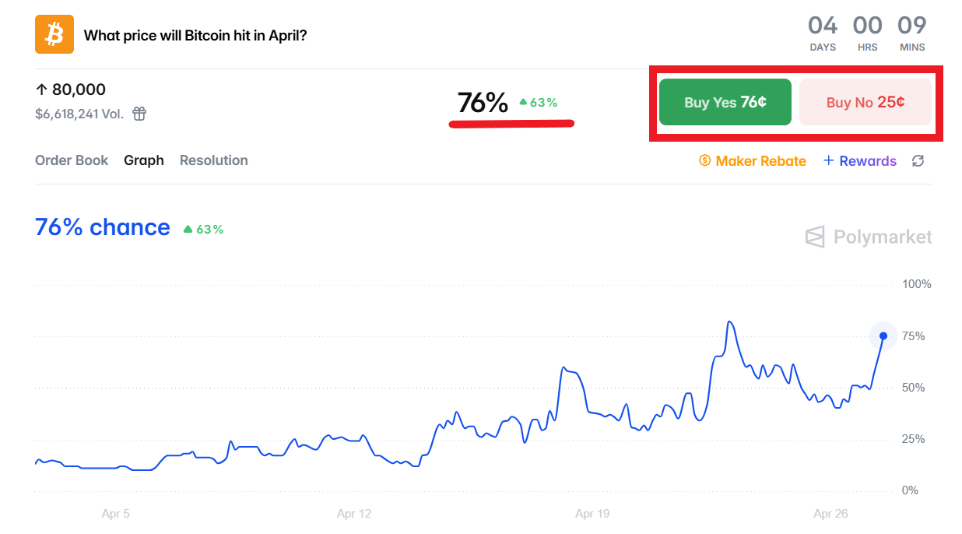
- Phase 1: Inception and Initial Growth: The platform launched with a focus on simple binary outcome contracts, primarily capturing niche interest during major global elections and cultural events.
- Phase 2: Infrastructure Scaling: Recognizing the need for faster settlement and lower transaction costs, Polymarket integrated advanced scaling solutions, drastically reducing friction for everyday traders.
- Phase 3: Advanced Financial Instruments: The introduction of limit orders, liquidity provider incentives, and multi-asset collateral support transformed the platform from a speculative novelty into a robust trading venue.
- Phase 4: Institutional Integration and Global Reach: Recent months have seen the platform optimize its onboarding pipelines, supporting both traditional Web2 social logins and secure Web3 self-custody wallets like MetaMask and Phantom.
Account Creation and Deposit Protocols
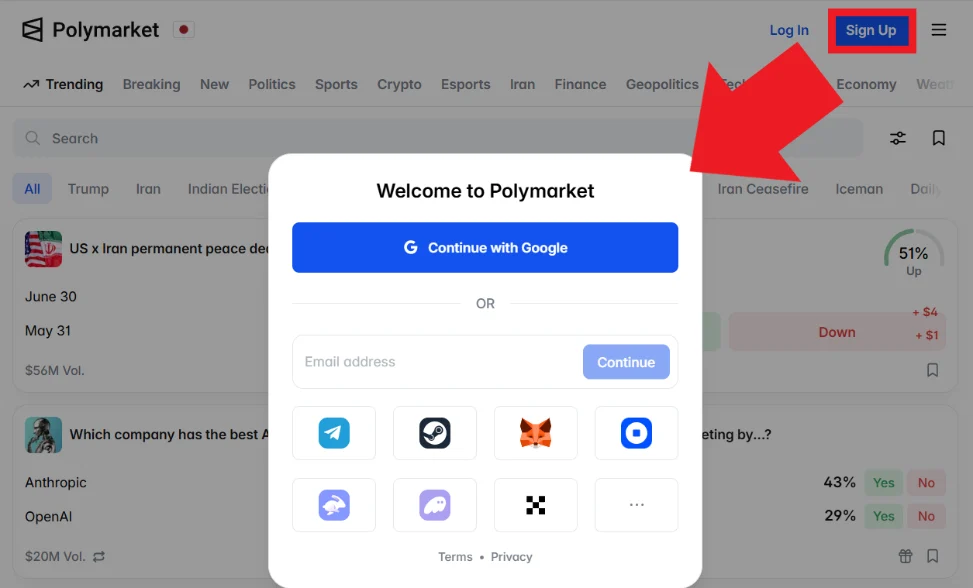
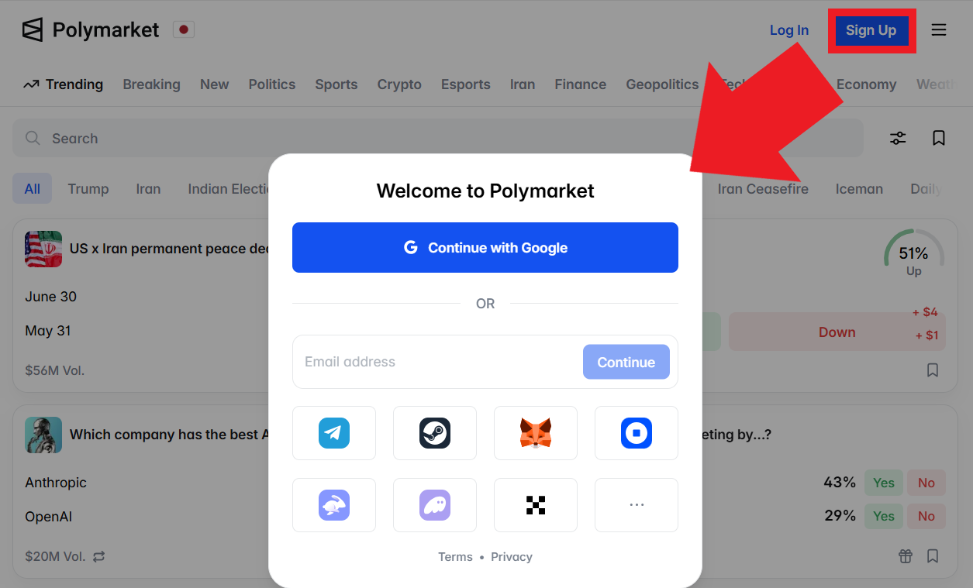
To participate in Polymarket’s prediction markets, users must complete a streamlined onboarding process. The platform supports multiple authentication methods, allowing users to sign up via Google credentials, email, or Web3 wallets.
For users opting for self-custody solutions, connecting a compatible wallet—such as MetaMask or Phantom—ensures direct control over funds and positions. Once authenticated, users can fund their accounts by depositing supported stablecoins, primarily USDC, via various blockchain networks.
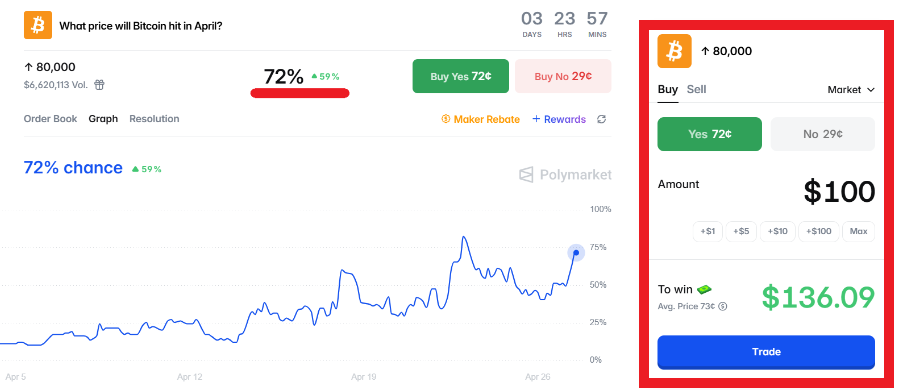
Standard Deposit and Withdrawal Steps:
- Navigate to the official Polymarket platform and select the "Sign Up" or "Connect Wallet" prompt.
- Choose your preferred authentication method (Web2 social login or Web3 wallet).
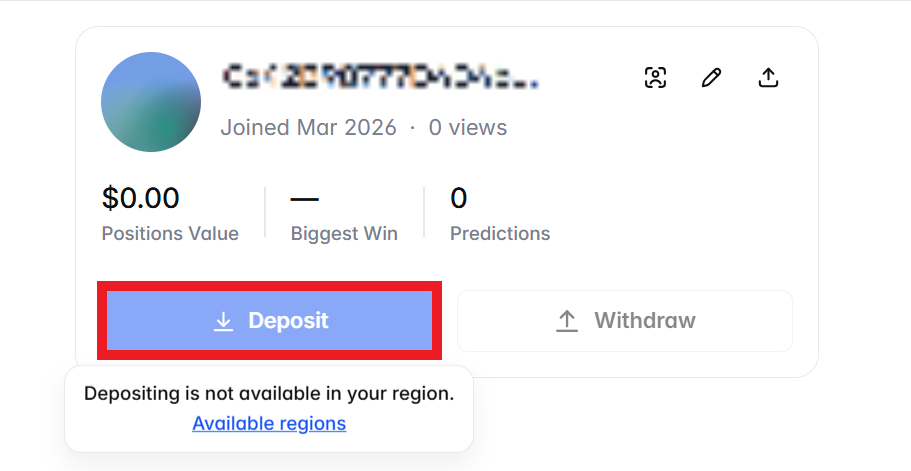
- Access the "Deposit" section within your account dashboard.
- Select the desired asset and blockchain network (e.g., Polygon-compatible USDC).
- Approve the transaction through your connected wallet to fund your trading balance.
Withdrawals follow a similarly straightforward procedure, allowing users to navigate to the dashboard, select "Withdraw," and transfer funds back to their personal external wallets or centralized exchange accounts.
Trading Strategies and Risk Management
Navigating Polymarket effectively requires a disciplined approach to risk management. Because prediction markets involve binary outcomes, positions can experience rapid value fluctuations as new information becomes public.
Traders frequently employ hedging strategies, balancing Yes and No positions across correlated markets to mitigate downside risk. For example, a trader holding a bullish position on a specific macroeconomic outcome might take a counter-position in a related market to protect against unexpected volatility.
Additionally, utilizing limit orders instead of market orders allows traders to secure precise entry and exit prices, avoiding slippage during periods of high market activity. Successful participants emphasize the importance of treating prediction markets not merely as gambling venues, but as probabilistic forecasting tools that demand rigorous research and continuous portfolio monitoring.
Regulatory Landscape and Compliance Measures
As Polymarket continues to scale, regulatory compliance remains a critical focal point for its operators. The platform implements stringent geofencing protocols to restrict access from jurisdictions where prediction markets face regulatory prohibitions.
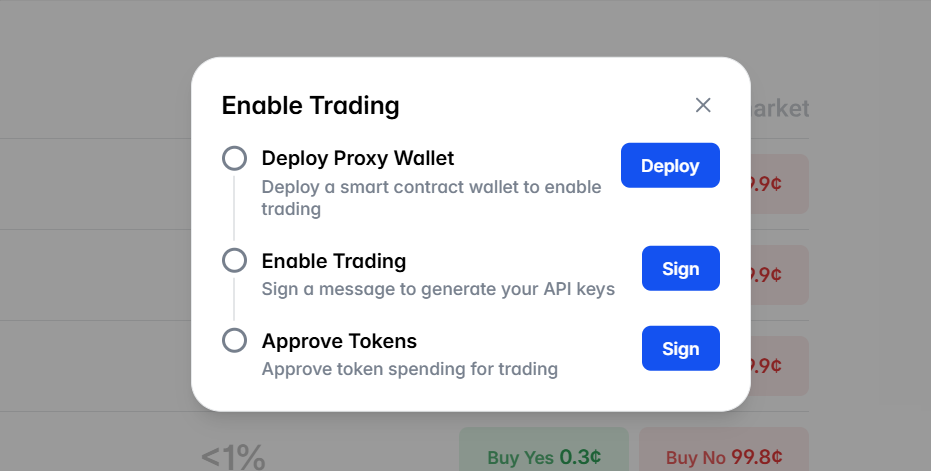
Users in restricted regions are typically filtered out through IP address checks and mandatory know-your-customer (KYC) or compliance screening frameworks where applicable. While these measures limit global accessibility in certain regions, they provide the necessary legal clarity for institutional participants and liquidity providers to engage with the platform safely.
Furthermore, compliance measures extend to the prevention of market manipulation and insider trading. Polymarket’s transparent order books and blockchain-based settlement layers allow for public auditing of trades, deterring malicious actors and fostering a fair trading environment.
Broader Impact and Industry Implications
The expansion of Polymarket signifies a broader shift in how society consumes, evaluates, and acts upon future uncertainties. By transforming qualitative forecasts into quantifiable financial assets, the platform provides a unique mechanism for price discovery that often outperforms traditional polling and expert consensus.
Industry analysts suggest that as prediction markets continue to integrate with mainstream financial infrastructure, their utility will extend far beyond speculation. Corporations, researchers, and policymakers are increasingly looking to decentralized prediction markets as reliable barometers for future trends, potentially paving the way for wider adoption and tokenized governance models in the near future.