• Home
Crypto Gohan
keep your memories alive
Ethereum & Smart Contracts

Project Odin: Forging Pathways to Sustainable Public Goods in the Ethereum Ecosystem

by Ammar Sabilarrohman September 18, 2025
written by Ammar Sabilarrohman

In the dynamic and often volatile world of blockchain, the fundamental infrastructure that underpins entire ecosystems frequently faces a precarious existence. These crucial components, often developed as open-source public goods, are vital for security, reliability, and innovation, yet they frequently operate on the razor’s edge of financial sustainability. The Ethereum ecosystem, a leading decentralized platform, has long grappled with this paradox: a wealth of technical talent dedicated to building essential tools, languages, and protocols, but a chronic deficit in the robust operational and funding strategies needed to ensure their long-term viability. This challenge recently crystallized with public calls for assistance from projects like Libp2p, a core networking stack indispensable to numerous Ethereum clients and a significant portion of the broader Web3 infrastructure, highlighting a systemic vulnerability. In response, the Ethereum Foundation (EF) has launched Project Odin, a structured support program designed to empower strategic grantees to forge credible and diversified pathways to sustainability, thereby bolstering the entire ecosystem’s resilience.

The Funding Imperative: A Crisis for Core Infrastructure

The "commons called. It wants a runway." This evocative statement succinctly captures the core dilemma facing many foundational blockchain projects. Unlike venture-backed startups with clear commercial roadmaps, public goods projects deliver value that is widely distributed and often difficult to directly monetize. This creates a "tragedy of the commons" scenario, where everyone benefits from shared infrastructure, but no single entity is incentivized to bear the full cost of its maintenance and development, lest they face a competitive disadvantage. Consequently, these projects often rely on ad-hoc funding mechanisms—grants, donations, or community support—which, while well-intentioned, are inherently fragile, susceptible to market cycles, political shifts within decentralized autonomous organizations (DAOs), and fluctuating attention spans. The recent "mayday" issued by Libp2p, a critical peer-to-peer networking protocol, served as a stark reminder of this precarious reality. Despite powering a significant portion of Web3, including Ethereum clients like Geth and Prysm, Libp2p found its financial resources running thin, prompting a public plea for support in late 2023. This incident was not isolated; it reflected a recurring pattern of funding scares that have plagued vital open-source initiatives across the blockchain landscape, particularly following periods of market downturns that saw venture capital dry up and existing grant programs tighten their belts. The reliability of funding flows, it became clear, is almost as critical as the funding itself, influencing a project’s ability to plan, innovate, and retain talent.

Understanding Ethereum’s Public Goods Landscape

To fully appreciate Project Odin’s significance, one must understand the unique nature of "public goods" within the blockchain context. As defined by Vitalik Buterin, a co-founder of Ethereum, these are "teams building and open-sourcing things that are maximally valuable to our ecosystem." This encompasses a vast array of software, research, and infrastructure, from core protocol development and client implementations to developer tooling, cryptographic libraries, and educational resources. These projects are the unsung heroes that quietly ensure the network’s security, enhance its reliability, and enable its continuous evolution. Without robust public goods, the entire ecosystem would stagnate, unable to innovate or scale securely.

Historically, the Ethereum Foundation has been a primary financier of these public goods through grants, allocating hundreds of millions of dollars over the years to foster a thriving developer ecosystem. For instance, in 2023 alone, the EF provided over $30 million in grants across various categories, demonstrating its commitment to nurturing foundational work. However, the EF recognizes that sole dependency on a single funding source, even a generous one, creates a single point of failure. The challenge is not a lack of talent; the ecosystem is teeming with highly skilled professionals engaged in deeply technical work. The gap lies in transforming these technically brilliant projects into organizationally mature, financially resilient institutions capable of navigating the long haul. Many teams, while excelling in research and engineering, often lack the specialized expertise in fundraising, operational management, business development, and strategic planning necessary to secure diversified and sustainable revenue streams. This vulnerability means that while they build the bedrock of Web3, their own foundations remain perpetually fragile.

Introducing Project Odin: A Strategic Shift Towards Sustainability

Project Odin emerges as a direct response to this systemic issue. It is a structured, hands-on support program specifically designed to bridge the operational and strategic gaps faced by a select group of strategic Ethereum Foundation grantees. The core mechanic is elegantly simple yet profoundly impactful: each participating team is paired with an embedded strategic advisor. This advisor works alongside the team, providing continuous, iterative guidance on sustainability planning and execution over a two-year horizon. Unlike one-off workshops or sporadic mentorship, Odin’s approach is deeply integrated and delivery-oriented, moving participants from initial exploration and diagnosis to option mapping, validation, and ultimately, execution. The explicit goal is to strengthen a project’s "runway" – its operational lifespan – by identifying and piloting revenue-generating opportunities and ensuring their effective implementation.

Odin’s inception stems from observing a persistent pattern of fragility among some of the most critical teams in the Ethereum ecosystem, particularly those maintaining core infrastructure, programming languages, and developer tooling. These teams, while delivering immense value, found their ability to plan beyond the immediate grant cycle severely constrained by uncertainty, a limited understanding of diverse funding options, and insufficient bandwidth for "non-technical" capabilities such as fundraising strategy, stakeholder communications, and organizational design. Historically, sustainability planning often came too late, typically when a grant was nearing its end, forcing reactive pivots and increasing pressure on teams to secure the next round of funding. Project Odin inverts this dynamic, embedding proactive support early in the lifecycle, treating sustainability not as an afterthought to be patched, but as a foundational element to be designed into the project’s operational model from day one. While it adopts the accountability and cadence often associated with accelerator programs, Odin’s ultimate objective is not venture-scale growth but long-term viability: transforming vital public goods projects into stable, self-sustaining institutions that can continue their critical work across multiple market cycles without the constant specter of existential risk.

Key Challenges for Grantees: Beyond Technical Prowess

The recurring challenges identified among EF grantees rarely stem from a lack of technical excellence. Ethereum’s public goods ecosystem boasts some of the brightest minds in distributed systems and cryptography. Instead, the primary gap lies in the absence of a clear, viable plan for sustainable funding and the operational capacity to execute it. Many teams operate with a single dominant funding source, making them highly susceptible to market downturns, shifts in governance priorities within DAOs, or changes in the funding organization’s focus. The 2022 crypto market crash, often referred to as "crypto winter," vividly demonstrated this vulnerability, as many projects saw their funding curtailed or delayed, forcing difficult decisions regarding staffing and development roadmaps.

Even when teams attempt to diversify their funding, the landscape is complex and difficult to navigate. The sheer variety of potential sources – from traditional foundation grants and protocol/DAO grants to more novel mechanisms like retroactive public goods funding, quadratic funding, sponsorships, and commercial or hybrid models – each comes with its own set of incentives, timelines, and inherent risks. Without structured guidance, projects can easily drift into a reactive cycle of grant applications rather than building a coherent, long-term strategic plan. Evaluating the trade-offs between these various channels (e.g., the predictability of a service contract versus the community-driven nature of quadratic funding) and generating confident, actionable options is a significant hurdle for teams whose primary expertise lies in deep technical development.

Furthermore, operational maturity often presents another constraint. A team can be outstanding at engineering but struggle with crucial organizational elements such as consistent planning cadence, clear role definitions, effective decision-making processes, robust stakeholder communications, or the appropriate legal structures needed to offer services or engage in commercial activities. Bridging the "translation layer" – converting cutting-edge research and development into tangible outputs that other ecosystem participants can reliably adopt, integrate, or even pay to support – is a skill set often underdeveloped within purely technical teams. Project Odin seeks to cultivate these organizational muscles, transforming technically adept teams into operationally robust entities.

Odin’s Methodology: A Phased Approach to Resilience

Project Odin’s pilot program strategically focuses on EF grantees who have previously received significant funding and whose long-term health is deemed critical to the Ethereum ecosystem. The selection criteria emphasize projects that directly serve core user needs and materially contribute to Ethereum’s security, resilience, and day-to-day usability. The focus is not on "who is struggling," but rather "who has been foundational and would most benefit from structured sustainability support," particularly where fundraising, business development, or operational capacity, rather than technical prowess, represents the primary bottleneck.

The engagement unfolds over a comprehensive year-long program, structured into three distinct yet interconnected phases:

  1. Research and Mapping of Options: This initial phase is dedicated to a deep dive into the project’s current state, past funding attempts, and its specific ecosystem context. The strategic advisor works closely with the team to identify and map out all realistic funding and sustainability options. This isn’t about imposing a single "correct" model but rather highlighting the diverse range of possibilities, clarifying the trade-offs associated with each funding channel, especially regarding predictability and operational burden. Key assumptions about the most suitable funding mechanisms are formulated, grounded in the project’s unique nature and goals. This involves analyzing market demand, competitor landscapes, and the project’s existing user base to identify latent value that could be monetized or leveraged for sustainable funding.

    This Is Fine (Until the Grant Runs Out) | Ethereum Foundation Blog
  2. Validation of Promising Paths: Once a range of options is mapped, the program moves into validating the most promising avenues that the team is comfortable pursuing. This typically involves initiating external conversations early on with potential funders, DAO delegates, partner organizations, or even potential commercial customers. The advisor assists in shaping compelling messaging, developing robust proposals, and constructing concrete plans that are actionable and measurable. Defining an ideal customer profile becomes essential here, ensuring a strong alignment between the project’s dependencies and its users. Leveraging the EF’s extensive network, Odin aims to facilitate introductions and relationships that can translate into tangible support and funding.

  3. Execution and Pipeline Improvement: The final phase focuses on the hands-on execution of the chosen sustainability strategies. This includes building out necessary materials for fundraising and partnerships, refining pitch decks, and, where appropriate, assisting the team in structuring and pursuing contractable work or support agreements. A critical aspect of this phase is ensuring that these commercial or hybrid activities do not derail the project’s core public goods output. The goal is to integrate these new funding streams seamlessly, creating a diversified and robust financial pipeline that reduces dependency on single sources. This might involve developing service level agreements (SLAs), training programs, or specialized consulting services tailored to ecosystem needs.

Success within Project Odin is measured not merely by the polish of a strategic roadmap but by tangible outcomes: an increase in organizational resilience, a credible path to reduced dependency on the Ethereum Foundation, and demonstrable progress towards diversified funding sources. Concretely, this can manifest as an improved operational cadence, stronger external communication strategies, and, crucially, at least one repeatable "revenue-like" stream (such as support contracts or service agreements) that significantly stabilizes monthly operations. Beyond individual project success, Odin also aims to produce reusable tools and guidelines – templates, playbooks, and measurable success metrics – that can be applied to future cohorts, making sustainability support increasingly systematic across the ecosystem.

Case Study: Vyper and the Foundation for Verified Software

The Vyper core team, a recipient of EF grants since its early development, has gracefully stepped forward as Project Odin’s inaugural pilot participant. This engagement is particularly insightful because Vyper, a Pythonic smart contract language for the Ethereum Virtual Machine (EVM), embodies the exact type of critical public good Odin aims to support. Conceived by Vitalik Buterin in 2016, Vyper prioritizes security, simplicity, and readability, making contracts easier to audit and less prone to common vulnerabilities while still generating gas-efficient EVM bytecode. Over nine years of continuous development, with 76 releases, over 230 contributors, and more than 5,100 GitHub stars, Vyper has cemented its status as a canonical choice for high-stakes DeFi infrastructure. At its peak, Vyper secured over $27 billion in on-chain value, and today, 7,959 Vyper smart contracts secure more than $2.3 billion in Total Value Locked (TVL) across various leading blockchains, with an all-time high TVL exceeding $30 billion.

The team behind Vyper recently established the Foundation for Verified Software, an institutional home for their work, signifying a strategic move towards long-term sustainability. This foundation’s north star is AI-assisted formal verification – an approach that treats machine-checkable correctness as a first-class property of software, not an afterthought. This is crucial because formal verification offers an unprecedented level of safety and trust in smart contract code, a growing demand from institutional capital and a new generation of developers seeking to mitigate the catastrophic risks associated with smart contract exploits. The implications of Vyper’s success are ecosystem-wide: language diversification is essential for Ethereum’s resilience, and Vyper’s focus on formal verification addresses a critical security need, potentially preventing billions of dollars in future losses due to vulnerabilities.

Diversification as Risk Management: Lessons from Vyper

Working with Vyper has underscored a fundamental insight for Project Odin: different funding channels behave very differently under stress. Retroactive public goods funding, while powerful in principle, is inherently uncertain in its timing and amount. Quadratic funding mechanisms, championed by projects like Gitcoin, can be effective but often demand repeated campaigning, are sensitive to matching-pool volatility, and rely on fluctuating community attention cycles. DAO and protocol grants can be substantial but introduce governance overhead, requiring active participation in sometimes contentious political processes, and in some cases, expose projects to token volatility risk.

This is precisely why Odin treats funding diversification not as an optional luxury but as a core risk management technique. The program emphasizes revenue-generating and hybrid options, not as a rejection of public goods funding, but as a pragmatic way to introduce predictability and stability into funding flows. For a project like Vyper, this means exploring models where paid support contracts, Service Level Agreements (SLAs), specialized training, or consulting services can coexist with grants and retroactive funding. Such hybrid models provide a stable baseline for operational expenses, allowing grants and public goods mechanisms to fund core development, long-term research, and speculative innovation without the pressure of immediate financial precarity.

The engagement with Vyper aims for a significant shift: from pursuing a single, idealized funding source to constructing a resilient portfolio. This involves maintaining legitimacy and community support through ecosystem-aligned public goods mechanisms while simultaneously establishing one or two reliable, contract-based funding streams that can cover a significant portion of operational expenses. Over time, as delivery discipline strengthens and outputs become more "contractable," this trajectory begins to resemble the "Frontier Research Contractor" (FRC) pattern – a model where sustained, cutting-edge research and development are funded by a blend of grants and contracts, directly addressing real stakeholder needs.

The Future Vision: Frontier Research Contractors (FRCs)

Today, Project Odin functions as an accelerator for Ethereum-related public goods. If its pilot proves effective, the long-term ambition extends beyond supporting individual teams to fostering a new institutional form currently lacking in the ecosystem: Frontier Research Contractors (FRCs). FRCs would be specialized entities capable of funding advanced technical work through a strategic mix of grants and contracts, solving complex engineering problems for others with strong delivery discipline and a customer-focused approach.

This model is critical because existing organizational categories often fail to adequately serve fast-growing, technically complex public goods projects. Traditional startups are typically driven by product market fit and investor expectations, making it difficult for them to justify contract-driven research that doesn’t immediately align with product velocity or market timing. Conversely, large research organizations, while excellent at coordinated, long-horizon efforts, often struggle with the agility, speed, and high-context responsiveness required by a rapidly evolving ecosystem like Ethereum.

The Foundation for Verified Software by Vyper is not just an example of this trajectory; it represents the first concrete instantiation of what an FRC could look like in practice. It operates without the pressures of venture investors demanding product velocity over long-horizon verification research, while allowing a separate commercial entity to pursue market opportunities without compromising the Foundation’s research mandate. It is also not a slow-moving academic institution; it can respond quickly to sharp, fast-moving engineering needs that traditional research bodies are structurally unable to serve. It precisely occupies the gap that the FRC model is designed to fill.

The FRC model promises a durable "delivery engine" for frontier engineering and research. Project Odin is a crucial stepping stone towards this vision, emphasizing clear outputs, alignment with ecosystem needs, operational rigor, and the development of stable funding portfolios. In this sense, Odin is more than just a support program; it is a vital laboratory for understanding the essential components required to create resilient, long-lasting research-and-delivery institutions for public goods within the decentralized sphere. The unifying characteristic among future FRC founders will be their ability to sustain and finance progress by addressing real customer needs while simultaneously pursuing ambitious technical visions. Future insights from Project Odin are expected to delve deeper into the evolving FRC vision, sharing learnings and refining the model.

Why This Matters

Ethereum’s enduring resilience, security, and capacity for innovation are inextricably linked to the health and stability of its public goods. When teams dedicated to foundational, technically challenging, and not easily monetized work operate under constant funding fragility, the entire ecosystem pays a heavy price through slower iteration cycles, heightened security risks, and the potential loss of invaluable institutional knowledge and talent. Project Odin represents a deliberate and systematic attempt to fundamentally alter this default state. By treating sustainability as a core design problem and addressing it proactively with structured guidance, rigorous accountability, and hands-on support, the Ethereum Foundation is investing not just in individual projects, but in the long-term vitality of the entire decentralized future it champions. This initiative, alongside other efforts by the EF’s Funding Coordination team, aims to chart a clear, more predictable direction for the Ethereum public goods ecosystem, ensuring that the builders of tomorrow’s infrastructure have the runway they need to thrive. Those interested in learning more about Project Odin or contributing to its mission are encouraged to contact [email protected].

September 18, 2025 0 comment
0 FacebookTwitterPinterestEmail
Ethereum & Smart Contracts

Ethereum Poised for Monumental Rally by 2026, Analyst Predicts 400% Surge to New All-Time Highs Amidst Dwindling Supply and Institutional Inflows.

by Layla Zulfa September 16, 2025
written by Layla Zulfa

Despite a period of perceived underperformance in recent years, the underlying bullish sentiment surrounding Ethereum (ETH) remains robust among investors and market analysts. A notable forecast from crypto analyst Leshka.eth projects a significant resurgence for the altcoin, anticipating that the Ethereum price is poised to reach unprecedented all-time highs by 2026. This ambitious prediction suggests a potential rally of 400% or more, driven by a confluence of technical patterns, tightening supply dynamics, and increasing institutional interest.

Understanding the Predicted 400% Rally: A Pattern-Based Analysis

The core of Leshka.eth’s bullish outlook stems from a recurring historical pattern identified on the Ethereum/Bitcoin (ETH/BTC) chart. This cross-asset chart is crucial as it measures Ethereum’s performance relative to Bitcoin, the cryptocurrency market’s undisputed leader. A strong ETH/BTC chart indicates that Ethereum is gaining strength and market dominance against Bitcoin, often preceding significant rallies in its USD value.

The pattern delineated by Leshka.eth comprises three distinct phases: consolidation, accumulation, and rally. This sequence, observed in previous market cycles, provides a framework for understanding potential future price movements.

The Precedent: Ethereum’s 2016-2017 Explosive Growth

To contextualize the current prediction, it is essential to revisit Ethereum’s earlier market behavior. The first prominent instance of this pattern began around 2016. Following its initial coin offering (ICO) in 2014 and subsequent launch in 2015, Ethereum spent a considerable period in a phase of consolidation at relatively lower price levels. This phase, characterized by limited price movement and a general lack of market direction, lasted for several months.

Once Ethereum broke out of this initial consolidation, it transitioned into an accumulation trend. During this phase, often marked by price volatility but an overall upward bias, market participants gradually acquired ETH, anticipating future growth. The price would "ping-pong" within a defined range, establishing stronger support levels before eventually hitting a cyclical low, which often served as a launchpad for the next phase.

Analyst Predicts Ethereum Price Will Rise 400% To $8,000 In 6 Months, And There’s A Pattern Behind It |

The culmination of this pattern in the 2017 bull market was the rally stage. This period saw an extraordinary surge in Ethereum’s value, fueled by growing adoption, the burgeoning initial coin offering (ICO) boom, and increasing awareness of its smart contract capabilities. From approximately $56, Ethereum’s price soared by more than 1,500%, peaking at an impressive $1,151 by early 2018. This historical event demonstrated the immense potential for exponential growth once the pattern’s preceding phases were complete.

The Current Cycle: A Larger Scale Repetition

Leshka.eth’s analysis highlights that the same pattern is now unfolding, but on a significantly grander and more extended timescale. The current cycle’s consolidation trend began around 2018, following the peak of the previous bull market. This phase, unlike its predecessor, spanned several years, effectively lasting until 2021. This prolonged consolidation indicates a more profound re-evaluation and establishment of market foundations.

Subsequent to this multi-year consolidation, Ethereum entered its current accumulation trend, which commenced in 2021 and is projected to extend into 2026. The extended duration of this accumulation phase, lasting years rather than months, is a critical element of Leshka.eth’s forecast. The analyst posits that the longer the foundational phases of consolidation and accumulation, the more potent and explosive the subsequent rally is likely to be. This suggests that the current cycle is building up energy for a move far surpassing previous peaks.

Key Drivers Beyond Technical Patterns: Institutional Adoption and Supply Squeeze

While technical analysis provides a roadmap, fundamental factors are crucial for sustaining such a rally. Leshka.eth’s prediction is further bolstered by two significant macro trends: the increasing institutional adoption of Ethereum and a persistent reduction in its available supply on cryptocurrency exchanges.

Growing Institutional Interest in Ethereum:
The past few years have witnessed a notable shift in how traditional financial institutions view cryptocurrencies, moving from skepticism to strategic engagement. Following the approval of spot Bitcoin Exchange-Traded Funds (ETFs) in the United States, attention has increasingly turned towards Ethereum. Institutions are recognizing Ethereum’s foundational role in the decentralized finance (DeFi) ecosystem, its dominance in the non-fungible token (NFT) market, and its broader utility as a platform for decentralized applications (DApps).

Data from various market intelligence firms indicates a steady increase in institutional inflows into Ethereum-related investment products. Products like the Grayscale Ethereum Trust (ETHE) have long served as a proxy for institutional exposure, but the anticipation of spot Ethereum ETFs could unlock even greater capital flows. Major financial players are increasingly allocating portions of their portfolios to digital assets, and Ethereum, as the second-largest cryptocurrency by market capitalization and a pivotal smart contract platform, is a primary beneficiary. This institutional embrace provides a substantial demand-side catalyst that was largely absent during earlier cycles. Moreover, the robust regulatory frameworks developing globally are slowly legitimizing crypto as an asset class, making it more palatable for institutional investors with strict compliance requirements.

Analyst Predicts Ethereum Price Will Rise 400% To $8,000 In 6 Months, And There’s A Pattern Behind It |

Dwindling Supply on Exchanges:
Another powerful factor supporting a potential price surge is the continuous decline in Ethereum’s supply held on centralized exchanges. This metric is a key indicator of market sentiment and potential future selling pressure. When a significant amount of a cryptocurrency is removed from exchanges and held in private wallets or staked, it suggests that holders are opting for long-term investment strategies rather than short-term trading or selling.

Several factors contribute to this supply squeeze:

  1. Staking: Ethereum’s transition from a Proof-of-Work (PoW) to a Proof-of-Stake (PoS) consensus mechanism via "The Merge" in September 2022 introduced staking. A substantial portion of the ETH supply is now locked in staking contracts, earning rewards for network validation. This ETH is effectively removed from immediate market circulation, reducing the liquid supply available for trading.
  2. DeFi and NFTs: A large amount of ETH is locked in various DeFi protocols (e.g., lending platforms, decentralized exchanges) and used as collateral or payment in the NFT market. As these ecosystems grow, more ETH is taken out of general circulation.
  3. HODLing Sentiment: The long-term conviction among Ethereum holders (often referred to as "HODLers") has strengthened, with many opting to hold their assets through market volatility, anticipating future growth.
  4. EIP-1559 Burn Mechanism: Introduced in August 2021, EIP-1559 implemented a mechanism to burn a portion of transaction fees. This continuous burning mechanism has a deflationary effect on Ethereum’s supply, particularly during periods of high network activity, further contributing to supply scarcity.

The combined effect of these factors creates a scenario where reduced supply meets increasing demand, a classic economic precursor to significant price appreciation. Market intelligence platforms consistently report decreasing ETH balances on exchanges, underscoring this trend.

Target Price and Timeline: A New Epoch for Ethereum

Taking into account the extended timeframe of the current pattern and the powerful fundamental tailwinds, Leshka.eth predicts a target rally of 3-4x from current levels. Given that Ethereum has been maintaining support around the $2,000-$2,200 range, this projection would place the Ethereum price at a minimum of $6,000 and potentially exceeding $8,000. Such a move would unequivocally represent a new all-time high for the cryptocurrency, eclipsing its previous peak of approximately $4,891 achieved in November 2021.

Regarding the timeline, the analyst suggests that the initial stages of this rally, potentially leading to new peaks, could materialize within the next six months. However, the full extent of the predicted 2026 rally implies a sustained upward trajectory over the coming year or two, culminating in the projected price targets. This aligns with broader market expectations for a multi-year bull cycle following Bitcoin’s halving events.

Broader Market Implications and Ethereum’s Ecosystem Evolution

A substantial rally in Ethereum’s price would have cascading effects across the entire cryptocurrency market. As the leading altcoin and a foundational platform, Ethereum’s performance often dictates the sentiment and trajectory of the broader altcoin market. A strong ETH run could trigger an "altcoin season," where capital flows from Bitcoin into various other cryptocurrencies, leading to widespread gains.

Analyst Predicts Ethereum Price Will Rise 400% To $8,000 In 6 Months, And There’s A Pattern Behind It |

Furthermore, a significant price increase would reinforce Ethereum’s position as a dominant force in the decentralized economy. Higher ETH valuations would inject renewed capital and enthusiasm into the DeFi sector, potentially increasing Total Value Locked (TVL) and fostering innovation in lending, borrowing, and decentralized exchanges. The NFT market, which largely operates on Ethereum, would also likely experience a resurgence, attracting new artists, collectors, and developers.

The ongoing evolution of the Ethereum network itself is another critical factor. Following The Merge, the network has continued to implement significant upgrades. The recent Dencun (Cancun + Deneb) upgrade, for instance, introduced "proto-danksharding" via EIP-4844, significantly reducing transaction costs for Layer 2 rollups. This enhancement is crucial for scaling Ethereum and making its ecosystem more accessible and affordable for a wider user base. Future upgrades, including full sharding, aim to further improve transaction throughput and efficiency, strengthening Ethereum’s long-term viability and competitive edge against other Layer 1 blockchains. These technological advancements provide a solid fundamental basis for sustained value appreciation.

Potential Risks and Counterarguments

While the bullish case for Ethereum is compelling, it is imperative for a comprehensive analysis to acknowledge potential risks and counterarguments. The cryptocurrency market is inherently volatile and susceptible to various external factors.

  1. Regulatory Uncertainty: Shifting regulatory landscapes globally could impact the adoption and perception of cryptocurrencies. While progress has been made, inconsistent or overly restrictive regulations could dampen market enthusiasm.
  2. Macroeconomic Headwinds: Broader economic conditions, such as inflation, interest rate hikes, or geopolitical instability, can influence investor sentiment across all asset classes, including crypto. A severe global recession could curtail speculative investments.
  3. Competition from Other L1s: The blockchain space is highly competitive, with numerous "Ethereum killers" (e.g., Solana, Avalanche, Cardano) vying for market share by offering alternative scaling solutions or different architectural approaches. While Ethereum maintains a significant first-mover advantage and network effect, intense competition could fragment developer and user attention.
  4. Technical Risks: While Ethereum’s development team is highly skilled, unforeseen technical vulnerabilities or delays in critical upgrades could impact network performance and investor confidence.
  5. Market Psychology: Technical patterns, while historically useful, are not foolproof predictors. Unexpected market events or shifts in investor psychology could invalidate even the most robust technical analyses. The "disappointing performance over the last few years" mentioned in the original context highlights the market’s capacity for extended periods of consolidation or downturn, testing investor patience.

Conclusion: A Crossroads for Ethereum

Leshka.eth’s forecast of a 400% rally for Ethereum by 2026 to new all-time highs is a significant statement, grounded in historical technical patterns and reinforced by strong fundamental indicators. The confluence of an extended accumulation phase, burgeoning institutional adoption, and a steadily dwindling supply on exchanges paints a compelling picture for Ethereum’s future trajectory. While the path to new peaks will undoubtedly be marked by market volatility and external challenges, the underlying forces at play suggest that Ethereum is indeed at a critical juncture, potentially poised for a monumental surge that could redefine its market valuation and solidify its standing as a cornerstone of the decentralized future. As the crypto landscape continues to mature, such predictions, backed by meticulous analysis and evolving market dynamics, provide valuable insights into the potential pathways for leading digital assets like Ethereum.

September 16, 2025 0 comment
0 FacebookTwitterPinterestEmail
DeFi (Decentralized Finance)

1inch Unveils Major Swap Interface Upgrade, Forges xStocks Partnership, and Launches US Campus Education Initiative in a Transformative March

by Raul Delapena Setiawan September 15, 2025
written by Raul Delapena Setiawan

March proved to be a pivotal month for 1inch, marked by a series of strategic advancements and initiatives designed to enhance user experience, foster institutional adoption, and cultivate the next generation of decentralized finance (DeFi) talent. The month saw the unveiling of a significantly upgraded swap interface, a crucial collaboration with xStocks aimed at elevating the trading of tokenized real-world assets (RWAs), and the launch of "1inch Forward," a dedicated US campus education campaign. These developments, coupled with significant optimizations to 1inch Business for agentic DeFi and active participation in prominent industry events, underscore 1inch’s commitment to continuous innovation and the broader expansion of the DeFi ecosystem.

Revolutionizing the User Experience: The 1inch Swap Interface Overhaul

At the forefront of 1inch’s March innovations was a comprehensive upgrade to its core swap interface, a move designed to make decentralized trading faster, simpler, and more powerful for all users. The importance of a robust, intuitive, and efficient trading interface cannot be overstated in the fast-paced and often complex world of DeFi. As a leading decentralized exchange (DEX) aggregator, 1inch’s primary value proposition lies in its ability to scan numerous liquidity sources across various blockchains to find the most optimal swap paths, minimizing slippage and ensuring the best possible rates for users. This latest upgrade, therefore, represents a significant investment in improving that core utility.

The most notable features of this overhaul include the introduction of a brand-new Advanced Trading Form and the debut of the 1inch Terminal, which effectively replaces the previous "Pro Mode." The Advanced Trading Form is tailored for users seeking more granular control over their transactions, offering enhanced customization options that go beyond standard market orders. This allows for more sophisticated trading strategies, enabling users to manage aspects like gas fees, slippage tolerance, and transaction deadlines with greater precision. Such features are crucial for experienced traders who navigate volatile markets and require fine-tuned execution to maximize their returns and minimize risks.

The 1inch Terminal, meanwhile, represents a significant leap forward in providing a professional-grade trading environment within the decentralized sphere. Designed with the needs of seasoned traders in mind, it integrates advanced charting tools, real-time market data analytics, and potentially more complex order types, such as limit orders with conditional logic, although specific details beyond the blog post would require further investigation. This transition from "Pro Mode" to "Terminal" signifies a maturation of 1inch’s offerings, moving towards a more comprehensive suite of tools that mirrors the functionalities found in traditional finance trading platforms, but with the inherent advantages of decentralization. The aim is to attract and retain professional traders who demand sophisticated analytics and execution capabilities, thereby increasing the overall trading volume and liquidity flowing through the 1inch network.

Beyond the interface enhancements, a "major boost in swap speed across the entire 1inch infrastructure" was also implemented. In DeFi, where market conditions can change in milliseconds and transaction finality is paramount, speed is a critical differentiator. This improvement likely stems from optimizations in 1inch’s proprietary Pathfinder algorithm, which intelligently routes trades across multiple DEXs, as well as enhancements to its underlying infrastructure, such as faster node integrations or more efficient smart contract interactions. Faster swap speeds translate directly into a better user experience, reduced opportunities for front-running, and improved overall efficiency, making 1inch an even more competitive platform in the crowded DEX aggregation space. This continuous focus on performance is essential for maintaining a competitive edge and attracting higher trading volumes, which in turn benefits liquidity providers and the overall health of the ecosystem.

Strategic Alliance with xStocks: Pioneering Real-World Asset Trading

Another significant development in March was 1inch’s strategic partnership with xStocks, a collaboration poised to make substantial inroads into the burgeoning sector of tokenized Real-World Assets (RWAs). This partnership aims to improve on-chain liquidity and elevate the trading experience for these novel digital assets. The concept of RWAs on the blockchain is rapidly gaining traction, representing a crucial bridge between traditional finance (TradFi) and the decentralized economy. RWAs encompass a wide array of tangible and intangible assets, such as real estate, commodities, stocks, bonds, and even intellectual property, that are tokenized and represented as digital tokens on a blockchain. This tokenization process allows for fractional ownership, increased liquidity, and greater accessibility, potentially revolutionizing how these assets are owned, traded, and managed.

However, the RWA sector faces inherent challenges, particularly regarding liquidity and regulatory clarity. Many tokenized RWAs are still relatively nascent, leading to thinner order books and higher slippage compared to established crypto assets. This is where the 1inch-xStocks partnership becomes critical. While specific details of xStocks’ operations were not extensively covered in the original announcement, it can be inferred that xStocks specializes in facilitating the issuance and trading of these tokenized real-world assets. By integrating with 1inch’s powerful aggregation capabilities, the partnership can leverage 1inch’s ability to tap into diverse liquidity pools across various decentralized exchanges. This means that users looking to trade tokenized RWAs via xStocks could potentially benefit from 1inch’s Pathfinder algorithm, which would scout the best prices and lowest slippage across all connected liquidity sources, effectively enhancing the on-chain liquidity for these assets.

For traders, this collaboration promises an "elevated trading experience." This could manifest as more competitive pricing for RWAs, reduced transaction costs, and a broader array of trading pairs. Furthermore, by bringing RWA liquidity onto a more efficient aggregation layer, the partnership helps to normalize and integrate these assets into the broader DeFi landscape, making them more accessible to a wider audience of decentralized traders and investors. The implications of this partnership extend beyond just improved trading. It signals a growing recognition within the DeFi space of the immense potential of RWAs to bring significant value, stability, and diversification to the crypto ecosystem. As regulatory frameworks for digital assets evolve, partnerships like this pave the way for a future where traditional assets are seamlessly integrated into decentralized financial systems, offering new investment opportunities and unlocking capital efficiencies that were previously unattainable. This move by 1inch positions it at the forefront of a significant trend, potentially attracting a new class of investors and assets to its platform.

1inch Forward: Cultivating DeFi Talent on US University Campuses

Recognizing the escalating demand for blockchain and cryptocurrency education among younger demographics, 1inch launched "1inch Forward," an ambitious education campaign aimed at bringing real-world DeFi knowledge directly to universities across the United States. This initiative is a proactive response to the observable surge in student interest in crypto and blockchain courses, as well as the proliferation of blockchain clubs and societies on campuses nationwide. Data from various educational institutions and industry reports consistently highlight a significant uptick in enrollment for blockchain-related programs and a growing number of students exploring career paths in Web3.

The core objective of 1inch Forward is simple yet profound: to help the next generation "go on-chain" and make a career in DeFi clear and accessible. The campaign structure involves an open letter to academic institutions and a planned campus tour, signifying a direct and engaged approach. During these campus visits, 1inch representatives are expected to conduct workshops, deliver lectures, and engage in discussions covering fundamental DeFi concepts, the mechanics of decentralized exchanges, smart contract applications, yield farming strategies, the importance of security in DeFi, and the diverse career opportunities available within the Web3 space. This hands-on approach aims to bridge the gap between theoretical knowledge often taught in academic settings and the practical, rapidly evolving realities of the DeFi industry.

The rationale behind targeting universities is multifaceted. Firstly, universities are fertile ground for innovation and talent, harboring the future developers, entrepreneurs, and thought leaders of the digital economy. By engaging directly with students, 1inch aims to inspire and equip them with the tools and knowledge necessary to contribute meaningfully to the decentralized future. Secondly, fostering an educated user base is crucial for the sustainable growth and responsible adoption of DeFi. Misinformation and a lack of understanding can hinder adoption and expose individuals to unnecessary risks. 1inch Forward seeks to counteract this by providing accurate, practical information directly from industry experts.

Inferred statements from 1inch leadership would likely emphasize the long-term vision: "We firmly believe that education is the bedrock of innovation and widespread adoption," a spokesperson for 1inch might have stated. "The ‘1inch Forward’ campaign is our commitment to empowering students with the practical knowledge and skills needed to navigate and shape the decentralized financial landscape. By demystifying DeFi and highlighting clear career pathways, we are investing in the future architects of Web3." Hypothetically, university officials could welcome such initiatives, with a dean or department head commenting, "Partnerships with industry leaders like 1inch are invaluable. They provide our students with real-world context, practical insights, and networking opportunities that complement their academic studies and prepare them for the dynamic challenges of emerging technologies." Student reactions would likely reflect enthusiasm for direct industry engagement: "It’s incredibly helpful to learn about DeFi directly from the people building it," a student attendee might have remarked. "This campaign makes complex concepts understandable and shows us tangible career paths that were previously unclear."

The broader impact of 1inch Forward is significant. It contributes to building a robust talent pipeline for the DeFi sector, fostering innovation by educating future builders, and promoting responsible participation in the decentralized economy. By engaging with academia, 1inch is also helping to legitimize DeFi as a serious field of study and professional endeavor, paving the way for greater institutional recognition and integration.

Empowering Developers: 1inch Business Optimized for Agentic DeFi

March also saw significant enhancements to 1inch Business, specifically optimizing it for "agentic DeFi." This term refers to the growing trend of automated, AI-driven, and programmatic interactions within decentralized finance. In essence, it’s about enabling developers to build sophisticated, autonomous systems that can interact with DeFi protocols without constant human intervention. This optimization represents a crucial step in democratizing access to complex DeFi functionalities and fostering a new wave of innovation.

The core of this enhancement lies in providing developers with the ability to "build direct access to the 1inch Swap API into their automated trading flows." This means that developers can now more seamlessly integrate 1inch’s industry-leading swap aggregation capabilities into their trading bots, arbitrage strategies, liquidity provision algorithms, and other automated systems. For instance, a developer building an arbitrage bot could program it to automatically query the 1inch API for the best swap routes between two assets across various DEXs, execute the trade, and then monitor the market for subsequent opportunities, all without manual input. This level of programmatic control is vital for maximizing efficiency and capitalizing on fleeting market opportunities in a high-frequency trading environment.

Furthermore, the optimization allows for the integration of a "wider range of products in minutes via your preferred AI development tool." This statement points to the increasing synergy between artificial intelligence and blockchain development. AI development tools, which might include AI-powered code assistants, low-code/no-code platforms with AI capabilities, or specialized SDKs (Software Development Kits) designed for AI integration, can significantly reduce the development time and complexity required to interact with DeFi protocols. By making 1inch’s products more accessible through these tools, 1inch is effectively lowering the barrier to entry for developers, enabling a broader spectrum of innovators, including those with less specialized blockchain expertise, to build on its infrastructure. This could lead to a proliferation of new dApps and services that leverage 1inch’s liquidity aggregation.

A key component facilitating these advancements is the "1inch MCP (Model Context Protocol)." While specific technical details of MCP would require a deeper dive, its described function – providing developers with "rapid access to best-in-class data, infrastructure and execution" – highlights its importance. "Best-in-class data" likely refers to comprehensive market data, on-chain analytics, and real-time pricing feeds crucial for informed decision-making in automated systems. "Infrastructure" could encompass reliable node access, efficient transaction relayers, and robust network connectivity, ensuring that automated trades are executed smoothly and without delays. "Execution" refers to the optimized routing and gas efficiency that 1inch is known for, ensuring that programmatic trades are carried out at the best possible price with minimal costs. The MCP, therefore, acts as a foundational layer, empowering developers to build more sophisticated, efficient, and reliable decentralized applications and trading strategies atop the 1inch network. This focus on developer empowerment is critical for fostering a vibrant ecosystem and ensuring 1inch remains at the forefront of DeFi innovation.

1inch’s Active Presence at Key Industry Events

Throughout March, the 1inch team maintained a significant presence at several major industry events across the United States, actively participating in crucial conversations shaping the future of DeFi. Attending such conferences is vital for networking, knowledge exchange, thought leadership, and staying abreast of the latest regulatory and technological developments.

The event list featured the DC Blockchain Summit, the Digital Asset Summit in New York, and the Penn Blockchain Conference. Each of these gatherings serves a distinct purpose within the broader blockchain and crypto ecosystem. The DC Blockchain Summit, typically held in Washington D.C., is renowned for its focus on policy, regulation, and the intersection of blockchain technology with government. For 1inch, participation here would involve engaging with policymakers, contributing to discussions on regulatory frameworks for decentralized finance, and advocating for innovation while ensuring consumer protection. Understanding the evolving regulatory landscape is paramount for any major player in the DeFi space, and 1inch’s presence signifies its commitment to responsible growth.

The Digital Asset Summit in New York, on the other hand, often attracts a more institutional and enterprise-focused audience. This summit is a platform for discussions on institutional adoption of digital assets, enterprise blockchain solutions, and broader market trends affecting professional investors and financial institutions. 1inch’s attendance would likely involve showcasing its robust aggregation technology, discussing its relevance for institutional trading desks seeking efficient execution and deep liquidity, and exploring potential partnerships with traditional finance entities looking to enter the DeFi space. Such engagement is crucial for bridging the gap between TradFi and DeFi, a key theme evident in 1inch’s RWA partnership with xStocks.

Finally, the Penn Blockchain Conference, typically hosted by the University of Pennsylvania, embodies the academic and research-oriented side of the blockchain ecosystem. These conferences often feature cutting-edge research, discussions on future technological advancements, and presentations from student innovators. 1inch’s presence here aligns perfectly with its "1inch Forward" education campaign, allowing its team to connect with academic researchers, scout for emerging talent, and share insights on the practical applications and challenges of decentralized finance. It underscores 1inch’s commitment to fostering innovation at its source and engaging with the academic community.

At these events, 1inch representatives would typically participate in panel discussions, deliver keynote addresses, conduct networking sessions, and meet with potential partners and collaborators. Their contributions would likely focus on topics such as the future of DEX aggregation, the role of RWAs in DeFi, the importance of robust infrastructure for automated trading, and the need for comprehensive education to drive mainstream adoption. This consistent engagement ensures that 1inch remains at the forefront of industry discourse, influencing the direction of DeFi and positioning itself as a key thought leader.

Broader Impact and Future Trajectory

March’s whirlwind of activity paints a clear picture of 1inch’s strategic direction: a relentless pursuit of enhancing its core product, aggressive expansion into new and promising verticals, and a dedicated effort to cultivate a robust ecosystem of users, developers, and future talent. The swap interface upgrade solidifies its position as a leading DEX aggregator, offering unparalleled efficiency and sophistication for traders. The xStocks partnership signals a forward-thinking approach to integrating real-world assets into the decentralized economy, a move that could unlock vast new liquidity and bring DeFi closer to mainstream finance. The 1inch Forward campaign is a critical investment in human capital, ensuring that the next generation is well-equipped to build and participate responsibly in the decentralized future. Meanwhile, the enhancements to 1inch Business and the MCP empower developers, fostering innovation and expanding the utility of the 1inch network through automated and intelligent applications.

These developments collectively reinforce 1inch’s role not just as a technology provider, but as an ecosystem builder. By focusing on user experience, institutional bridges, developer tools, and fundamental education, 1inch is actively addressing many of the key challenges and opportunities facing the DeFi sector today. The implications are far-reaching: increased adoption, greater liquidity, more diverse assets on-chain, and a more robust and resilient decentralized financial system. As the digital asset landscape continues to evolve, 1inch’s multi-pronged strategy from March positions it strongly to navigate future challenges and capitalize on emerging opportunities, cementing its influence in shaping the next era of decentralized finance. The company’s commitment to innovation and community engagement suggests a trajectory towards further growth and continued leadership in the dynamic world of Web3.

September 15, 2025 0 comment
0 FacebookTwitterPinterestEmail
DeFi (Decentralized Finance)

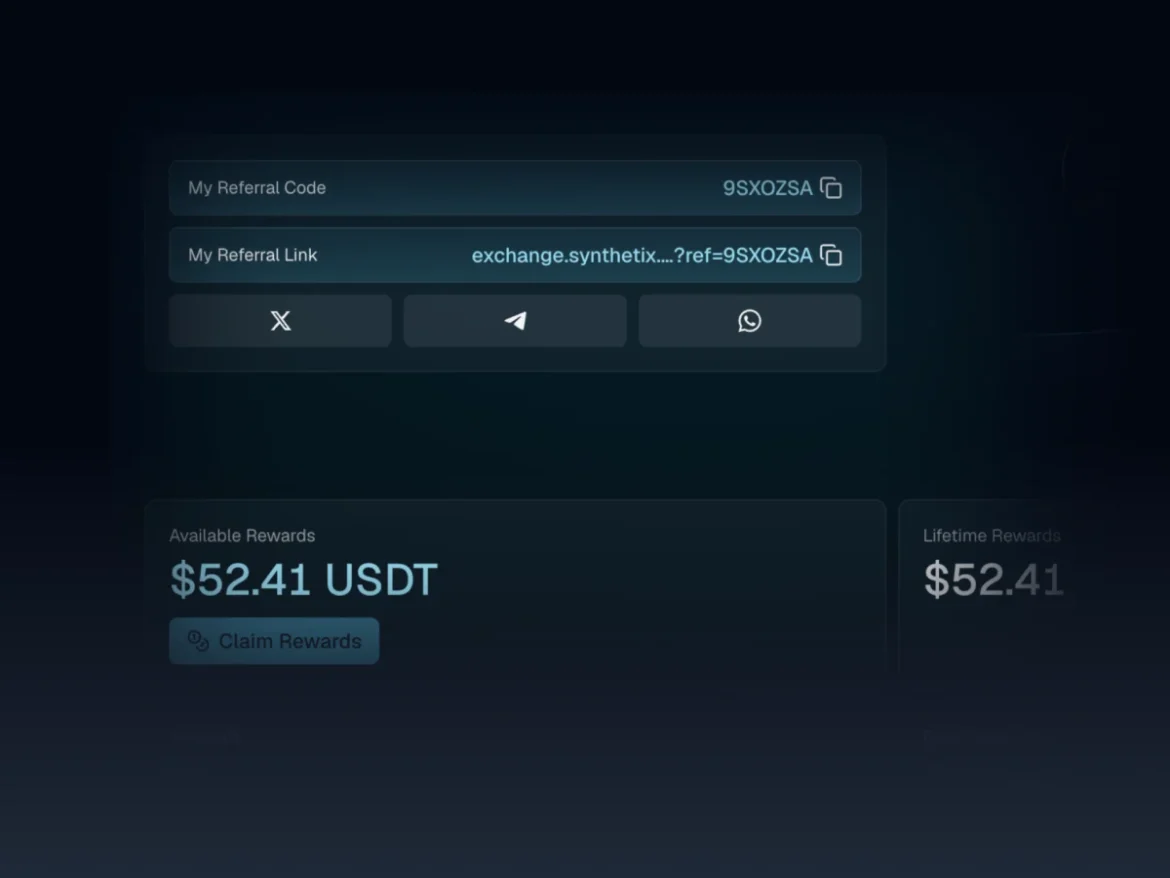
Synthetix Gears Up for Crucial Spartan Council Elections Amidst Major Protocol Expansion

by Asep Darmawan September 13, 2025
written by Asep Darmawan

The decentralized finance (DeFi) ecosystem is currently experiencing a period of intense innovation and strategic development, and at its heart, Synthetix, a prominent protocol renowned for its synthetic assets and derivatives, is embarking on a pivotal phase with its latest Spartan Council elections. Triggered by the significant passage of the SR-2 governance proposal, four of the seven critical governance seats are now available for election, presenting an unparalleled opportunity for community members to directly influence the protocol’s strategic trajectory. This election cycle is particularly noteworthy, occurring concurrently with the strategic rollout of Synthetix Perps on the Ethereum mainnet and a reinforced commitment to refining its core offerings and strengthening ecosystem integrations. The outcomes of these elections are poised to shape Synthetix’s operational focus and developmental roadmap for the foreseeable future, underscoring the vital role of decentralized governance in a rapidly evolving digital economy.

Understanding Synthetix: A Foundational Layer in Decentralized Derivatives

At its technological core, Synthetix functions as a sophisticated decentralized protocol built primarily upon the robust infrastructure of Ethereum and the high-throughput capabilities of Optimism. Its fundamental purpose is to facilitate the creation and permissionless trading of synthetic assets, colloquially known as "synths." These digital assets are ingeniously designed to mirror the price movements of a diverse array of real-world assets—encompassing fiat currencies like the sUSD, prominent cryptocurrencies such as sETH and sBTC, various commodities, and global market indices. Crucially, users can gain exposure to these assets without the necessity of direct ownership or custodial arrangements for the underlying instruments.

The protocol achieves this groundbreaking functionality through an innovative collateralization mechanism, wherein users stake the native Synthetix Network Token (SNX) to mint new synths. This architectural choice provides a censorship-resistant and highly accessible platform for engaging with a broad spectrum of financial instruments, effectively dismantling traditional market barriers and delivering unparalleled liquidity within the Synthetix exchange environment. The distinguishing feature of Synthetix lies in its capacity to offer zero-slippage trading for synths, a substantial advantage over conventional automated market makers (AMMs), which frequently contend with price impact, especially during large-volume transactions. This efficiency is underpinned by a collective debt pool, dynamically generated by all SNX stakers, which acts as the perpetual counterparty to every synth trade. In return for providing this essential collateral, stakers are incentivized through a proportional share of the trading fees generated across the platform. This intricate and self-sustaining system firmly establishes Synthetix as a critical infrastructure layer within the broader DeFi landscape, particularly for the increasingly complex and high-demand sector of sophisticated derivatives trading.

The Spartan Council: Architects of Synthetix’s Decentralized Future

The Spartan Council stands as the central pillar of Synthetix’s commitment to decentralization, functioning as the protocol’s exclusive and authoritative governance body. Composed of seven elected members, the Council is entrusted with a formidable range of responsibilities that directly dictate the evolutionary trajectory and operational integrity of the Synthetix protocol. Their extensive mandate includes, but is not confined to, the meticulous approval of Synthetix Improvement Proposals (SIPs) and Synthetix Request for Comments (SRCs), the prudent management of the protocol’s Treasury, the execution of critical system upgrades, and the articulation of the overarching strategic direction for future development initiatives. A cornerstone of this governance architecture is the stringent requirement for a supermajority of 4 out of 7 signatures to authorize any significant governance proposal or Treasury transaction. This robust mechanism is meticulously designed to preempt any potential for unilateral control, ensuring that all pivotal decisions are the product of broad consensus and collective deliberation.

The Spartan Council effectively serves as a crucial interface, bridging the core contributors, the expansive community, and the intricate technical implementation of protocol modifications. Its members are typically drawn from a pool of highly engaged SNX holders, seasoned developers, or prominent community figures who possess a profound understanding of blockchain technology, fundamental decentralized finance principles, and the specific architectural nuances of Synthetix. Their collective decisions directly influence a wide array of critical parameters, including the types of synthetic assets made available on the platform, the prevailing fee structures, the seamless integration of innovative features, and the judicious allocation of resources for both ongoing development and long-term ecosystem expansion. Consequently, the semi-annual elections for Council seats transcend mere administrative formalities; they represent pivotal junctures that fundamentally redefine the leadership and strategic vision propelling one of DeFi’s most intricate and ambitious protocols forward.

The Catalyst for Change: The SR-2 Governance Proposal

The current Spartan Council election cycle is a direct and consequential outcome of the successful ratification and implementation of the SR-2 governance proposal. While the specific granular details of SR-2 were not exhaustively enumerated in the initial public announcement, such governance proposals within a decentralized autonomous organization (DAO) context are invariably designed to refine, enhance, or optimize existing governance frameworks. In the specific context of Synthetix, SR-2 likely centered on a comprehensive review and subsequent improvement of the election mechanics governing the Spartan Council. This could have involved the strategic introduction of staggered terms for Council members, a measure intended to ensure continuity of institutional knowledge and leadership across election cycles. Furthermore, it might have clarified or refined eligibility criteria for prospective candidates, or streamlined the intricate nomination and voting processes to enhance efficiency and accessibility.

The successful passage and subsequent implementation of SR-2 unequivocally underscore Synthetix’s unwavering commitment to continuous improvement in its progressive decentralization efforts. This proactive approach ensures that its governance model remains robust, inherently fair, and highly responsive to the dynamic requirements of its diverse community and the ever-evolving macro landscape of decentralized finance. This dedication to proactive governance refinement is a hallmark characteristic of mature DAOs, signaling a profound commitment to long-term sustainability and an active resistance to potential centralization vectors. By formally institutionalizing regular, transparent elections through well-structured proposals like SR-2, Synthetix not only reinforces its profound dedication to community-driven development and decision-making but also establishes a significant precedent for other protocols navigating the inherent complexities and challenges of true decentralized governance.

Election Chronology: Re-establishing a Predictable Cadence

Following a brief yet strategically imperative delay in governance-related activities—a carefully calculated measure enacted to preclude any potential disruptions during the critically important launch of Synthetix Perps on the Ethereum mainnet—the Spartan Council elections are now officially resuming their established and predictable six-month cadence. This ensures that these vital elections will occur consistently every January and July, thereby providing predictable and recurring opportunities for all eligible community members to actively participate in shaping the protocol’s leadership and strategic direction. The temporary hiatus itself served as a testament to the meticulous planning and unwavering operational focus necessitated by major protocol upgrades, prioritizing the overarching stability and the unequivocally successful deployment of core functionalities.

Synthetix Elections, January 2026

The meticulously structured timeline for the current election cycle is as follows:

  • Nominations Open Immediately: Candidates interested in serving on the Spartan Council were able to self-nominate from the precise moment of the official announcement.
  • Nominations Close: The final deadline for all nominations is firmly set for Sunday, January 25th, at 00:00 UTC. This deadline is absolute, underscoring the imperative for all interested parties to submit their candidacies promptly and without delay.
  • Voting Commences: The official voting period will begin on Monday, January 26th.
  • Voting Concludes: The election will officially end at the close of day on Friday, January 30th. For precise closing times and any last-minute updates, voters are strongly encouraged to consult the official Synthetix Elections Snapshot page once the voting period has commenced.

This highly structured schedule is designed to foster a fair, transparent, and equitable electoral process, providing ample time for prospective candidates to articulate and present their vision to the community, and for the community at large to thoroughly assess the qualifications and platforms of each candidate before ultimately casting their votes. The prompt resumption of the regular six-month cadence is a powerful indicator of the protocol’s operational maturity and its demonstrable capability to adeptly balance rapid, innovative development with the unwavering stability inherent in truly decentralized governance.

How to Actively Participate: The Nomination and Voting Process

Active participation in the Spartan Council elections is openly extended to all eligible members of the Synthetix community, encompassing both those aspiring to be candidates and those wishing to exercise their voting rights. The entire process has been thoughtfully designed to be highly accessible, strategically leveraging established and widely used community platforms.

For Aspiring Candidates (The Nomination Process):
The self-nomination process is streamlined and user-friendly. Prospective candidates are required to formally submit their candidacy proposal as a distinct message within the dedicated "Nominations channel" located on the official Synthetix Discord server. As an alternative, nominations can also be submitted through the chat box accessible via the Synthetix Help Center. A comprehensive and valid nomination message must explicitly include:

  • The candidate’s full name or their preferred community pseudonym.
  • Their official Ethereum wallet address, which will be utilized for identity verification purposes and potentially for the distribution of SNX rewards should they be successfully elected.
  • A concise yet impactful statement clearly outlining their vision for Synthetix, their relevant qualifications, and the specific objectives they aim to achieve as an active member of the Spartan Council. This statement is of paramount importance as it serves as the primary means for voters to understand the candidate’s platform, strategic priorities, and commitment to the protocol’s future.

The non-negotiable deadline for all nominations is Sunday, January 25th, at 00:00 UTC. Adherence to this deadline is critical, as any submissions received after this timestamp will unfortunately not be considered.

For Engaged Voters (The Voting Process):
The crucial voting phase will be meticulously conducted on the Synthetix Elections Snapshot page. Snapshot is a widely adopted and highly respected decentralized voting system that empowers Decentralized Autonomous Organizations (DAOs) to conduct gas-free, off-chain voting, with the ultimate results being securely recorded and verifiably referenced on-chain. Eligibility to participate in this election is exclusively granted to SNX stakers who have actively staked their tokens within the designated "420 pool." To ensure their voting eligibility, SNX holders are mandated to stake their tokens on the official 420 staking site before the commencement of the voting period on January 26th. The "420 pool" refers to a specific and integral staking contract or mechanism within the broader Synthetix ecosystem, typically involving the locking of SNX for a predefined duration or under specific conditions to accrue staking rewards and simultaneously acquire crucial governance rights. By requiring active and committed staking, Synthetix effectively ensures that the voting power is appropriately concentrated among those individuals who possess a direct and vested interest in the protocol’s enduring success and long-term prosperity.

The voting window will remain open for a period of five full days, commencing precisely on Monday, January 26th, and culminating at the conclusion of the day on Friday, January 30th. Voters are strongly advised to consult the Snapshot page once the elections officially begin for precise closing times and to thoroughly review all candidate proposals and statements before casting their informed votes.

Strategic Focus: The Upcoming Epoch and Synthetix Perps on Ethereum

The forthcoming epoch for the Spartan Council is anticipated to be one of the most dynamic and transformative periods in Synthetix’s operational history. This profound shift is predominantly driven by the recent private launch and the eagerly anticipated public rollout of Synthetix Perps on the Ethereum mainnet. This pivotal development represents a monumental milestone for the protocol, significantly expanding its capabilities beyond the realm of spot synthetic assets and venturing into the highly lucrative and rapidly expanding perpetual futures market. Synthetix Perps is designed to offer traders access to exceptionally liquid, truly decentralized perpetual futures contracts, characterized by deep liquidity, competitively low fees, and robust, reliable oracle price feeds. This strategic positioning solidifies Synthetix as a formidable and innovative competitor within the broader derivatives landscape.

The initial private launch phase on Ethereum was meticulously executed, allowing for extensive stress testing, performance optimization, and the fine-tuning of system parameters, all aimed at ensuring a flawless and seamless user experience ahead of the comprehensive public unveiling. This strategic, phased approach minimizes potential risks and concurrently maximizes the probability of widespread and successful mainstream adoption. Complementing this, the ongoing development of the SLP (Synthetix Liquidity Provision) market making vault is specifically engineered to significantly enhance liquidity provision and improve market efficiency for perpetuals. These combined initiatives strategically position the protocol for substantial growth in both trading volume and active user engagement.

A protocol spokesperson, highlighting the profound significance of these advancements, recently articulated, "The launch of Perps on Ethereum mainnet is far more than a mere upgrade; it represents a fundamental paradigm shift for Synthetix. It unlocks unprecedented levels of liquidity and broadens accessibility for decentralized derivatives, propelling Synthetix into an entirely new era of mainstream adoption. The incoming Spartan Council will bear a pivotal responsibility in meticulously refining this groundbreaking offering, ensuring that it rigorously meets and exceeds the exacting demands of a diverse, global trading audience."

The mandate of the incoming Spartan Council will largely converge on several critical strategic pillars:

  • Refining and Expanding the Core Synthetix Offering: This encompasses the continuous improvement and iterative enhancement of the Perps platform, the judicious exploration of new synthetic asset listings to broaden market appeal, and the meticulous optimization of the existing staking and collateralization mechanisms to maximize efficiency
September 13, 2025 0 comment
0 FacebookTwitterPinterestEmail
NFTs & Digital Collectibles

Umoja NFTs: Weaving Unity and Impact Through Digital Art to Empower Ugandan Orphans

by Neng Nana September 12, 2025
written by Neng Nana

The burgeoning world of Non-Fungible Tokens (NFTs) has consistently presented innovative applications of blockchain technology, yet a select few projects transcend mere digital novelty to forge meaningful real-world connections. Umoja NFTs, a groundbreaking initiative rooted in the Swahili word for "unity," stands as a testament to this potential, channeling the proceeds from its unique digital art to champion the aspirations of orphans in Uganda. In an exclusive interview, Tiffany Stewart, the visionary Founder and CEO of Umoja, illuminated the project’s profound mission, its distinctive approach, and the tangible measures being implemented to uplift vulnerable communities. This narrative delves into Umoja’s remarkable fusion of artistic expression and humanitarian endeavor, showcasing a model where digital innovation directly translates into human upliftment.

The Genesis of Umoja: A Digital Bridge to Real-World Change

Umoja NFTs emerged from a deliberate convergence of Web3 technology and philanthropic action. Unlike many digital collectibles, Umoja’s generative art pieces are not merely aesthetic digital assets; they are imbued with a dual purpose. Each collectible offers tangible utility through direct humanitarian efforts and, crucially, its very conception originates from the individuals it aims to support. This core principle underscores the project’s commitment to ensuring that its impact is not only significant but also deeply personal and community-driven.

The initiative’s operational heart beats in tandem with its partnership with Dasom Ministries Orphanage in Uganda. This collaboration is more than a mere donation channel; it represents a foundational commitment to the well-being of 17 orphans and numerous other local individuals in need. These very individuals are not passive recipients of aid but active participants and co-creators, serving as the visionary minds behind each piece of digital art. This symbiotic relationship is encapsulated by Umoja’s guiding philosophy: "Umoja starts with real-world input and ends with real-world impact."

Differentiating Umoja in the Digital Art Landscape: A Focus on Tangible Transformation

What truly sets Umoja apart in the crowded digital art and NFT marketplace is its unwavering, hyper-focused commitment to generating substantial real-world improvements in the lives of identifiable individuals. While many charitable initiatives rely on broad donations to large, often bureaucratic, institutional charities, Umoja has adopted a more direct and impactful strategy. A significant aspect of this strategy involves the acquisition of the land upon which the Dasom Ministries Orphanage stands. This proactive measure ensures the orphanage’s long-term security, safeguarding it from the pervasive threat of displacement and providing a stable foundation for its future operations. The initial focus of Umoja’s efforts is thus concentrated entirely on enhancing the lives of these select individuals, ensuring their immediate needs are met and their futures are secured.

Moreover, the profound involvement of the orphans and volunteers extends beyond mere inspiration; they are intrinsically linked to the artistic creation process itself. This participatory approach transforms them from beneficiaries into active contributors, fostering a sense of ownership and empowerment. Their dreams and imaginations are the direct source material for the art, a departure from conventional charitable models that often operate with a top-down approach.

Artistry Born from Imagination: Empowering Voices Through Generative AI

The creative process at Umoja is a testament to the power of collaborative imagination, seamlessly integrated with cutting-edge generative AI technology. The project actively engages with the children and volunteers at Dasom Ministries, initiating dialogues to solicit their wildest dreams and aspirations. Volunteers often play a crucial role in bridging language barriers, assisting younger children who are still developing their English proficiency. The core prompt for each artistic endeavor begins with the phrase, "I imagine…," a simple yet profound invocation that unlocks the boundless potential of the human mind.

Umoja’s team then meticulously translates these imaginative seeds into unique digital art pieces, rendered in a distinctive artistic style designed to evoke the abstract and boundless nature of human imagination. This generative approach ensures that each NFT is not only a visual masterpiece but also a deeply personal narrative, a direct reflection of the dreams of the children it serves. The cycle is elegantly defined: the individuals at Dasom Ministries conceive of ideas, Umoja’s team transforms these ideas into tangible art, which is then minted as NFTs. The revenue generated from the sale of these imaginative pieces is then meticulously directed towards the recurring and fixed-price projects meticulously outlined on the Umoja Foundation’s website, creating a transparent and direct flow of funds from creative vision to real-world impact.

Ensuring Transparency and Accountability in Charitable Contributions

In the realm of charitable endeavors, particularly those leveraging digital assets, transparency and accountability are paramount. Umoja addresses this critical need through a robust system of consistent, verifiable updates from its partner, Dasom Ministries. These updates take various forms, including visual documentation such as photographs and videos showcasing the tangible progress of ongoing projects. Furthermore, the provision of receipts for purchased goods and ongoing, open communication with the Director of the orphanage create a clear and traceable financial pipeline. This multi-faceted approach ensures that donors and supporters can have unwavering confidence in the integrity of Umoja’s operations and the direct impact of their contributions.

Exploring Umoja, the NFTs that Transform Lives in Uganda

A Personal Calling: The Inspiration Behind Supporting Ugandan Orphans

The decision to focus Umoja’s efforts on an orphanage in Uganda stems from a deeply personal conviction and a long-held desire to effect foundational change in a region Tiffany Stewart has always felt drawn to. Her belief that lasting positive change is most effectively cultivated through the empowerment of youth is a cornerstone of her philanthropic philosophy. On a deeply personal level, Stewart’s own experience of navigating life without a traditional family support system has instilled in her a profound empathy for individuals who may feel unsupported or overlooked. She recognizes the latent potential within each child at Dasom Ministries and is driven by a powerful commitment to fostering and amplifying that potential through every available means. This personal connection imbues the project with an authenticity and passion that resonates throughout its mission.

Beyond NFTs: Alternative Avenues for Support

Recognizing that not everyone may be inclined or able to participate in the NFT market, Umoja actively promotes alternative avenues for individuals to contribute to their cause. The project proudly directs supporters to the Dasom Ministries website, offering a direct channel for donations. This inclusive approach ensures that the spirit of generosity can manifest in various forms, all contributing to the overarching mission of uplifting the lives of Ugandan children. By providing this direct link, Umoja empowers individuals to make a tangible difference through established and trusted philanthropic channels.

A Foundation in Blockchain: Tiffany Stewart’s Extensive Experience

The leadership at Umoja is bolstered by Tiffany Stewart’s extensive and relevant experience within the blockchain ecosystem. For the past five years, Stewart has served as the Head of Design for the Stellar Development Foundation. Stellar, a non-profit organization focused on building economic empowerment through blockchain technology, shares Umoja’s core ethos of real-world utility. Her primary focus at Stellar has been instrumental in the development of Vibrant App, a non-custodial wallet designed to provide individuals in countries experiencing high inflation with access to stablecoins like USDC. This innovative solution empowers users to safeguard their assets against devaluation, demonstrating Stewart’s consistent dedication to leveraging blockchain for tangible financial well-being. This background provides Umoja with a solid foundation in blockchain principles, security, and practical application for societal benefit.

The Future of Umoja: Expanding Horizons Across Africa and Beyond

The aspirations for Umoja extend far beyond its current scope. The project harbors ambitious plans for growth and impact, with the ultimate realization of these dreams contingent upon the level of support it garnures. In an ideal scenario, Umoja aims to move beyond merely meeting the basic needs of the individuals it serves. The long-term vision includes establishing pathways to sustainable success, which could encompass the establishment of schools, the facilitation of vocational training programs, and the broader development of the surrounding community. The Umoja model, proven effective through its initial implementation, is envisioned to be replicated and adapted for numerous other individuals and regions in need across Africa and, eventually, on a global scale. This scalable approach underscores Umoja’s commitment to fostering lasting positive change.

Sustainability at the Core: Royalties Reinvested for Continuous Impact

A critical element of Umoja’s long-term strategy for sustainability lies in its innovative approach to managing royalties. A significant portion of all royalties generated from the buying and selling of Umoja NFTs is directly reinvested back into the project. This closed-loop system ensures that the mission continues to thrive, even in the secondary market. Supporters are actively encouraged to engage in buying and selling, as every transaction, regardless of its timing, contributes to the overarching mission. This model ensures that contributions are perpetually at work, translating into tangible resources such as food, medicine, and shelter for those in need. Umoja emphasizes that it is never too late to contribute, offering a perpetual opportunity to "play" a role in this vital humanitarian effort.

An Accessible Entry Point: The Umoja Mint and Its Significance

To ensure accessibility and to foster a broad base of support, Umoja has strategically priced its initial mint at approximately $100 USD per image. This price point was carefully selected to represent a meaningful impact for supporters while remaining a reasonable and attainable investment for the average individual interested in contributing to a worthy cause and acquiring a unique piece of digital art. The mint date has been set for November 28th, coinciding with Giving Tuesday, a global day of generosity. This deliberate timing underscores Umoja’s commitment to aligning its launch with moments of heightened charitable awareness and action, further amplifying the project’s philanthropic objectives.

To stay abreast of Umoja NFTs’ ongoing initiatives, developments, and opportunities for engagement, interested parties are encouraged to follow the project on its social media channels, including Twitter, Instagram, and Discord. These platforms serve as vital conduits for real-time updates, community interaction, and the dissemination of crucial information regarding future drops, partnerships, and impact reports.

For those seeking continuous immersion in the dynamic world of NFTs, subscribing to the NFT Lately newsletter offers a comprehensive resource for the latest news, releases, reviews, and analyses covering the ever-evolving NFT landscape.

September 12, 2025 0 comment
0 FacebookTwitterPinterestEmail
NFTs & Digital Collectibles

The WhiteFox Eclipse Mechanical Keyboard: A Deep Dive into Premium Design and Value

by Sagoh September 11, 2025
written by Sagoh

The pursuit of the perfect mechanical keyboard is a journey many enthusiasts embark upon, often characterized by a series of compromises and near-perfect solutions. For some, the WhiteFox Eclipse mechanical keyboard, a product of the niche California-based retailer Apos, represents a significant step towards achieving that elusive ideal. This article will explore the design, features, pricing, and the broader context of Apos as a company, offering an in-depth look at what makes the WhiteFox Eclipse a compelling option for discerning users.

Aesthetic Prowess and Engineering Excellence

At first glance, the WhiteFox Eclipse distinguishes itself with a minimalist and unified design. The absence of extraneous trim and superfluous dials contributes to a clean, sophisticated aesthetic. The keyboard’s keys are described as "perfectly designed and unified," suggesting a meticulous attention to detail in both their form and function. This design philosophy is not merely superficial; it extends to the underlying engineering.

The premium version of the WhiteFox Eclipse features a CNC-milled aluminum high-profile case. This robust construction is a hallmark of high-end mechanical keyboards, contributing to both durability and a substantial feel. The high-profile design, while a matter of personal preference, often offers improved ergonomics for some users by elevating the keys to a more comfortable typing angle. Further enhancing the premium feel is the innovative screwless magnetic assembly. This approach to construction not only streamlines the assembly process for the end-user but also contributes to a sleek, uninterrupted exterior. The absence of visible screws on the case’s exterior reinforces the keyboard’s minimalist and refined appearance.

This focus on premium materials and construction is a key differentiator in the competitive mechanical keyboard market. While many keyboards offer customization and functionality, the tactile and visual experience is often elevated by the quality of the materials used. Aluminum, in particular, is favored for its density, which can help dampen vibrations and contribute to a more solid typing experience, often translating to a more satisfying acoustic profile.

Technical Specifications and Performance

The WhiteFox Eclipse is a 68% form factor keyboard. This compact layout omits the number pad and some navigational keys, prioritizing desk space efficiency without sacrificing essential functionality for many users. This size is popular among gamers and productivity users who prefer a smaller footprint but still require arrow keys and a function row.

Beneath the surface, the keyboard is equipped with pre-lubed Gateron Yellow switches. Gateron Yellows are known for their smooth, linear actuation, making them a popular choice for both typing and gaming. The factory lubrication further enhances the smoothness of the key presses, reducing friction and potential for scratchiness right out of the box. This detail is significant for users who might not have the time or inclination to perform their own switch lubrication, a common practice in the enthusiast mechanical keyboard community.

The implementation of gasket mounting is another notable feature. Gasket mounting involves using a flexible material, typically silicone or rubber, to isolate the keyboard’s plate from the case. This design allows for a degree of flex when typing, which can lead to a softer, more cushioned feel and a more pleasant acoustic experience. It helps to absorb vibrations, reducing the transmission of sound to the desk and creating a more muted, thocky sound profile, which is highly sought after by many enthusiasts.

The keyboard boasts a substantial weight, reportedly around 5 pounds. This heft is a direct result of the premium aluminum construction and contributes significantly to the keyboard’s stability. A heavier keyboard is less prone to sliding around on the desk during intense typing sessions or gaming, providing a more secure and dependable user experience. The combination of gasket mounting and the robust aluminum case is designed to deliver "exceptional acoustics and stability," suggesting a carefully engineered balance between a satisfying typing feel and a refined sound.

Connectivity and Battery Life: A Wireless Advantage

In an era where desk setups are increasingly streamlined, wireless connectivity has become a highly desirable feature. The WhiteFox Eclipse offers dual-mode connectivity, allowing users to switch seamlessly between wired USB-C and wireless Bluetooth. This versatility caters to a wide range of user preferences and workflow needs, whether it’s for a permanent desk setup or for portability.

The keyboard is powered by a substantial 4,000mAh battery. While Apos has not provided official battery life claims, estimations based on similar battery capacities and RGB lighting usage suggest a significant runtime. With RGB lighting engaged, users can anticipate approximately 20 to 30 hours of continuous use. This figure, while not groundbreaking for some devices, is respectable for a mechanical keyboard with potentially power-intensive RGB effects. The real standout is the projected battery life without RGB lighting, which could extend to an impressive 150 to 200 hours of continuous use. This extended wireless operation minimizes the frequency of charging, enhancing the convenience of a wireless setup.

The presence of such a large battery contributes to the keyboard’s overall weight but is a clear trade-off for extended wireless performance. For users who prioritize a clutter-free desk and the freedom of wireless input, this extended battery life is a significant benefit.

A Tale of Two Profiles: Addressing Different Budgets and Preferences

This keyboard is designed for people who love beautiful things

A crucial aspect of the WhiteFox Eclipse’s offering is the existence of different versions, catering to a broader audience and price spectrum. While the premium version features the CNC-milled aluminum high-profile case, a more accessible low-profile version is also available. This low-profile variant comes in a plastic shell, which significantly reduces the manufacturing cost and, consequently, the retail price.

The pricing structure highlights this distinction: the aluminum high-profile version is priced at $185, while the plastic low-profile version is available for approximately $99. This pricing strategy makes the WhiteFox Eclipse accessible to a wider range of consumers, from those seeking a high-end, premium experience to those looking for a more budget-friendly yet still well-featured mechanical keyboard. The availability of these options allows users to align their purchase with their budget and their specific preferences regarding case material, profile, and overall aesthetic.

The plastic low-profile version, while sacrificing the premium feel of aluminum, still retains key features like the pre-lubed Gateron Yellow switches and gasket mounting, suggesting that Apos aims to deliver a good core typing experience across its product lines. The dual-mode connectivity and substantial battery are also likely to be present in both versions, further enhancing their value proposition.

The Apos Ecosystem: A Focus on Enthusiasts

The WhiteFox Eclipse is a product of Apos, a company that has carved out a niche for itself by focusing on premium audiophile gear and enthusiast accessories. Apos distinguishes itself not just through the products it sells but also through its company philosophy. As a California-based retailer, Apos aims to bridge the gap between product designers and their target audiences, particularly through its "Apos X" range. This initiative emphasizes community-driven product development, where feedback and preferences from enthusiasts play a significant role in shaping the final products.

This community-centric approach is complemented by customer-first perks. Apos offers a generous 45-day return policy, allowing customers ample time to evaluate their purchase. Furthermore, they provide a transferable warranty, a rarity in the consumer electronics space that underscores their confidence in the durability and longevity of their products. These policies reflect a commitment to the hobbyist experience, prioritizing customer satisfaction and long-term engagement over short-term sales metrics.

The author’s previous positive experience with Apos products, specifically the Apos Gremiln and Merlin Amp and DAC, provides further context for their endorsement of the WhiteFox Eclipse. This suggests a consistent dedication to quality and a deep understanding of the enthusiast market. The emphasis on "special products" and the company’s approach to fostering a community around its offerings position Apos as a brand that resonates with users who appreciate meticulous design, high performance, and a supportive customer experience.

Investment in Quality and Longevity

The $185 price point for the premium WhiteFox Eclipse might seem substantial to casual consumers. However, a deeper analysis suggests that this price could represent a sound long-term investment. The author’s research indicates a potential lifespan of around 7 years for a keyboard of this caliber, built with premium materials and robust engineering. When broken down, this translates to an annual cost of approximately $26, a figure that positions the keyboard as a cost-effective choice over its extended operational life, especially when compared to the frequent replacement of lower-quality peripherals.

This perspective shifts the focus from an upfront expense to a long-term value proposition. The durability, build quality, and potential longevity of the WhiteFox Eclipse suggest that it is designed to be a lasting addition to a user’s setup, rather than a disposable commodity. This aligns with the broader trend in the enthusiast market towards purchasing higher-quality, more durable products that offer a superior user experience and greater value over time.

Broader Implications for the Mechanical Keyboard Market

The WhiteFox Eclipse’s design and feature set reflect several key trends in the mechanical keyboard market. The increasing demand for compact form factors like the 68% layout, the emphasis on premium materials such as aluminum, and the integration of advanced features like gasket mounting and dual-mode connectivity are all indicative of a maturing market that caters to a more informed and discerning consumer.

Apos’s approach, particularly with its community-driven development and customer-centric policies, also highlights a growing awareness among brands of the importance of building loyalty within enthusiast communities. By involving users in the product development process and offering robust support, companies can foster a deeper connection with their customer base, leading to greater brand advocacy and sustained success.

The existence of different price tiers for the WhiteFox Eclipse also speaks to the market’s segmentation. While high-end products will always command a premium, offering more accessible versions ensures that a wider audience can experience the core benefits of a brand’s design and engineering philosophy. This strategy can help to grow the overall market for enthusiast-grade peripherals by lowering the barrier to entry for new users.

In conclusion, the WhiteFox Eclipse mechanical keyboard appears to be more than just another peripheral; it is a product that embodies a commitment to design excellence, engineering quality, and user satisfaction. Its premium construction, thoughtful features, and accessible pricing options, coupled with Apos’s unique business model, position it as a noteworthy contender for anyone seeking a superior typing and computing experience. The journey to the perfect keyboard may be subjective, but the WhiteFox Eclipse offers a compelling destination for many.

September 11, 2025 0 comment
0 FacebookTwitterPinterestEmail
NFTs & Digital Collectibles

Rarible and the RARI Foundation Commit to Supporting High-Impact Digital Projects

by Reynand Wu September 9, 2025
written by Reynand Wu

Rarible, a prominent non-fungible token (NFT) marketplace, in conjunction with the RARI Foundation, has announced the launch of a new Creator Fund aimed at bolstering high-impact digital projects within the decentralized ecosystem. This initiative allocates $100,000 in RARI tokens to provide grants for creators, brands, and projects that are building on the Rarible platform. The fund is designed to support curated digital project drops, with individual grants potentially reaching up to $20,000. The overarching objective is to enhance the volume of high-quality on-chain assets, foster the growth of the Rarible ecosystem, and bolster the RARI Decentralized Autonomous Organization (DAO) treasury.

The establishment of the Creator Fund signifies a strategic deepening of Rarible’s commitment to nurturing top-tier artists and innovative creative endeavors. This program received formal approval from the RARI DAO, underscoring a consensus-driven approach to investing in the future of on-chain commerce and the broader web3 landscape. This community-backed endorsement highlights a shared vision for advancing the utility and accessibility of digital assets.

The Genesis and Scope of the Creator Fund

The Creator Fund emerges from a recognized need to empower creators and brands by providing them with the necessary resources to materialize their ambitious digital visions. While the initial announcement focused on the core details, the underlying philosophy extends beyond mere financial support. It aims to cultivate a more robust and dynamic on-chain economy. The fund’s structure is intended to attract projects with significant potential for scale and impact, whether they are established brands leveraging their intellectual property (IP) or emerging communities that have demonstrated strong traction.

The selection process emphasizes projects with a proven track record of successful digital asset launches or those that can present a compelling case for future success. This forward-looking approach suggests a desire to identify and cultivate the next generation of influential on-chain creators and brands. The review of applications will be conducted by a dedicated Creator Fund Working Group, a body implicitly tasked with evaluating the strategic alignment and potential impact of each submission. While the specific composition of this working group is not detailed, its existence points to a structured and deliberate approach to fund allocation.

Eligibility and Application Criteria

The Creator Fund is specifically designed to accommodate projects that possess the potential for significant reach and influence within the digital asset space. This includes established brands looking to tokenize their existing IP and bring it to the blockchain, as well as burgeoning communities that have demonstrated consistent growth and engagement. The announcement explicitly references successful projects such as Trailheads, The Composables, Bad Bunnz, and Hypio as examples of the caliber of applicants sought. These references serve as benchmarks, indicating a preference for projects that have already achieved a level of recognition and community support.

Introducing: The Rarible Creator Fund

For emerging projects, a strong proposal that clearly articulates their vision, strategy, and potential impact is paramount. The RARI DAO’s approval suggests that the fund is not solely focused on past achievements but also on future potential, provided that potential is well-substantiated. The application process, accessible via a dedicated link, encourages interested parties to submit their proposals for consideration. The emphasis on "scale" in the eligibility criteria suggests that projects with a demonstrable ability to attract and engage a substantial user base or generate significant economic activity will be prioritized.

Strategic Implications for the NFT Ecosystem

The launch of the Creator Fund by Rarible and the RARI Foundation is more than just a financial injection; it represents a strategic move to solidify Rarible’s position as a leading platform for on-chain commerce and a hub for innovation. By investing in high-impact projects, Rarible aims to achieve several key objectives:

  • Enhancing On-Chain Supply: The fund directly addresses the need for more high-quality, curated digital assets to enter the on-chain market. This can attract a broader range of collectors and users, thereby increasing overall market liquidity and activity.
  • Ecosystem Growth and Diversification: Supporting diverse projects, from established brands to emerging communities, helps to diversify the Rarible ecosystem. This diversification can lead to new use cases, innovative applications of NFTs, and a more resilient and vibrant community.
  • Strengthening the RARI DAO Treasury: By encouraging successful projects and driving on-chain commerce, the fund indirectly contributes to the growth of the RARI DAO treasury. This treasury is crucial for the long-term sustainability and governance of the Rarible ecosystem, enabling future investments and initiatives.
  • Fostering a Sustainable Economic Cycle: Rarible explicitly frames the Creator Fund as part of a larger strategy to create a self-sustaining economic model. This model involves creators receiving resources to launch on-chain, collectors and traders being incentivized for engagement, and revenue being reinvested into the DAO. This cyclical approach aims to ensure continuous growth and development.

The Broader Context: The Evolution of On-Chain Commerce

The launch of the Creator Fund by Rarible aligns with a broader trend in the NFT and web3 space: the maturation of on-chain commerce beyond speculative trading to encompass genuine utility, community building, and sustainable economic models. In its earlier phases, the NFT market was often characterized by rapid price appreciation and a focus on individual digital collectibles. However, as the technology and its applications have evolved, there has been a growing emphasis on the underlying infrastructure, creator tools, and community governance that enable long-term value creation.

The RARI token itself plays a pivotal role in this ecosystem. As the native governance token of Rarible, RARI empowers its holders to participate in decision-making processes, including the allocation of treasury funds and the direction of platform development. The fact that the Creator Fund was approved by the RARI DAO signifies a commitment to decentralized governance and community-driven innovation. This approach contrasts with more centralized models of funding and development, aiming to build a more equitable and participatory ecosystem.

The history of Rarible’s development, from its inception as a pioneering NFT marketplace to its ongoing efforts to foster creator economies, provides a backdrop to this announcement. The platform has consistently sought to empower creators by offering tools and incentives for them to mint, sell, and manage their digital assets. The Creator Fund represents an amplification of these efforts, moving from general support to targeted investment in projects with the highest potential for impact.

The examples of successful projects cited—Trailheads, The Composables, Bad Bunnz, and Hypio—illustrate the diversity of successful on-chain communities and initiatives. Trailheads, for instance, is known for its focus on outdoor and adventure-themed digital collectibles, building a community around shared interests and experiences. The Composables, on the other hand, likely represent a project focused on modular or customizable digital assets, allowing for a high degree of user interaction and personalization. Bad Bunnz and Hypio, while less detailed in the provided text, are presented as further examples of communities that have achieved significant traction and engagement, demonstrating the viability of various creative approaches within the NFT space.

Introducing: The Rarible Creator Fund

Future Outlook and Potential Impact

The success of the Rarible Creator Fund will likely be measured not only by the number of projects funded but also by the long-term impact these projects have on the Rarible ecosystem and the broader web3 landscape. If the funded projects can demonstrate significant user adoption, innovative use cases, and sustainable economic models, it could serve as a blueprint for other platforms seeking to foster growth and innovation.

Furthermore, the emphasis on community governance through the RARI DAO suggests a commitment to transparency and inclusivity. As the fund progresses, the community will likely have insights into how grants are allocated and the performance of the funded projects. This transparency can build trust and encourage further participation in the Rarible ecosystem.

The integration of the Creator Fund with Rarible’s existing rewards program is a key strategic element. By creating a synergistic relationship between creator support and collector/trader incentives, Rarible aims to build a virtuous cycle of engagement and value creation. This holistic approach acknowledges that the success of any on-chain ecosystem depends on the active participation and mutual benefit of all its stakeholders.

In conclusion, the launch of the Rarible Creator Fund, in partnership with the RARI Foundation, marks a significant step forward in the platform’s mission to support and empower creators in the digital realm. By allocating substantial resources and fostering a community-driven approach to investment, Rarible is positioning itself as a key player in shaping the future of on-chain commerce, encouraging innovation, and cultivating a more robust and sustainable web3 ecosystem. The call to action for creators to "Apply now and take your place in the next wave of onchain commerce" signifies an open invitation to participate in this evolving digital frontier.

September 9, 2025 0 comment
0 FacebookTwitterPinterestEmail
Crypto Trading & Analysis

The New Rails: How Digital Assets Are Reshaping the Foundations of Finance

by Nana September 8, 2025
written by Nana

In 2025, stablecoins processed $28 trillion in real economic volume. By 2035, that figure could reach $1.5 quadrillion, surpassing today’s entire cross-border payments market. This projection, derived from Chainalysis’ forthcoming report, "The New Rails: How Digital Assets Are Reshaping the Foundations of Finance," signals a seismic shift in global financial infrastructure, driven by the increasing utility and adoption of stablecoins.

The rapid ascent of stablecoins, digital assets pegged to stable underlying assets like fiat currencies, has captured the attention of financial institutions worldwide. This surge in interest is further underscored by recent legislative momentum, such as the GENIUS Act in the United States, which has signaled a more defined regulatory framework for digital assets. Beneath the policy discussions and market speculation, however, lies a critical question for traditional finance: what does the economic data reveal about the inherent risks and burgeoning opportunities presented by stablecoins?

For established financial players, the advent of stablecoin technology presents a compelling case for innovation. It offers the potential to unlock significantly faster, more cost-effective, and programmable payment systems. Conversely, institutions that hesitate to embrace these on-chain rails risk obsolescence and disintermediation in an evolving financial landscape.

The Inherent Advantages of On-Chain Payments

Unlike the established payment systems, which are often characterized by layers of intermediaries, batch processing, and multi-day settlement windows, stablecoins operate with remarkable efficiency. They facilitate near-instantaneous settlement, function 24/7, and bypass the traditional friction of correspondent banking for cross-border transactions. This translates into tangible benefits for both financial institutions and their clientele: reduced transaction costs, enhanced payment finality, and the enablement of programmable money that can be seamlessly integrated into software and existing business workflows.

The operational advantages of stablecoin-powered payments are profound. They can significantly reduce reconciliation overhead, eliminate the need for multiple intermediaries, and enable continuous, round-the-clock transactions across global markets. These benefits are already driving widespread adoption in critical sectors such as remittances, business-to-business (B2B) payments, and treasury operations, as evidenced by increasing transaction volumes and user engagement.

This report, the first in a series exploring the multifaceted use cases of stablecoins across various financial products, places a primary focus on the payments sector, where stablecoins currently exhibit the most significant traction. However, the transformative potential of stablecoins extends far beyond payments, poised to reshape lending, capital markets, and treasury and liquidity management. Two powerful forces are converging to accelerate this evolution: the largest generational wealth transfer in history, projected to move up to $100 trillion to crypto-native Millennials and Gen Z, and the steady, quiet march toward stablecoin acceptance at the point of sale. These catalysts, acting in concert, have the potential to fundamentally alter the competitive dynamics of the payments landscape, a shift that traditional financial institutions can no longer afford to ignore.

The $100 Trillion Wealth Shift: Stablecoin Utility and the Future of Payments

Measuring True Utility: Adjusted Stablecoin Volume Projections

The raw transaction data associated with stablecoins can often be misleading, inflated by activities such as liquidity provisioning, bot trading, and Maximum Extractable Value (MEV) transfers. These activities, while contributing to on-chain activity, do not reflect genuine economic utility. To provide a more accurate picture of real-world impact, Chainalysis employs the metric of "adjusted stablecoin volume." This metric meticulously filters for organic economic activity, focusing on transactions that represent actual payments, remittances, and settlements.

Since 2023, adjusted stablecoin volume has demonstrated a remarkable compound annual growth rate (CAGR) of 133%, reaching an estimated $28 trillion in real economic activity in 2025. Projecting this baseline growth forward, assuming no significant additional catalysts, the volume could potentially reach $719 trillion by 2035.

However, this baseline projection likely understates the true potential acceleration of stablecoin adoption. Two significant macro inflection points are anticipated to drive this growth substantially:

  • The Generational Wealth Transfer: A demographic shift of unprecedented scale is set to occur as wealth transitions from older generations to younger, more digitally adept demographics.
  • Point-of-Sale (POS) Saturation: The increasing integration of stablecoins into everyday commerce at retail points of sale will normalize their use and broaden their accessibility.

Factoring in these powerful catalysts, Chainalysis’ projections are revised upwards. By 2035, stablecoin volumes could approach $1.5 quadrillion, a figure that would eclipse the estimated $1 quadrillion in global cross-border payments today. This suggests a fundamental reordering of global payment flows and infrastructure.

The Imminent $100 Trillion Transition: A Generational Shift in Wealth and Digital Asset Adoption

Beginning around 2028, traditional financial institutions in North America and Europe are poised to confront a profound demographic transformation. Millennials and Gen Z, demographics where nearly half have historically held or currently hold cryptocurrency, will gradually constitute the majority of the adult population. This demographic shift will see them progressively supplanting Gen X and Baby Boomers as the primary drivers of financial activity and consumer behavior.

Accompanying this demographic evolution is an enormous movement of capital. Merrill Lynch estimates that by 2048, an astonishing $100 trillion in wealth could be transferred from the Baby Boomer generation to their children and grandchildren. This "Great Wealth Transfer" represents a critical juncture for the financial services industry.

The $100 Trillion Wealth Shift: Stablecoin Utility and the Future of Payments

The impact of this wealth transfer on cryptocurrency adoption is projected to be substantial. Chainalysis estimates that this transition alone could add an estimated $508 trillion to annual stablecoin transaction volumes by 2035. Beyond direct stablecoin usage, this shift is also expected to catalyze broader adoption of crypto assets, fostering ancillary growth in on-chain prediction markets, the tokenization of real-world assets, and other hybrid financial products that bridge traditional finance (TradFi) and decentralized finance (DeFi). For incumbent financial institutions, this presents a dual imperative: either actively capture the financial flows from an increasingly crypto-native client base or risk seeing significant capital migrate to on-chain ecosystems. This necessitates a proactive strategy to integrate digital asset capabilities into their service offerings.

Crypto at Every Point of Sale: The Normalization of On-Chain Commerce

The integration of stablecoins into merchant services marks a pivotal stage in the evolution of on-chain payment utility: a transition from specialized transfers to mainstream, everyday commerce.

Currently, the act of paying with cryptocurrency often represents a deliberate choice, a conscious decision by the user. However, as stablecoin acceptance becomes a standard feature of retail infrastructure, this distinction will blur. The experience of using stablecoins for transactions will become indistinguishable from traditional methods like swiping a credit or debit card. This shift is already underway, with stablecoin payments gradually moving from a conscious consumer decision to a seamless background settlement process.

In stark contrast to legacy card networks, stablecoin rails offer the potential for near-instantaneous merchant settlement and a significant reduction in interchange-related costs. These fees, a significant operational expense for merchants, can be substantially mitigated or eliminated through on-chain payment solutions.

If current trends in transaction count growth persist, on-chain stablecoin transactions could potentially match the transaction volumes of major off-chain networks like Visa and Mastercard sometime between 2031 and 2039. Given that adoption curves for payment networks are rarely linear, it is plausible that on-chain transaction counts could intersect or even surpass legacy rails before the end of the current decade.

The implications for the payments industry are profound. As stablecoins become ubiquitous at the point of sale, consumers will begin to evaluate payment options based on similar criteria as they do with credit cards: transaction costs, settlement speed, and potential incentives like cashback rewards. Stablecoin-linked payment cards will emerge as direct competitors to existing payment infrastructure. For established players like Visa and Mastercard, this is not a distant threat but an accelerating countdown to a fundamentally altered competitive landscape. Chainalysis estimates that POS saturation alone could contribute an additional $232 trillion in annual stablecoin volumes by 2035, further solidifying the economic significance of these digital rails.

The Institutionalization of On-Chain Finance: A Strategic Imperative

The $100 Trillion Wealth Shift: Stablecoin Utility and the Future of Payments

The confluence of the generational wealth transfer and the impending point-of-sale saturation signals a new financial baseline, one where stablecoin rails are an integral component of global payment infrastructure. The strategic approach of traditional financial institutions is evolving from mere regulatory positioning to active execution. This involves a concerted effort to acquire relevant platforms, forge strategic partnerships, and build the necessary infrastructure to operate seamlessly across both legacy and on-chain payment rails.

Notable examples of this strategic shift are already emerging. Stripe’s acquisition of Bridge and Mastercard’s partnership with BVNK represent significant strategic investments in the future of payments. These moves underscore a growing recognition within the financial industry that the blockchain is rapidly becoming the essential plumbing for the next era of global commerce and financial transactions.

For incumbent financial institutions, the calculus is becoming increasingly straightforward. The institutions that proactively build for this emerging reality will be strategically positioned to define its trajectory and capture significant market share. Conversely, those that adopt a wait-and-see approach risk finding themselves relegated to settling transactions on payment rails built and controlled by others, potentially diminishing their relevance and competitive edge in the years to come.

FAQs

What is the difference between raw and adjusted stablecoin volume?
Raw stablecoin volume encompasses all on-chain activity, including speculative trading and internal transfers. Adjusted stablecoin volume, however, filters out this "noise" to isolate genuine economic utility, focusing on transactions related to payments for goods and services, remittances, and legitimate settlements.

How will the “Great Wealth Transfer” affect crypto adoption?
The impending transfer of an estimated $100 trillion to Millennials and Gen Z—demographics demonstrably more comfortable with digital assets—is anticipated to significantly boost cryptocurrency adoption. Chainalysis projects this shift could add over $500 trillion to annual on-chain transaction volumes by 2035, fundamentally reshaping investment and spending patterns.

When will crypto payments reach the same scale as Visa and Mastercard?
Based on current growth trends, stablecoin transaction volumes are projected to intersect with the transaction volumes of major card networks like Visa and Mastercard between 2031 and 2039. This projection is driven by the increasing normalization of on-chain payments at the point of sale, positioning them as a standard for global commerce.


This article is based on a preview of Chainalysis’ forthcoming report, "The New Rails: How Digital Assets Are Reshaping the Foundations of Finance." Readers are encouraged to reserve their copy of the full report for more in-depth analysis and data. The information presented here is for informational purposes only and does not constitute financial, investment, or legal advice. Recipients should consult with their own qualified advisors before making any decisions.

September 8, 2025 0 comment
0 FacebookTwitterPinterestEmail
Crypto Trading & Analysis

Morgan Stanley Managing Director Identifies Signs of Stock Market Bottoming Amidst US Productivity Boom

by Neng Nana September 7, 2025
written by Neng Nana

Multiple indicators suggest that the U.S. stock market is currently in the process of bottoming out, according to Dan Skelly, a managing director at Morgan Stanley. In a recent interview with CNBC, Skelly articulated his view that a significant "productivity boom" is underway in the United States, which is making the risk-reward profile for equities at their current valuations appear increasingly attractive. This optimistic outlook contrasts with lingering concerns about geopolitical instability and past policy missteps that had previously weighed on market sentiment.

Skelly’s assessment is grounded in a confluence of economic and market-specific signals. He emphasized that the narrative driving the U.S. economy is one of innovation, technological advancement, and robust earnings growth, providing a solid foundation for market recovery. This underlying strength, he contends, is overshadowing short-term challenges and policy uncertainties that had dominated discussions a year prior. The market’s resilience in navigating these headwinds, Skelly suggests, is a testament to its underlying strength.

Economic Indicators Pointing Towards a Market Turnaround

Skelly’s analysis highlights several key factors contributing to his belief that the market has found its footing. He noted that the S&P 500 experienced a correction of approximately 9% from its recent peak to its trough. While acknowledging the possibility of temporary retests of previous lows, he finds it difficult to identify any new, significant negative information that could push the market into a steeper decline, especially given the ongoing efforts to achieve a ceasefire in global conflicts. The market, in his view, has already priced in much of the known adverse information.

Further bolstering his thesis, Skelly pointed to the VIX, often referred to as the "fear index." The VIX, which measures implied volatility in the S&P 500, has seen a substantial decline from its recent highs, having fallen significantly from the 30-point level. Historically, a peak in volatility often precedes a market bottom. The VIX currently stands at approximately 19.48, a level indicative of reduced investor anxiety. This moderation in volatility suggests that market participants are becoming more confident in the stability of asset prices.

The S&P 500 itself, as of the time of reporting, is trading around 6,848.26 and has shown a positive trajectory over the past five days, gaining 3.73%. Skelly believes the market likely found its trough at approximately 6,300, a level that represents a significant recovery from any potential lower points. This recovery, coupled with the declining VIX, forms a compelling argument for a market bottom.

The U.S. Productivity Boom: A Driving Force

Central to Skelly’s optimistic outlook is the concept of a U.S. productivity boom. Productivity, defined as the efficiency with which labor and capital are used to produce goods and services, is a critical driver of economic growth and corporate profitability. When productivity rises, companies can produce more output with the same or fewer inputs, leading to higher earnings and potentially higher stock valuations.

This productivity surge is often attributed to technological advancements, improved business processes, and increased investment in research and development. In the current environment, factors such as advancements in artificial intelligence, automation, and digital transformation are likely playing a significant role. These innovations can lead to more efficient operations, reduced costs, and the development of new products and services, all of which contribute to a stronger economic backdrop.

Morgan Stanley’s internal research, which Skelly likely draws upon, would be analyzing various metrics to quantify this productivity boom. These could include data on output per hour worked, capital investment in technology, and the adoption rates of new innovative tools across different sectors of the economy. A sustained increase in these metrics would validate the idea of a fundamental improvement in the U.S. economy’s productive capacity.

Context and Background: Navigating Market Volatility

The past year has been characterized by considerable market volatility, driven by a confluence of factors including persistent inflation, aggressive interest rate hikes by the Federal Reserve, geopolitical tensions, and concerns about a potential recession. Investors have been navigating an environment of uncertainty, leading to significant price swings in equity markets.

The Federal Reserve’s monetary policy has been a central theme. The aggressive tightening cycle aimed at combating inflation has raised concerns about its impact on economic growth. However, signs of cooling inflation and a resilient labor market have led to expectations that the Fed may be nearing the end of its rate-hiking cycle, or even considering rate cuts in the future. This shift in monetary policy expectations can significantly influence market sentiment and asset valuations.

Geopolitical events, such as ongoing conflicts and trade disputes, have also contributed to market uncertainty. These events can disrupt supply chains, impact commodity prices, and create broader economic instability. The market’s ability to absorb these shocks and continue its upward trend, or to signal a bottoming process, is closely watched by analysts. Skelly’s reference to the "motive to have a ceasefire" suggests that the market is increasingly factoring in a potential de-escalation of global conflicts, which would reduce a significant source of uncertainty.

The Role of Earnings and Valuations

Skelly’s argument is further strengthened by the observation of "pretty strong earnings." Corporate earnings are the fundamental drivers of stock prices. When companies consistently report strong profits, it provides a tangible basis for higher valuations. Despite economic headwinds, many U.S. corporations have demonstrated remarkable resilience in their earnings performance. This can be attributed to various factors, including cost management, pricing power, and the ability to adapt to changing market conditions.

The current valuations of equities, therefore, are being viewed through the lens of these strong earnings. A "reasonably attractive" risk-reward ratio implies that, given the current prices, the potential upside for stocks outweighs the downside risk. This is often assessed by looking at metrics like the price-to-earnings (P/E) ratio, which compares a company’s stock price to its earnings per share. If earnings are growing robustly, a higher P/E ratio can be justified.

Broader Implications and Market Outlook

If Skelly’s assessment proves correct, it suggests that investors may have overreacted to the downside risks and that the market is poised for a sustained recovery. A bottoming market typically precedes a bull run, where stock prices generally trend upwards over an extended period. This would have significant implications for investors, retirement savers, and the broader economy.

Key Implications:

  • Investment Opportunities: A market bottom signals a potential buying opportunity for investors seeking to capitalize on future growth. Assets that have been oversold may rebound as confidence returns.
  • Economic Confidence: A strong stock market often reflects and contributes to broader economic confidence. It can encourage consumer spending and business investment, creating a positive feedback loop.
  • Monetary Policy: The Federal Reserve will be closely monitoring market performance and economic data. A sustained market recovery could influence their decisions regarding interest rates, potentially allowing them to maintain a more neutral stance.
  • Sector Rotation: As the market moves from a bottoming phase to recovery, there can be shifts in sector performance. Cyclical sectors that are sensitive to economic growth may begin to outperform.

Official Responses and Market Sentiment

While Skelly represents a prominent voice from Morgan Stanley, it is important to consider that other financial institutions and analysts may hold differing views. However, the consensus among many market participants is often shaped by the insights of major financial players.

The lack of widespread alarm from other major financial institutions regarding an imminent economic collapse or a severe market downturn further supports the notion that the current environment is one of adjustment rather than outright crisis. The focus has shifted from panic to identifying opportunities within a recovering economic landscape.

The Path Forward: Vigilance and Strategy

While Skelly’s outlook is positive, it is crucial to remember that markets are inherently dynamic. Unexpected events can always emerge, leading to renewed volatility. Therefore, a degree of caution and strategic planning remains essential for investors.

  • Diversification: Maintaining a diversified portfolio across different asset classes and geographies can help mitigate risk.
  • Long-Term Perspective: For long-term investors, focusing on the underlying fundamentals of companies and the broader economic trends is often more beneficial than trying to time short-term market movements.
  • Economic Data Monitoring: Keeping a close watch on key economic indicators, such as inflation, employment figures, and consumer spending, will be crucial in assessing the continued trajectory of the market and the economy.

In conclusion, the analysis provided by Dan Skelly of Morgan Stanley suggests a shift in market sentiment towards optimism. The confluence of a U.S. productivity boom, strong corporate earnings, and a reduction in market volatility paints a picture of a market that is likely finding its footing after a period of significant correction. While challenges remain, the underlying economic narrative appears to be one of resilience and innovation, offering a promising outlook for equities.

September 7, 2025 0 comment
0 FacebookTwitterPinterestEmail
Blockchain Technology & Development

The UK’s Strategic Leap Forward in Tokenized Finance: From Experimentation to Infrastructure Evolution

by Azzam Bilal Chamdy September 5, 2025
written by Azzam Bilal Chamdy

The United Kingdom is strategically positioning itself at the forefront of a significant transformation in financial markets: the practical integration of tokenized financial assets. Leveraging its robust capital markets, influential asset management sector, and established role as a hub for financial market infrastructure, the UK is embracing tokenization not as a fringe experiment, but as a fundamental evolution of its existing financial ecosystem. This proactive approach, underpinned by a deliberate and collaborative regulatory framework, is paving the way for widespread adoption and operational efficiency.

The journey towards this practical phase has been meticulously guided by key regulatory bodies. The Financial Conduct Authority (FCA), HM Treasury, and the Bank of England have collectively orchestrated a sequenced approach. This has involved providing clear guidance, conducting extensive consultations, and establishing regulatory sandboxes. These sandboxes have offered a controlled environment for innovation, allowing firms to test new technologies and business models while ensuring that high standards of market conduct and operational resilience are maintained. This measured strategy has cultivated an environment where tokenization is increasingly perceived as an enhancement to existing financial infrastructure, rather than a departure from established practices. Consequently, market participants, including index providers, asset managers, fintech innovators, and infrastructure developers, are transitioning from theoretical pilot programs to the development of production-grade implementations designed to address tangible operational challenges.

Tokenization as a Catalyst for Efficiency and Enhanced Connectivity
In the United Kingdom’s financial landscape, tokenization is primarily focused on re-engineering the operational mechanisms of existing financial instruments rather than introducing entirely novel asset classes. The digital representation of funds, securities, and reference data on blockchain networks unlocks significant opportunities for process automation. This is particularly relevant for post-trade operations, data dissemination, and cross-platform coordination, areas that currently grapple with fragmentation and high operational costs.

The potential benefits are amplified for a market like the UK, which plays a critical role in intermediating global capital flows. By enhancing the speed and consistency with which assets, data, and transactional instructions are exchanged between institutions, tokenization promises to reduce friction not only within the domestic market but also across international value chains connected to London’s financial ecosystem. Crucially, this integration does not necessitate the abandonment of existing infrastructure. Instead, tokenization is being layered onto current systems, requiring robust interoperability between blockchain networks, custodians, data providers, and compliance frameworks.

The foundational elements for successful tokenization are becoming increasingly clear, with a consistent theme emerging: the efficacy of tokenized assets hinges less on the token itself and more on the robustness of the supporting infrastructure.

The Primacy of Infrastructure: Data, Compliance, and Interoperability
As tokenization initiatives in the UK mature, a common thread has emerged: the success of these endeavors is intrinsically linked to the quality and sophistication of the underlying infrastructure. High-quality market data serves as a cornerstone for any institutional financial activity. Pricing, indices, and benchmark reference data are indispensable for portfolio construction, risk management, and a myriad of other critical functions.

The Evolution of Digital Assets and Tokenization in the United Kingdom

A significant development in this area is the move by FTSE Russell, a division of the London Stock Exchange Group, to publish its global indices on-chain through Chainlink’s DataLink. This initiative is a testament to the growing recognition of the need for trusted data to be directly accessible on blockchain networks. By making benchmark data, which underpins the management of trillions of pounds in assets, available on-chain, this collaboration ensures that tokenized products can leverage the same reliable inputs that traditional funds and securities depend upon. This move, effective from late 2023, marks a crucial step in bridging the gap between traditional data provision and decentralized finance.

Compliance represents another critical structural priority. UK financial institutions operate under stringent governance and supervisory frameworks, and tokenized assets must adhere to these same exacting standards. This has spurred significant interest in programmable compliance and policy enforcement mechanisms that can operate seamlessly across diverse blockchain environments while remaining aligned with regulatory mandates. Chainlink’s Automated Compliance Engine (ACE) is an example of infrastructure designed to address this need. ACE enables the direct embedding and consistent enforcement of compliance rules, eligibility checks, and policy controls within on-chain workflows, ensuring adherence across various networks.

This infrastructural development is further bolstered by market participants actively building case management and regulatory reporting workflows atop programmable compliance solutions. Collaborations are underway to align ACE with established regulatory frameworks for digital securities, illustrating how compliance, reporting, and governance can evolve in tandem with tokenization without compromising regulatory integrity.

Interoperability serves as the critical link that binds these infrastructural elements together. In practical terms, tokenized assets in the UK will need to interact with multiple blockchains, legacy systems, and international counterparties. Standardized interoperability frameworks, such as Chainlink’s Cross-Chain Interoperability Protocol (CCIP), and orchestration tools like the Chainlink Runtime Environment (CRE), are increasingly recognized as enabling technologies. These tools facilitate the secure movement of assets, data, and workflows across these disparate environments, ensuring seamless communication and transaction execution.

Institutional Momentum Across the UK Financial Ecosystem
The asset management and operations sectors are witnessing tangible progress. Schroders, a prominent global asset manager, participated in the Corporate Actions Lifecycle Management (CALM) project, a collaborative initiative led by Chainlink with the involvement of over twenty financial market participants. This project aims to modernize the processing of corporate actions, an area notoriously complex and costly due to fragmented data flows and manual reconciliation processes. By leveraging blockchain-based workflows and verifiable data infrastructure, the CALM project seeks to automate key lifecycle events, enhance data accuracy and timeliness, and mitigate operational risks. This aligns perfectly with the UK market’s emphasis on efficiency, transparency, and resilience in financial operations.

At the confluence of traditional finance (TradFi) and decentralized finance (DeFi), Chainlink’s engagements with Aave Labs and Euler Labs exemplify a burgeoning trend. These collaborations are exploring the integration of institutional-grade data, risk controls, and compliance considerations into on-chain lending and liquidity markets. For UK-based institutions with global operations, such integrations offer a strategic pathway to access the benefits of programmable financial primitives while maintaining essential safeguards and regulatory compliance.

The Evolution of Digital Assets and Tokenization in the United Kingdom

These evolving use cases demonstrate a clear shift from broad, exploratory pilot programs towards production-oriented applications that target specific market inefficiencies and deliver tangible operational improvements.

A Regulatory Environment Architected for Gradual Scaling
The UK’s carefully calibrated regulatory approach has been instrumental in fostering this measured yet progressive development. Rather than mandating specific technologies, regulators have focused on defining desired outcomes—such as market integrity, consumer protection, and operational resilience. This allows firms the flexibility to determine the most effective methods for achieving these standards.

The FCA’s ongoing work on fund tokenization, coupled with proposals for a financial market infrastructure sandbox, signals a clear openness to innovation within defined parameters. This approach encourages institutions to invest in tokenization initiatives that are compatible with existing governance models, thereby avoiding the need for disruptive and potentially destabilizing changes. Within this supportive framework, emerging infrastructure like Chainlink’s Digital Transfer Agent (DTA) standard offers a glimpse into the future of fund administration. It demonstrates how core functions, such as ownership records, transfer restrictions, and lifecycle events, can be automated and synchronized across both on-chain and traditional systems, while remaining fully compliant with regulatory and operational requirements. The DTA standard, which has seen early input and refinement since its initial conceptualization in late 2023, aims to provide a technical blueprint for this seamless integration.

Crucially, this regulatory posture also facilitates interoperability with other international jurisdictions. By establishing clear standards and fostering an environment of innovation, the UK is enabling its firms to actively participate in global tokenized markets as these standards continue to converge worldwide.

Implications for UK Decision-Makers
For banks, asset managers, infrastructure providers, and policymakers in the UK, the current phase of tokenization is less about hypothetical experimentation and more about strategic execution. The focus is increasingly shifting towards selecting scalable infrastructure, seamlessly integrating digital assets into existing workflows, and ensuring that governance and risk management frameworks evolve in concert with technological advancements.

Successful tokenization initiatives are characterized by their emphasis on trusted data sources, standardized connectivity protocols, and the proactive integration of compliance considerations from the outset. Neutral infrastructure providers that facilitate these capabilities, without locking institutions into proprietary ecosystems, are playing an increasingly vital role in shaping the market’s trajectory. The development of open standards and interoperable solutions will be paramount in ensuring that the UK’s financial ecosystem can harness the full potential of tokenization. The implications are far-reaching, promising enhanced efficiency, reduced costs, and the creation of new avenues for capital formation and investment. As the UK continues to navigate this transformative period, its deliberate and infrastructure-focused approach positions it as a global leader in the practical application of tokenized finance.

September 5, 2025 0 comment
0 FacebookTwitterPinterestEmail
Newer Posts
Older Posts

Recent Posts

  • Ripple Treasury Network Expansion Triggers Speculative 625 Dollar XRP Valuation Analysis Amidst 13000 Bank Integration
  • Analyst Says Bitcoin Is Set To Close This Month In The Red, Here’s Why
  • XRP, Solana, Cardano, BNB, DOGE Primed For Huge Expansion If Ethereum Attains This Milestone
  • Justin Sun Files Federal Lawsuit Against World Liberty Financial Over Token Freeze and Governance Disputes
  • Ripple Collaborates with Crypto ISAC to Combat North Korean Cyber Threats Using AI-Powered Intelligence Sharing

Recent Comments

No comments to show.
  • Facebook
  • Twitter

@2021 - All Right Reserved. Designed and Developed by PenciDesign


Back To Top
Crypto Gohan
  • Home

We are using cookies to give you the best experience on our website.

You can find out more about which cookies we are using or switch them off in .

Crypto Gohan
Powered by  GDPR Cookie Compliance
Privacy Overview

This website uses cookies so that we can provide you with the best user experience possible. Cookie information is stored in your browser and performs functions such as recognising you when you return to our website and helping our team to understand which sections of the website you find most interesting and useful.

Strictly Necessary Cookies

Strictly Necessary Cookie should be enabled at all times so that we can save your preferences for cookie settings.