
The Iranian government has significantly escalated its efforts to dismantle illegal cryptocurrency mining operations across the country, reporting the discovery and closure of 9,404 clandestine mining farms over the past five months. This aggressive enforcement comes as the Islamic Republic grapples with a deepening energy crisis that has led to widespread power outages, water shortages, and domestic social unrest. According to statements from regional energy officials, the crackdown is a direct response to the immense strain that unauthorized digital asset extraction places on the national power grid, particularly during the high-demand summer months.
Kambiz Nazerian, the head of the Tehran Electricity Distribution Company, confirmed during a recent press briefing that the majority of these energy-intensive devices were located within various districts of the capital city, Tehran. The scale of the seizures highlights the pervasive nature of underground mining in Iran, where heavily subsidized electricity costs have created a lucrative, albeit illicit, environment for crypto-enthusiasts and organized networks alike. The Iranian media outlet Iran International reported that the most recent wave of enforcement followed a summer of debilitating blackouts that forced the government to prioritize residential and essential industrial power over the burgeoning digital economy.
The Economic Drivers of Iranian Crypto Mining
The surge in cryptocurrency mining within Iran is not a random phenomenon but a result of a unique confluence of economic factors. As an oil-rich nation with the world’s second-largest natural gas reserves, Iran provides some of the most heavily subsidized electricity in the world. This low-cost energy profile makes the country a magnet for Proof-of-Work (PoW) mining, which requires vast amounts of computational power and, consequently, electricity. For many Iranians, mining Bitcoin and other digital assets has become a primary method of preserving wealth and generating income in an economy crippled by international sanctions and high inflation.
By "exporting" electricity in the form of mined Bitcoin, individuals and entities can bypass traditional financial sanctions and access global liquidity. However, this private gain often comes at a public cost. The state-run energy provider, Tavanir, has frequently pointed out that the surge in demand from both licensed and unlicensed miners has outpaced the country’s infrastructure capacity, leading to a precarious balance between energy production and consumption.
Chronology of Enforcement and Policy Shifts
The Iranian government’s relationship with cryptocurrency has been characterized by a cycle of tentative legalization followed by strict crackdowns. To understand the current situation, one must look at the timeline of events over the last two years:
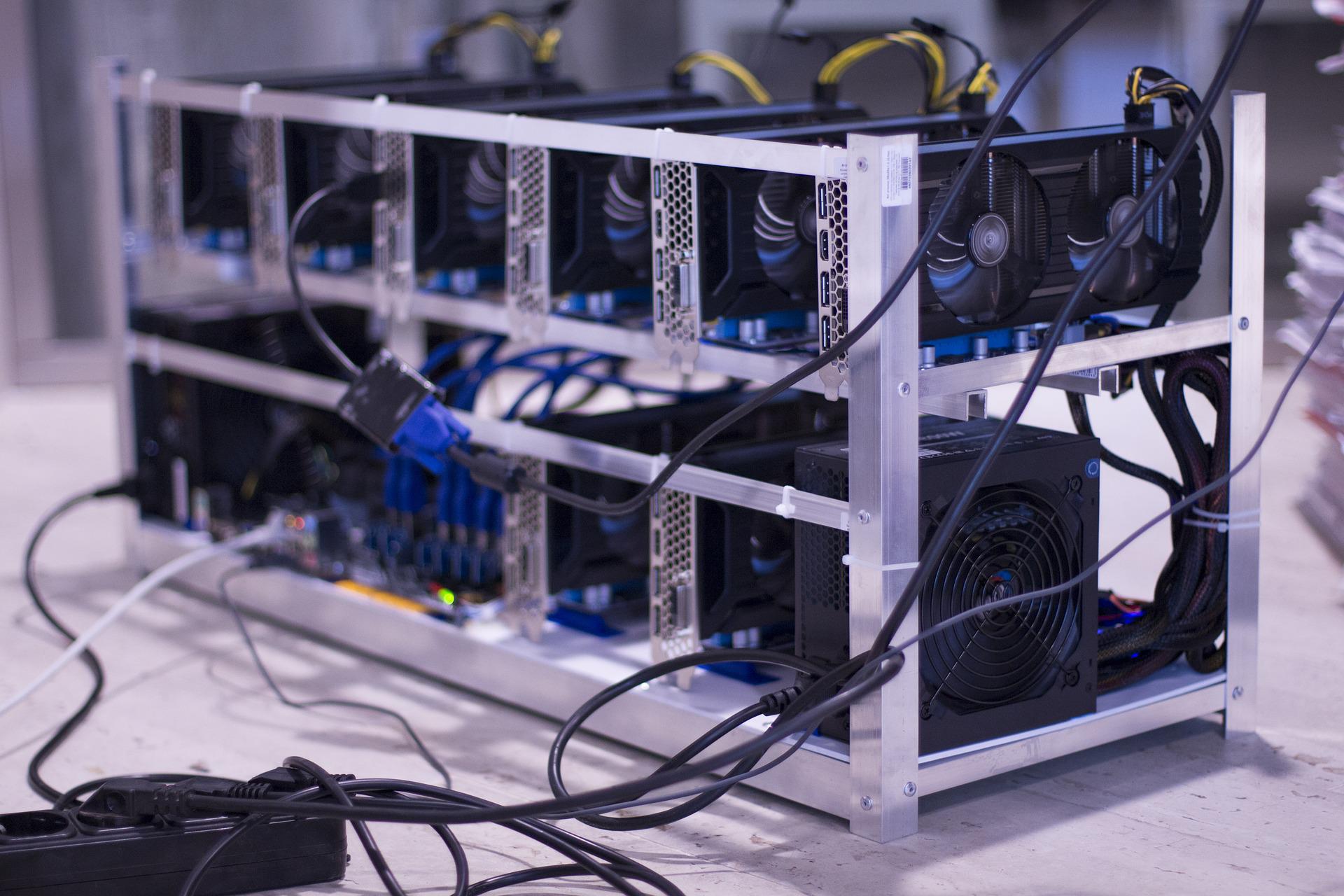
- Early 2021: Iranian authorities detected and seized approximately 45,000 application-specific integrated circuit (ASIC) machines. These devices, specifically designed for mining, were found to be using subsidized electricity through unauthorized connections.
- May 2021: Following a series of major blackouts in major cities, the Iranian government announced a blanket four-month ban on all cryptocurrency mining. This ban included even those operations that had obtained legal licenses from the Ministry of Industry, Mine, and Trade.
- March 2022: Data from the Cambridge Bitcoin Electricity Consumption Index (CBECI) revealed that Iran accounted for roughly 7.5% of the global Bitcoin hashrate, placing it among the top mining hubs globally.
- June 2022: A massive police operation resulted in the confiscation of 7,000 illegal mining machines in a single month. This operation signaled a shift toward more militarized enforcement of energy regulations.
- August 2022: Officials confirmed that over the preceding 18 months, at least 1,620 mining operations had been shut down, which collectively consumed an estimated 250 megawatts of power—enough to supply a medium-sized city.
- Present Day: The recent report of 9,404 farms being shuttered in a five-month window marks the most intensive period of enforcement to date.
Exploitation of Public Infrastructure and Subsidies
A particularly contentious aspect of the illegal mining landscape in Iran is the location of these farms. Investigations by the Tehran Electricity Distribution Company and local police have revealed that many miners set up their operations in public or religious institutions. Mosques and schools, which receive free or heavily subsidized electricity from the government, have frequently been used as covers for large-scale mining rigs.
This exploitation of social infrastructure has sparked public outrage, as citizens face rolling blackouts while public buildings are utilized for private profit. Furthermore, reports from Iranian media suggest that these operations are not merely the work of hobbyists. Large, influential networks and several Chinese investment groups have been identified as major players in the Iranian mining scene. These groups often utilize sophisticated setups to hide their energy signatures, making detection difficult for standard utility monitoring systems.
Comparative Global Context: Kosovo and Beyond
Iran is not alone in its struggle to balance the digital economy with grid stability. The source content notes that regions like Kosovo have also implemented total bans on cryptocurrency mining following similar electricity crises. In 2022, Kosovo’s government halted all mining activities as energy prices skyrocketed across Europe, and the country faced its worst power shortages in a decade.
Unlike Kosovo, which relies heavily on aging coal plants and imports, Iran’s crisis is one of management and infrastructure maintenance. Despite its vast fossil fuel reserves, Iran’s power plants suffer from a lack of investment and modernization due to sanctions, making them unable to handle the sudden spikes in demand caused by the "always-on" nature of crypto mining rigs. The comparison underscores a growing global trend where governments are forced to choose between the high-tech promise of blockchain industries and the fundamental necessity of a stable power grid.
Official Responses and Regulatory Pressure
Kambiz Nazerian and other energy officials have maintained a firm stance: until the grid can be stabilized and a more transparent regulatory framework is established, illegal mining will be treated as a criminal offense against the state’s resources. The Ministry of Energy has incentivized citizens to report illegal mining activities, offering rewards to whistleblowers who help identify unauthorized connections.
Tavanir, the state power company, has also implemented more rigorous monitoring of industrial and commercial zones. In some cases, the government has even resorted to cutting off power to licensed mining platforms during peak hours to prevent a total collapse of the grid. This "stop-and-start" approach has frustrated legal operators, who argue that the lack of consistency in government policy makes long-term investment impossible.

Broad Impact and Long-term Implications
The implications of this crackdown extend beyond the immediate seizure of hardware. For the global cryptocurrency market, the reduction in Iran’s hashrate contributes to the ongoing redistribution of mining power. Following China’s total ban on mining in 2021, miners migrated to the United States, Kazakhstan, and Iran. As Iran now tightens its grip, the hashrate is likely to continue its migration toward regions with more stable regulatory environments and renewable energy surpluses.
Domestically, the energy crisis remains a "ticking time bomb" for the Iranian government. The blackouts have previously triggered national protests, with citizens demanding better infrastructure and an end to corruption within the energy sector. By blaming cryptocurrency miners for the outages, the government may be attempting to deflect criticism from systemic failures in the power grid. However, if the blackouts continue despite the removal of nearly 10,000 mining farms, the authorities may face a more difficult narrative to maintain.
Furthermore, the environmental impact cannot be ignored. Much of Iran’s electricity is generated through natural gas and low-quality fuel oil (mazut), which contributes significantly to air pollution in cities like Tehran. The intensive energy consumption of mining rigs exacerbates this environmental strain, adding an ecological dimension to the government’s enforcement motivations.
As the September deadline for the lifting of current mining restrictions approaches, the industry remains in a state of flux. While the government seeks to harness the economic potential of blockchain technology, the immediate priority remains the prevention of a total energy blackout. The coming months will determine whether Iran can successfully integrate digital asset mining into its national economy or if the industry will remain a permanent target of state police and energy regulators. For now, the 9,404 shuttered farms stand as a testament to a nation struggling to reconcile its digital ambitions with its physical limitations.