January 29, 2026 marks a pivotal moment in the evolution of global finance, as the Chainlink network solidifies its position as the foundational infrastructure for a new era of on-chain finance. The past year, 2025, witnessed unprecedented integration and adoption of Chainlink’s decentralized oracle services and cross-chain interoperability protocols across a broad spectrum of financial institutions, from major global banks to innovative fintech startups. This surge in adoption signals a decisive shift towards a more connected, transparent, and efficient financial ecosystem, driven by the capabilities of blockchain technology and the robust infrastructure provided by Chainlink.
The year 2025 was characterized by a significant acceleration in the development and deployment of decentralized finance (DeFi) applications, moving beyond early-stage experimentation to real-world utility for businesses and consumers. Chainlink’s role as a secure and reliable bridge between blockchains and the real world became indispensable. The network facilitated the secure transfer of real-world data, such as market prices, asset valuations, and event outcomes, onto blockchains, enabling smart contracts to execute with unprecedented accuracy and reliability. This capability was critical for the maturation of DeFi, allowing for more sophisticated financial instruments, lending protocols, and decentralized exchanges to operate with confidence.
The Ascendancy of On-Chain Finance: A Look Back at 2025
The year 2025 was a watershed moment for on-chain finance, with Chainlink at its core. The platform’s ability to securely and reliably connect smart contracts to real-world data and systems proved instrumental in driving widespread adoption across the financial industry. This period saw a dramatic increase in the production and utilization of on-chain financial products, moving from niche applications to mainstream financial operations.
The year began with a clear trajectory towards increased institutional engagement. Traditional financial institutions, once hesitant, began to actively explore and implement blockchain-based solutions. Chainlink’s decentralized oracle networks were crucial in providing the trusted data feeds necessary for these institutions to bridge the gap between their existing infrastructure and the nascent world of on-chain assets and smart contracts. This involved providing real-time price feeds for cryptocurrencies, stablecoins, and increasingly, tokenized real-world assets (RWAs).

Key Developments and Milestones in 2025
1. The White House Digital Asset Summit and Regulatory Clarity
A significant event that shaped the landscape of digital assets in 2025 was the White House Digital Asset Summit. Sergey Nazarov, CEO of Chainlink Labs, delivered opening remarks to President Donald J. Trump, highlighting the critical role of decentralized infrastructure in the future of finance. This summit signaled a growing recognition by governments worldwide of the potential of blockchain technology and digital assets, alongside a concerted effort to foster regulatory clarity. The discussions at the summit aimed to establish frameworks that would encourage innovation while mitigating risks, a balance that Chainlink’s architecture is designed to support. The presence of key figures from the traditional financial sector, such as those from major investment banks and payment processors, underscored the growing convergence between traditional and decentralized finance.
2. Strategic Partnerships and Integrations
Throughout 2025, Chainlink solidified numerous strategic partnerships that demonstrated its expanding influence across the financial ecosystem.
-
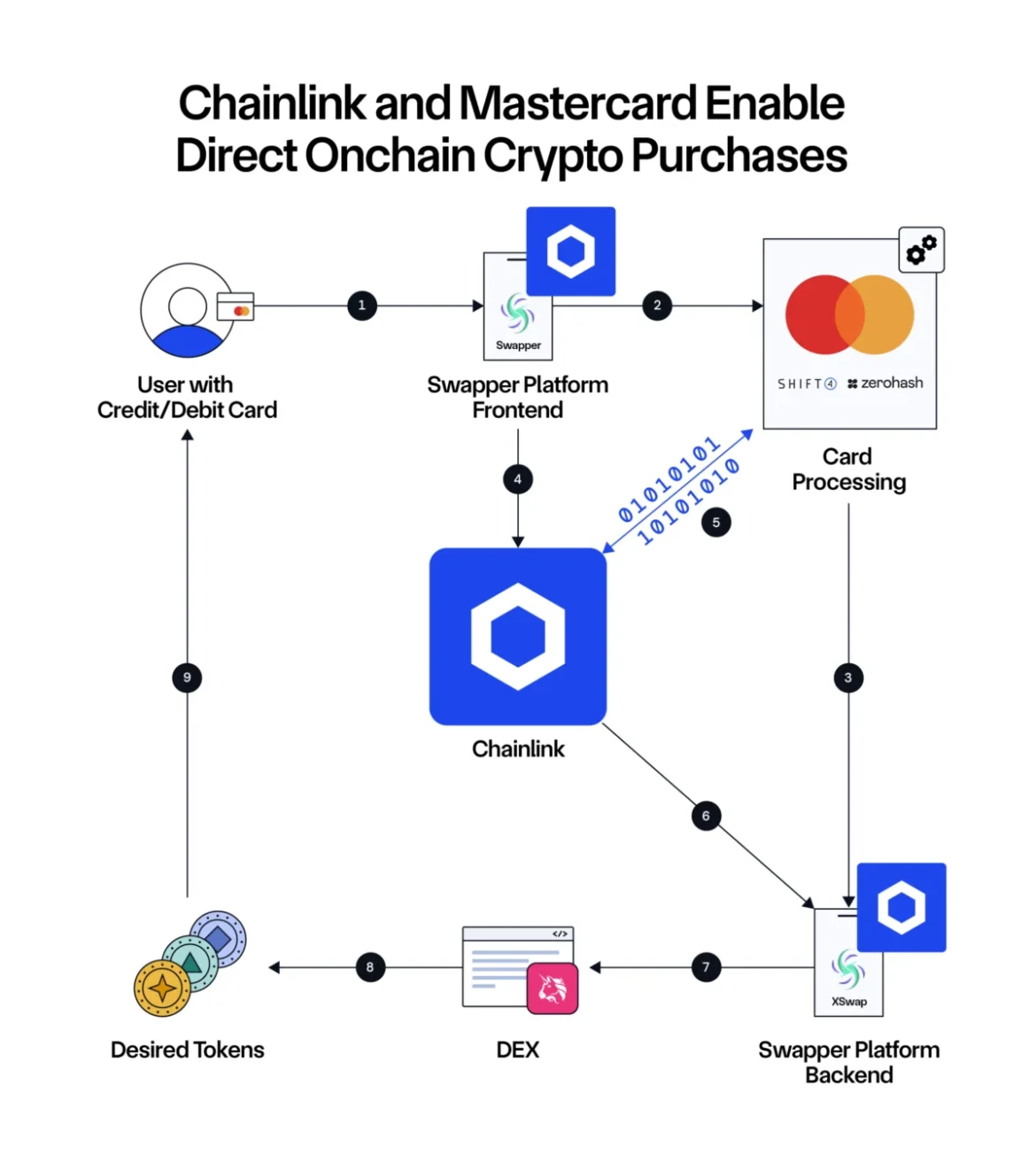
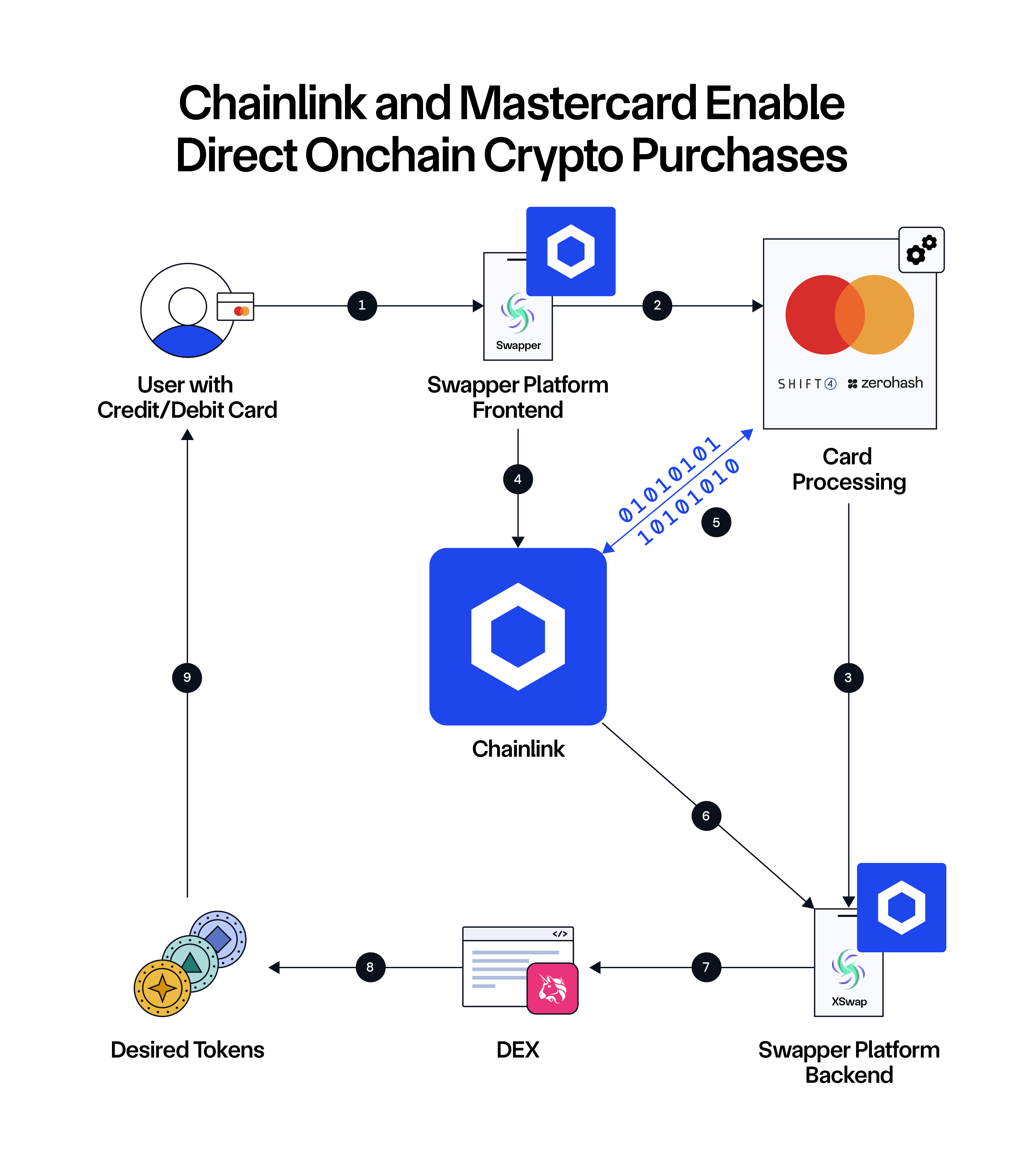
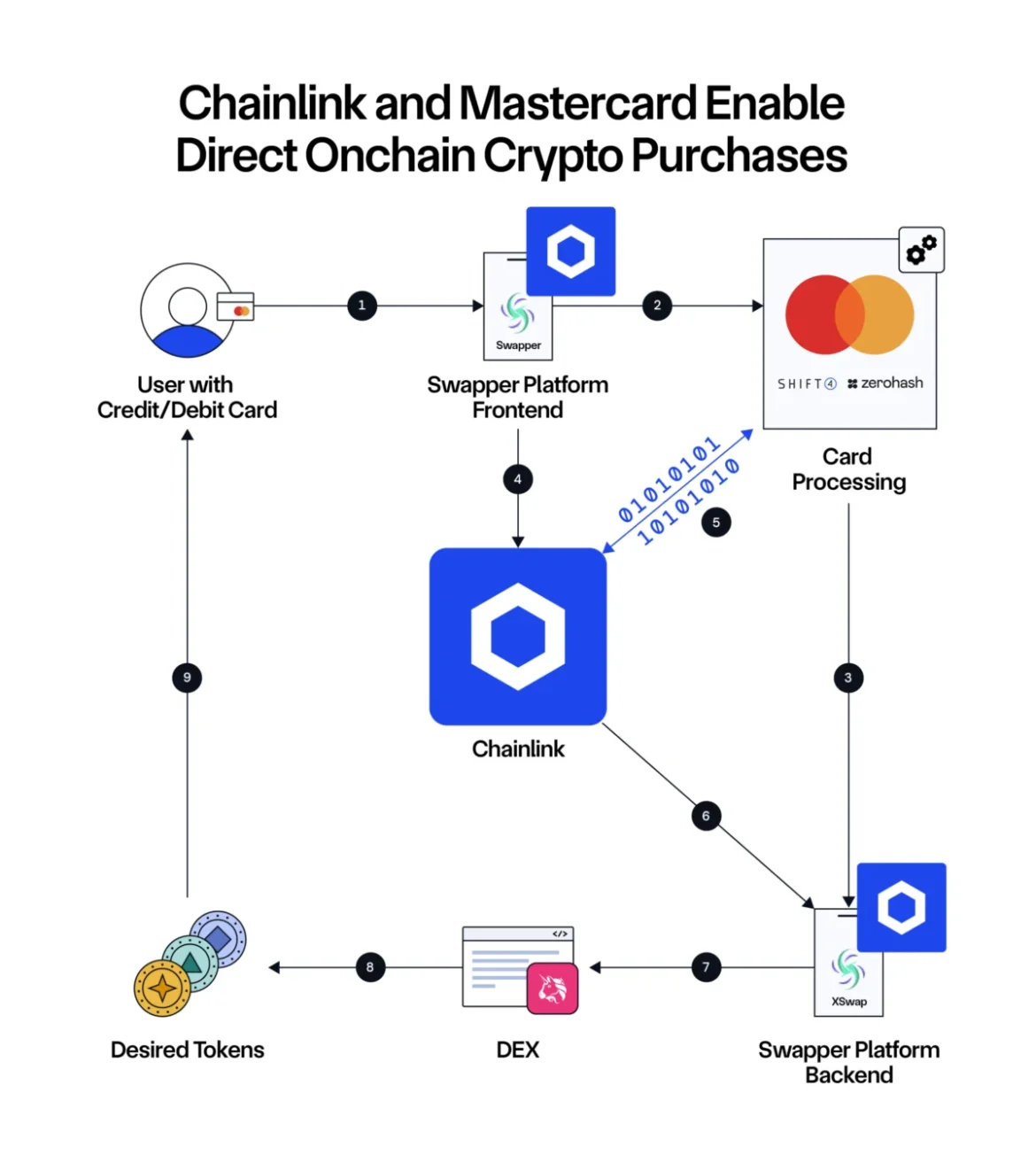
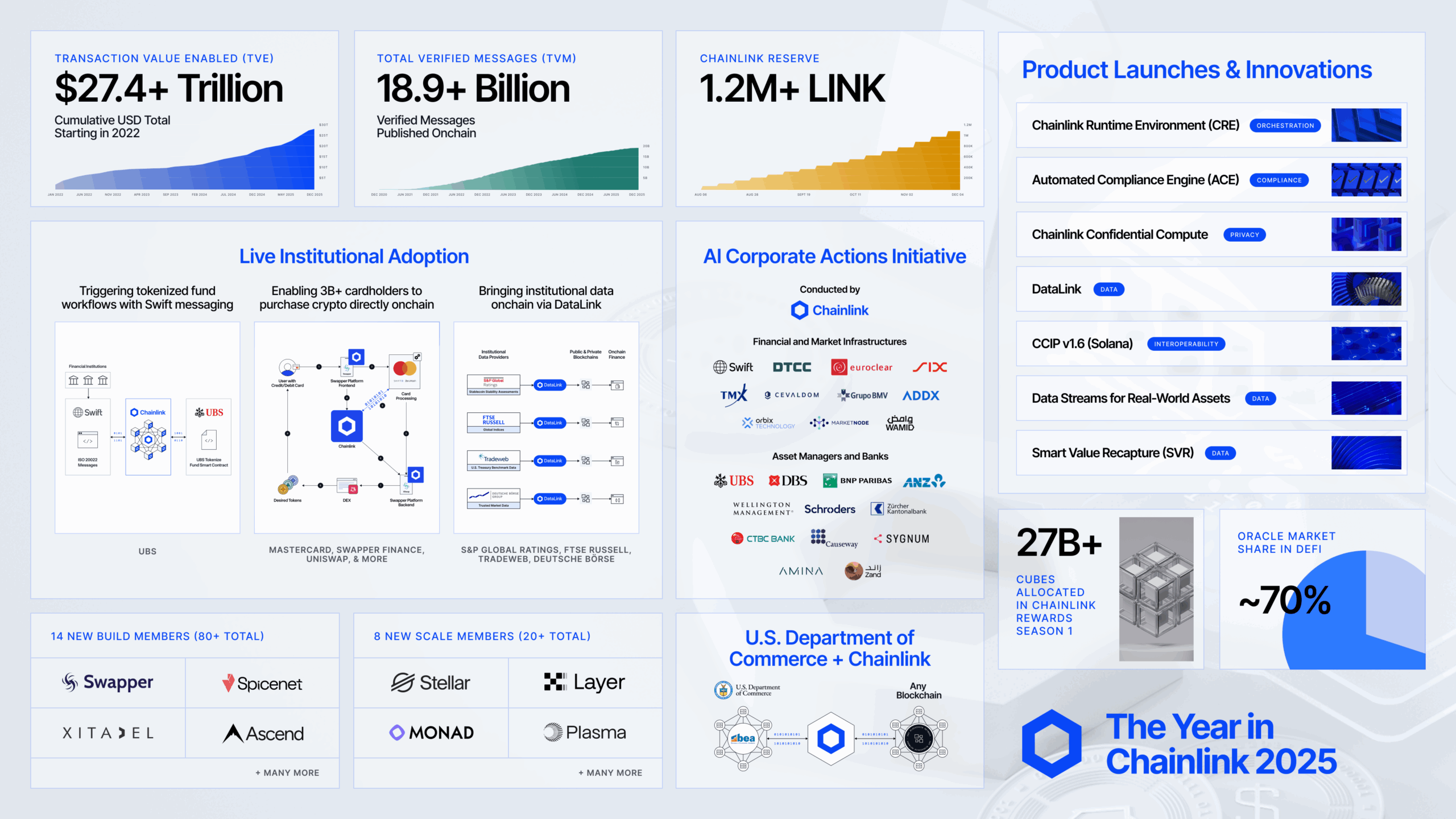
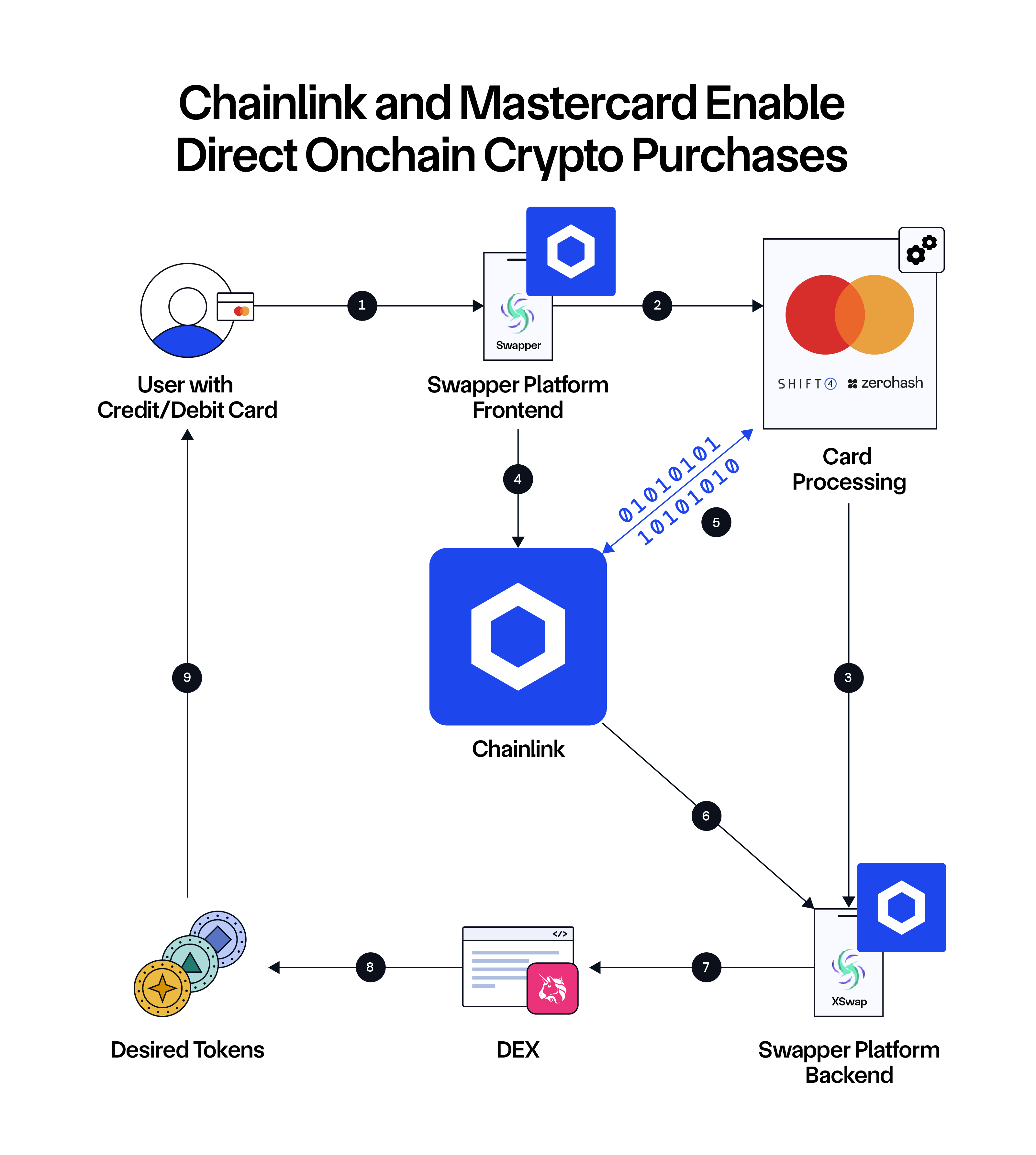
Mastercard’s On-Chain Crypto Integration: A landmark collaboration with Mastercard allowed over 3 billion payment cardholders to purchase crypto assets directly on-chain. This integration leveraged Chainlink’s oracle services to securely connect traditional payment rails with blockchain networks, making digital asset acquisition more accessible and seamless for a global consumer base. This initiative alone represented a significant step towards mainstream adoption of crypto-assets.
-
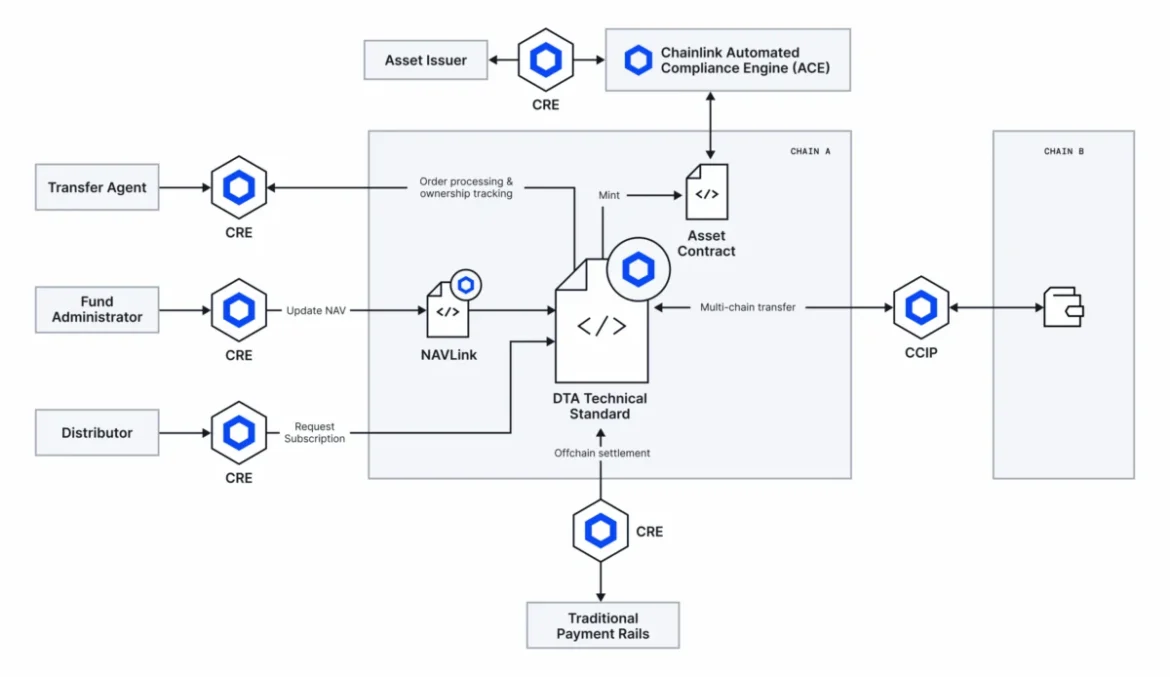
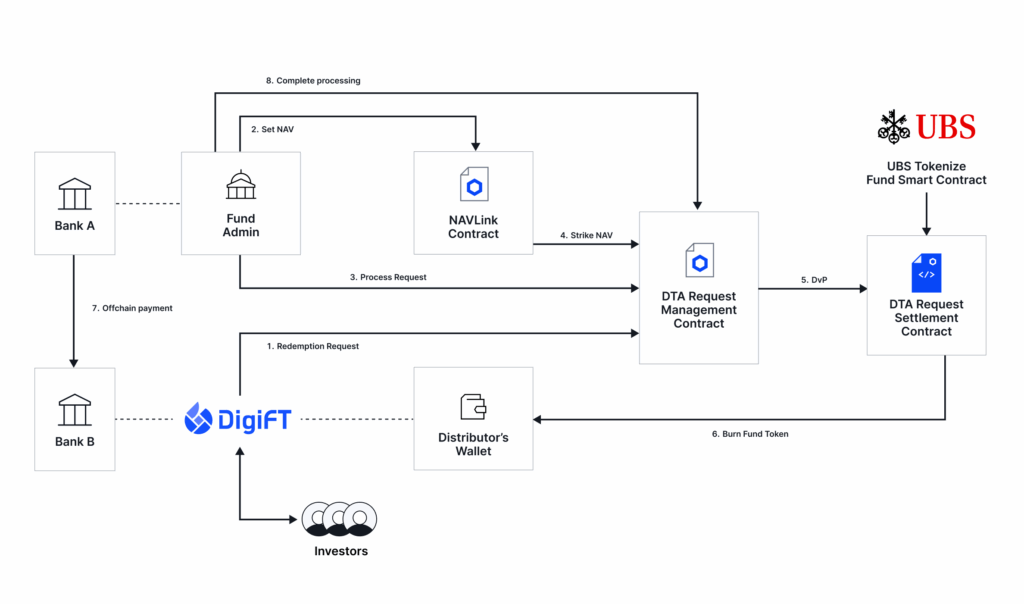
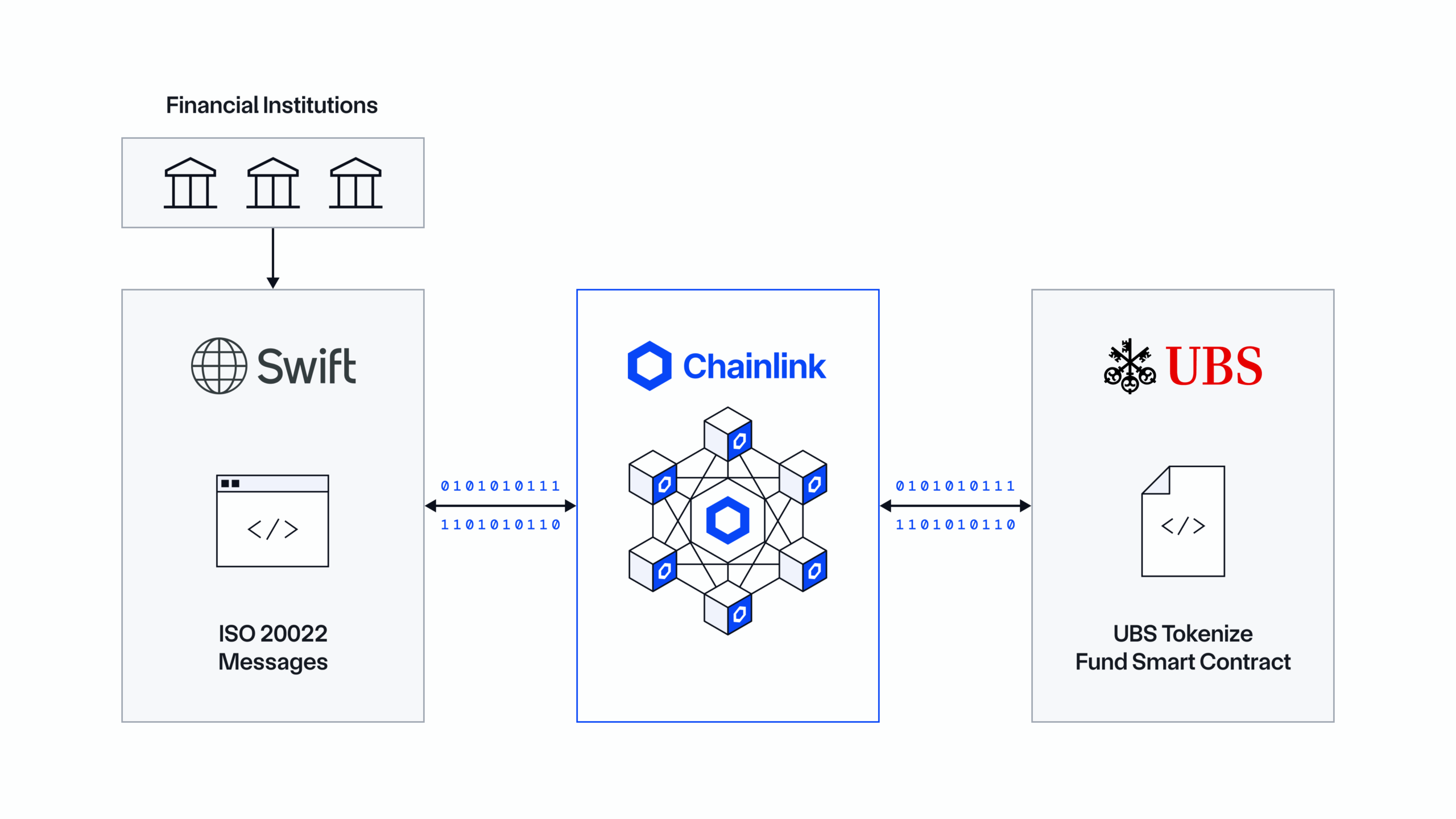
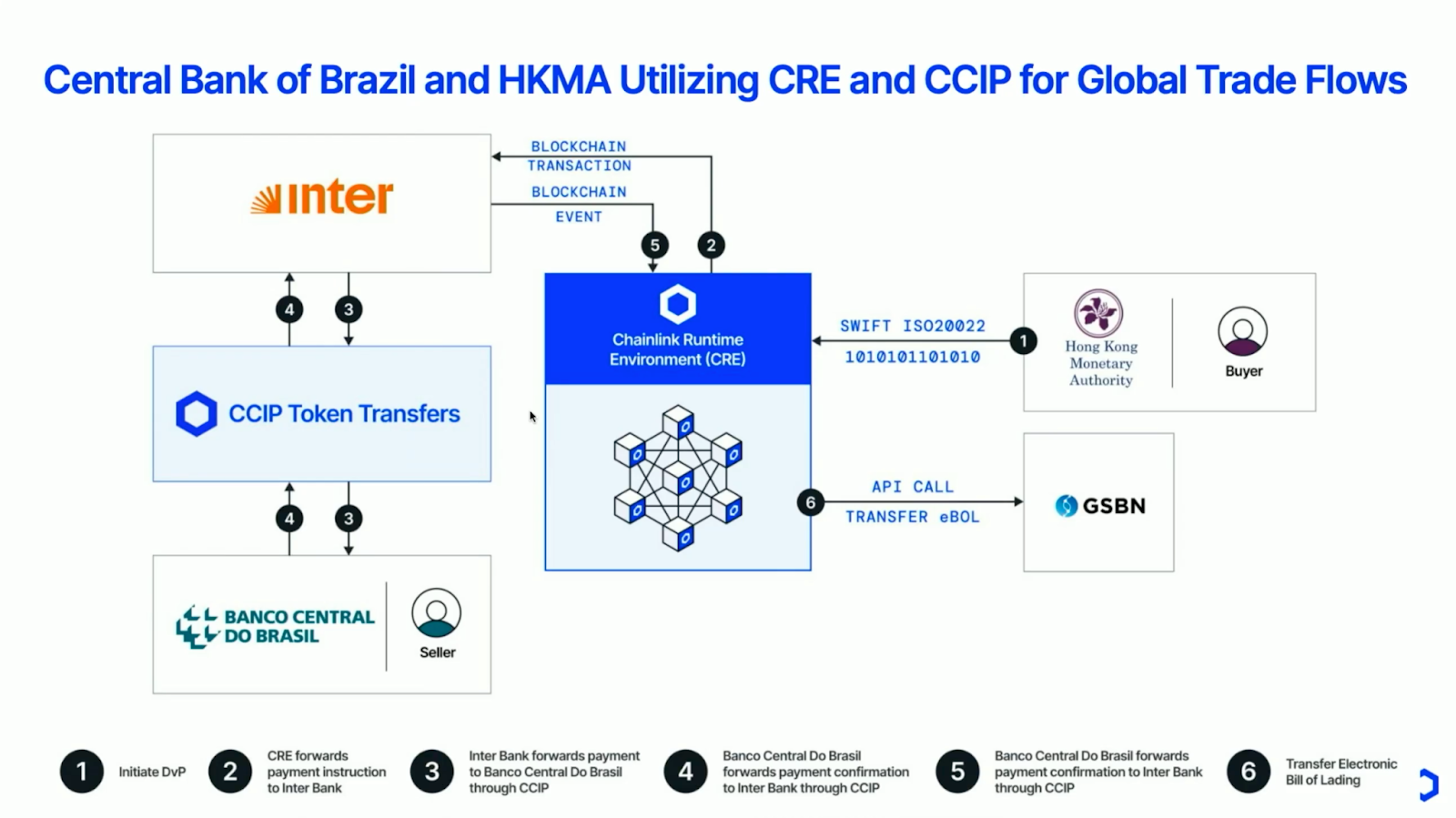
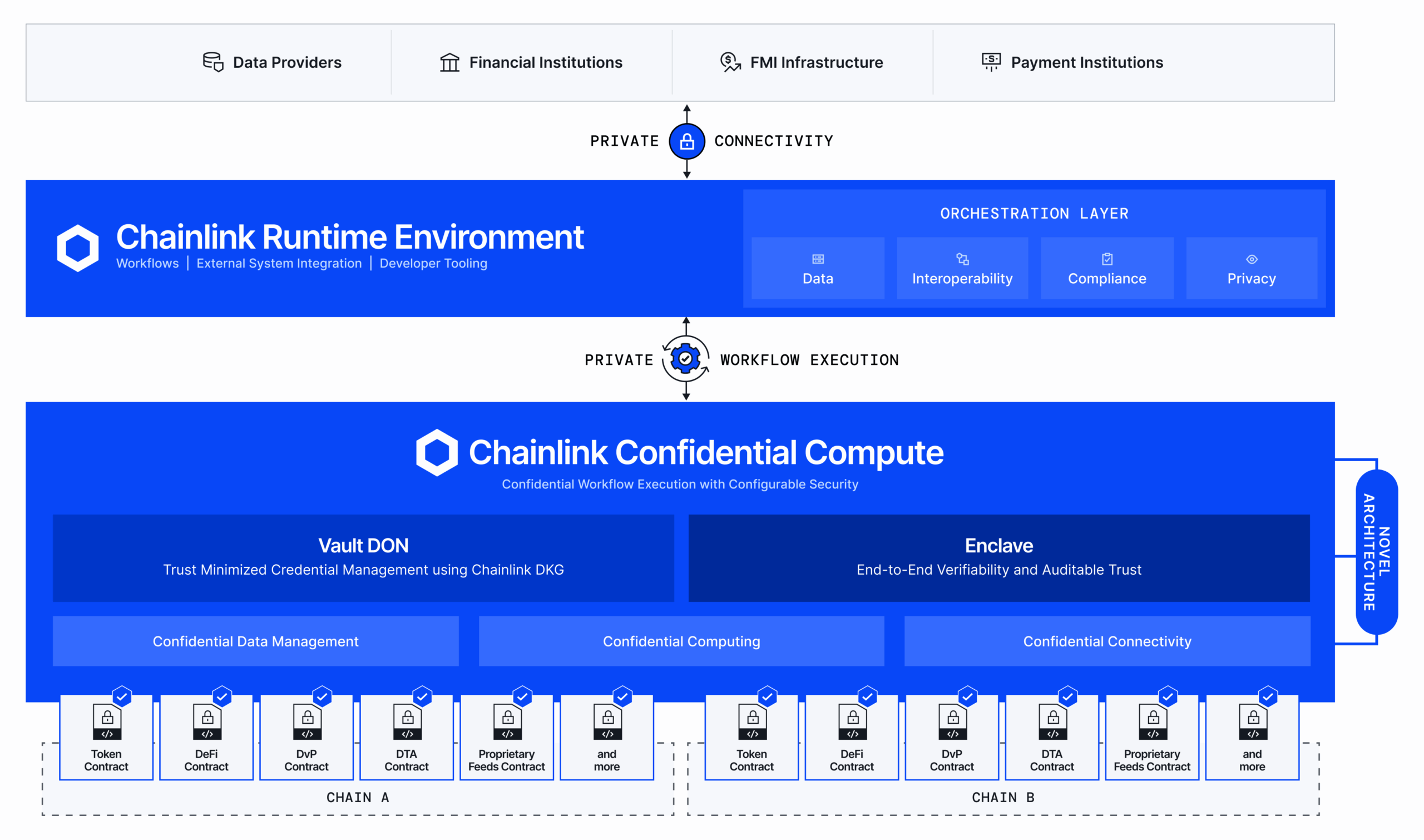
UBS and Tokenized Funds: Chainlink’s role in facilitating tokenized financial products gained significant traction, particularly with initiatives involving UBS. A diagram illustrating the integration of financial institutions sending ISO 20022 messages via SWIFT, which Chainlink’s Cross-Chain Interoperability Protocol (CCIP) then used to trigger on-chain subscription and redemption workflows for a UBS tokenized fund, showcased the power of seamless interbank communication and on-chain asset management. This demonstrated Chainlink’s ability to connect traditional financial messaging systems with blockchain-based fund management, paving the way for more efficient and transparent capital markets.
-
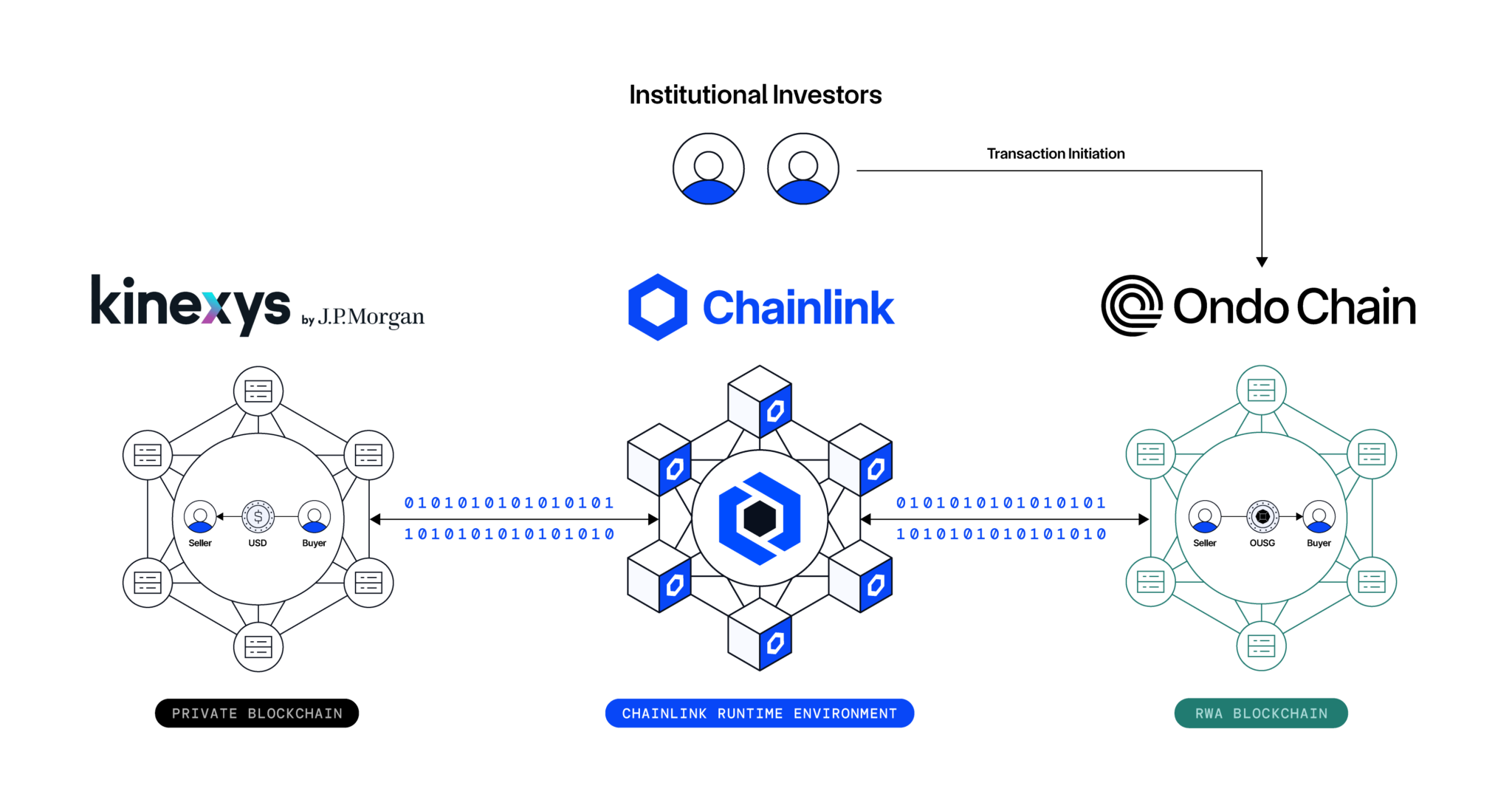
JP Morgan’s Blockchain Initiatives: Evidence of Chainlink’s integration into the infrastructure of major financial players like JP Morgan emerged, with visualizations showing its involvement in their blockchain development. This suggested Chainlink’s role in providing secure data feeds and interoperability solutions for JP Morgan’s various blockchain-based projects, further validating its utility for large-scale financial operations.
-
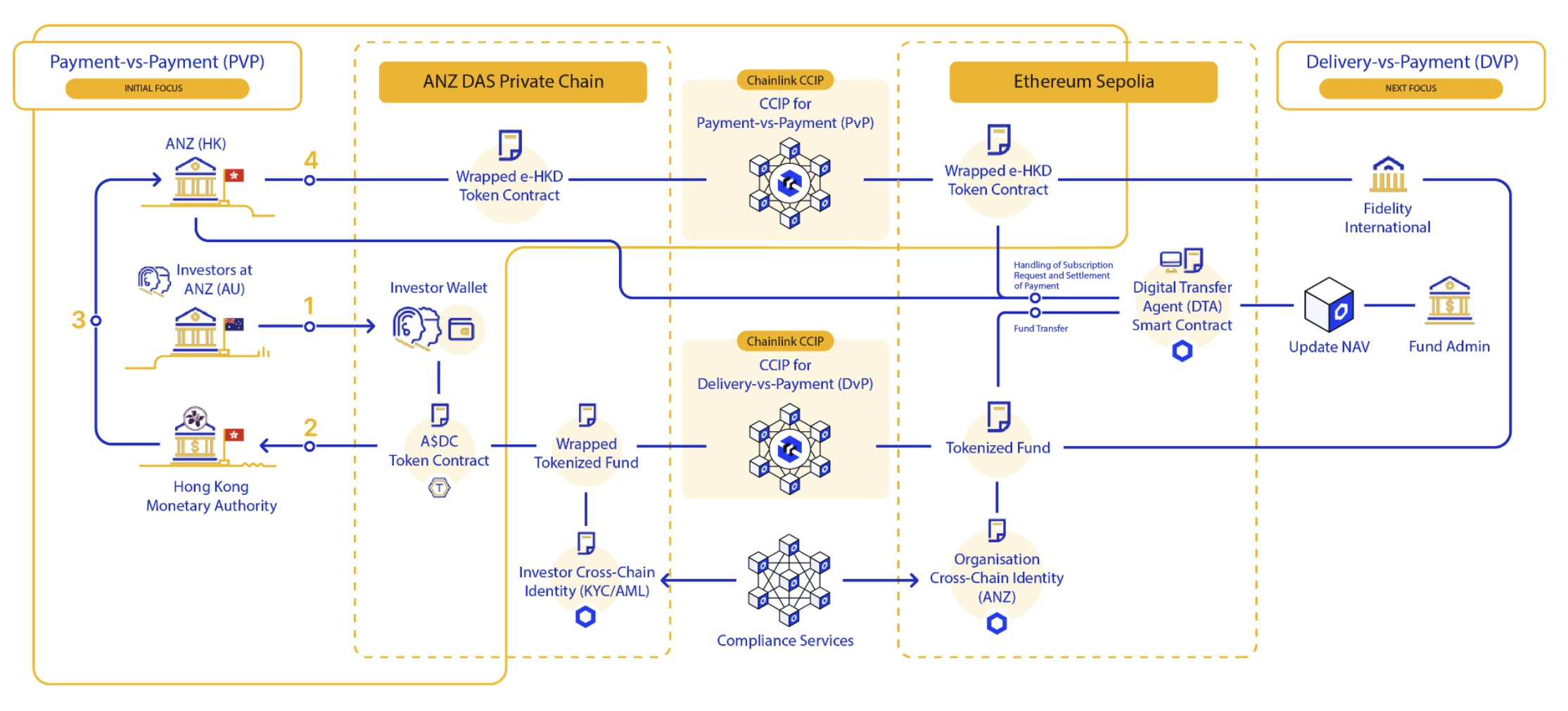
ANZ and CBDC Interoperability: A diagram showcasing the exchange of an Australian stablecoin (A$DC) against a Hong Kong Central Bank Digital Currency (CBDC) using Chainlink CCIP highlighted the network’s capability in facilitating cross-border transactions between different digital currencies and central bank digital currencies. This development is crucial for the future of international trade and finance, offering a more efficient and less costly alternative to traditional remittance systems.
-
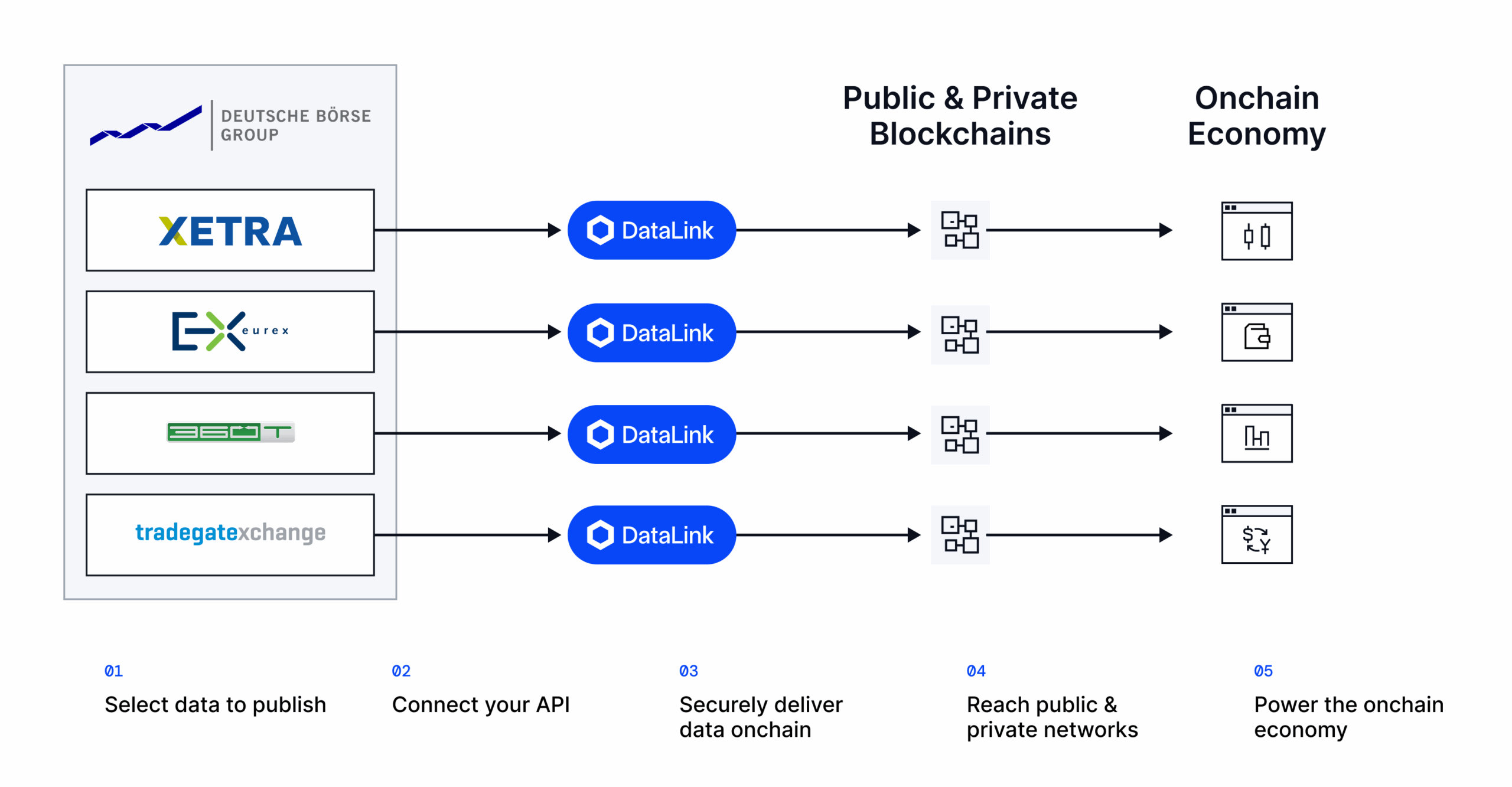
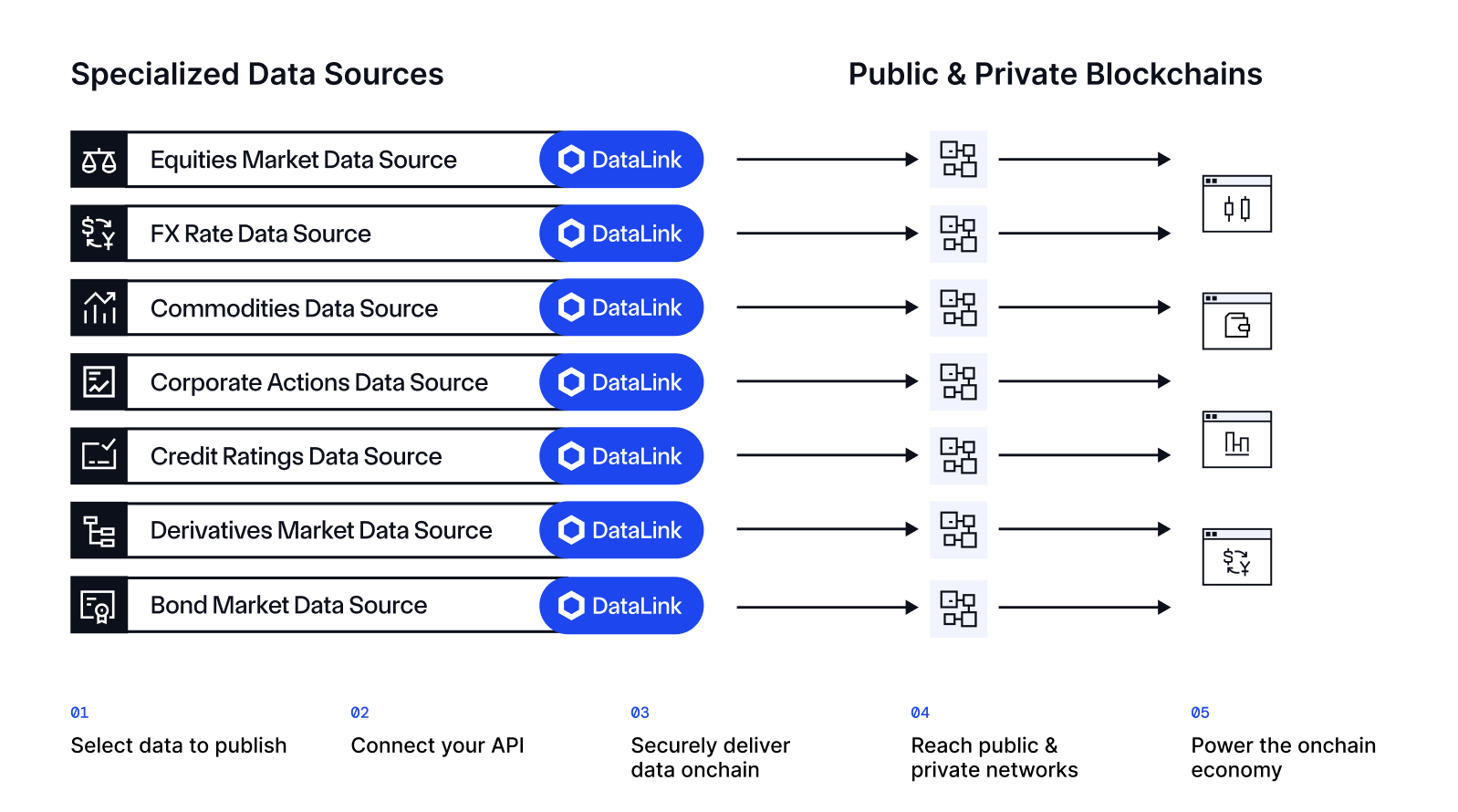
Deutsche Börse and DataLink: The partnership with Deutsche Börse, a major European financial market infrastructure provider, through Chainlink DataLink, underscored the demand for reliable and secure data feeds in traditional financial markets. This collaboration aimed to enhance the accessibility and integrity of financial data, making it more suitable for both traditional and blockchain-based applications.

-
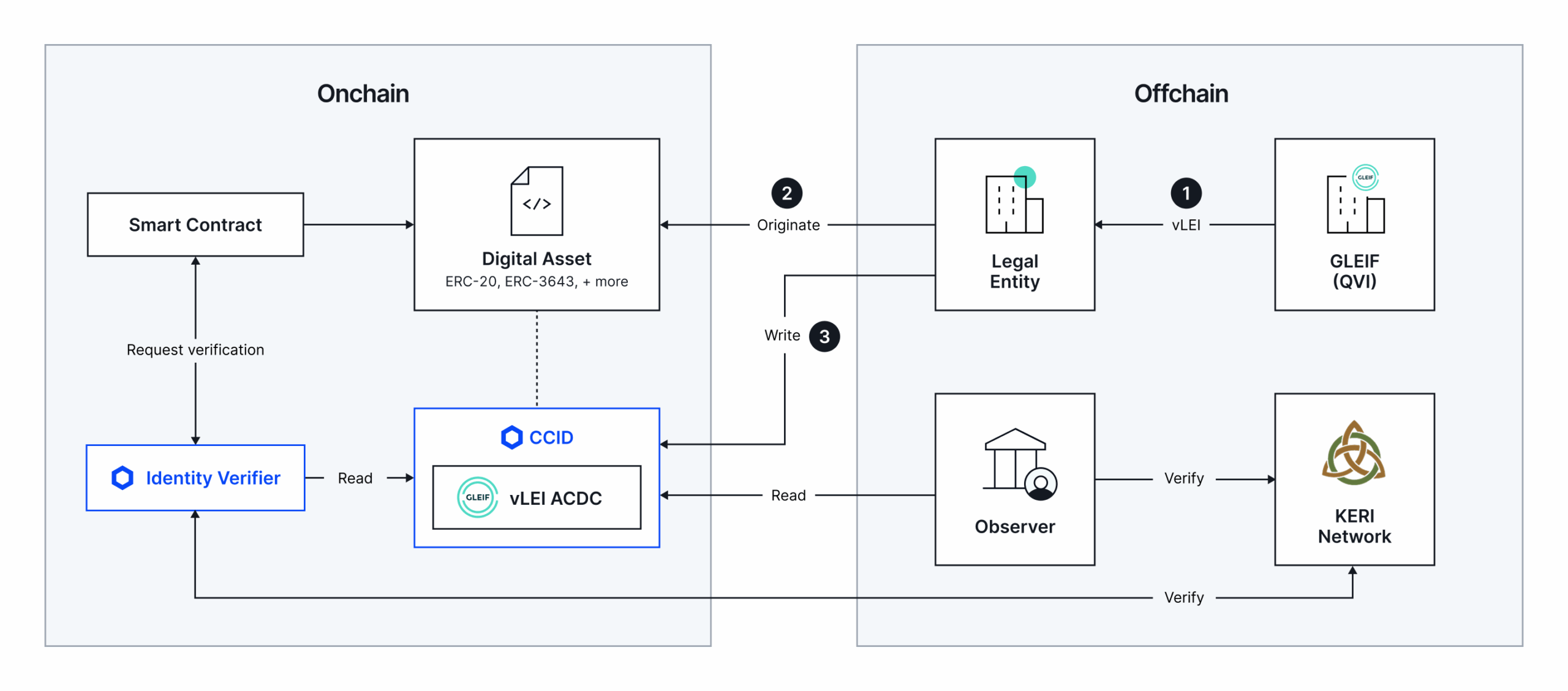
GLEIF and vLEI: Chainlink’s collaboration with the Global Legal Entity Identifier Foundation (GLEIF) for the issuance and verification of verifiable Legal Entity Identifiers (vLEI) on-chain demonstrated its commitment to enhancing the integrity and transparency of business identity verification within the digital economy. This is critical for regulatory compliance and preventing fraud in decentralized systems.
Decentralized Finance (DeFi) and Decentralized Services
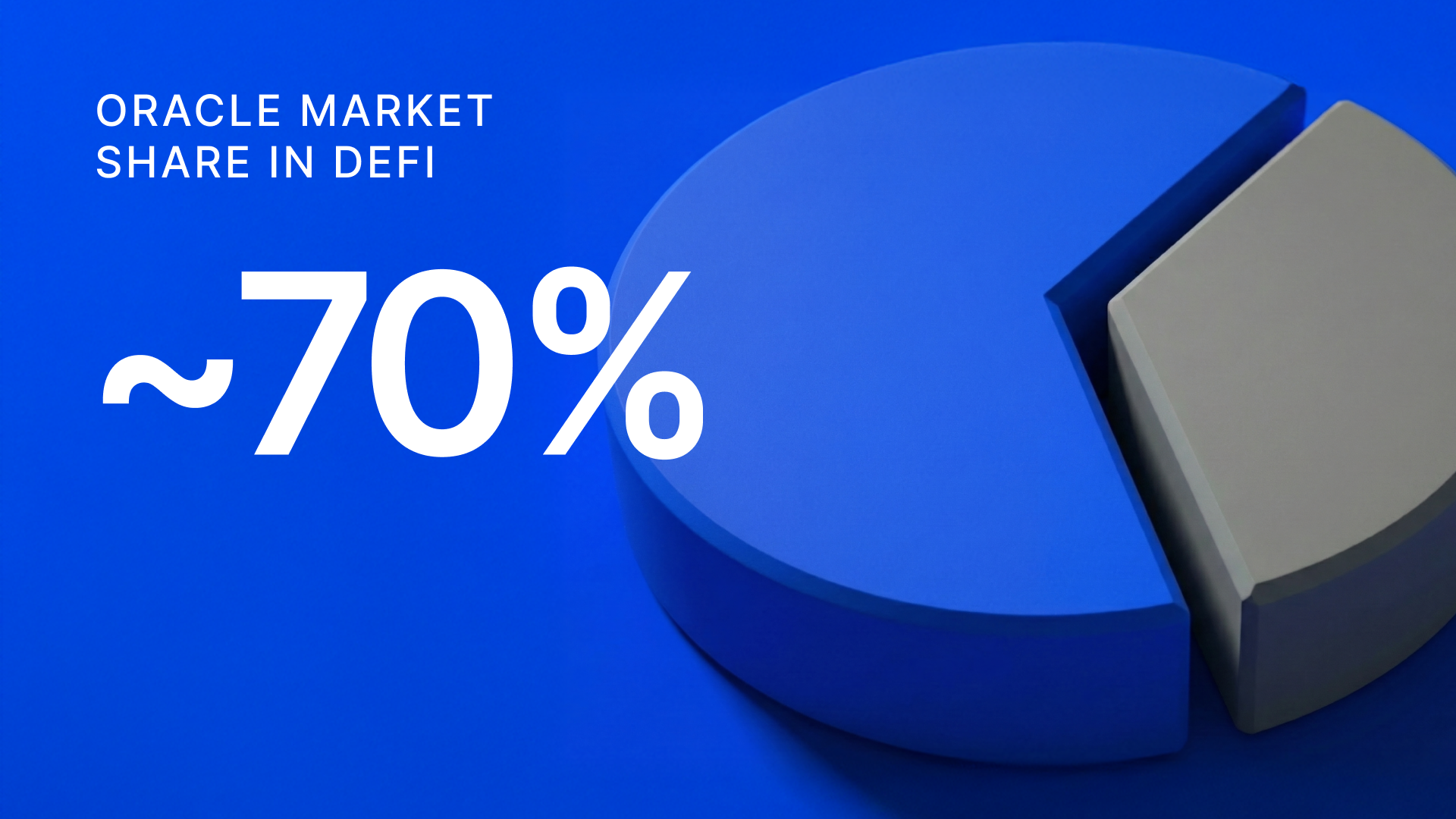
The growth of DeFi was undeniably propelled by Chainlink’s infrastructure. In 2025, DeFi applications experienced a significant surge in total value locked (TVL) and user engagement. Chainlink’s oracle networks provided the essential data for lending protocols, decentralized exchanges (DEXs), and yield farming platforms to operate securely and efficiently. The network’s oracle market share continued to dominate, indicating its foundational role in the DeFi ecosystem.
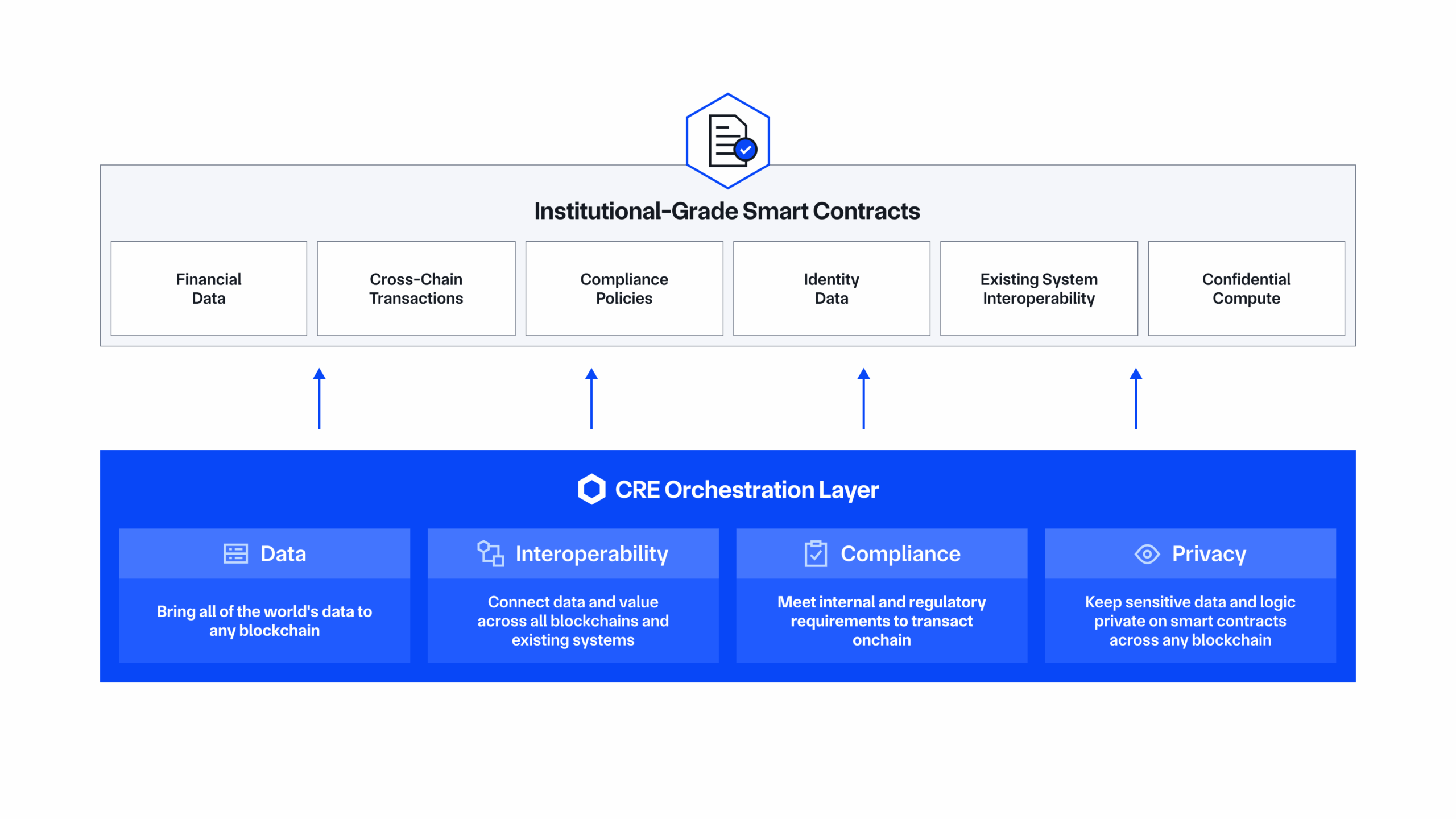
Chainlink’s Cross-Chain Interoperability Protocol (CCIP) emerged as a critical component for the expansion of DeFi, enabling seamless asset transfers and smart contract interactions across a multitude of blockchain networks. This cross-chain capability is fundamental to unlocking the full potential of decentralized finance, allowing for liquidity to flow freely and for applications to reach a wider user base. The development of Chainlink’s Orchestration Layer further demonstrated its commitment to providing a comprehensive suite of tools for building and managing sophisticated decentralized applications.
The Expanding Role of Chainlink’s Services
Chainlink’s impact extends beyond its core oracle services. The development of Chainlink Functions, a serverless compute platform for smart contracts, provided developers with the ability to execute custom off-chain computations securely and at scale. This capability is crucial for complex smart contract applications that require more than simple data retrieval.
Furthermore, Chainlink’s commitment to network security and value flow was evident in its ongoing development of services like Chainlink Payment Abstraction and Chainlink Reserve. These initiatives aim to simplify the integration of digital payments and the management of digital asset reserves, making it easier for businesses and individuals to interact with the decentralized economy.
Looking Ahead: The Road to 2026 and Beyond
As 2025 drew to a close, the trajectory for 2026 was clear: continued expansion and deeper integration of Chainlink’s technology into the global financial system. The network’s focus on building out its ecosystem, evident in its robust network metrics and partnerships, positions it to play an even more significant role in the coming year.
The year 2026 is anticipated to see an intensification of the trend towards on-chain financial services, with Chainlink serving as the bedrock for this transformation. The development of more sophisticated decentralized derivatives, insurance products, and asset management solutions will rely heavily on the secure and reliable data and interoperability provided by Chainlink. The continued adoption of CCIP will be instrumental in creating a truly interconnected blockchain economy, where assets and data can move frictionlessly between different networks.
The overarching implication of Chainlink’s advancements and widespread adoption is the creation of a more efficient, transparent, and accessible global financial system. By bridging the gap between traditional finance and the decentralized web, Chainlink is enabling a future where financial services are not only more robust but also more inclusive. The company’s commitment to open-source development and community collaboration ensures that its technology will continue to evolve to meet the ever-growing demands of the digital economy.
The sustained growth and innovation witnessed throughout 2025, culminating in the pivotal date of January 29, 2026, solidify Chainlink’s position not just as a provider of oracle services, but as a fundamental architect of the next generation of global finance. The insights gleaned from the company’s own data, such as its network ecosystem metrics, paint a picture of a rapidly expanding and increasingly indispensable technological backbone for the digital economy.
For those seeking to understand the intricate workings of this evolving financial landscape, further exploration of Chainlink’s comprehensive resources is recommended. The company’s commitment to transparency is reflected in its extensive documentation and public data, available at chain.link/everything.
Need Integration Support?
Talk to an expert.
Faucets
Get testnet tokens.
Read the Docs
Technical documentation.
You might also be interested in:
How Blockchain Improves Cross-Border Payments
February 23, 2026 | 4 min read
The adoption of blockchain technology is revolutionizing cross-border payments. The ability of blockchain to provide secure and transparent transactions, coupled with the efficiency of stablecoins, is transforming the remittance market. This is particularly impactful for emerging markets, where traditional financial services can be slow and expensive, and for the growing gig economy, enabling faster and cheaper payments for freelancers worldwide.
The Evolution of Digital Assets and Tokenization in the United Kingdom
February 18, 2026 | 6 min read
Op-ed by Jorge Lesmes, Global Head of Partnerships, Chainlink Labs. The United Kingdom is entering a practical phase in the evolution of tokenized financial assets. With one of the world’s deepest capital markets, a globally influential asset management industry, and a long-standing role as a hub for financial market infrastructure, the UK is well positioned to lead in this domain.