
The global shift toward decentralized technologies has ushered in a new era of digital ownership, primarily facilitated by the advent and proliferation of tokens. While the term "token" has become a staple in financial and technological discourse, its precise definition and the breadth of its applications remain a point of confusion for many. At its core, a token represents a digital asset issued on a blockchain that serves various functions—from a medium of exchange to a representation of voting rights or ownership in a specific project. Unlike traditional digital data, which can be infinitely replicated and altered, tokens leverage the immutable nature of blockchain technology to ensure scarcity, authenticity, and transparency. This fundamental shift is redefining how communities are built, how capital is raised, and how value is transferred across the digital landscape.
The Technical Foundation: Blockchain and the Prevention of Duplication
The primary value proposition of a token lies in its security and integrity. In the traditional Web 2.0 environment, digital assets are stored on centralized servers, making them vulnerable to unauthorized alterations or duplication. A digital image, for example, can be copied thousands of times with no way to distinguish the original from the replica. Tokens solve this "double-spending" and duplication problem through blockchain technology.
By recording every transaction on a distributed ledger, tokens gain a level of transparency and security that was previously impossible. Each token has a unique identifier and a verifiable history of ownership. This ensures that when a token is transferred from one party to another, the transaction is validated by a network of nodes, making it nearly impossible to forge or tamper with the data. This technical architecture is what allows tokens to hold real-world value, as they can represent a claim on an asset that is both scarce and verifiable.

Distinguishing Digital Assets: Tokens versus Cryptocurrencies
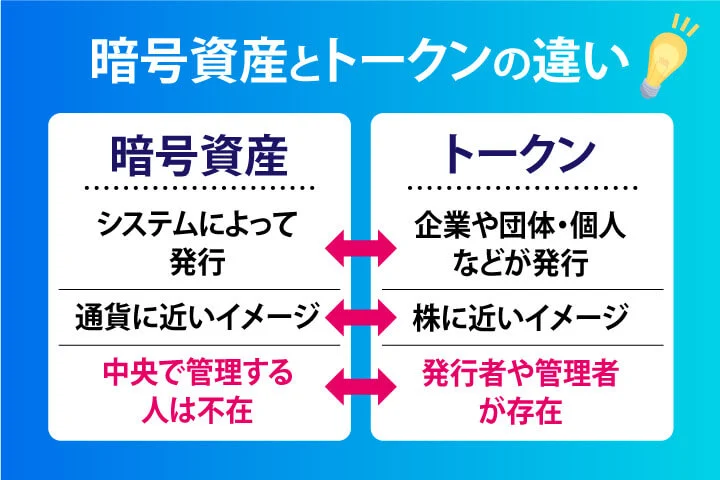
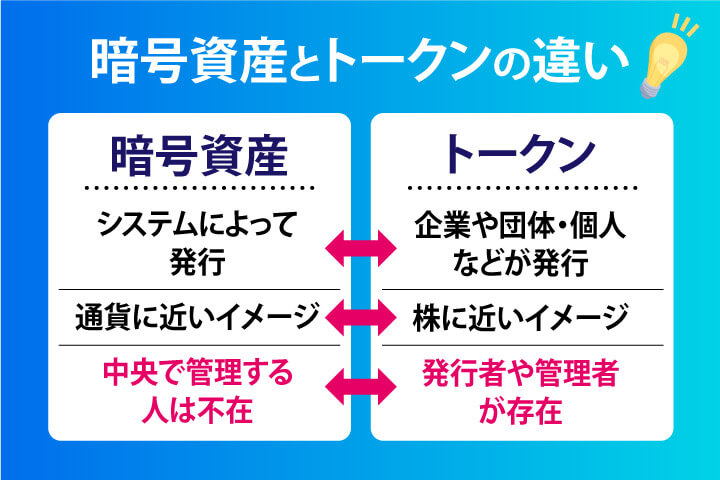
A common point of confusion in the Web3 space is the distinction between cryptocurrencies and tokens. While both exist on a blockchain, they serve different roles within the ecosystem. Cryptocurrencies, such as Bitcoin (BTC) or Ethereum (ETH), are typically the native assets of a specific blockchain. They are primarily used to pay for transaction fees (gas), secure the network through staking or mining, and serve as a general-purpose medium of exchange.
In contrast, tokens are usually built on top of existing blockchains. For instance, many tokens are issued on the Ethereum network using the ERC-20 standard. While a cryptocurrency acts like a sovereign currency (such as the US Dollar or the Japanese Yen), a token functions more like a share of stock, a loyalty point, or a digital deed. Tokens are often project-specific, granting the holder utility within a particular application or a stake in a community’s growth. This "stock-like" quality is a defining feature of the token economy, where the value of the token is often tied to the success and adoption of the underlying project or community.

The Taxonomy of Tokens: Fungible versus Non-Fungible
The token landscape is broadly divided into two categories: Fungible Tokens (FT) and Non-Fungible Tokens (NFT). Understanding the difference between these two is critical for grasping the current trends in digital finance and art.
Fungible Tokens (FT)
Fungible tokens are identical and interchangeable. A common analogy is a 1,000-yen note or a single US dollar. If you exchange one 1,000-yen note for another, the value remains exactly the same. In the digital world, assets like Bitcoin or various "utility tokens" are fungible. Their primary purpose is to act as a divisible and uniform medium of exchange within an ecosystem. Because they are interchangeable, they are ideal for liquidity and trading on decentralized exchanges (DEXs).
Non-Fungible Tokens (NFT)
Non-fungible tokens are unique and cannot be exchanged on a one-to-one basis with another token of the same type. Each NFT contains specific metadata that distinguishes it from any other. This makes NFTs perfect for representing unique items such as digital art, collectibles, real estate deeds, or event tickets. An NFT is akin to a physical painting or a signed baseball card; while there may be other paintings or cards, the specific one held by the owner has its own unique provenance and value.
The Socio-Economic Impact: Community Building and Fundraising
The integration of FTs and NFTs into modern projects has introduced revolutionary methods for community engagement and capital acquisition. Traditional fundraising often involves arduous processes, including bank loan applications or the complex requirements of an Initial Public Offering (IPO). Tokens offer a "speedy" and decentralized alternative.
Decentralized Fundraising
Through Initial Coin Offerings (ICOs) or NFT launches, creators and startups can raise capital directly from a global pool of supporters. By selling tokens, a project can secure the necessary funds to develop its platform while providing early adopters with a stake in its future. This process bypasses traditional financial intermediaries, reducing administrative hurdles and allowing for more rapid innovation. Furthermore, the use of "Smart Contracts"—self-executing contracts with the terms of the agreement directly written into code—ensures that the fundraising process is automated and transparent.
The Incentivization of Communities
Tokens serve as the "glue" for digital communities. When individuals hold a project’s token, they are financially and emotionally incentivized to see that project succeed. This leads to the formation of "token-gated" communities, where ownership of a specific NFT or a certain amount of FTs grants access to exclusive content, voting rights on project decisions, or direct communication with creators. This model shifts the relationship between the creator and the consumer from a passive transaction to an active partnership. As the community grows and the demand for the token increases, the value of the assets held by the community members rises, creating a virtuous cycle of growth and reward.

Case Study: Yamakoshi DAO and the Future of Regional Revitalization
A prominent example of token utility in the real world is the "Yamakoshi DAO" project in Japan. Yamakoshi, a small village in Niigata Prefecture facing the threat of depopulation and disappearance, turned to blockchain technology to secure its future. The village issued "Nishikigoi NFTs," which represent digital residency.
By purchasing these NFTs, individuals from around the world become "digital citizens" of Yamakoshi. These digital residents can participate in the village’s governance via a Decentralized Autonomous Organization (DAO), voting on how funds raised from NFT sales should be used to revitalize the area. This initiative has effectively expanded the "population" of the village into the digital realm, bringing in global talent, ideas, and capital to a region that was previously isolated. The Yamakoshi model demonstrates that tokens are not merely speculative assets but tools for social engineering and regional sustainability.

Chronology of Token Evolution
To understand the current state of tokens, it is helpful to look at the timeline of their development:
- 2009–2014: The Birth of Native Assets. The launch of Bitcoin introduced the concept of a decentralized ledger. Early "altcoins" began to emerge, but they were mostly forks of the Bitcoin code.
- 2015–2017: The Ethereum Revolution and the ICO Craze. The launch of Ethereum allowed for the creation of smart contracts. This led to the "Initial Coin Offering" (ICO) boom, where thousands of new tokens were created on the Ethereum network.
- 2018–2020: DeFi and Utility. The focus shifted from pure speculation to "Decentralized Finance" (DeFi). Tokens began to be used for governance and as collateral within complex financial protocols.
- 2021–Present: The NFT Explosion and DAO Integration. NFTs entered the mainstream, disrupting the art and gaming industries. Simultaneously, the rise of DAOs began to show how tokens could be used to manage organizations without a central authority.
Broader Implications and the Path Forward
The evolution of tokens suggests a future where the boundaries between the physical and digital economies are increasingly blurred. As institutional interest in blockchain grows, we are likely to see the "tokenization" of traditional assets, such as real estate, fine art, and even carbon credits. This will provide greater liquidity to previously illiquid markets and allow for fractional ownership, making high-value investments accessible to a broader range of people.

However, the path forward is not without challenges. Regulatory frameworks are still being developed globally to address issues of security, fraud, and taxation. The volatility of token prices remains a concern for mainstream adoption, and the environmental impact of certain blockchain networks continues to be a topic of debate.
Despite these hurdles, the fundamental technology remains transformative. Tokens have proven to be an effective tool for verifying digital scarcity, incentivizing community participation, and democratizing access to capital. As the technology matures and user interfaces become more intuitive, the "token economy" is poised to become an integral part of the global financial system.
The next logical step in this evolution is the widespread adoption of Decentralized Autonomous Organizations (DAOs). By utilizing tokens for governance, DAOs allow for a truly democratic and transparent way of managing resources and making decisions. As we look toward the future of Web3, the lessons learned from the current token landscape will provide the blueprint for a more equitable and connected digital world. Whether through the digital residency of a small Japanese village or the global movement of decentralized finance, tokens are undoubtedly the building blocks of the next generation of the internet.
