
Dark Machine has officially emerged as a groundbreaking competitive third-person shooter (TPS) designed to bridge the gap between traditional AAA gaming experiences and the burgeoning decentralized Web3 ecosystem. Built to operate across high-performance blockchain architectures including Immutable zkEVM and Sui, the title delivers rapid-fire match pacing where rounds last between three to seven minutes. This tactical design choice prioritizes intense, fast-paced action while ensuring deep strategic depth and minimal latency for competitive players worldwide. As the gaming industry continues to explore sustainable economic models within decentralized frameworks, Dark Machine positions itself at the forefront of this evolution by fusing arcade-style shooter mechanics with robust player-owned asset economies.
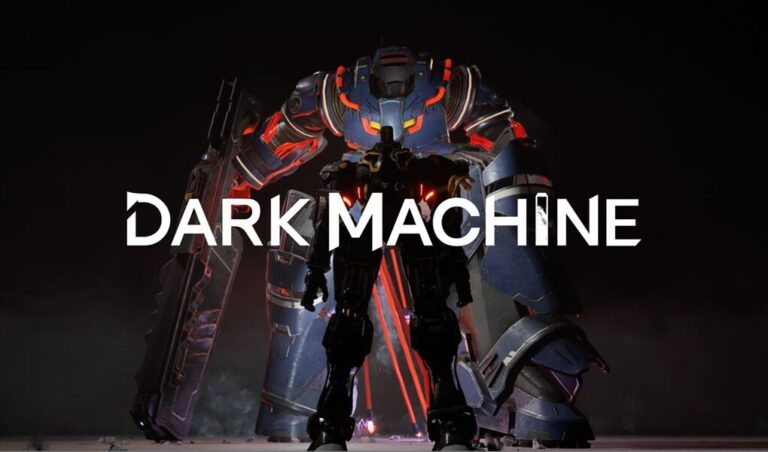
Overview of Dark Machine and Technical Architecture
At its core, Dark Machine is engineered to deliver an uncompromising tactical shooter experience optimized for multiple platforms, including PC, iOS, and Android devices. The development team has leveraged advanced network infrastructure to support seamless cross-play capabilities, allowing users on mobile devices and desktop computers to compete within the same high-stakes competitive environments.
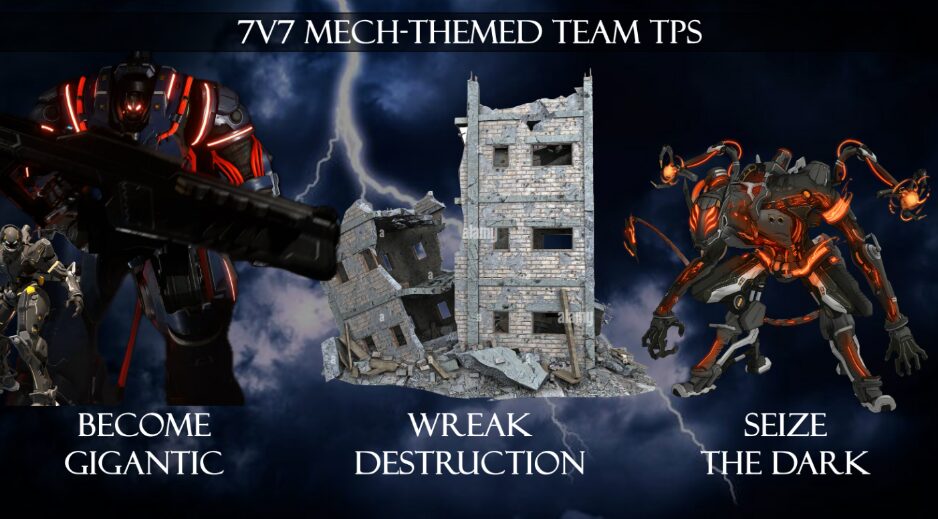
The integration of advanced blockchain layers—specifically Immutable zkEVM and Sui—allows the platform to process high transaction throughput while maintaining near-zero gas fees for everyday players. This technological foundation is critical for managing in-game assets, marketplace transactions, and tokenized rewards without introducing the friction that has historically plagued early Web3 gaming titles. By utilizing Immutable Passport, the project enables frictionless onboarding via mainstream credentials such as Google and Apple ID, eliminating the complex wallet setup procedures that often deter casual gamers.
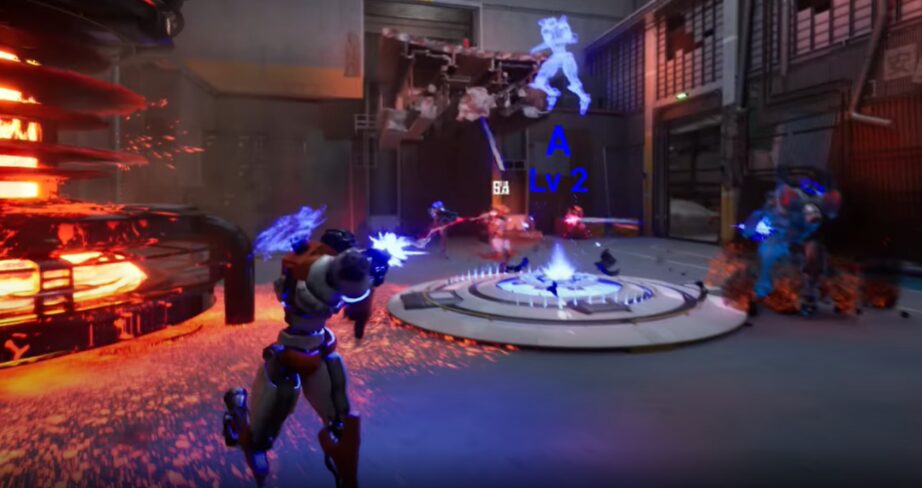
Gameplay Mechanics and Competitive Frameworks
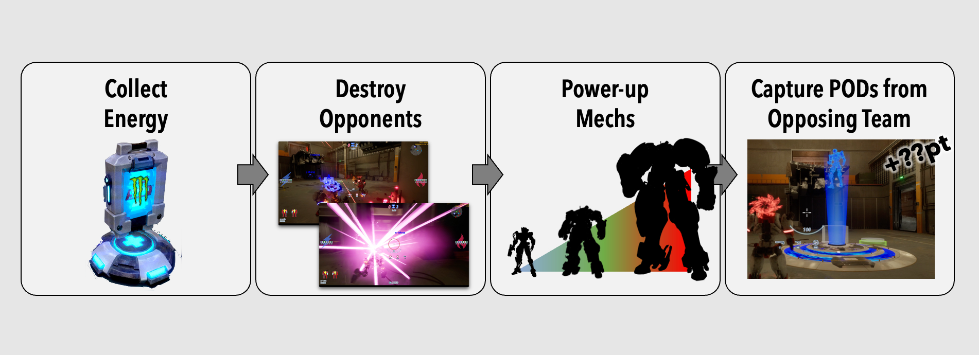
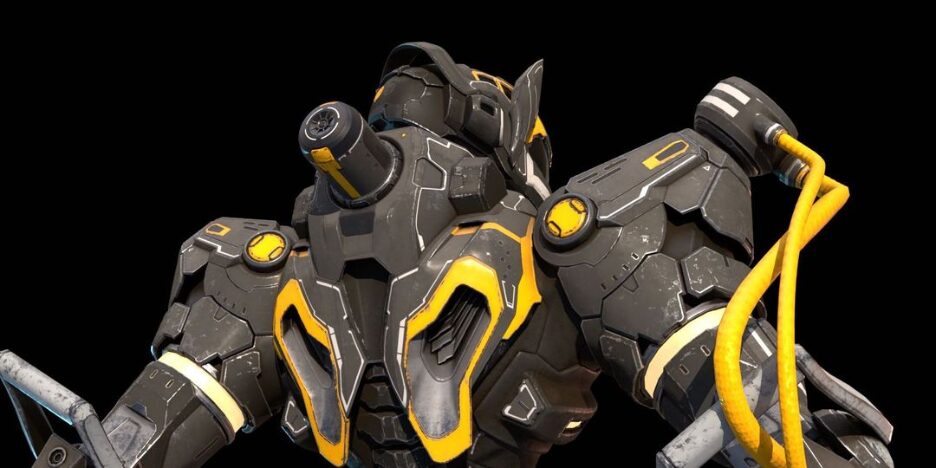
Dark Machine departs from traditional slow-paced blockchain titles by emphasizing twitch reflexes, tactical positioning, and rapid decision-making. Matches are structured to test individual skill and team synergy, requiring players to master distinct mech classes, weapon loadouts, and map geography.
The game’s competitive framework is heavily inspired by established eSports disciplines. Rather than relying on inflationary reward structures, Dark Machine focuses on skill-based matchmaking (SBMM), ranked ladders, and tournament play. These competitive tiers are designed to sustain long-term engagement by offering meaningful progression and prestige for top-performing pilots. Furthermore, the inclusion of spectator modes, broadcast integration tools for platforms like YouTube and Twitch, and decentralized tournament organization positions the title as a viable contender in the modern eSports arena.

Tokenomics and Ecosystem Economy: $MXNA and DEMAX
The economic engine of Dark Machine is anchored by its native utility token, $MXNA, alongside the DEMAX subnet infrastructure. Unlike early speculative crypto games that relied solely on unsustainable play-to-earn mechanics, Dark Machine implements a balanced economic model designed to reward active participation, skill progression, and asset utility.

$MXNA serves multiple functions within the ecosystem, including governance participation, marketplace transactions, staking rewards, and entry fees for high-stakes competitive tournaments. The token is integrated with major decentralized exchanges and Web3 wallets, such as Bitget Wallet, facilitating seamless liquidity and trading for global participants. Additionally, the project incorporates deflationary mechanisms through marketplace fees and asset burning protocols, ensuring that token supply remains balanced against growing user adoption.
Partnerships and Industry Backing
The credibility of Dark Machine is reinforced by strategic partnerships with prominent Web3 venture funds, gaming guilds, and infrastructure providers. Collaborations with major guilds such as Yield Guild Games (YGG) and META-X have provided the project with substantial liquidity, community backing, and early-stage distribution.
Industry analysts have noted that the project’s ability to attract seasoned talent from traditional gaming powerhouses—including veterans with experience at major studios like Cygames and prominent production houses—has significantly elevated its production value. These partnerships ensure that Dark Machine maintains a high standard of visual fidelity, sound design, and server stability, setting a new benchmark for what decentralized titles can achieve.
Strategic Roadmap and Future Outlook
Looking ahead, the development roadmap for Dark Machine includes continuous content updates, expanded platform availability, and deeper integration with cross-chain liquidity providers. The team’s commitment to regular seasonal updates, map expansions, and balancing patches indicates a long-term vision for the franchise.
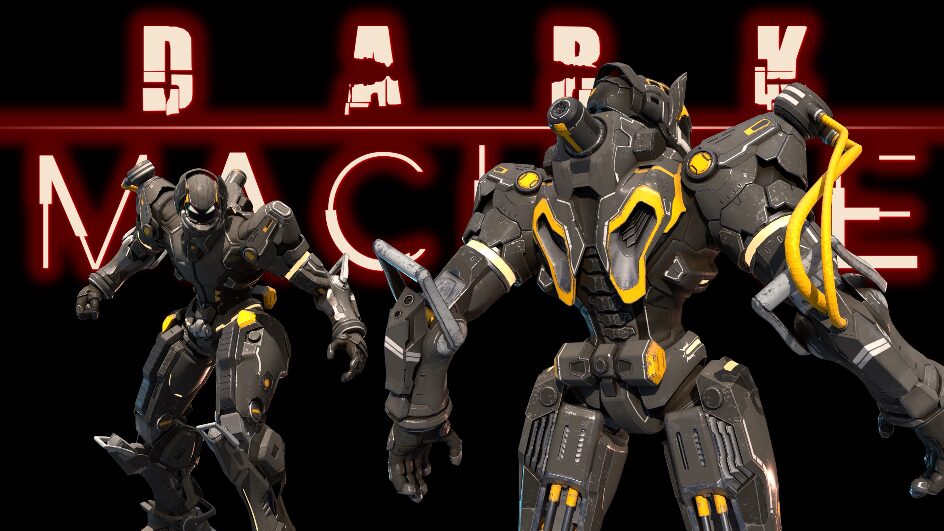
As the boundary between traditional gaming and decentralized economies continues to blur, Dark Machine offers a compelling case study in sustainable Web3 game design. By prioritizing core gameplay quality, frictionless user onboarding, and robust economic governance, the title addresses the primary pain points of previous generations of blockchain games. While challenges remain regarding mass-market adoption and regulatory compliance across different jurisdictions, Dark Machine’s technical foundation and strategic backing position it as a significant project to watch in the evolving digital entertainment landscape.