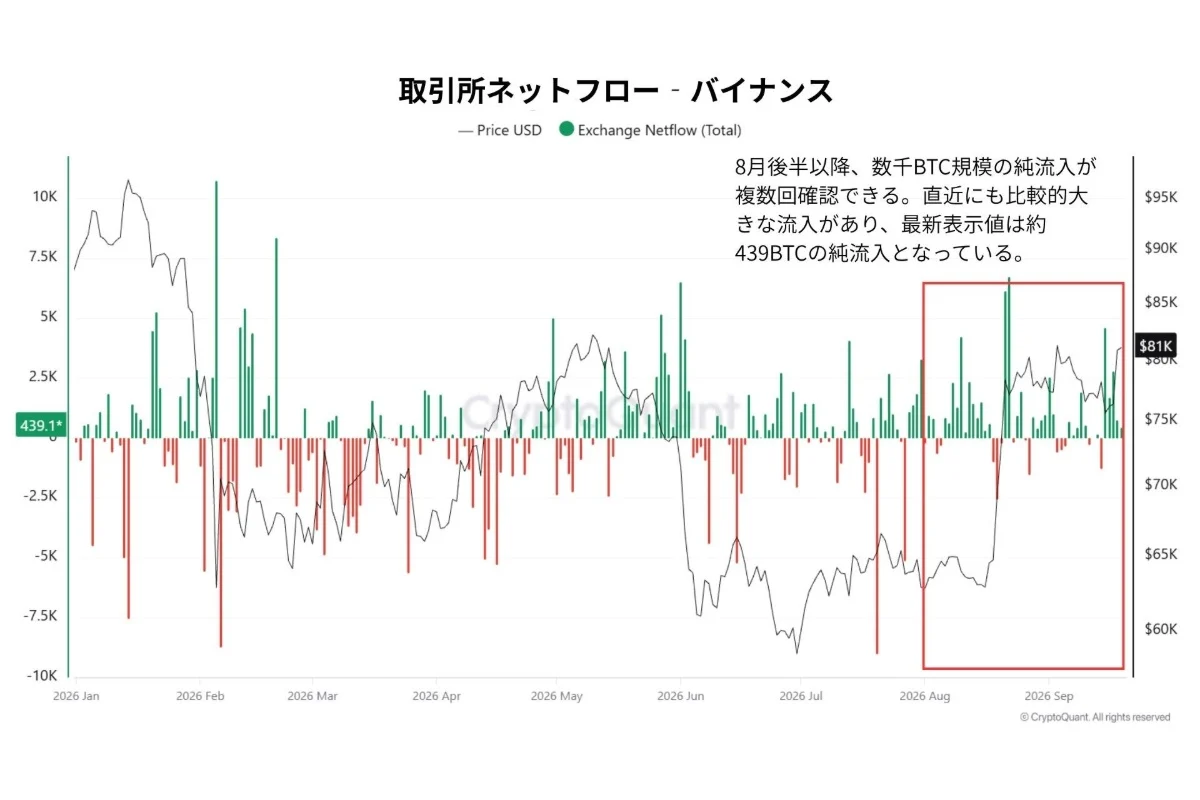
The cryptocurrency market is currently navigating a complex convergence of macroeconomic pressures, shifting regulatory landscapes, and notable on-chain metrics. Chief among these developments is a substantial accumulation of Bitcoin reserves across major centralized cryptocurrency exchanges. While trading volumes fluctuate and market sentiment reflects a mixture of cautious optimism and defensive posture, analysts are closely monitoring exchange reserve dynamics to gauge future market direction, liquidity shifts, and potential price volatility.
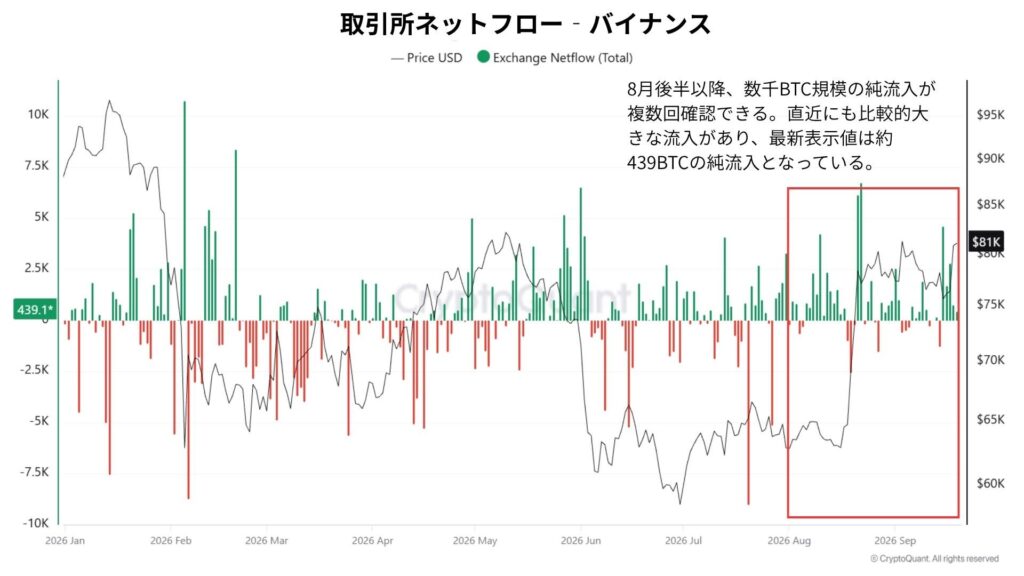
Exchange reserves—the total amount of a digital asset held within the wallets of a centralized trading platform—serve as a critical barometer for market sentiment and potential selling pressure. A significant influx of coins onto exchanges is frequently interpreted by analysts as an indicator that investors may be preparing to liquidate their holdings, whereas a sustained outflow typically suggests accumulation and a preference for long-term cold storage. In recent months, data compiled by leading blockchain analytics platforms, including CryptoQuant, indicates a pronounced upward trend in Bitcoin exchange reserves, sparking intense debate regarding what these figures imply for upcoming market cycles.
Decoding Exchange Reserves and Liquidity Trends
To understand the broader implications of rising exchange reserves, one must examine the structural mechanics of centralized platforms. Exchanges act as the primary liquidity hubs for the digital asset ecosystem. When institutional investors, retail traders, and market makers deposit Bitcoin onto these platforms, the immediate liquidity available for trading increases. Conversely, withdrawals to private wallets reduce the circulating supply on exchanges, often constraining immediate sell pressure.
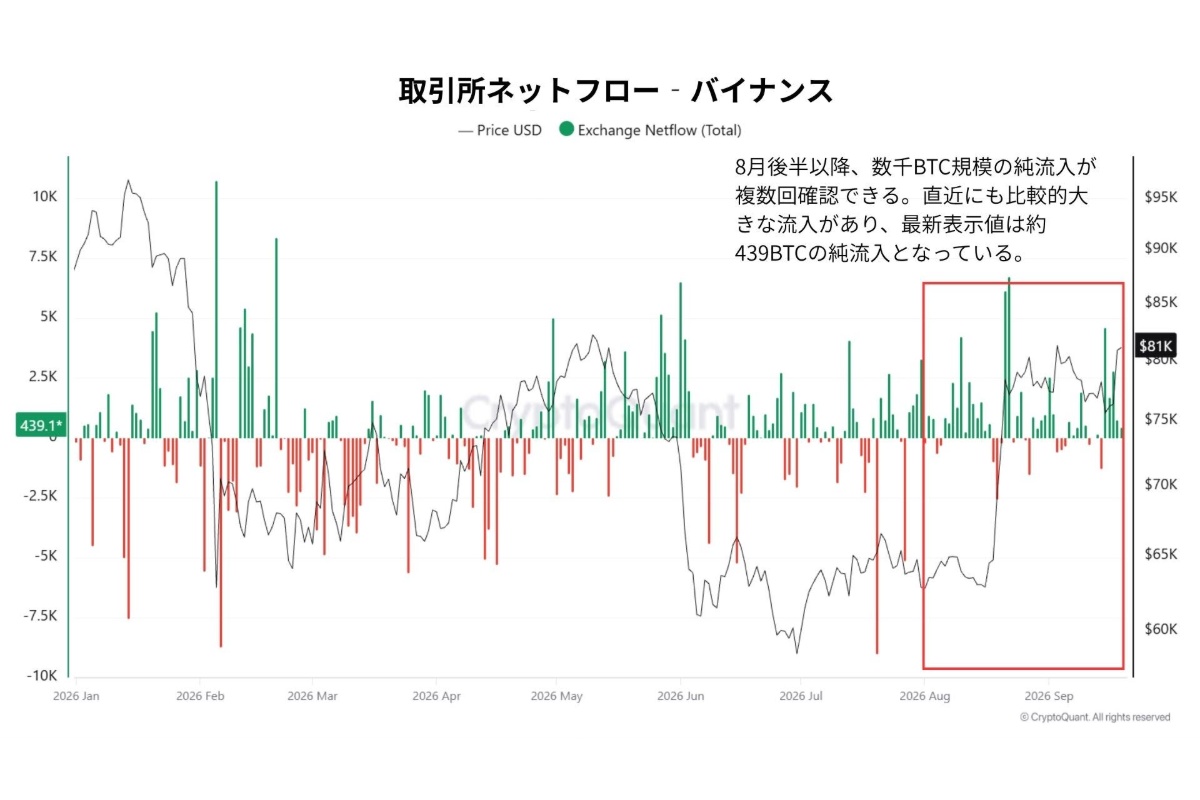
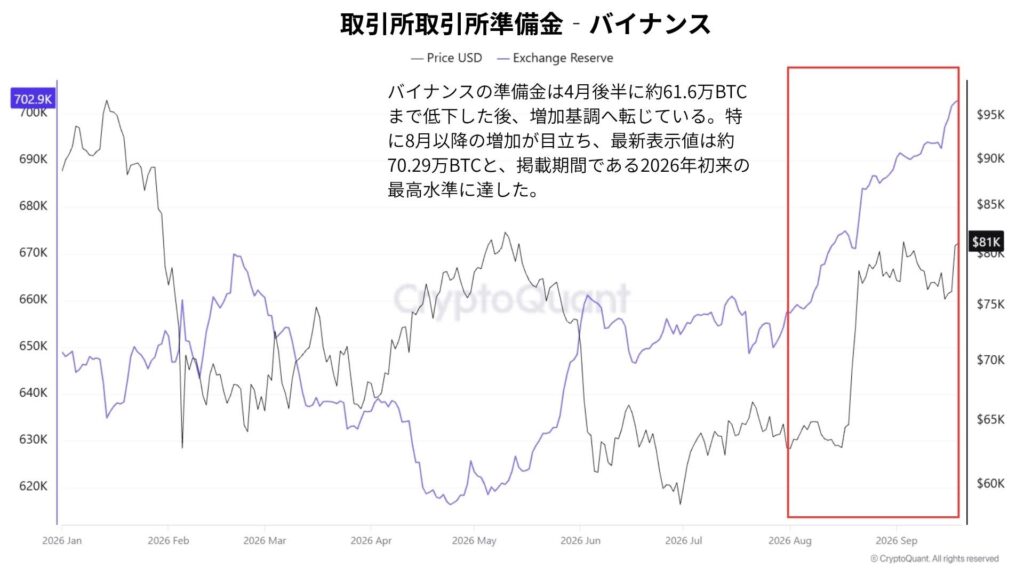
Data from CryptoQuant highlights that aggregate Bitcoin reserves across tracked exchanges have climbed steadily over the past several quarters. By the end of the third quarter of 2026, total exchange reserves approached approximately 702,900 BTC, marking a notable multi-month high. This steady accumulation has occurred alongside shifting macroeconomic conditions, including interest rate adjustments by major global central banks and evolving regulatory frameworks in key financial jurisdictions, such as Japan, where platforms like Binance Japan continue to anchor regional operations.
Detailed Breakdown of Exchange Reserve Growth
A closer examination of individual platform data reveals that the accumulation is not uniformly distributed, though major industry giants are bearing the brunt of the inflows. Binance, the world’s largest cryptocurrency exchange by trading volume, has experienced a particularly pronounced increase in its Bitcoin balance. According to historical tracking, Binance’s Bitcoin reserves hovered around 616,000 BTC earlier in the year before initiating a steady upward trajectory through the summer months.
This accumulation trend aligns with broader institutional strategies aimed at positioning liquidity for potential market breakouts or hedging against macroeconomic downturns. While some market participants view high exchange reserves as a bearish indicator—pointing to potential dumping risks—others argue that these balances reflect institutional preparedness. Large-scale market makers and over-the-counter (OTC) desks often maintain substantial exchange balances to facilitate rapid execution for institutional clients without causing severe slippage on decentralized or lower-liquidity order books.
Chronological Timeline of the 2026 Reserve Surge
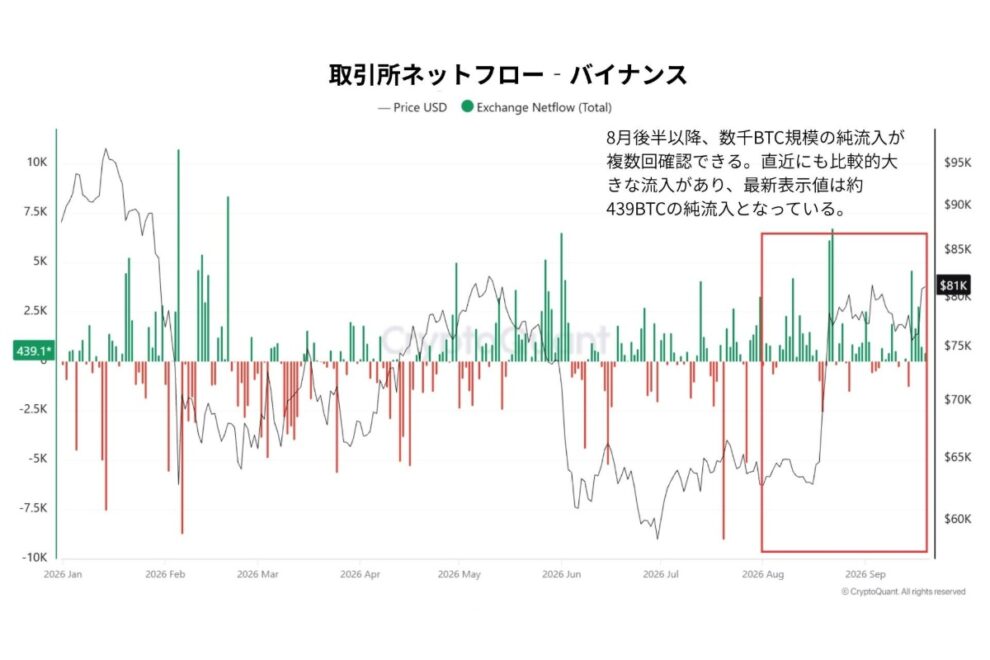
The trajectory of Bitcoin exchange reserves throughout 2026 can be segmented into distinct phases, each influenced by shifting market drivers:
- First Quarter (January – March 2026): Reserves remained relatively stable as the market digested the post-halving environment. Trading volumes were moderate, and institutional inflows through spot exchange-traded funds (ETFs) provided a steady price floor.
- Second Quarter (April – June 2026): A minor distribution phase occurred as macroeconomic uncertainty prompted some short-term holders to take profits. However, exchange inflows remained contained, preventing any sharp downward price spirals.
- Third Quarter (July – September 2026): This period marked the most significant shift. As Bitcoin prices tested key psychological resistance levels, exchange reserves accelerated sharply. By September 2026, aggregate reserves reached the aforementioned peak of 702,900 BTC, driven in large part by institutional repositioning and preparations for fourth-quarter volatility.
Whale Activity and Exchange Whale Ratio Analysis
In addition to aggregate reserve metrics, analysts closely monitor the Exchange Whale Ratio—a metric that tracks the proportion of large transactions (typically transactions exceeding 100 BTC) flowing into exchanges relative to total inflows. This ratio provides valuable insight into the behavior of "whales," or high-net-worth individuals and institutional entities holding substantial amounts of cryptocurrency.
During the late summer months of 2026, the Exchange Whale Ratio experienced notable fluctuations. While absolute inflows increased, the relative concentration of whale-driven deposits remained within historical norms, suggesting that large holders were engaging in strategic positioning rather than panic selling. Analysts note that while whale deposits can sometimes precede localized price corrections, the modern market structure includes sophisticated derivatives hedging and OTC execution channels that absorb large transfers more efficiently than in previous market cycles.
Comparative Analysis Across Competitors
While Binance commands the largest share of total Bitcoin exchange reserves, other prominent platforms have exhibited divergent trends. Competitor exchanges such as Coinbase Pro and Bybit have reported varying reserve trajectories, influenced by their respective user demographics and regional compliance postures. Coinbase Pro, which traditionally caters to a higher proportion of institutional and North American clients, has seen periodic outflows associated with long-term custody solutions, whereas Asian-facing exchanges have mirrored the broader global surge in exchange-held liquidity.
This divergence underscores the complexity of modern cryptocurrency market dynamics. No single metric can accurately predict price movements in isolation; rather, exchange reserves must be analyzed in conjunction with funding rates, open interest in derivatives markets, macroeconomic data releases, and regulatory announcements.
Expert Commentary and Market Implications
Industry experts and quantitative analysts maintain a balanced perspective on the current data. Speaking on condition of anonymity, several research analysts from prominent digital asset funds emphasized that rising exchange reserves do not automatically guarantee a bearish outcome. Instead, they represent a pool of latent liquidity that can act as either fuel for a massive upward rally or underlying pressure during a market correction, depending on prevailing macroeconomic catalysts.
Furthermore, the maturation of the cryptocurrency market—bolstered by the ongoing integration of spot Bitcoin ETFs and clearer regulatory guidelines in major financial hubs—means that exchange inflows are increasingly institutionalized. Corporate treasuries, asset managers, and exchange-traded products utilize sophisticated custody and execution strategies that mitigate the blunt-force market impacts observed in earlier retail-dominated cycles.
Conclusion and Future Outlook
As the cryptocurrency market moves toward the final quarter of 2026, market participants will continue to monitor exchange reserves, whale behavior, and macroeconomic indicators with heightened vigilance. While the accumulation of over 700,000 BTC on Binance and other major platforms highlights a period of intense positioning, the ultimate direction of Bitcoin’s price will depend on the interplay between available exchange liquidity, broader investor demand, and evolving global economic policies. Stakeholders across the ecosystem are advised to utilize comprehensive on-chain analytics tools, such as those provided by CryptoQuant and Glassnode, to navigate the complexities of the current market environment effectively.