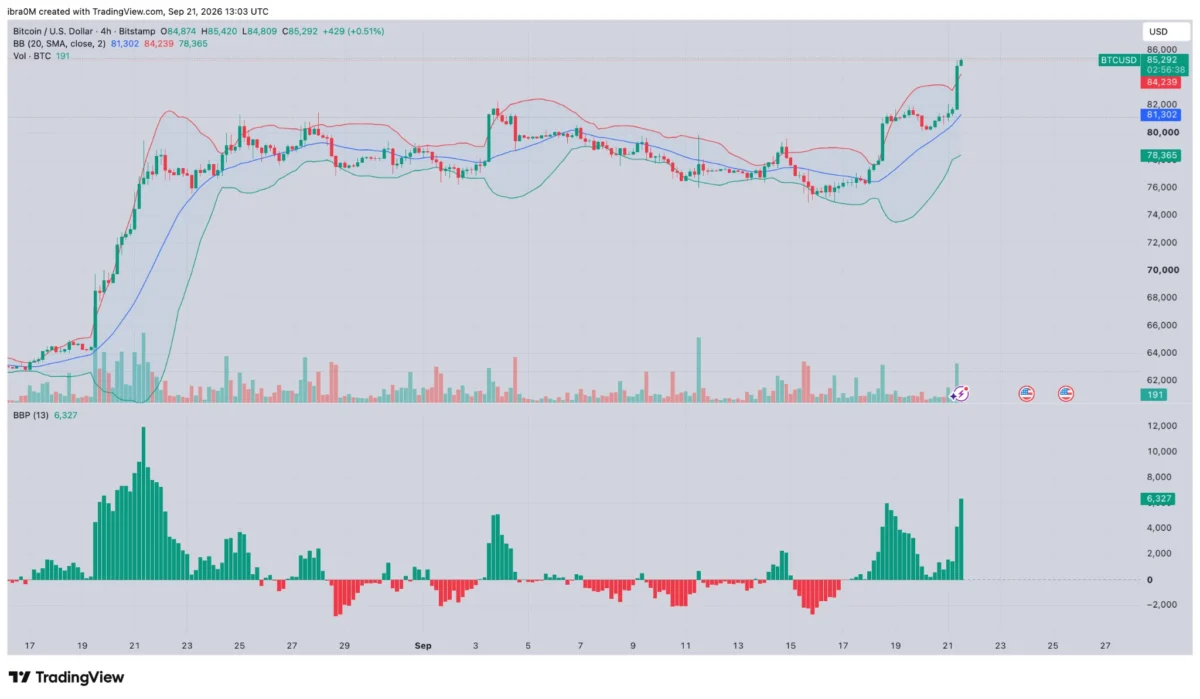
The global cryptocurrency market experienced a notable resurgence as Bitcoin (BTC) officially recaptured the psychological and technical milestone of $85,000. Following weeks of consolidation and macroeconomic friction, the world’s leading digital asset climbed to trade between $85,248 and $85,420, signaling renewed institutional confidence and robust market participation. Concurrently, corporate treasury heavyweight Strategy expanded its massive digital asset holdings by acquiring an additional 950 BTC, further cementing its position as a dominant force in the corporate cryptocurrency landscape.
The renewed upward momentum aligns with broader shifts in global financial markets, most notably the shifting monetary policy outlook from the United States Federal Reserve. As central banking authorities weigh potential interest rate adjustments to curb inflation without stifling economic growth, risk-on assets—particularly cryptocurrencies—have experienced heightened investor demand. Market participants and analysts have closely monitored these macroeconomic triggers, anticipating that a more accommodating monetary stance could fuel further capital inflows into digital assets.
Macroeconomic Tailwinds and Federal Reserve Policy Shifts
The recent resurgence of Bitcoin above the $85,000 threshold cannot be viewed in isolation from the broader macroeconomic environment. Throughout the year, market sentiment has been heavily influenced by expectations surrounding the Federal Reserve’s monetary policy trajectory. With persistent inflation data showing signs of cooling, investors have increasingly priced in the possibility of interest rate cuts. Lower borrowing costs historically weaken traditional yield-bearing instruments, prompting institutional and retail investors to seek alternative avenues for capital preservation and growth.

Furthermore, geopolitical tensions and currency depreciation concerns in various emerging economies have driven heightened interest in decentralized, hard-capped assets like Bitcoin. Institutional investors, seeking a reliable hedge against fiat currency devaluation, have increasingly integrated digital assets into their long-term portfolios. This structural shift has transformed Bitcoin from a speculative retail instrument into a recognized macro asset class, highly sensitive to global liquidity conditions yet resilient against systemic banking risks.
Open Interest Surges: Derivatives Markets Reflect Heightened Speculation
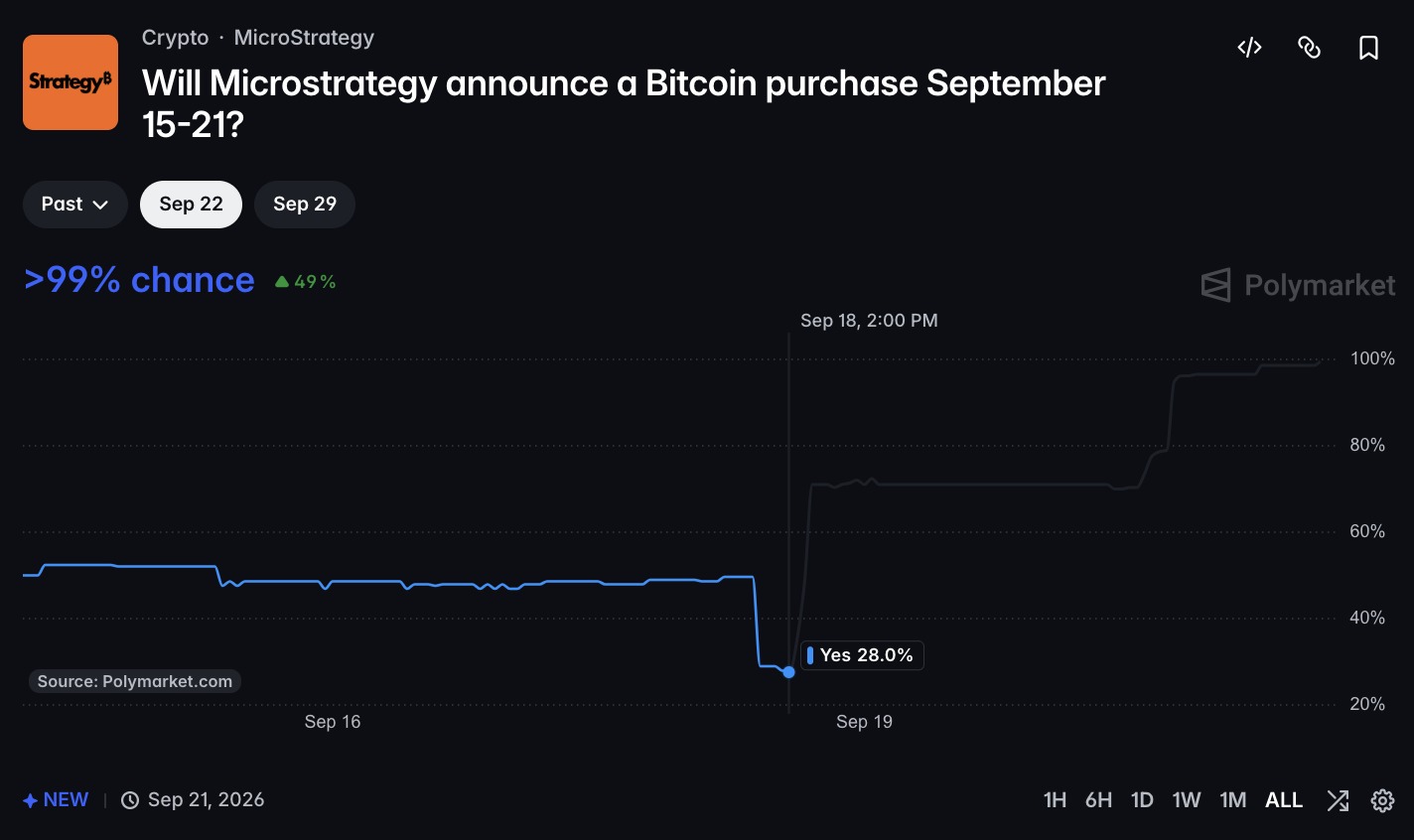
Derivatives markets have played a critical role in Bitcoin’s recent price action. According to data compiled by Coinglass, Bitcoin’s open interest surged by approximately 9%, reaching an impressive $6 billion. This sharp increase in open interest indicates that fresh capital is actively entering the derivatives market, driven by traders positioning themselves for continued upside movement.
Historical market data reveals a strong correlation between rising open interest and increased price volatility. When open interest expands alongside a rising spot price, it typically signals aggressive positioning by leveraged traders. While this dynamic can accelerate upward price trends, it also introduces systemic risk, as sudden market corrections can trigger cascading liquidations.
CryptoQuant CEO Ki Young Ju addressed these market dynamics in recent commentary published on social media platform X (formerly Twitter). He noted that while open interest has risen significantly, the broader funding rates remain within manageable parameters, suggesting that the current rally is supported by sustainable capital rather than excessive, unhedged leverage. However, risk management remains paramount for institutional market participants, who continue to employ sophisticated hedging strategies to mitigate potential downside volatility.

Strategy Expands Corporate Treasury with 950 BTC Purchase
In corporate developments, Strategy has once again made headlines by expanding its massive Bitcoin treasury. The firm successfully acquired an additional 950 BTC, utilizing proceeds from its recent convertible senior notes offering, which generated approximately $174 million in net capital.
With this latest acquisition, Strategy’s total Bitcoin holdings have expanded to an astonishing 84,600 BTC, acquired at an aggregate purchase price of approximately $6.09 billion. This brings the company’s average purchase price to roughly $71,976 per bitcoin, solidifying its status as the preeminent corporate holder of the digital asset.
Strategy’s ongoing accumulation strategy relies heavily on capital markets, specifically through the issuance of convertible debt instruments designed to fund additional cryptocurrency purchases without diluting existing equity holders excessively. Market analysts have closely tracked these financial maneuvers, noting that the company’s ability to raise capital under favorable terms demonstrates robust investor appetite for indirect Bitcoin exposure through corporate equities.
Polymarket Sentiment and Prediction Market Dynamics
Prediction markets have provided a fascinating lens through which to view institutional and retail expectations regarding corporate Bitcoin acquisitions. Prior to the official announcement, prediction platforms such as Polymarket hosted active contracts regarding whether Strategy would announce a Bitcoin purchase during the mid-September window.
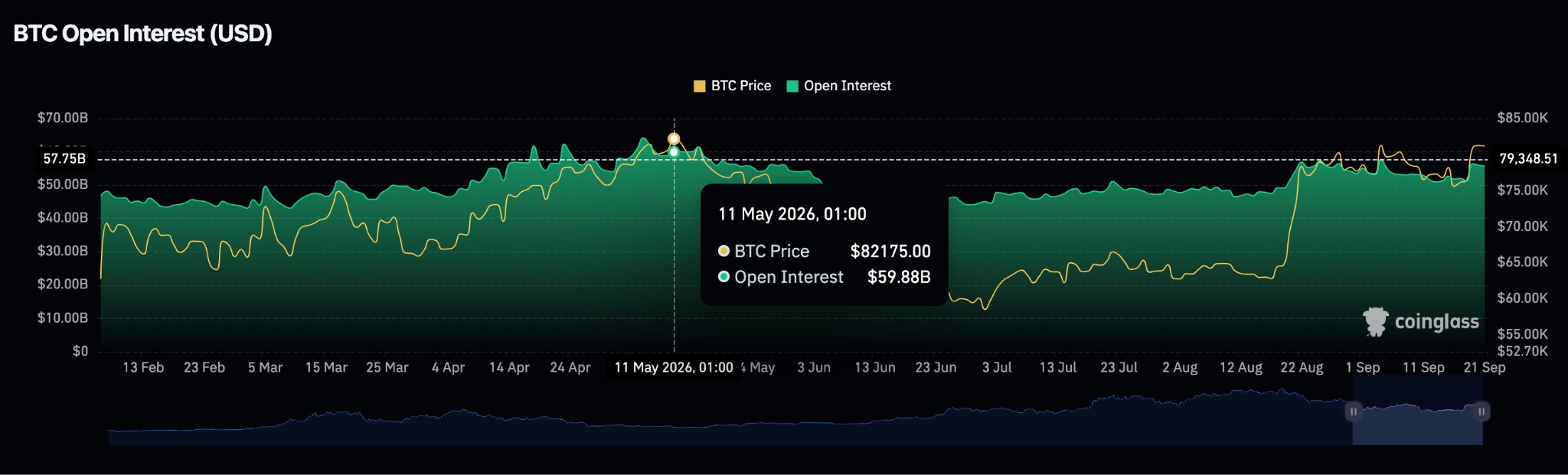
While initial market sentiment reflected cautious optimism, the underlying prediction contracts accurately captured the probability of corporate accumulation. The alignment between prediction market probabilities and actual corporate behavior highlights the growing sophistication of decentralized information-processing tools in financial forecasting.
Technical Analysis: Bollinger Bands and Price Projections
From a technical perspective, Bitcoin’s price action on the four-hour and daily charts reveals a strongly bullish market structure. Utilizing Bollinger Bands and volume profile indicators, technical analysts have mapped out critical support and resistance levels guiding the current rally.
Over recent trading sessions, Bitcoin tested lower boundaries near the $81,302 mark before encountering strong buying pressure that pushed prices back toward the $84,000 to $85,000 range. The narrowing of the Bollinger Bands preceding the breakout indicated a period of consolidation, which typically precedes significant directional volatility. As the upper band expanded, prices broke out decisively, confirming bullish continuation.
Key technical indicators suggest that immediate support now rests in the $78,000 to $80,000 range, while primary resistance levels are targeted between $87,000 and $93,000. If bulls successfully maintain momentum above the $85,000 threshold, market analysts project that the asset could challenge higher psychological barriers in the upcoming fourth quarter.
Broader Market Implications and Future Outlook
The convergence of institutional treasury accumulation, favorable macroeconomic shifts, and robust derivatives market participation underscores the maturing structure of the cryptocurrency ecosystem. As corporate entities like Strategy continue to pioneer innovative treasury models backed by digital assets, traditional financial barriers continue to dissolve.
Looking ahead, market participants will remain focused on upcoming central bank policy announcements, regulatory developments, and institutional adoption metrics. While short-term volatility remains an inherent characteristic of the digital asset class, the structural foundation supporting Bitcoin’s long-term valuation appears increasingly robust, setting the stage for a dynamic final quarter of the fiscal year.