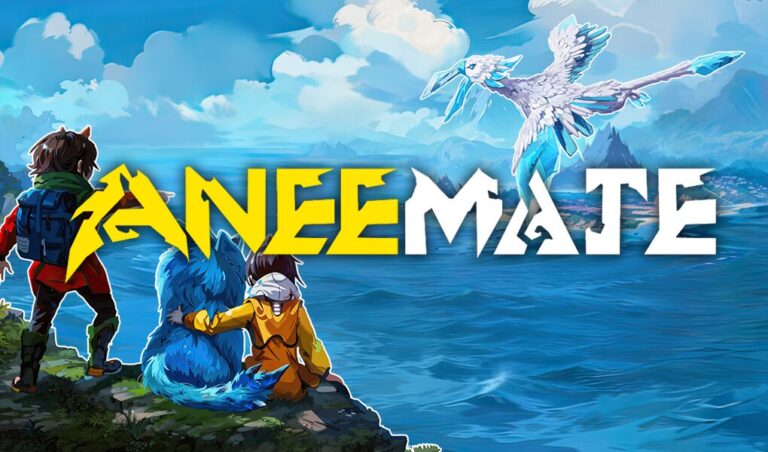
The intersection of traditional video game development and blockchain technology has reached a significant milestone with the official rollout of AneeMate, an ambitious massively multiplayer online role-playing game (MMORPG) combined with monster-catching elements. Developed by QORPO Game Studio—the team behind the tactical shooter Citizen Conflict—AneeMate represents a concerted effort to merge mainstream gaming appeal with decentralized Web3 asset ownership. Scheduled for release on PC via the Windows platform, the title aims to redefine player engagement by offering a rich, creature-collection ecosystem intertwined with decentralized finance (DeFi) mechanics and non-fungible tokens (NFTs).

Background Context and Development Evolution
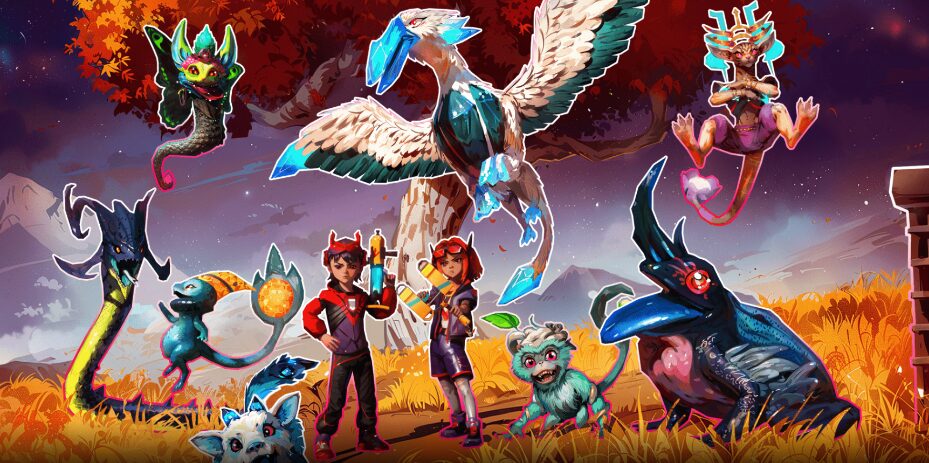
The conceptualization of AneeMate began as a direct response to the limitations observed in early-generation blockchain games, which frequently prioritized speculative tokenomics over core gameplay quality. QORPO Game Studio recognized that sustainable player retention could only be achieved if the underlying game offered compelling mechanics, deep lore, and high-fidelity graphics comparable to mainstream Web2 titles. By leveraging advanced game engines and intricate character designs, the studio set out to build an immersive universe where players could capture, train, and trade digital creatures known as AneeMates.
The project’s development timeline reflects a methodical approach to ecosystem expansion. Following initial conceptual announcements, QORPO structured the rollout to include comprehensive alpha and beta testing phases, ensuring community feedback directly influenced gameplay balancing. The integration of the native utility token, $QORPO, serves as the economic backbone of the ecosystem, facilitating marketplace transactions, governance participation, and in-game progression rewards. Furthermore, the studio’s strategic decision to secure traditional intellectual property (IP) rights—spanning television, comics, and merchandise—signals a long-term commitment to building a globally recognized multimedia franchise rather than a transient crypto project.
Gameplay Mechanics and Monster-Catching Integration
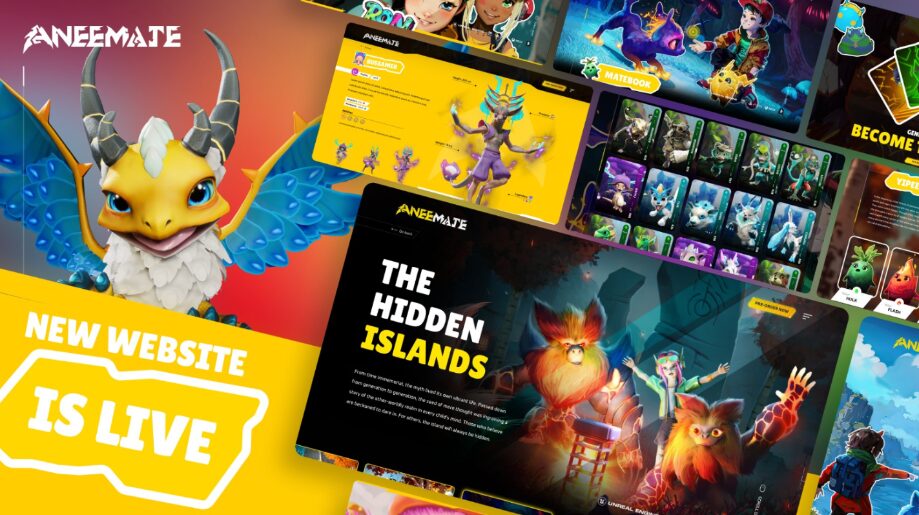
At its core, AneeMate delivers a hybrid experience combining open-world MMO exploration with strategic player-versus-player (PvP) combat. Players traverse expansive landscapes filled with diverse biomes, encountering wild AneeMates that can be tracked, battled, and captured. Unlike traditional titles where captured entities remain locked within a closed system, AneeMate incorporates blockchain infrastructure to give players verifiable ownership over their digital assets.
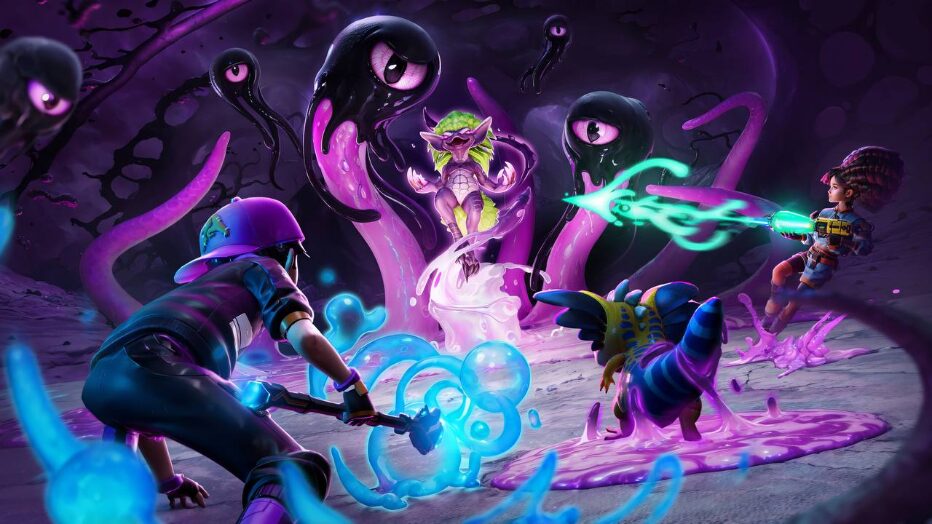
The game’s combat system emphasizes tactical depth. Players must carefully assemble teams of AneeMates, each possessing unique elemental affinities, statistical strengths, and specialized skill trees. PvP arenas allow trainers to test their squads against competitors globally, introducing ranked ladders and seasonal competitive rewards. Additionally, the inclusion of non-player character (NPC) interactions and narrative-driven campaign quests ensures that solo players have access to rich, engaging content without being forced to participate solely in competitive multiplayer modes.
Economy, NFT Integration, and Tokenomics
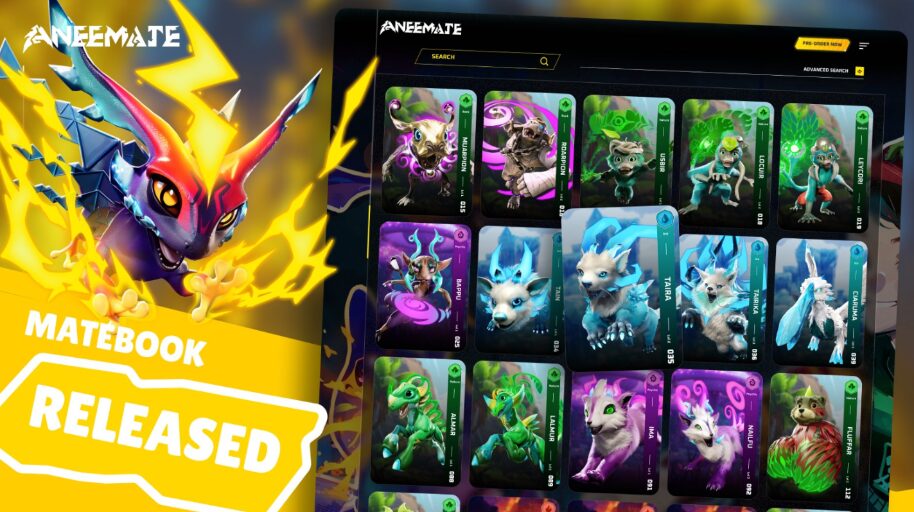
AneeMate operates on a dual-token and NFT architecture designed to foster a balanced in-game economy. The integration of NFTs extends beyond simple cosmetic items; digital creatures, land parcels, and specialized equipment are minted as unique blockchain assets. This framework allows players to buy, sell, and trade their hard-earned assets on decentralized marketplaces, effectively granting tangible economic value to time spent within the virtual world.
The native $QORPO token facilitates liquidity across multiple platforms within the studio’s ecosystem, connecting AneeMate with sister titles like Citizen Conflict. By utilizing a centralized-decentralized hybrid model, QORPO Game Studio aims to mitigate the extreme volatility often associated with play-to-earn economies. Staking mechanisms and deflationary token burns are embedded into the game’s smart contracts to encourage long-term holding and discourage predatory speculation, stabilizing the floor price of high-value in-game assets.
Strategic Partnerships and Distribution Channels
Distribution strategy plays a crucial role in bridging the gap between traditional gamers and Web3 enthusiasts. QORPO Game Studio has actively pursued mainstream distribution channels, highlighted by plans for availability on major PC storefronts such as the Epic Games Store. This move is designed to lower the barrier to entry for mainstream gamers who may be unfamiliar with crypto wallets or decentralized exchanges.
Collaborations with prominent Web3 infrastructure providers, including Bitget Wallet, further streamline the onboarding process. Players can seamlessly manage their digital assets, execute token swaps, and interact with the game’s native marketplace without encountering overly complex technical hurdles. These partnerships reflect an industry-wide shift toward invisible blockchain integration, where the underlying technology enhances the user experience rather than dominating it.
Implications and Future Outlook
The launch of AneeMate arrives at a critical juncture for the blockchain gaming sector. As the industry matures, stakeholders are increasingly realizing that sustainable growth depends on prioritizing entertainment value over speculative financial gains. By offering a polished MMORPG experience that incorporates blockchain elements optionally, QORPO Game Studio has positioned AneeMate as a potential blueprint for future Web2-Web3 cross-over titles.

Industry analysts note that while regulatory scrutiny surrounding tokenized games remains stringent, projects that secure robust intellectual property rights and focus on high production values stand a better chance of achieving mainstream adoption. As AneeMate continues its rollout through 2026, its ability to maintain player engagement, balance its internal economy, and expand its multimedia footprint will be closely monitored by developers and investors alike. The success of this ecosystem could ultimately determine whether blockchain-integrated gaming can successfully transition from a niche market into a permanent pillar of the global interactive entertainment industry.