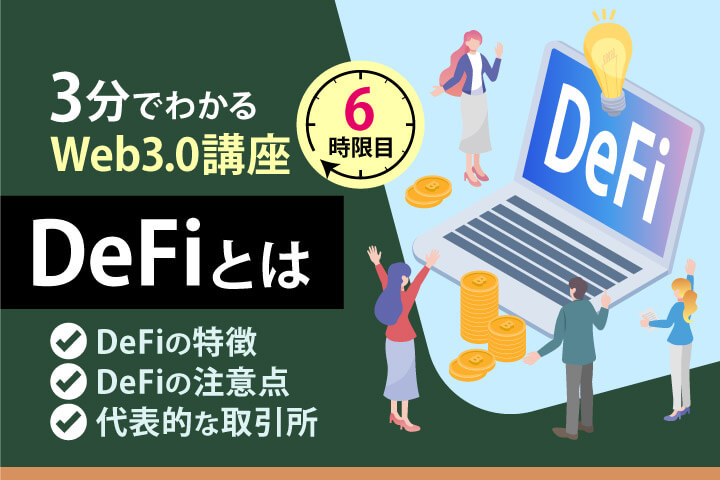
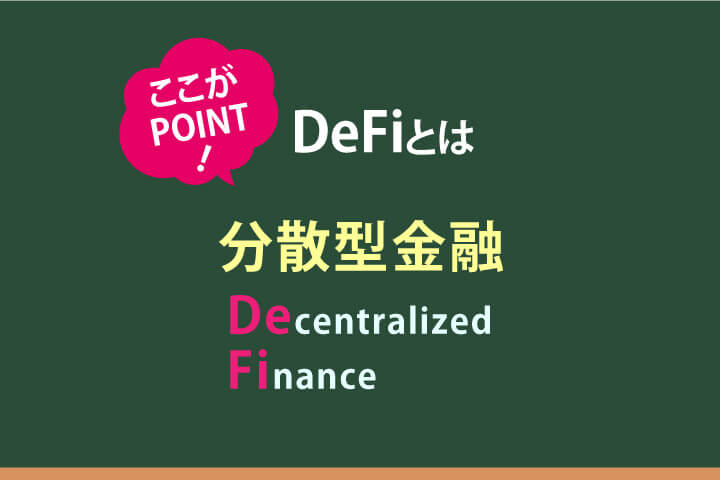
Decentralized Finance, commonly referred to as DeFi, represents a paradigm shift in the global financial landscape, moving away from traditional, centralized intermediaries toward a trustless, blockchain-based ecosystem. As the foundational architecture of the Web3 era, DeFi leverages smart contracts—self-executing agreements with terms directly written into code—to automate financial services such as lending, borrowing, and asset trading. By removing the need for banks, brokers, or clearinghouses, DeFi aims to provide a more inclusive, transparent, and efficient financial system accessible to anyone with an internet connection.
The Core Philosophy and Technological Foundation
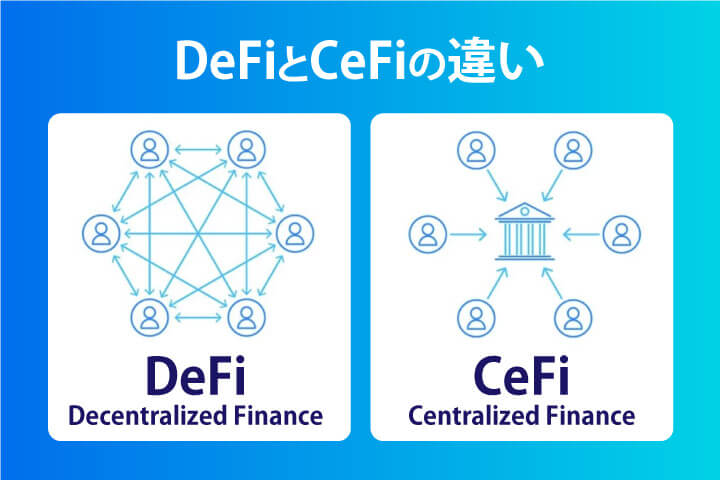
At its heart, DeFi is built upon decentralized ledgers, primarily the Ethereum blockchain, which serves as the bedrock for the majority of DeFi protocols. The primary distinction between traditional finance (CeFi) and DeFi lies in the management of control. In CeFi, institutions act as custodians of assets, necessitating trust in their solvency, operational integrity, and regulatory compliance. In contrast, DeFi protocols are governed by algorithmic rules and decentralized autonomous organizations (DAOs), ensuring that users maintain custody of their assets while interacting with automated liquidity pools.
The technological shift toward DeFi is characterized by composability, often described as "money legos." This allows developers to stack various financial protocols on top of one another to create complex financial instruments. For instance, a user can deposit collateral into a lending protocol, receive a derivative token in exchange, and then use that derivative to earn yield on another platform. This level of interoperability is fundamentally impossible within the siloed systems of traditional banking.

Chronology of the DeFi Movement
The evolution of DeFi can be traced back to the inception of Bitcoin, but the ecosystem truly found its footing with the launch of Ethereum in 2015. The ability to execute programmable smart contracts allowed developers to move beyond simple peer-to-peer value transfers.
- 2017–2018: The Emergence of Stablecoins and Early Lending: The introduction of MakerDAO and its DAI stablecoin provided the industry with a crucial mechanism to manage volatility, allowing for the first reliable lending markets on-chain.
- 2020: The "DeFi Summer": This period marked a massive surge in total value locked (TVL), driven by liquidity mining—a process where users are rewarded with governance tokens for providing liquidity to protocols. This event catalyzed institutional and retail interest.
- 2021–2022: Expansion and Maturation: DeFi expanded into multi-chain ecosystems, including Solana, Binance Smart Chain, and Avalanche. While the collapse of several high-profile centralized entities and experimental algorithmic stablecoins served as a sobering correction, the core DeFi infrastructure demonstrated resilience.
- 2023–Present: Institutional Integration and Scaling: Current developments focus on Layer-2 scaling solutions, which significantly reduce transaction fees and increase throughput, alongside initial efforts to bridge traditional assets with decentralized rails through tokenized real-world assets (RWAs).
Supporting Data: Measuring the Ecosystem
The growth of DeFi is typically measured by Total Value Locked (TVL), a metric representing the cumulative value of assets deposited in various protocols. While TVL fluctuates significantly due to market volatility and asset price changes, it remains the most vital indicator of adoption.
According to industry data, the DeFi sector has seen significant peaks and troughs. During the height of the 2021 bull market, the total TVL across all chains surpassed $250 billion. Although market cycles have recalibrated these figures, the sustained activity in decentralized exchanges (DEXs) like Uniswap, Curve Finance, and PancakeSwap highlights a persistent demand for non-custodial trading environments.
Liquidity, the lifeblood of these protocols, is provided by individual users who stake their assets in pools. These users, known as liquidity providers (LPs), earn a portion of the transaction fees generated by the protocol. This democratization of market-making is a direct challenge to the high-barrier, exclusive model employed by traditional market makers and exchanges.
The Contrast Between CeFi and DeFi
To understand the implications of this shift, one must analyze the operational differences between Centralized Finance (CeFi) and Decentralized Finance.
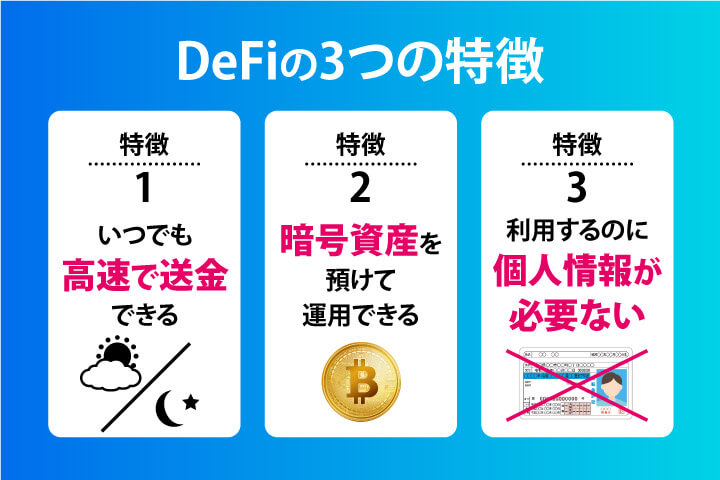
Operational Efficiency: CeFi operates on a schedule—banking hours, clearing times, and settlement delays. DeFi operates 24/7, 365 days a year, with settlements occurring nearly instantaneously upon the confirmation of a block.

Transparency and Auditability: Traditional financial records are stored in private databases, accessible only to the institution and regulators. In DeFi, every transaction, smart contract code, and liquidity flow is recorded on a public ledger. This radical transparency allows anyone to verify the solvency of a protocol in real-time, reducing the risk of hidden liabilities that often plague centralized firms.
Inclusivity: Traditional financial services require KYC (Know Your Customer) documentation, credit scores, and geographic presence. DeFi is permissionless; users connect their wallets to a decentralized application (dApp) and begin transacting immediately, providing financial access to the unbanked and underbanked populations globally.
Risks and Challenges
Despite its potential, DeFi is not without significant risk. The shift from "trust in institutions" to "trust in code" introduces unique vulnerabilities.
- Smart Contract Risk: If a protocol’s underlying code contains bugs or logic errors, it can be exploited, leading to the theft of funds. Unlike a bank account, there is no central authority to reverse these transactions or provide insurance.
- Regulatory Uncertainty: Governments worldwide are grappling with how to classify DeFi protocols. Questions regarding taxation, anti-money laundering (AML) compliance, and securities laws remain at the forefront of the debate between innovators and regulators.
- Governance Attacks: Many protocols are governed by tokens. If a malicious actor acquires a majority of these tokens, they could theoretically alter the protocol’s rules to their benefit.
- Market Volatility and Impermanent Loss: Liquidity providers face the risk of impermanent loss, where the price of the deposited assets changes significantly compared to when they were deposited, potentially resulting in lower returns than simply holding the assets in a wallet.
Broader Impact and Future Implications
The integration of DeFi into the broader financial system is likely to proceed through a hybrid model. As traditional financial institutions seek to lower costs and increase speed, they are beginning to adopt blockchain technology, albeit in private, permissioned chains. However, the true innovation lies in public, open-source protocols that offer composability and transparency.

Looking ahead, the evolution of DeFi will likely be defined by the "Institutionalization of DeFi." This involves the development of privacy-preserving technologies (such as zero-knowledge proofs) that allow institutions to comply with regulatory requirements while still benefiting from the efficiency of decentralized infrastructure. Furthermore, the tokenization of real-world assets—such as bonds, real estate, and carbon credits—will provide DeFi protocols with more stable, yield-generating assets, reducing the reliance on volatile crypto-native tokens.
The consensus among industry analysts is that while DeFi is still in its experimental phase, it has already proven its ability to replicate traditional financial services with greater efficiency and transparency. The challenges ahead are not merely technical but sociopolitical. The movement toward decentralization is fundamentally a movement toward sovereignty—giving individuals the tools to manage their wealth, interact with markets, and participate in a global economy without the need for intermediaries. As the technology matures, the distinction between "DeFi" and "finance" may eventually blur, with blockchain-based infrastructure becoming the standard operating system for global capital markets.
Conclusion
DeFi stands as a testament to the power of open-source innovation. By shifting the power dynamic from centralized gatekeepers to the users themselves, it has sparked a global conversation about the nature of money, trust, and ownership. While the road to mass adoption is fraught with technical hurdles and regulatory scrutiny, the fundamental value proposition—a more transparent, inclusive, and efficient financial system—is too significant to ignore. As users continue to engage with decentralized exchanges and lending protocols, the ecosystem will continue to harden, learning from its failures and building toward a future where financial services are as open and accessible as the internet itself.