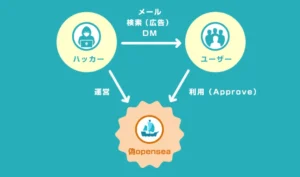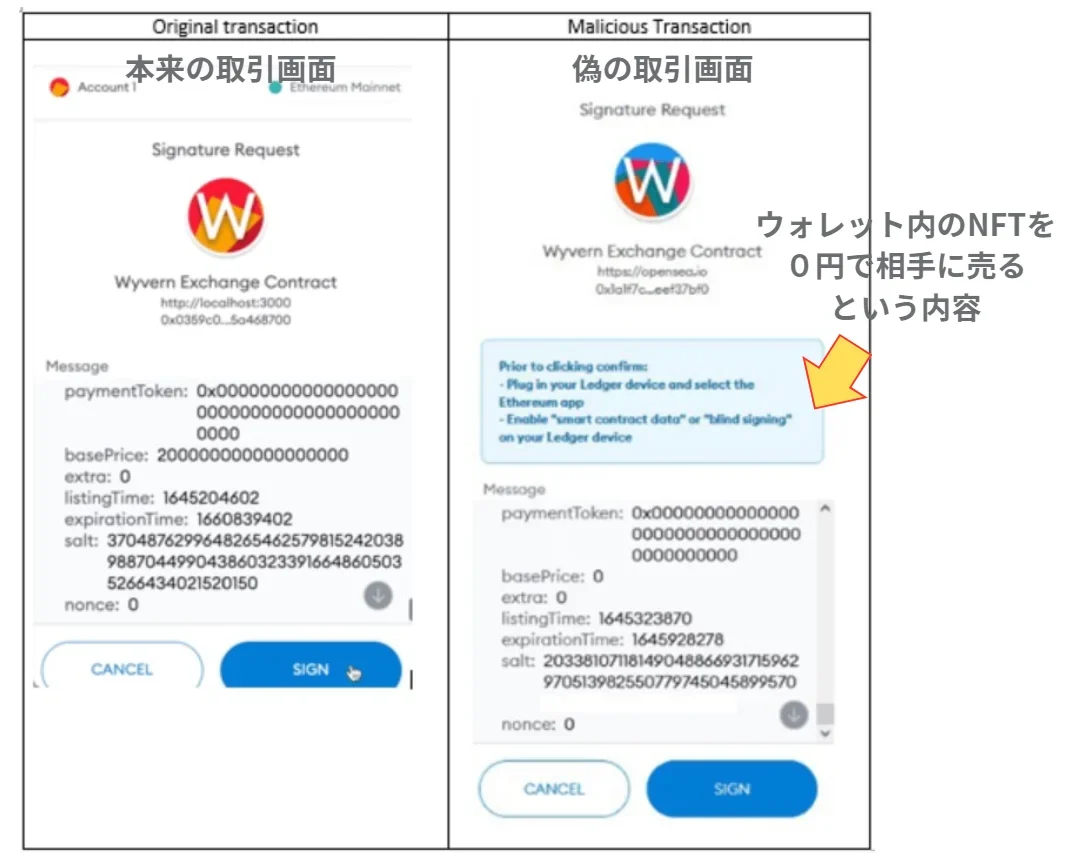
The rapid expansion of the Web3 ecosystem has ushered in an era of unprecedented financial innovation, yet it has simultaneously exposed users to sophisticated cyber threats that target the fundamental architecture of decentralized finance. As blockchain technology becomes more integrated into daily digital interactions, the threat landscape—characterized by phishing, malicious smart contracts, and unauthorized token approvals—has evolved, necessitating a more rigorous approach to personal security. The integrity of an individual’s digital wallet, often the sole gateway to their assets, remains the primary point of contention between investors and malicious actors.

The Anatomy of Modern Web3 Security Threats
At the core of the current security crisis is the misuse of token approvals. In the decentralized finance (DeFi) environment, when a user interacts with a decentralized application (dApp) or a decentralized exchange (DEX), they are frequently prompted to grant "token approval." This mechanism allows a smart contract to move or trade tokens on the user’s behalf. While essential for the functionality of automated trading and liquidity provisioning, it is the most frequently exploited permission in the ecosystem.

Malicious actors leverage these permissions by deploying deceptive smart contracts that, once approved, grant them unlimited or blanket access to a user’s holdings. Unlike traditional banking, where unauthorized transactions can often be flagged and reversed by a central authority, transactions on the blockchain are immutable. Once an asset is drained through an approved malicious contract, the path to recovery is often non-existent. Recent industry data suggests that billions of dollars in digital assets have been lost to such exploits, underscoring the critical importance of regular security hygiene.

Chronology of a Security Breach
The typical lifecycle of a digital asset theft in the Web3 space follows a predictable, albeit tragic, trajectory. Initially, the victim is lured through social engineering—often via Discord or X (formerly Twitter)—to a fraudulent platform that masquerades as a legitimate protocol or service provider. These sites are meticulously designed to mirror the user interface of trusted platforms, complete with fake trading volumes and customer testimonials.

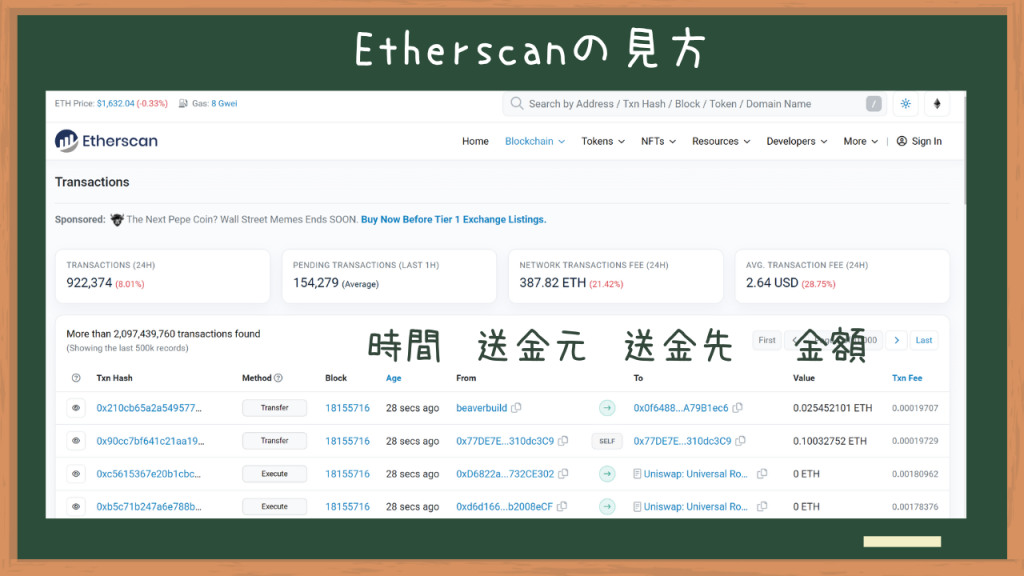
Once the victim connects their non-custodial wallet, the platform triggers a prompt. In their haste to participate in a "new opportunity" or "exclusive airdrop," the user approves the transaction. This approval is the "point of no return." Within minutes, or sometimes lying dormant until a later date, the attacker uses the granted permissions to sweep the wallet clean. The lack of an institutional middleman means that the user is left with no recourse other than to report the transaction ID to blockchain explorers, which serves as a forensic record but rarely results in asset restoration.
Understanding Token Approval Permissions
Token approvals are not inherently dangerous; they are a necessary component of the Ethereum, BNB Chain, and other EVM-compatible ecosystems. However, the lack of transparency in how these permissions are presented to the average user is a significant vulnerability. When a wallet interface requests an approval, it often hides the technical complexity behind a "Confirm" button.

Users must distinguish between a single-transaction approval and a "set approval for all" request. The latter is particularly dangerous, as it grants a contract the ability to interact with every asset of a specific type held in that wallet, regardless of the quantity. Security experts consistently advise that users audit their permissions regularly. Tools provided by services like Etherscan, BSCScan, and specialized "revoke" platforms allow users to view every contract they have granted access to and, crucially, to terminate those permissions.

Best Practices for Digital Asset Preservation
To mitigate these risks, investors should adopt a multi-layered security strategy. First, the principle of "least privilege" should be applied to all digital interactions. Never grant a dApp more access than is strictly necessary for a single, immediate transaction. Second, utilize separate wallets for different activities. A "hot wallet" used for daily trading should never contain one’s long-term holdings. Large, high-value assets should ideally be stored in hardware wallets, which require physical confirmation for every transaction, effectively preventing remote malicious scripts from draining the account.
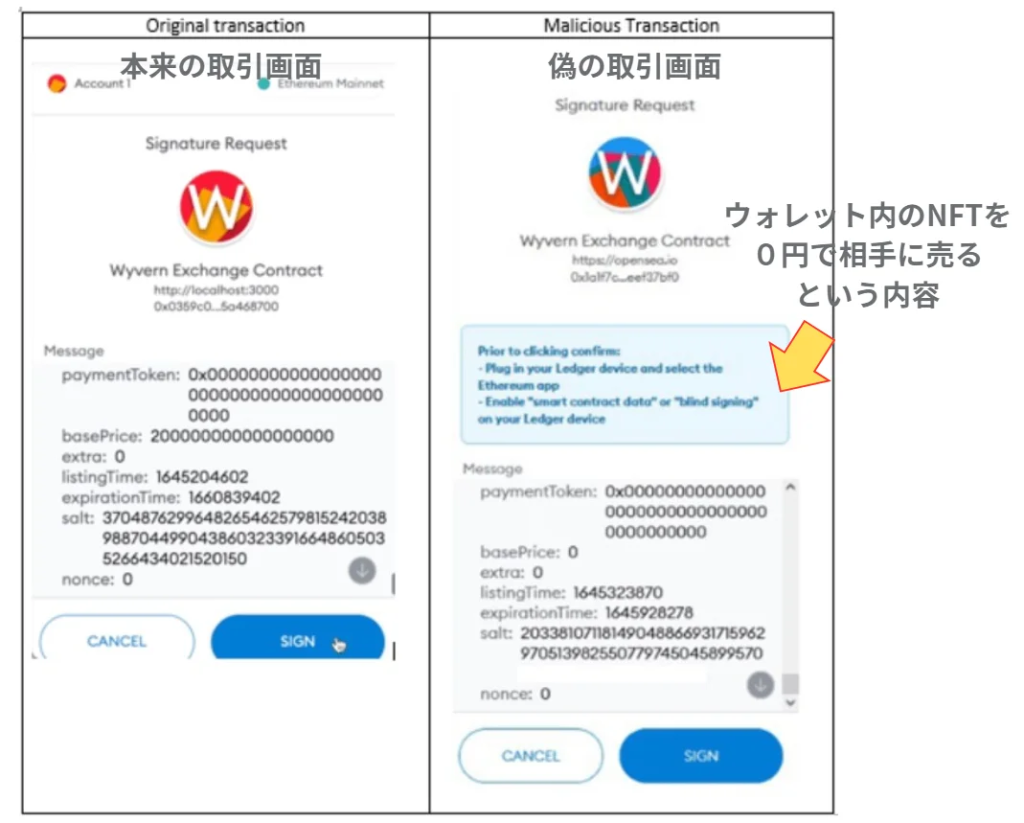
Furthermore, communication security is paramount. Direct messages (DMs) from individuals claiming to be project developers or customer support representatives should be treated as immediate red flags. In the vast majority of cases, official project communication occurs through public channels. Any entity that initiates contact via DM to "help you resolve a sync issue" or "claim your rewards" is almost certainly a bad actor.

The Role of Security Tools and Revocation
The industry has seen a rise in "revocation" tools designed to bridge the gap between complex smart contract management and user accessibility. Platforms like Revoke.cash or Kekkai allow users to connect their wallets to a dashboard that scans for all active approvals. This visibility is transformative; many users are shocked to discover that they have granted indefinite access to dozens of defunct or suspicious contracts over their years of activity.
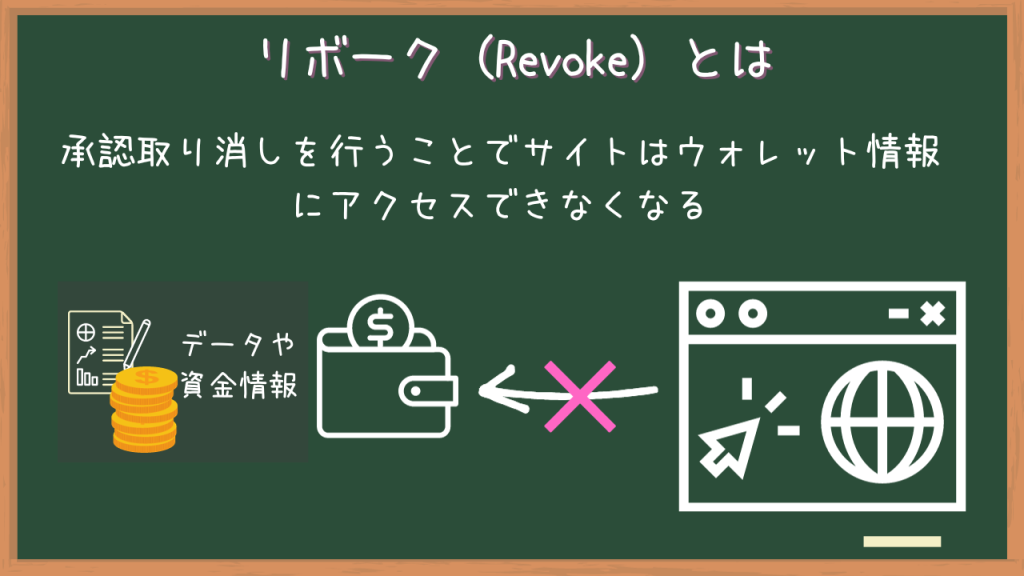
The process of revoking these permissions is straightforward:
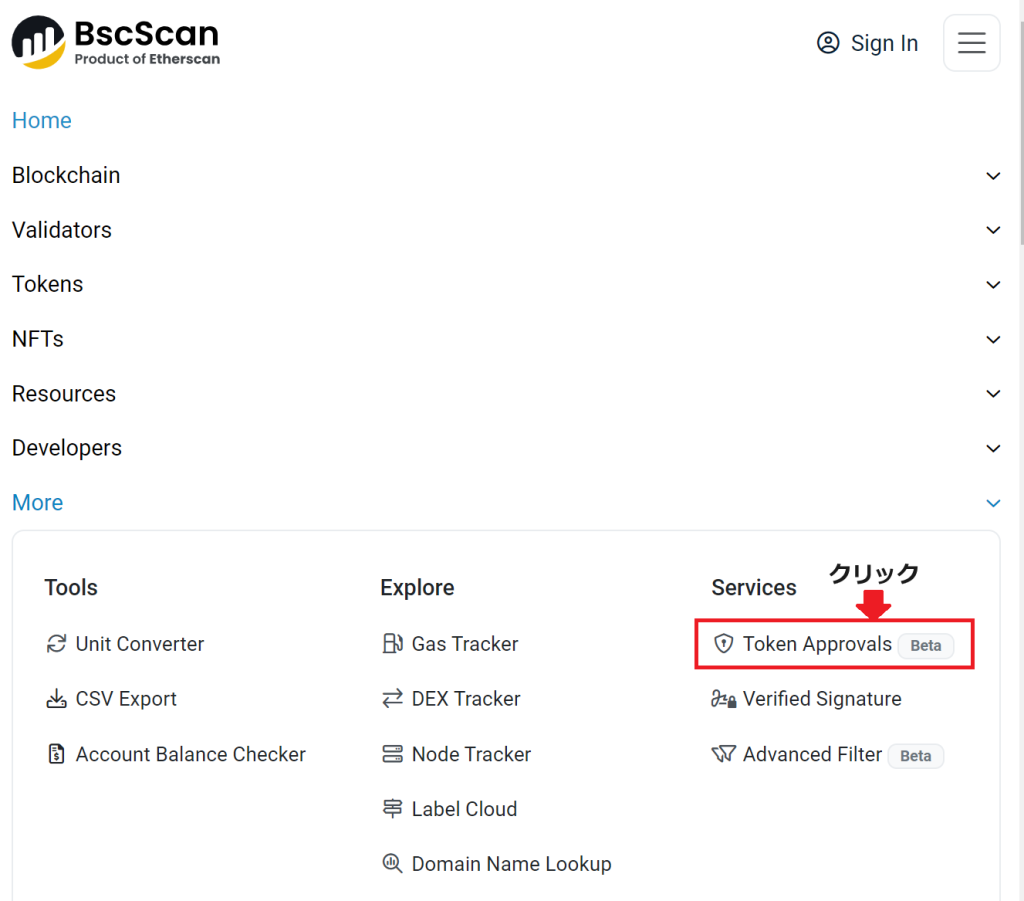
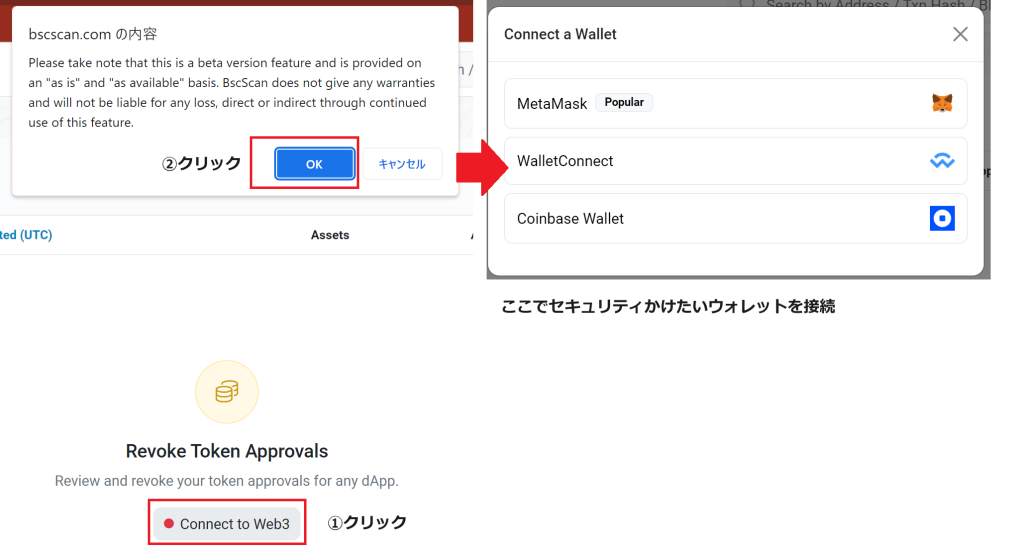
- Access the chosen dashboard or the "Token Approvals" section on the relevant block explorer.
- Connect the wallet using a secure, read-only interface.
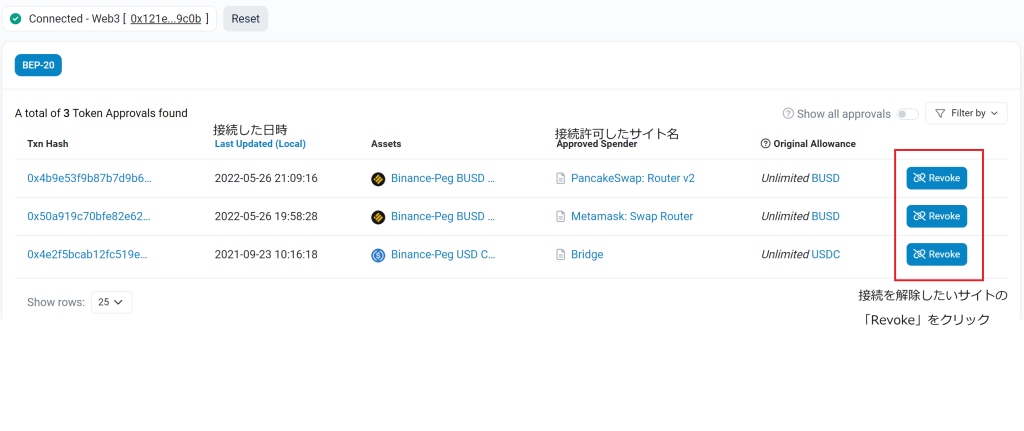
- Review the list of active contracts and the permissions granted to each.
- Select the "Revoke" function for any contract that is no longer in use or appears suspicious.
- Confirm the transaction in the wallet. Note that revoking an approval requires a small amount of the native network token (such as ETH or BNB) to pay for the gas fees associated with the blockchain transaction.
Implications for the Broader Ecosystem
The persistence of these exploits serves as a sobering reminder that the "trustless" nature of blockchain does not mean "security-free." As the industry matures, there is an increasing demand for better UI/UX standards that explicitly explain the risks of a transaction before it is signed. Regulatory bodies have also begun to take notice, with discussions regarding consumer protection in the digital asset space centering on the responsibilities of platforms to warn users of potential malicious activity.
However, until such protections are standardized, the onus remains on the individual. The transition from a traditional financial mindset to a Web3 mindset requires a fundamental shift in responsibility. Users are no longer just customers; they are the sole guardians of their own private keys and permissions.
In summary, the security of one’s digital assets is a continuous process rather than a one-time setup. By maintaining a strict audit of token approvals, ignoring unsolicited communications, and utilizing hardware-based security for long-term storage, users can significantly reduce their exposure to the most common attack vectors. As Web3 continues to evolve, education and the adoption of robust, self-custodial security practices will be the primary defenses against an increasingly sophisticated threat environment. The goal is not to avoid the ecosystem, but to engage with it with the necessary vigilance to ensure that personal wealth remains secure in an era of decentralized, yet high-stakes, finance.