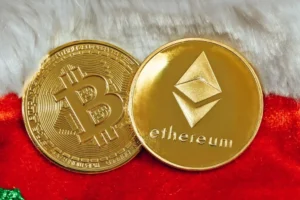
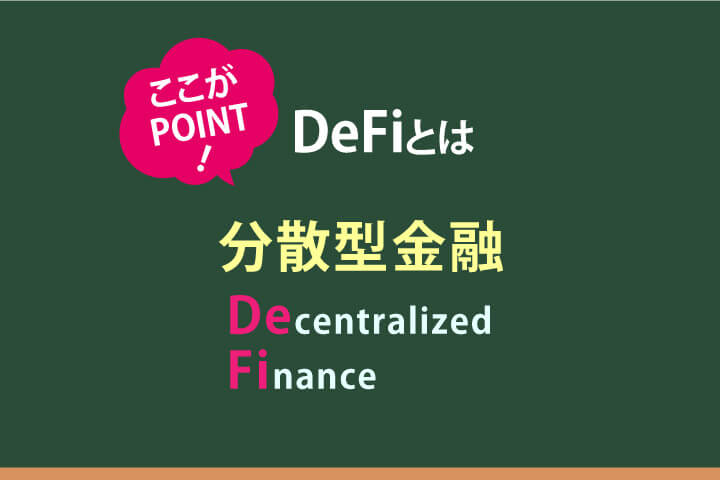
Decentralized Finance, commonly referred to as DeFi, represents a fundamental shift in how financial services are structured, accessed, and executed. By leveraging blockchain technology—specifically smart contracts on networks like Ethereum—DeFi seeks to eliminate the need for centralized intermediaries such as traditional banks, brokerages, and clearinghouses. This evolution in the financial landscape offers a permissionless ecosystem where anyone with an internet connection can engage in lending, borrowing, trading, and earning interest on digital assets.
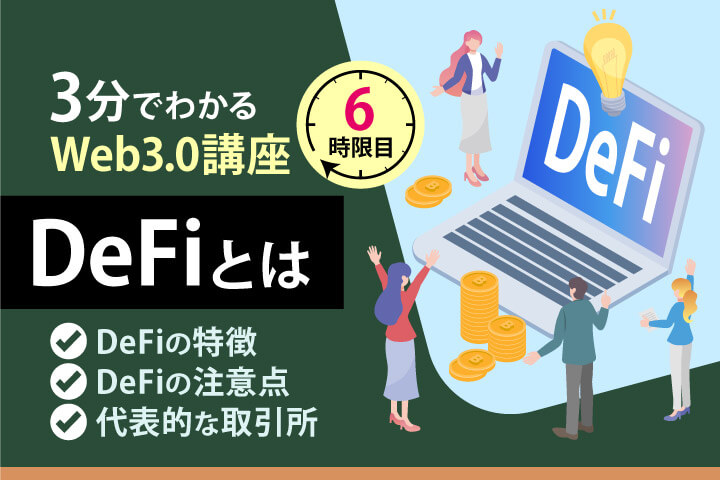
The Core Concept of Decentralized Finance
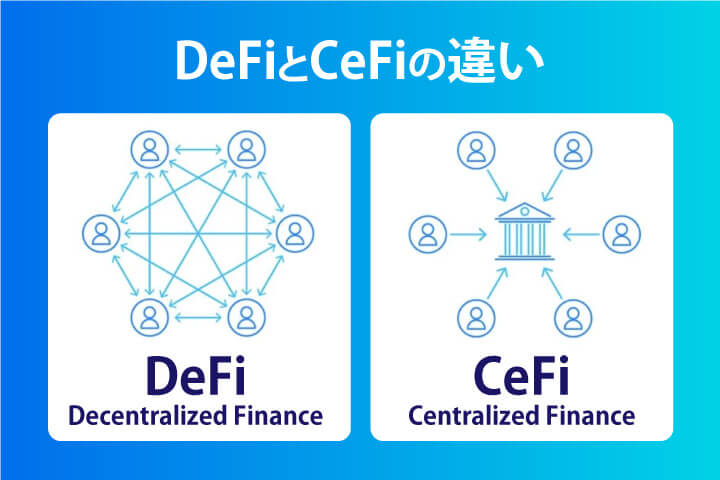
At its heart, DeFi is a movement that recreates traditional financial instruments in a decentralized, peer-to-peer architecture. Traditional finance, often categorized as CeFi (Centralized Finance), relies on a chain of command where institutions serve as the gatekeepers of value. In contrast, DeFi protocols operate on code-based rules that are immutable and transparent.
The mechanism relies heavily on smart contracts—self-executing agreements with the terms directly written into code. When a user interacts with a DeFi protocol, they are not negotiating with a bank manager or a loan officer; they are interacting with a program that automatically executes transactions once specific conditions are met. This removal of the human element is designed to reduce the risk of corruption, minimize human error, and lower costs associated with administrative overhead.

A Chronological Evolution of the DeFi Ecosystem
The rise of DeFi was not an overnight phenomenon. Its roots can be traced back to the inception of Bitcoin, which introduced the concept of a decentralized ledger. However, the true catalyst for DeFi was the launch of Ethereum in 2015, which introduced programmable smart contracts.
- 2017–2018 (The Formative Years): Projects like MakerDAO began to gain traction, introducing stablecoins like DAI, which allowed users to borrow against their crypto assets without needing a central bank.
- 2020 (The "DeFi Summer"): This period marked an explosion in the ecosystem, characterized by "yield farming" and "liquidity mining." Platforms such as Compound and Aave introduced algorithmic interest rate protocols, while Uniswap revolutionized decentralized trading with its Automated Market Maker (AMM) model.
- 2021–2022 (Expansion and Integration): The ecosystem moved toward cross-chain interoperability. Protocols began to support multiple blockchains, and institutional interest grew, leading to the development of more complex financial products, including insurance and synthetic assets.
- 2023–Present (Maturation): The focus has shifted from hyper-growth to security, auditability, and regulatory compliance, as the industry seeks to bridge the gap between experimental technology and mainstream financial adoption.
Comparative Analysis: DeFi versus CeFi
The fundamental tension between CeFi and DeFi lies in the trade-off between user autonomy and institutional recourse. CeFi offers the protection of legal frameworks and customer support; if a user loses their password or falls victim to a scam, a bank can often intervene.
DeFi, however, is built on the principle of "self-custody." In this environment, the user is their own bank. While this grants unprecedented freedom—allowing for 24/7 global access and the elimination of account freezes—it also places the burden of security entirely on the individual. The absence of a central authority means that if a user sends funds to the wrong address or interacts with a malicious smart contract, there is no "undo" button.
Supporting Data: Market Liquidity and Growth
The growth of the DeFi sector is frequently measured by Total Value Locked (TVL), a metric representing the total amount of assets held in decentralized finance protocols. At its peak in late 2021, the global TVL in DeFi surpassed $180 billion. While market volatility has caused these figures to fluctuate, the continued development of platforms like Uniswap, Curve Finance, and PancakeSwap highlights a resilient, ongoing interest in decentralized liquidity.
Liquidity, in the context of Decentralized Exchanges (DEXs), is provided by users who deposit their tokens into liquidity pools. In exchange for providing this service, these "liquidity providers" earn a portion of the trading fees generated by the platform. This democratization of market-making is a significant departure from traditional stock exchanges, where market-making is reserved for large institutional players.
Implications for the Global Financial Landscape
The rise of DeFi has profound implications for financial inclusion. In many developing nations, citizens lack access to basic banking services due to geographic barriers, lack of identification, or economic instability. DeFi protocols provide these individuals with access to global capital markets, allowing them to save, borrow, and trade without needing a traditional bank account.

However, this lack of centralization creates significant regulatory challenges. Global financial watchdogs are currently grappling with how to apply existing laws—designed for centralized institutions—to code-based protocols that have no headquarters or singular point of control. The debate centers on how to protect consumers from systemic risks, such as smart contract bugs or "rug pulls" (malicious developer actions), without stifling innovation.
Addressing the Risks: Security and Due Diligence
Despite the technical promise of DeFi, it is not without risks. The "smart contract risk" is the most prominent; if a vulnerability exists in the underlying code, hackers can exploit it to drain liquidity pools. As a result, the industry has seen a rise in the demand for security audits. Investors are increasingly looking for protocols that have undergone rigorous, third-party code reviews by reputable firms.
Furthermore, the volatility of the underlying crypto assets remains a barrier to widespread adoption. While stablecoins attempt to mitigate this, they are also subject to "de-pegging" events, where the value of the digital currency deviates from its intended anchor (usually the U.S. dollar).
Future Outlook and Institutional Integration
The future of DeFi likely lies in a hybrid model where decentralized protocols integrate with regulated "real-world" assets. We are currently witnessing the rise of "Institutional DeFi," where banks and large financial firms utilize private, permissioned blockchain networks to enjoy the speed and transparency of DeFi while maintaining compliance with Know Your Customer (KYC) and Anti-Money Laundering (AML) regulations.

As technology continues to improve, the efficiency gains from removing middlemen are becoming too significant to ignore. Whether through the tokenization of real-world assets like real estate or the creation of automated clearinghouses, DeFi is setting a new standard for speed, transparency, and accessibility.
For individual participants, the advice remains consistent: education is the best defense. Navigating the DeFi landscape requires a thorough understanding of how to manage private keys, how to read an audit report, and how to assess the sustainability of yield models. As the sector evolves from a "wild west" of innovation into a more structured, audited, and mature market, it will likely become an inextricable component of the future global financial architecture. The shift is not merely technological; it is a shift in the philosophy of money itself—from trust in institutions to trust in code.