Decentralized finance (DeFi) protocol Synthetix has officially launched multicollateral margin trading on Ethereum Mainnet, introducing native Ether (ETH) as its first non-stablecoin collateral asset. This major infrastructure upgrade allows traders to utilize their ETH holdings directly to back perpetual swap (perp) positions without requiring users to liquidate or sell their primary assets. As the first perpetual decentralized exchange (DEX) natively built and settled on Ethereum Layer 1, the integration represents a significant shift in how capital is utilized across the blockchain’s core economic layer, tapping into a multi-billion-dollar pool of previously idle native assets.
Background Context and Evolution of Synthetix Margins
To understand the significance of this deployment, one must examine the architectural evolution of decentralized perpetual exchanges. Historically, derivative trading platforms on Ethereum—particularly those operating on Layer 2 rollups or alternative high-throughput networks—relied heavily on stablecoins like USDT or USDC as the primary, and often exclusive, unit of account and margin collateral. While stablecoin-margined perps offer straightforward liquidation math and predictable PnL accounting, they force long-term holders of foundational assets like ETH to divest or bridge their holdings to participate in derivative markets.
Synthetix’s architectural model has always prioritized deep native integration with Ethereum Mainnet. By ensuring that trades live and settle directly on Layer 1, the protocol has continuously sought to eliminate the friction points associated with cross-chain bridging. The rollout of multicollateral margin is the culmination of months of infrastructural development designed to expand this L1 footprint. By permitting ETH to serve as initial margin alongside USDT within a unified account structure, Synthetix bridges the gap between spot-market asset conviction and derivative-market strategy execution.
Mechanics of Native ETH Margin: Haircuts, Debt, and Unified Accounts
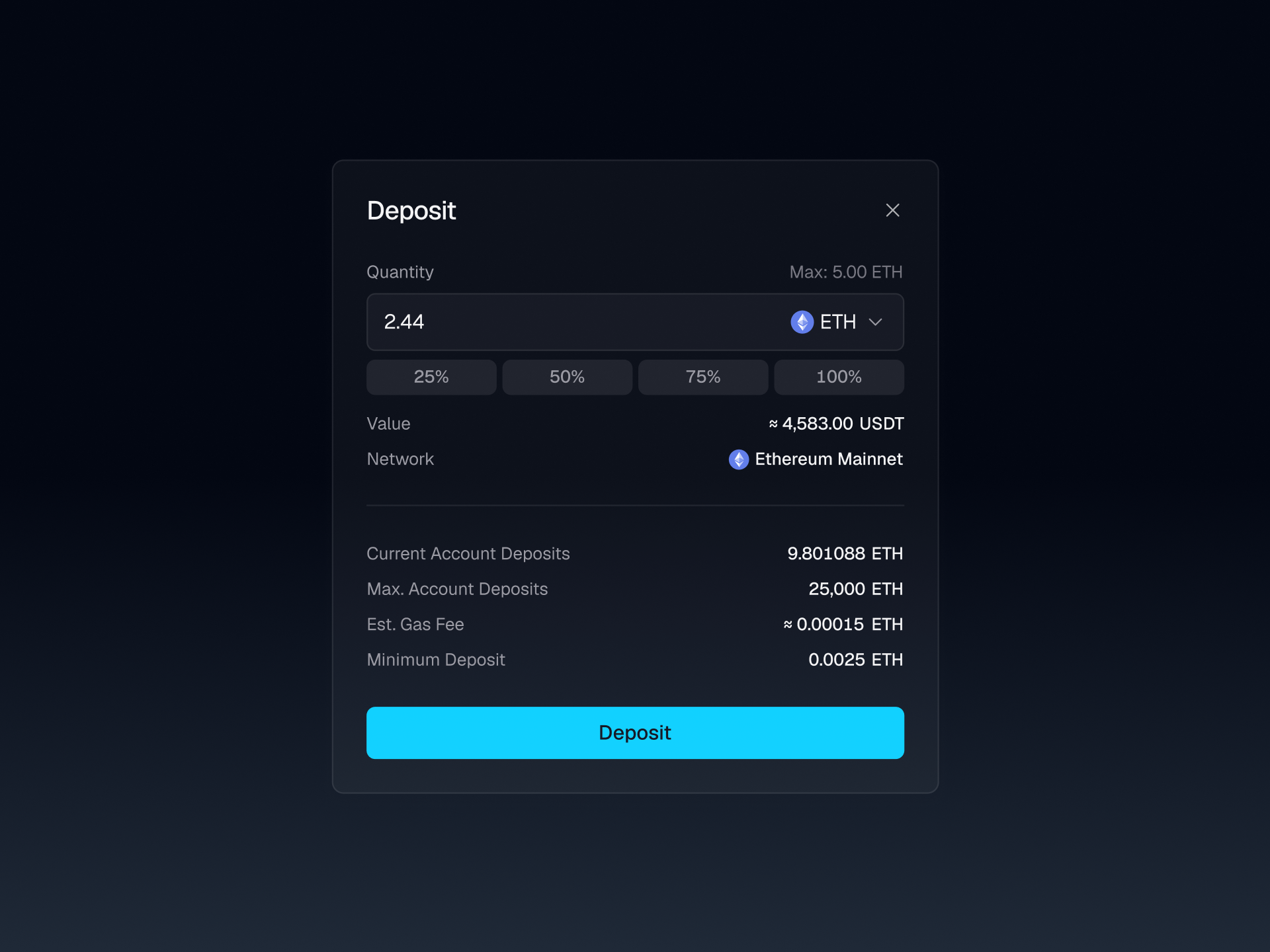
The operational framework of Synthetix’s new multicollateral system introduces specific risk-management parameters to protect the protocol while maximizing capital efficiency for the user. When an investor deposits ETH into a unified margin account, the asset is valued dynamically using its live oracle index price.
Because volatile assets carry market risk distinct from fiat-pegged stablecoins, the protocol applies a standard risk discount—commonly referred to as a "haircut"—to the deposited ETH. The resulting figure represents the user’s effective Collateral Value, which dictates their borrowing and leverage capacity.
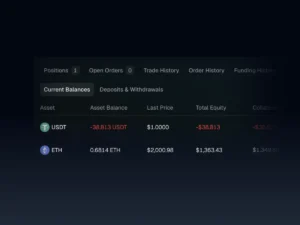
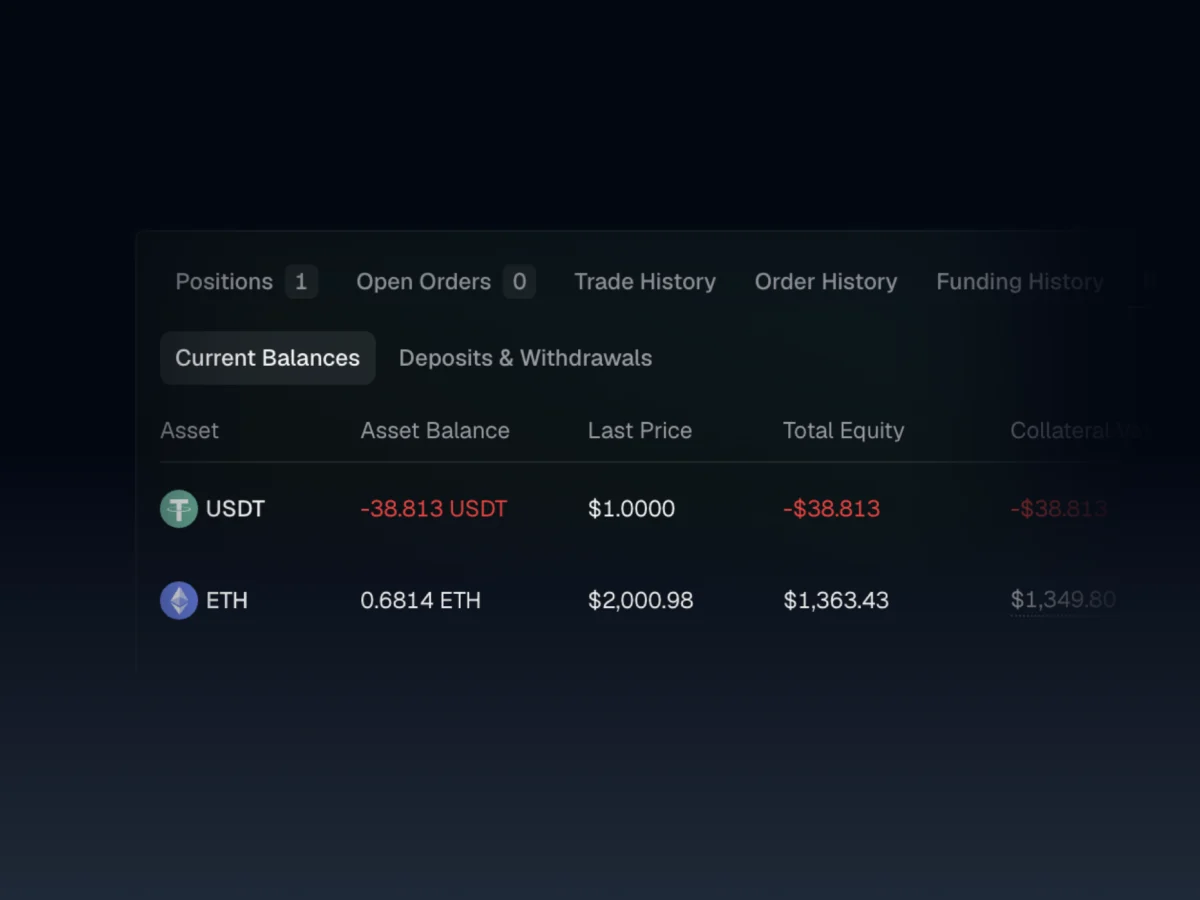
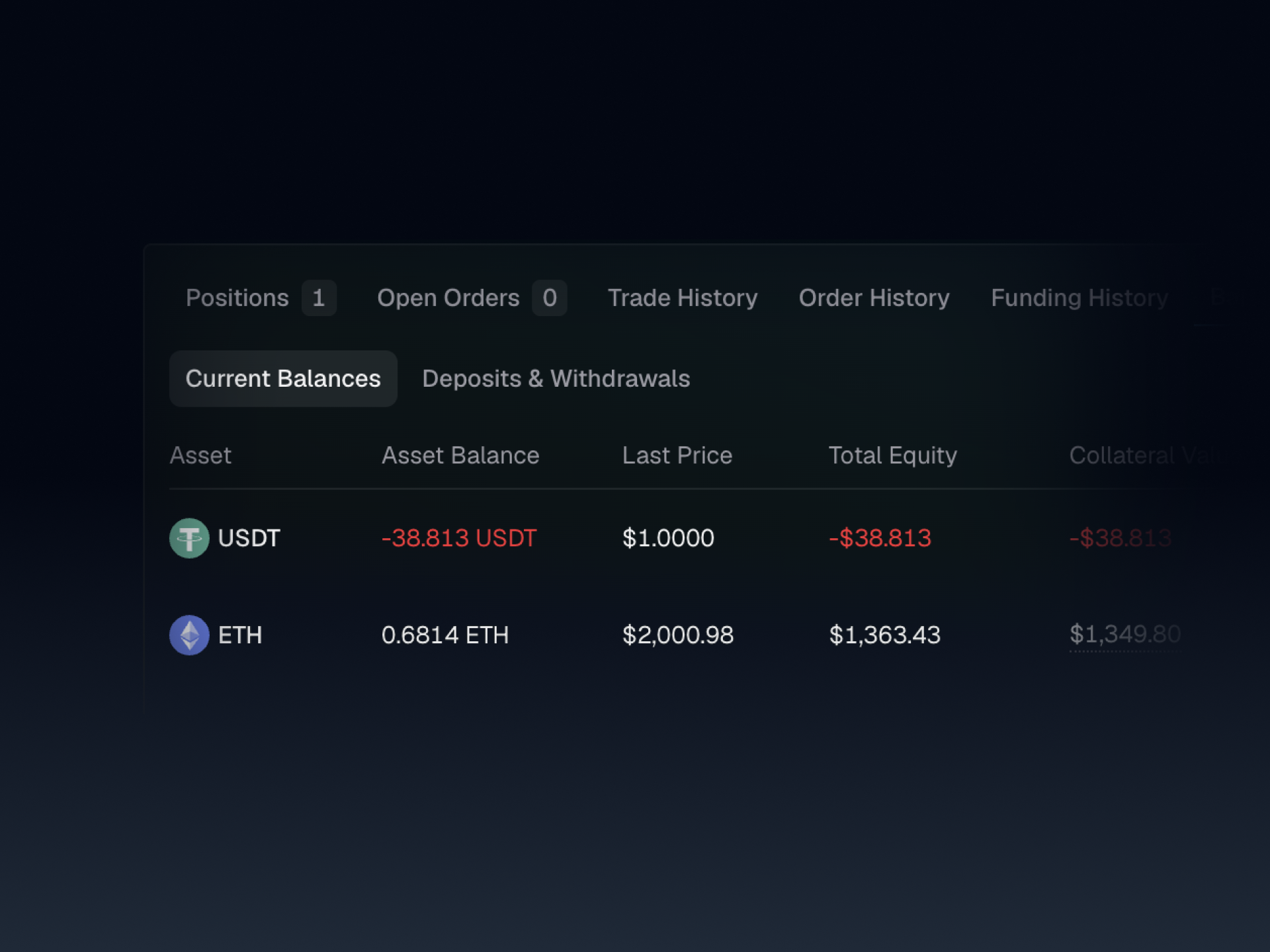
A unique mechanical feature of this implementation is its treatment of settlement currency. Because Synthetix Perps settle all trades, fees, and funding rates in USDT, accounts utilizing exclusively ETH collateral may temporarily show a negative USDT balance while open positions generate fees or negative PnL. This structural design is entirely intentional; the accrued negative balance is securely backed by the underlying ETH collateral. Traders retain the flexibility to manually clear this balance at any time by executing an internal swap from ETH to USDT through the platform interface.
To prevent systemic insolvency, the protocol enforces rigorous threshold monitoring. If a drop in the market price of ETH or an accumulation of USDT debt compromises the account’s health buffer beyond preset limits, automated mechanisms may step in to convert a portion of the collateral ETH into USDT, maintaining account solvency. Consequently, users are advised to closely monitor collateral valuations alongside traditional position Profit and Loss (PnL) metrics.
Unlocking Advanced DeFi Strategies: The Efficiency of Basis Trades
The introduction of ETH as multicollateral margin fundamentally streamlines one of the most reliable and prevalent institutional strategies in digital asset markets: the basis trade. Traditionally, executing a cash-and-carry or delta-neutral basis trade required sophisticated collateral management across multiple platforms or complex asset-wrapping procedures.
With native ETH margin now live, a trader can deposit ETH as collateral and simultaneously open an equivalent short position in ETH perpetual contracts. Because the collateral value and the short position PnL move in opposite directions, they largely offset each other, drastically reducing directional market risk. This setup allows participants to capture recurring funding rate payments without sacrificing their underlying bullish exposure to Ethereum’s native asset.
Market analysts note that frictionless execution of basis trades serves a vital systemic function. As institutional and retail arbitrageurs efficiently capture funding rate discrepancies, they naturally keep perpetual contract prices aligned with spot indexes. This dynamic fosters tighter spreads, deeper liquidity, and more competitive markets across the entire exchange ecosystem.
Industry Implications and the Vision for Ethereum Mainnet Liquidity
The deployment of ETH collateral arrives at a critical juncture for the Ethereum ecosystem. With well over $100 billion in idle ETH sitting natively on Layer 1, unlocking this capital pool for derivative utility introduces immense expansion potential. Industry observers suggest that capturing even a modest fraction of the broader monthly derivatives volume could establish a compounding liquidity flywheel for Ethereum Mainnet DeFi.
Synthetix developers have confirmed that ETH is merely the vanguard of this new framework. The upgraded infrastructure is purpose-built to scale horizontally, paving the way for a diverse array of additional collateral types—including yield-bearing assets and liquid staking tokens (LSTs)—to be integrated into unified margin accounts in subsequent releases.
Statements and Ecosystem Impact
While official commentary from external institutional partners remains measured, decentralized governance participants and core contributors have emphasized the compounding composability benefits of the launch. By embedding native asset utility directly into the L1 settlement layer, Synthetix reinforces Ethereum’s position as the premier institutional-grade execution venue for decentralized derivatives.
Spokespersons for the protocol noted that the long-term vision extends far beyond simple margin expansion. By enabling traders to maintain their spot exposure while engaging in complex hedging and speculative operations, Synthetix aims to bridge the historical divide between long-term holding strategies and active derivatives trading.
Future Outlook and Access
The multicollateral margin feature is live on Synthetix Perps on Ethereum Mainnet. Minimum deposit requirements, maximum account limits, and per-asset restrictions are dynamically displayed within the platform’s deposit user interface, with expanded capacity limits and additional asset integrations slated for deployment in subsequent protocol updates.
As the DeFi sector continues to mature, infrastructure upgrades that enhance capital efficiency without forcing users out of their preferred asset denominations are expected to set a new benchmark for decentralized exchange architecture. Market participants can review the updated technical documentation and risk parameters via the official Synthetix documentation portal for comprehensive guidance on haircuts, liquidations, and account health maintenance.