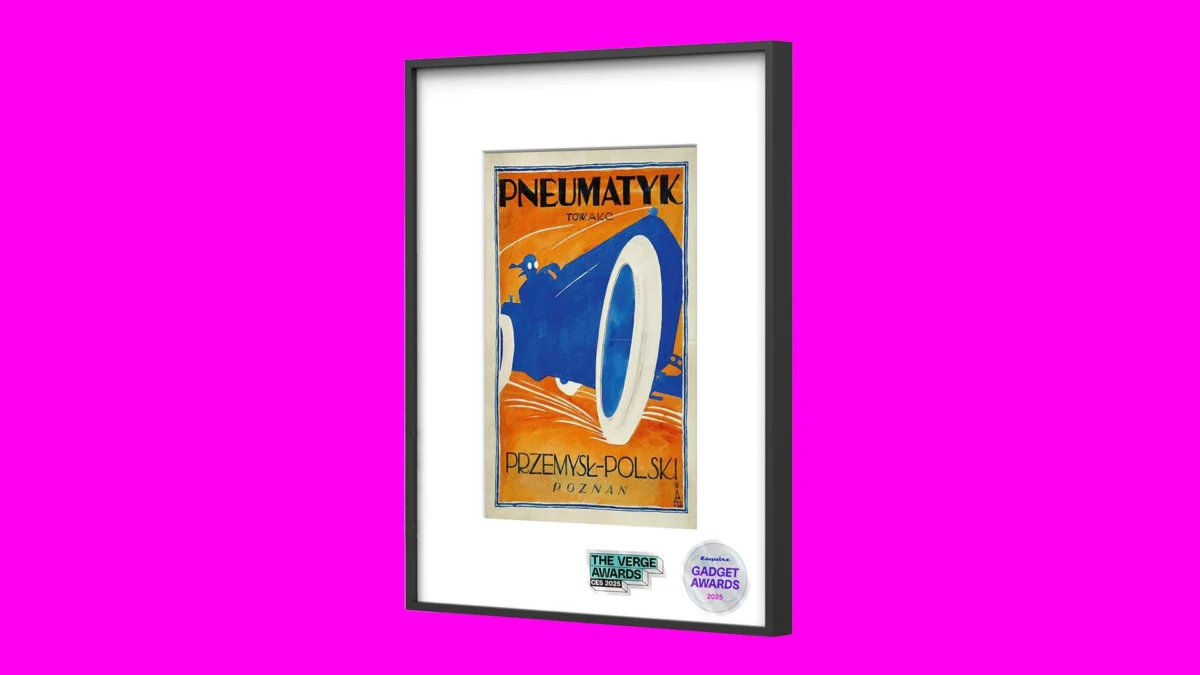
The evolution of home decor and consumer electronics has long pursued a seamless integration of technology within living spaces. For years, art enthusiasts and interior designers sought solutions that could bridge the gap between traditional aesthetics and modern digital convenience. While "Frame TVs"—televisions specifically engineered to display classic and contemporary paintings when not in use—gained significant traction in the consumer market, they present inherent limitations. Premium pricing, bulky chassis, rigid placement constraints, and the unavoidable ambient glow of backlit LCD and OLED panels often disrupt the illusion of a genuine canvas.
Enter the e-ink digital art frame: a transformative alternative that relies on electrophoretic technology to mimic the physical properties of ink on paper. Leading this charge is Swiss manufacturer InkPoster, whose line of specialized e-ink displays—ranging from the compact 13.3-inch and sprawling 31.5-inch Affresco models to the mid-sized Tela—has redefined how digital art is integrated into domestic spaces. Starting at $499, these devices circumvent the traditional drawbacks of display screens, offering an understated, glare-free, and highly versatile medium for digital curation.
The Technological Shift: Moving Away from Backlit Displays
To understand the rising popularity of e-ink art frames, one must examine the fundamental physiological and mechanical differences between standard television panels and electrophoretic displays. Frame TVs, despite their artistic ambitions, remain high-resolution computer monitors at heart. They require continuous electrical power to illuminate pixels, emit noticeable blue light, and typically feature glossy or semi-gloss screens that reflect ambient room lighting. This creates a distinct visual signature: a glowing photograph trapped behind glass.
E-ink technology operates on an entirely different physical principle. Instead of projecting light toward the viewer, e-ink displays use millions of tiny microcapsules suspended in liquid. When positive or negative electric charges are applied, pigmented microcapsules—typically black and white, though advanced color e-ink panels are becoming increasingly sophisticated—rise to the surface of the electronic paper. Once the image is rendered, the display requires zero electricity to maintain the static picture, drawing power only when the image changes.
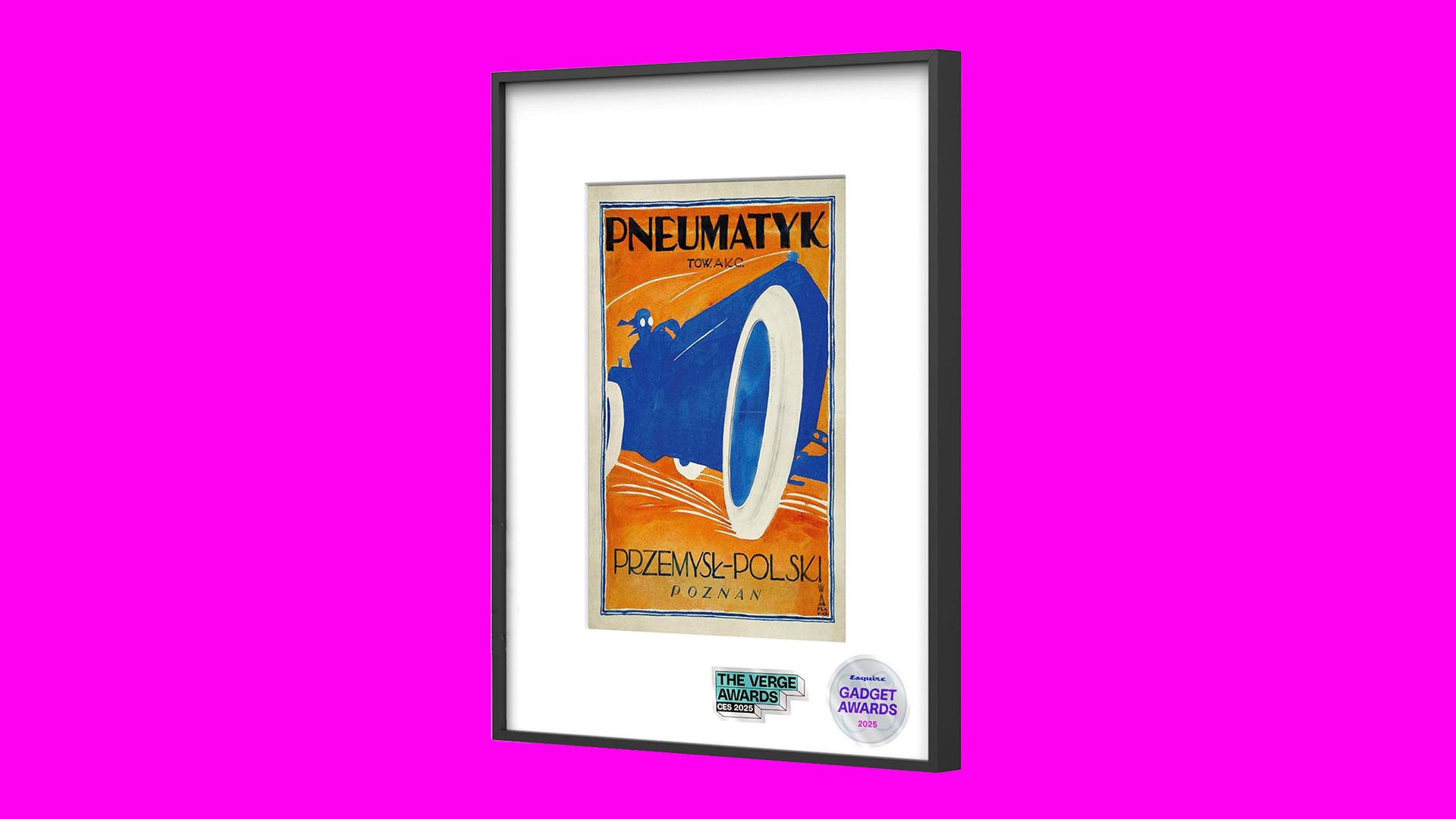
The resulting visual experience is remarkably analog. Without an artificial backlight, an e-ink art frame absorbs and reflects ambient room light in the exact same manner as a physical painting or a printed poster. The matte surface texture eliminates glare, allowing the artwork to blend seamlessly into plastered walls, wood-paneled studies, or minimalist galleries without demanding the immediate focal attention typical of a television set.
Architectural Versatility and Cord-Free Placement
One of the primary frustrations interior designers encounter with Frame TVs is their spatial inflexibility. Because a television demands a direct line of sight from comfortable seating arrangements, homeowners are virtually forced to mount them in primary viewing positions—typically above a fireplace mantel or centered opposite a main sofa. Furthermore, the substantial power supplies, specialized "One Connect" boxes, and rigid cabling systems required by modern smart TVs make clean, cable-free installations notoriously difficult and expensive.
E-ink frames decouple digital displays from these architectural shackles. Because many models are engineered with high-capacity internal lithium-ion batteries, they can be hung anywhere in a home regardless of proximity to wall outlets. While initial setup and synchronization require a brief connection to a power source, daily operation is entirely wireless.
This portability opens up entirely new categories of interior placement. An e-ink art frame can be mounted in narrow hallways, dark stairwells, intimate reading nooks, or kitchen alcoves—spaces where running heavy electrical wiring or hanging a glowing television would be entirely impractical. The physical weight of the device is also substantially lower than that of a glass-and-metal television, reducing the structural load on drywall and simplifying the installation process to the level of hanging a standard picture frame.
A Tactile User Experience and Curation Ecosystem
The interaction model of devices like the InkPoster Tela and Affresco bridges contemporary software convenience with tactile satisfaction. Users manage their curated galleries via a dedicated mobile application connected to the hardware via Wi-Fi or Bluetooth. Through this interface, owners can browse extensive libraries of classical masterpieces, contemporary digital illustrations, and photography, or upload their own high-resolution image files.
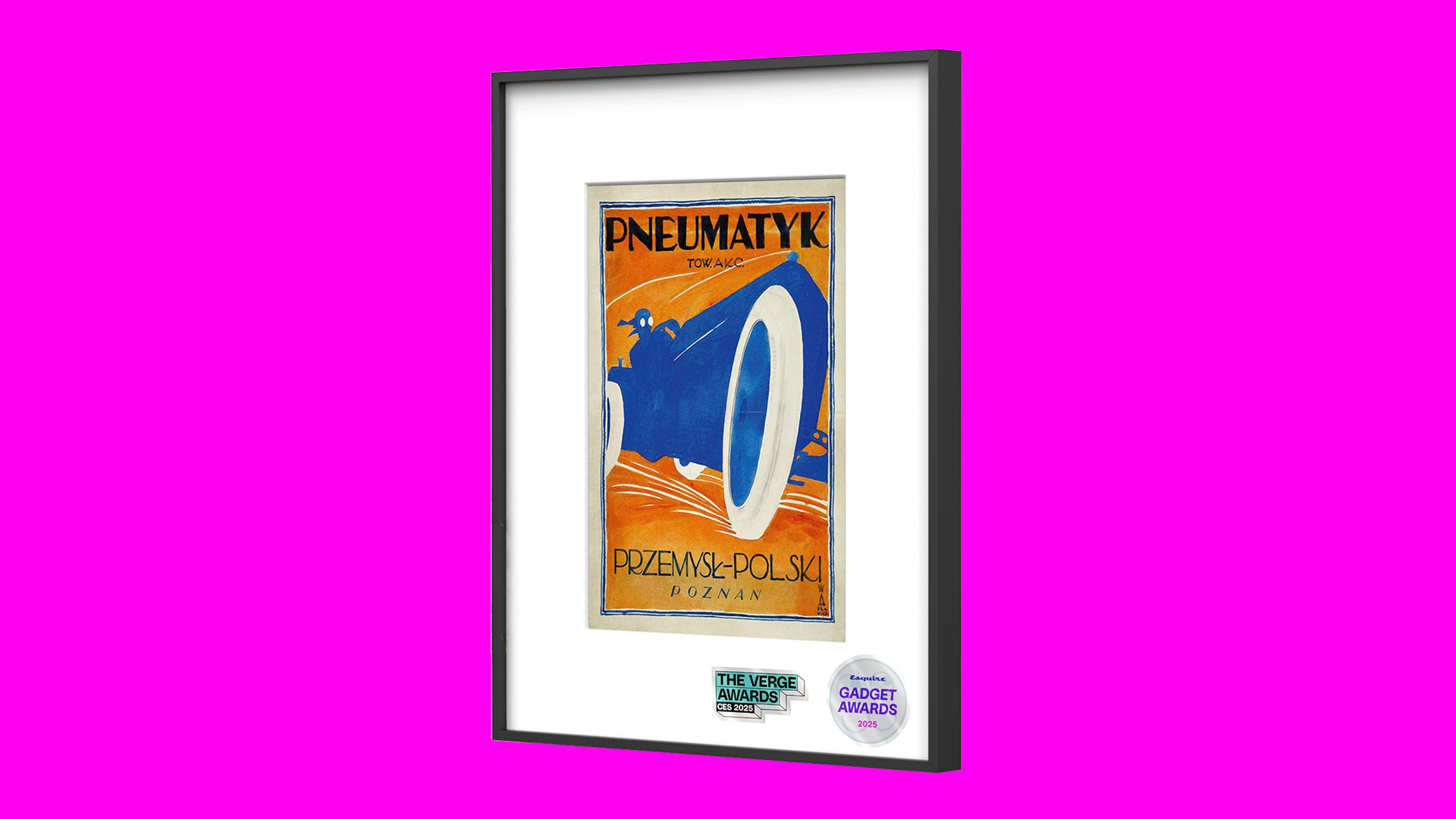
The application includes robust cropping and resizing tools, ensuring that images captured in various aspect ratios are properly formatted for the specific dimensions of the frame. Once a new image is selected and transmitted to the device, the transition sequence is famously deliberate. As the pigment microcapsules physically shift positions across the electronic paper sheet, viewers can witness a slow, rippling refresh cycle. This physical movement of particles mimics the sensation of an image being slowly printed or painted onto a canvas in real time—a mechanical quirk that reviewers and consumers alike have praised as oddly therapeutic and deeply satisfying.
Moreover, manufacturers are elevating the physical hardware to match high-end interior design standards. InkPoster, for instance, has collaborated with renowned Italian design houses such as Pininfarina to offer luxury variations of its mid-sized Tela frame. These editions incorporate premium design accents, including Alcantara passepartouts—the luxury synthetic suede fabric commonly found in high-performance automotive interiors—transforming the consumer electronics product into a piece of bespoke furniture.
Market Implications and the Future of Digital Curation
The commercial success of sub-$1,000 e-ink art frames marks a crucial maturation point for electrophoretic technology. While early iterations of e-ink were confined to monochrome e-reader screens like Amazon’s Kindle or specialized retail shelf labels, advances in multi-pigment particle suspension have unlocked vibrant color reproduction suitable for fine art display.
Industry analysts note that this shift addresses a broader psychological fatigue among consumers. As modern households become increasingly saturated with glowing screens—from smartphones and tablets to smart home control panels and oversized televisions—there is a growing desire for "digital detox" technologies that respect human attention spans. By removing motion, video playback, web browsing capabilities, and notifications from the equation, e-ink art frames reclaim the wall as a space for quiet contemplation rather than passive entertainment consumption.
As production efficiencies scale and color fidelity continues to improve, the market for dedicated digital canvas solutions is projected to expand significantly. For art collectors, remote workers seeking inspiring environments, and interior design professionals alike, e-ink frames represent a pragmatic evolution: technology that honors the past while quietly fading into the background of daily life.