
Remedy Entertainment has long established its reputation as a pioneer of psychological horror, mind-bending narratives, and technical graphical achievements through titles such as Alan Wake, Quantum Break, and the original 2019 hit, Control. Scheduled for release on September 24, 2026, the studio’s latest ambitious project, Control Resonant, expands the unsettling universe of the Federal Bureau of Control (FBC) far beyond the brutalist confines of "The Oldest House." Moving the setting to a warped, apocalyptic vision of Manhattan, the game shifts the player’s perspective from Jesse Faden to her troubled brother, Dylan, who spends the narrative grappling with his captivity and the lingering trauma of illicit government experimentation. Powered by Remedy’s proprietary Northlight Engine, the game incorporates advanced path-tracing technologies and striking surrealist art direction, though it simultaneously wrestles with legacy design frustrations concerning navigation and combat pacing.
Expanding the Paranatural Frontier Beyond The Oldest House
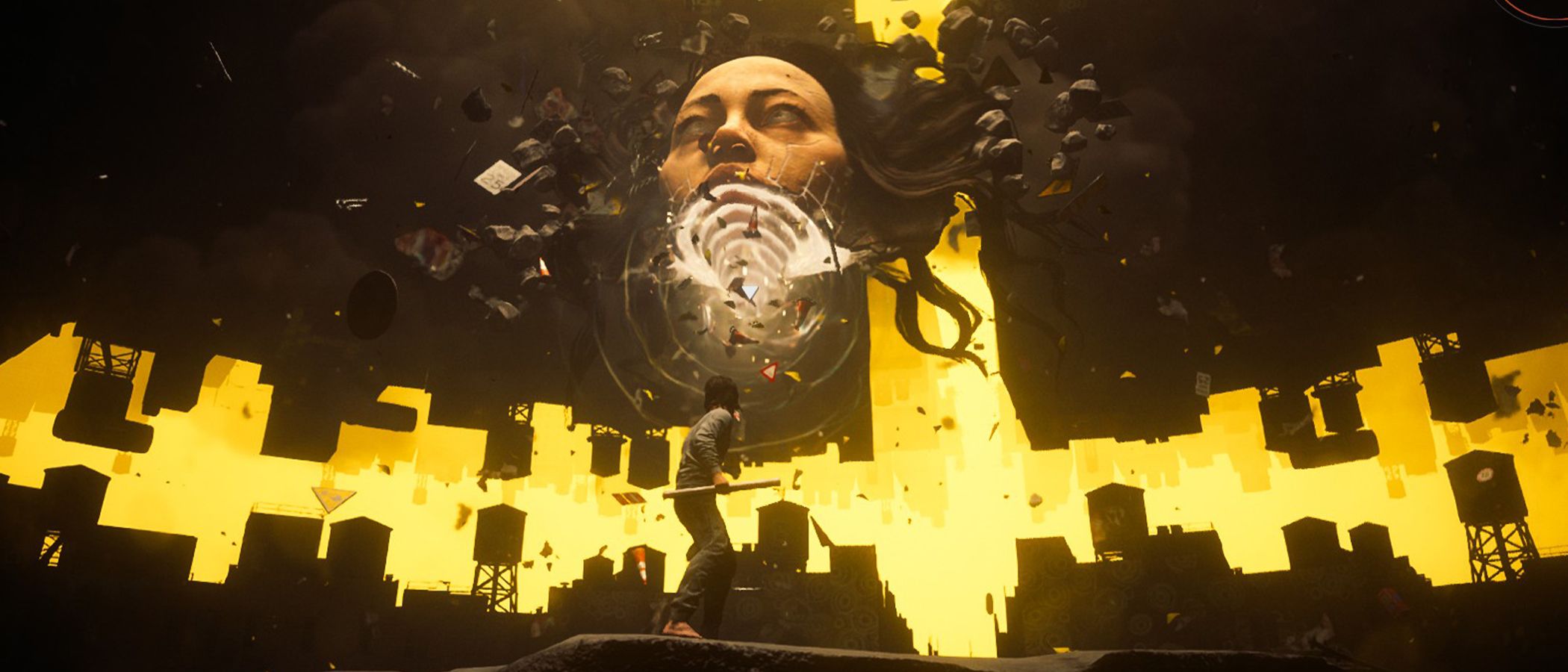
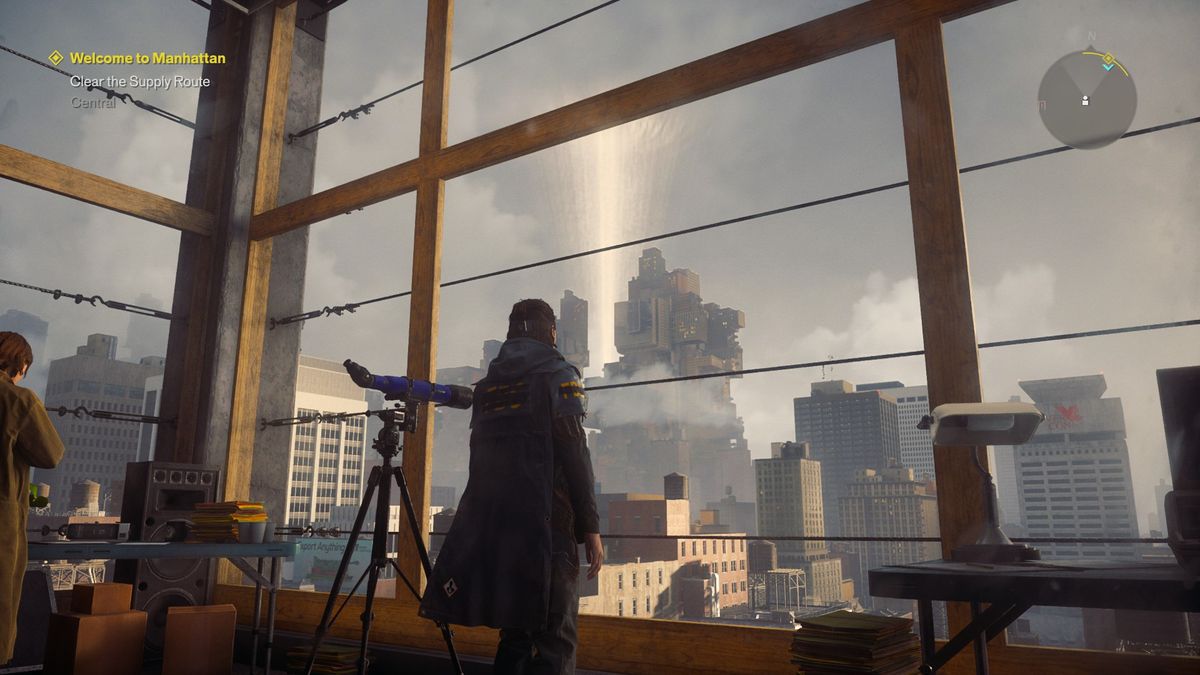
While virtual renditions of New York City have served as backdrops for numerous open-world blockbusters, Remedy approaches the metropolis through its signature "New Weird" aesthetic lens. In the original Control, the narrative was securely sequestered within the labyrinthine, Escher-inspired architecture of a single Manhattan skyscraper acting as the FBC headquarters. Resonant shatters these physical constraints as the Bureau’s primary otherworldly threat, known as "The Hiss," spills outward into the open streets of Manhattan.
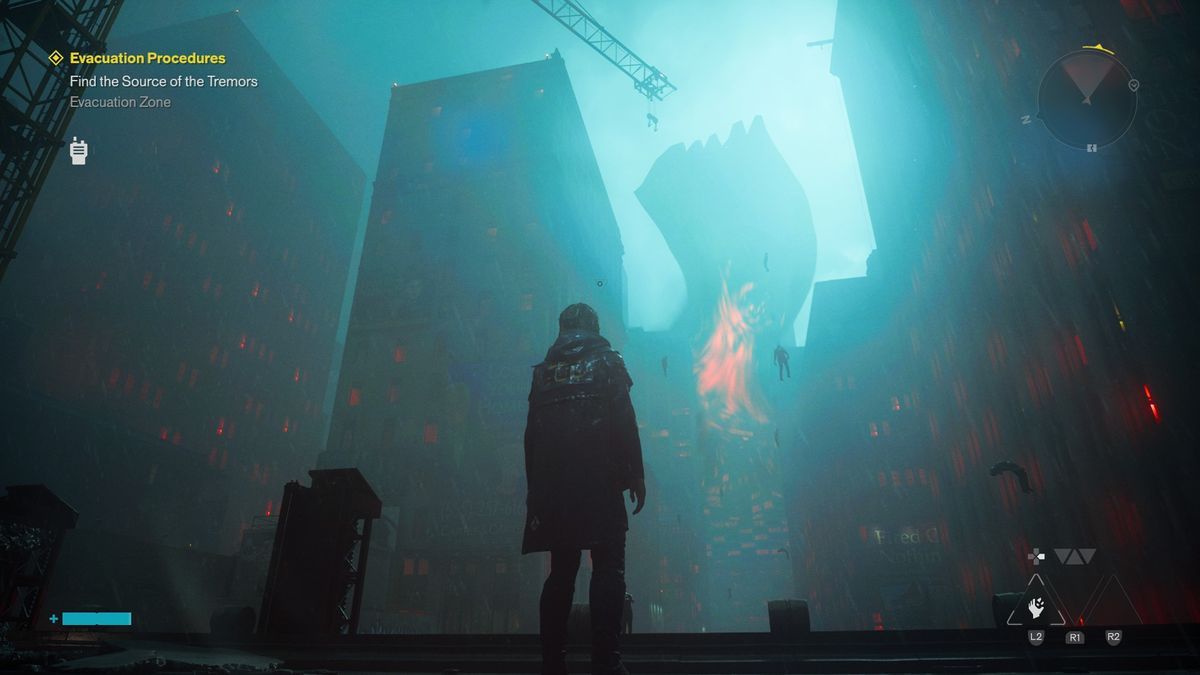
The resulting environmental degradation avoids conventional post-apocalyptic tropes. Instead of standard debris and rubble, the city undergoes terrifying geometric distortions. Streets tilt sharply upward into the sky, skyscrapers fracture and refract into vanishing points, and dead bodies hang suspended in mid-air alongside an eerie phenomenon designated as "patterning"—a surreal visual corruption resembling generative artificial intelligence hallucinating infinite, uncanny variations of a single form.

Despite these extradimensional anomalies, Remedy retains grounded details that anchor the surrealism. Players can peer through the windows of standard New York apartments to spot recognizable interior fixtures like traditional radiators and lighting setups, while interactive propaganda billboards and flipping transit signs offer moments of grim normalcy amidst the chaos.
Narrative Shift and Protagonist Evolution
The narrative departure in Control Resonant centers heavily on Dylan Faden. Having spent the entirety of the first game confined as a high-risk test subject under the FBC, Dylan assumes the mantle of protagonist as an erratic, shape-shifting entity known as the Aberrant. This fundamental character shift alters the dynamic of the franchise. Rather than utilizing standard Bureau firearms and localized telekinesis from a defensive standpoint, Dylan approaches the crisis with aggressive, fluid mechanics born of his deep integration with paranatural forces.
Remedy complements this character pivot by leaning into multi-medium storytelling techniques. Alongside atmospheric audio design featuring original musical compositions and needle drops, the game integrates live-action performances. Notably, actor Matthew Porretta returns to reprise his role as Casper Darling, the eccentric and brilliant FBC researcher whose recorded briefings add historical depth to the bureau’s ongoing containment failures. Furthermore, the narrative breaks traditional conventions via an extended flashback sequence rendered as an intricate, 16-bit pixel-art role-playing game reminiscent of classic titles like Earthbound, demonstrating Remedy’s continued willingness to subvert player expectations.
Traversal Mechanics and Architectural Challenges
Traversal in Control Resonant is designed to keep the player in constant motion. Dylan possesses advanced mobility options unlocked almost immediately, allowing for elevated jumps, double and triple-air dashes, and precise gravity manipulation. Players can execute a held-jump input to gain an extended upward boost, transitioning smoothly into a sustained glide across expansive street canyons.

However, the transition to an open-air environment introduces structural friction. Unlike traditional open-world games set in New York, Control Resonant functions as an elaborate outdoor maze. The map is heavily sectioned by high-walled gates and impassable boundaries that prevent straightforward traversal. In a recurring design quirk that mirrors criticism leveled at the original Control, the game frequently obscures pathways and fails to provide adequate signposting. Despite avoiding modern UI hand-holding mechanisms like continuous waypoints or bright yellow paint indicating climbable ledges, the lack of spatial clarity frequently forces players to circle back through indoor corridors, underground passages, and revisited sections of The Oldest House without intuitive guidance.
Combat Redesign and Encounter Balance
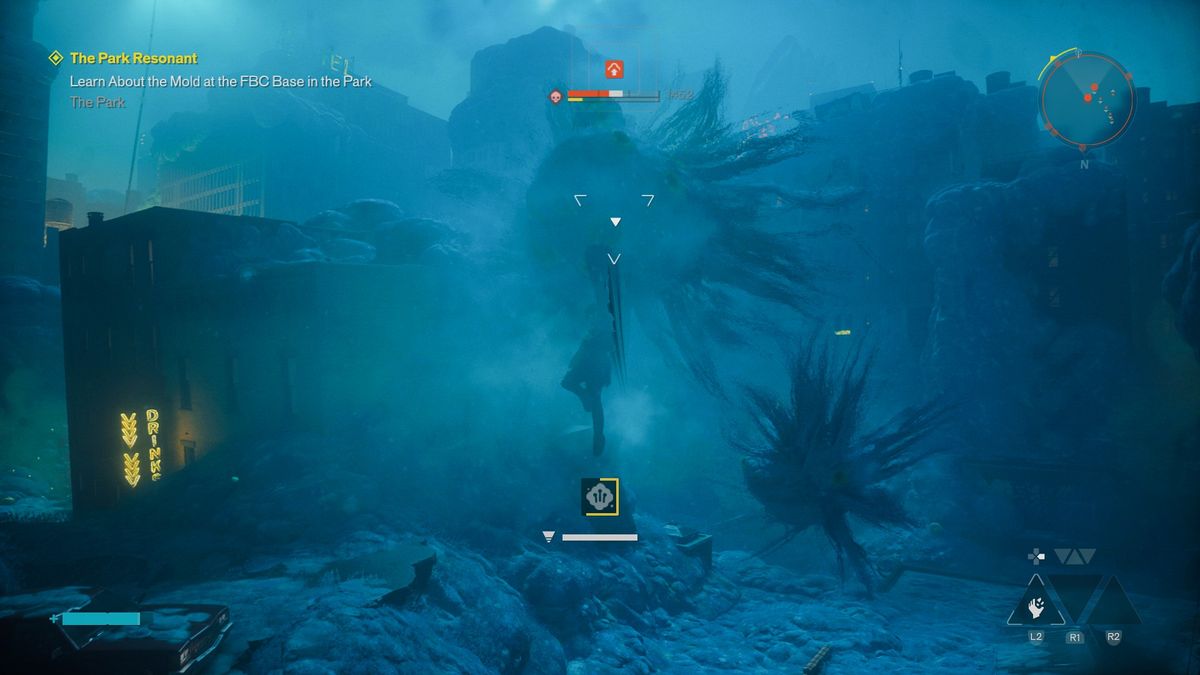
Combat in Control Resonant pivots away from third-person shooting mechanics in favor of close-quarters melee skirmishes. The Aberrant weapon system shifts dynamically, allowing players to choose between expansive implements like a wide-ranging scythe or swift twin blades optimized for critical damage percentages. This arsenal is augmented by cooldown-based abilities acquired through defeating colossal boss entities known as Resonants—a system structurally evocative of classic boss-ability absorption. Players can deploy defensive shields, ranged projectile attacks, or a devastating area-of-effect ground pound suited for controlling large crowds.
These abilities are managed and upgraded within Dylan’s abstract psychological landscape, known as "The Gap," which also houses a dedicated astral arena for combat testing. The enemy roster presents a marked improvement over its predecessor in terms of visual and tactical variety. Encounters feature specialized Hiss units, including spherical support entities that heal nearby combatants and corrupted municipal vehicles such as possessed buses.
Despite these tactical additions, the combat encounters encounter pacing issues due to enemy health scaling. Opponents frequently exhibit excessive durability, requiring extended button inputs to defeat. Because regional zones level up alongside the player, newly unlocked abilities rarely translate to a tangible sense of increased power. As players attempt to chain melee combos, incoming projectiles from off-screen adversaries constantly interrupt offensive momentum, forcing a defensive reliance on dodging rather than decisive offensive finishers.
Accessibility and Industry Implications
Recognizing the potential frustration tied to protracted combat encounters and complex navigation, Remedy has integrated a comprehensive suite of accessibility options. Players can manually adjust damage values dealt and received, or toggle one-hit-kill modifiers, without forfeiting achievement progress. This flexibility allows users to tailor the difficulty curve to their personal preferences, though the underlying design philosophy of equating higher challenge with increased enemy health pools remains a point of discussion among critics.
Commercially and critically, Control Resonant arrives at a crucial juncture for Remedy Entertainment. Following the mixed critical and community reception of its multiplayer spin-off, FBC: Firebreak, this single-player narrative release serves as a definitive return to form for the studio. By pushing technical boundaries through path-tracing on the Northlight Engine and expanding its proprietary cinematic universe, Remedy reaffirms its position as a leading developer of ambitious, narrative-driven action titles. While specific legacy design choices regarding level layout and combat endurance present occasional hurdles, Control Resonant successfully broadens the scope of one of modern gaming’s most distinct paranatural franchises.