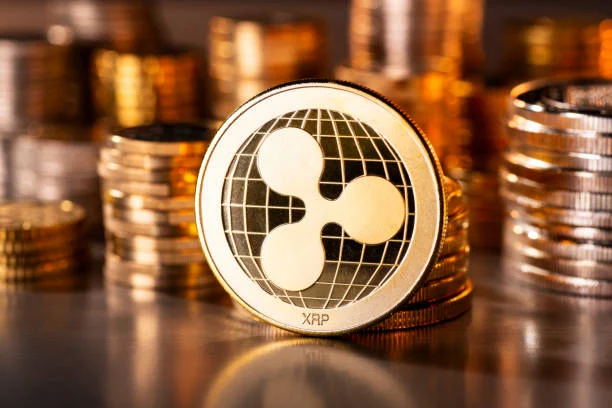
The XRP Ledger (XRPL) has once again found itself under the analytical microscope as recent on-chain metrics reveal a notable contraction in daily network fees. According to data tracked by DefiLlama and confirmed through various ledger explorers, daily fees on the network have dipped below the $400 threshold. While a decline in transaction costs is often lauded as a hallmark of efficiency in the blockchain ecosystem, the specific context of the XRPL—a network built with the express purpose of facilitating high-speed, low-cost cross-border payments—adds a layer of complexity to the interpretation of this data. With weekly fee burns hovering around the $3,100 mark, stakeholders are left to weigh the benefits of a lean, efficient protocol against the necessity of demonstrating robust, high-value demand in an increasingly competitive landscape for layer-1 infrastructure.
Understanding the Economics of the XRP Ledger
To grasp why fee data matters for a network like the XRPL, one must first understand its foundational architecture. Unlike Proof-of-Work (PoW) blockchains such as Bitcoin, where transaction fees are a byproduct of market-driven congestion and the competitive bidding of users for block space, the XRPL utilizes a unique consensus mechanism. Fees on the XRPL serve a dual purpose: they are a deterrent against spam attacks, and they are essentially destroyed (burned) upon transaction completion.
In theory, the design goal of the XRP Ledger is to maintain fees that are sufficiently low to ensure the ledger remains accessible for micro-payments and enterprise settlement, yet high enough to prevent malicious actors from flooding the network with millions of valueless transactions. When daily fees drop below the $400 mark, it does not imply a systemic failure or a cessation of ledger operations. Instead, it signals a period of lower relative transactional "noise" or a potential shift in the composition of activity currently being processed on the chain.
The Dual-Edged Sword of Transaction Costs
The current fee environment presents a classic dilemma for blockchain observers. On one side of the argument, proponents of the XRPL point to the sub-$400 daily fee figure as evidence that the ledger is achieving its stated goal of frictionless value transfer. In the eyes of an enterprise client or a payment processor utilizing the Ripple ecosystem, the lack of price volatility in transaction costs is a feature, not a bug. It provides a level of predictability that is absent in the fee-heavy environments of networks like Ethereum or Bitcoin, where "gas wars" can render small-scale transactions economically unfeasible.
Conversely, market critics argue that fee generation is a proxy for organic demand. In a market where token valuation is often tethered to the perceived utility of the underlying protocol, a sustained period of low fee generation can raise questions regarding the scale of transactional throughput. If the ledger is intended to be the backbone of global liquidity and enterprise settlement, skeptics suggest that one would expect to see a higher volume of paid transaction usage. This tension between "efficiency" and "growth" is the primary driver behind the current discourse surrounding the latest data points.
Chronology of Network Performance and Recent Trends
The XRPL has maintained a consistent operational uptime since its inception in 2012, weathering numerous market cycles and regulatory challenges. Over the past several quarters, the network has undergone significant technical evolution. The introduction of the XLS-20 amendment enabled native NFT support, and subsequent developments have focused on the integration of smart contract-like capabilities through the development of the XRPL Sidechain and potential future EVM compatibility.
Throughout 2024, fee data remained relatively stable, though it has seen periodic spikes corresponding with increased activity in the XRP ecosystem, particularly during periods of high market volatility or speculative interest in the XRPL’s native assets. The current dip, while not unprecedented, comes at a time when Ripple is accelerating its broader institutional push. The rollout of the Ripple USD (RLUSD) stablecoin and the exploration of AI-driven agent payments suggest that the network is positioning itself for a new wave of utility that extends far beyond simple peer-to-peer transfers.
Comparative Metrics: XRPL vs. Industry Peers
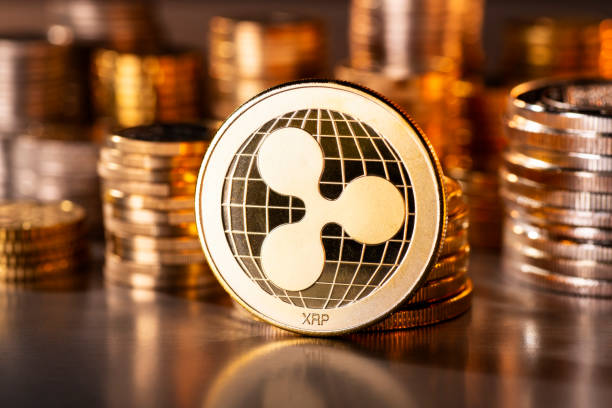
When contextualizing the XRPL fee data, it is necessary to compare it against the broader crypto operating environment. In the Ethereum ecosystem, for example, daily fees often fluctuate in the hundreds of thousands or millions of dollars, depending on the activity of decentralized finance (DeFi) protocols and layer-2 scaling solutions. Bitcoin, meanwhile, commands high fees primarily as a function of its security budget and the demand for block space as a store of value.
The XRPL, by design, operates on a different economic model. Its "burn" mechanism is deflationary, but it is not intended to generate the same level of fee-based revenue as a general-purpose smart contract platform. Therefore, analyzing XRPL through the lens of Ethereum’s fee model may lead to a misinterpretation of its health. Instead, a more accurate assessment would involve looking at transaction counts, active wallet addresses, and the volume of RLUSD and other tokens moving through the ledger. If these metrics remain steady while fees decline, it suggests that the network is simply becoming more efficient or that the mix of transaction types has shifted toward those that require less computational effort to validate.
Strategic Implications for the Ripple Ecosystem
The current data snapshot is a critical component of the daily market conversation, but it must be viewed as one variable in a much larger equation. Ripple’s strategic focus has shifted toward building the infrastructure for the "Internet of Value." This includes the deployment of AI-agent-based payment systems, where machines transact with other machines at high frequency. Such use cases require high throughput and low costs, making the XRPL’s current fee structure a necessary component of its long-term viability for these specific enterprise applications.
Furthermore, the integration of RLUSD is expected to bring new liquidity into the ecosystem. As institutional participants begin to utilize the ledger for treasury management and cross-border settlement, the nature of the transaction fees may change. It is plausible that, as the volume of institutional activity scales, the network will naturally see an increase in fee generation, even if the per-transaction cost remains remarkably low.
What to Watch: Future Indicators
Moving forward, stakeholders should look beyond the headline fee numbers to identify true indicators of health. Specifically, observers should monitor:
- Transaction Count Stability: Are users leaving the network, or are they simply transacting in a more efficient manner?
- Bithomp and Explorer Discrepancies: Cross-referencing data across multiple native explorers will be essential to ensure that the reported fee contraction is a ledger-wide phenomenon rather than an artifact of a single tracking service.
- Institutional Adoption Milestones: Official disclosures from Ripple regarding the adoption of RLUSD and new payment corridors will likely serve as the primary catalysts for future activity growth.
- Protocol Upgrades: Future amendments to the XRPL that introduce new functionality, such as enhanced AMM (Automated Market Maker) features, will likely alter the fee landscape as more complex transactions are executed on-chain.
The editorial consensus at this stage is to remain cautious against over-interpreting short-term fluctuations. In the context of the current crypto market, where infrastructure integrity and utility are being prioritized over speculative momentum, the XRPL’s performance remains a subject of intense interest. The data provided by platforms like DefiLlama serves as a vital tool for transparency, but it is the broader, long-term trend of institutional integration that will ultimately determine the network’s success.
As the industry moves away from the era of hype-driven cycles and toward one defined by tangible utility and verified on-chain performance, the XRP Ledger occupies a unique position. It is a network that has survived the scrutiny of regulators, the volatility of the markets, and the evolution of blockchain technology. Whether the current fee contraction represents a temporary lull or a permanent shift in usage patterns is a question that only time—and continued, objective data collection—can answer. For now, the ledger remains operational, efficient, and firmly entrenched in the infrastructure of the global digital asset economy. Investors and participants should continue to look for, and analyze, follow-up disclosures and on-chain activity reports to form a more complete picture of the network’s trajectory in the months to come.