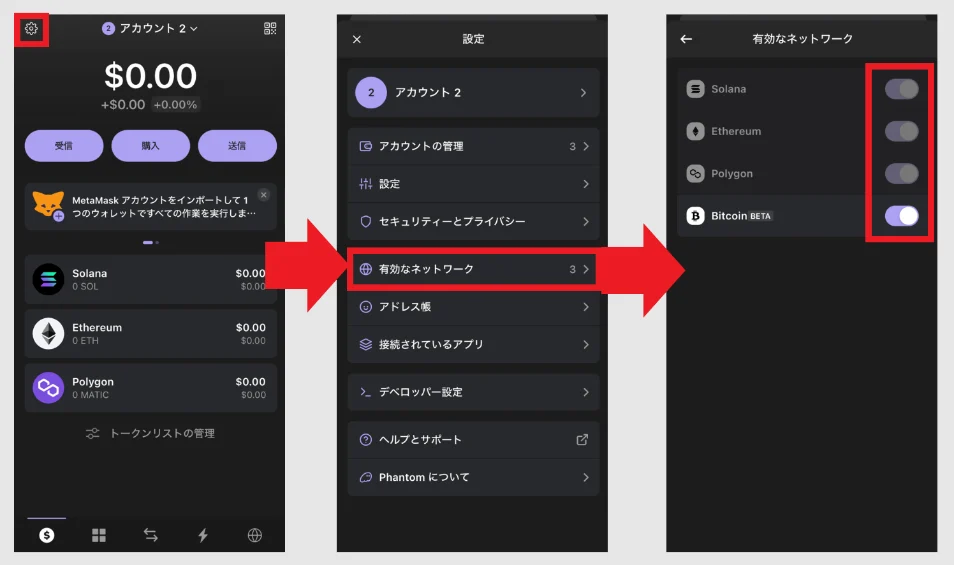
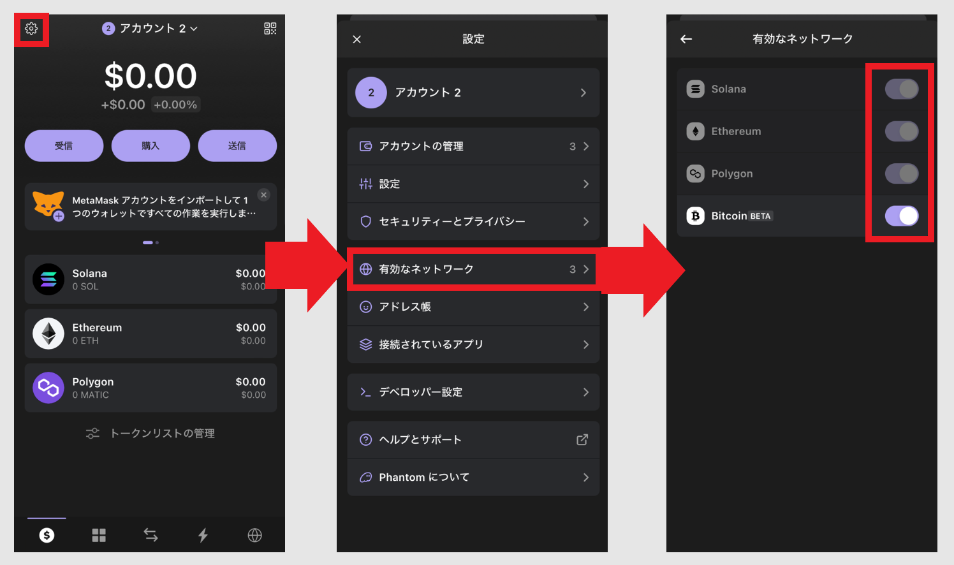
The rapid expansion of decentralized finance (DeFi) and non-fungible tokens (NFTs) has fundamentally transformed the digital asset landscape, placing self-custodial wallets at the core of user interaction. Originally launched in April 2021 as a purpose-built wallet for the Solana blockchain, Phantom Wallet has rapidly evolved into a leading multi-chain digital asset manager. Designed with an emphasis on user experience, high-speed execution, and security, Phantom addresses the traditional complexities of Web3 navigation. By integrating support for multiple high-performance networks—including Solana, Ethereum, and Polygon—Phantom has positioned itself as an essential tool for both novice traders and seasoned crypto enthusiasts. This comprehensive guide explores the core functionalities, installation procedures, security protocols, and advanced features of Phantom Wallet, offering an objective analysis of its role in the modern cryptocurrency ecosystem.
The Evolution and Core Architecture of Phantom Wallet
When Phantom was introduced to the market in early 2021, the Solana ecosystem was experiencing exponential growth, driven by low transaction fees and high throughput. Users demanded a wallet that could match the speed of the underlying network while offering seamless interaction with decentralized applications (dApps). Phantom met this demand by combining robust key management with a clean, intuitive user interface (UI) modeled after popular Web3 standards, yet optimized for high-speed processing.
Unlike custodial exchanges where third parties hold private keys, Phantom operates on a strict self-custodial model. Users retain absolute control over their cryptographic assets and private keys, minimizing counterparty risk. Over the subsequent years, the development team expanded the wallet’s capabilities beyond Solana, incorporating cross-chain bridging, integrated token swapping, and specialized NFT management tools. This strategic evolution transformed Phantom from a single-chain utility into a comprehensive portfolio management hub capable of handling diverse digital assets across leading blockchains.
Step-by-Step Installation and Wallet Creation Guide
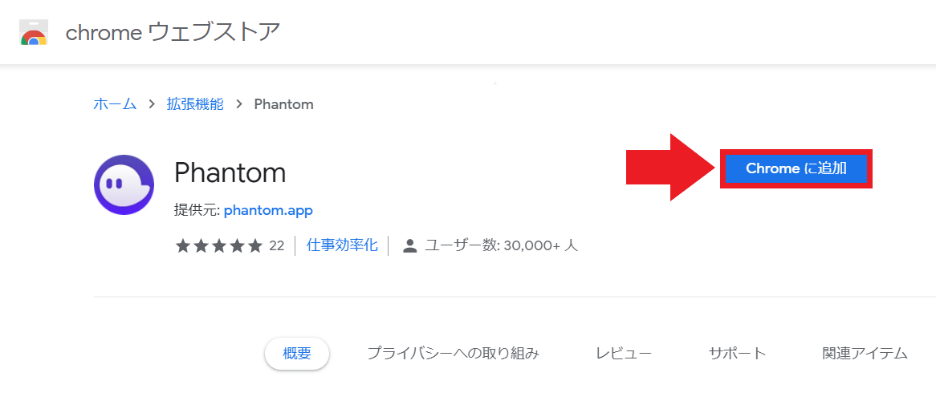
Getting started with Phantom Wallet requires a straightforward installation process tailored for modern web browsers and mobile operating systems. To ensure maximum security and authenticity, users should always download the application through official channels, such as the Google Chrome Web Store for desktop extensions or the official iOS and Android application stores.
- Extension Installation: Navigate to the official Chrome Web Store or Phantom’s primary website. Select the option to add the extension to your compatible browser (such as Google Chrome, Brave, or Microsoft Edge).
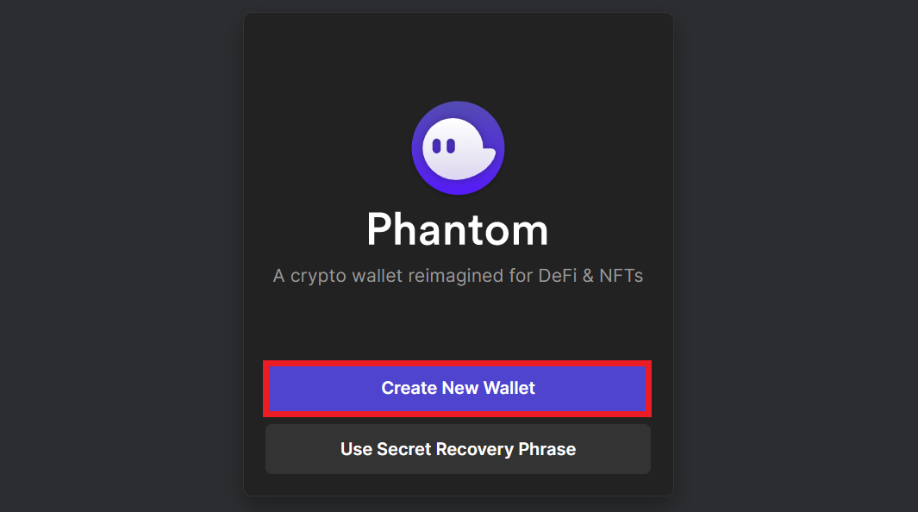
- Wallet Initialization: Upon installation, the browser will open a welcome tab presenting two primary options: "Create New Wallet" or "I already have a wallet." For new users, selecting "Create New Wallet" initiates the setup sequence.
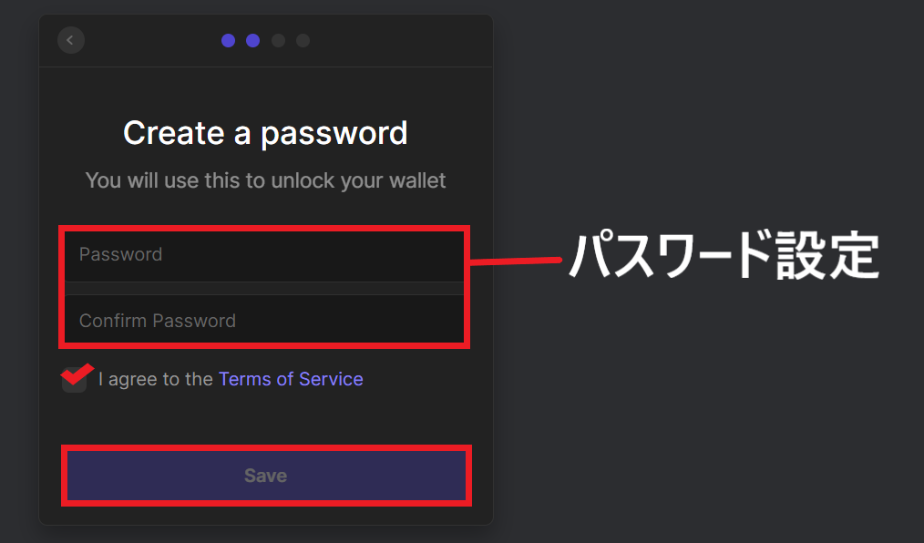
- Password Configuration: Users must establish a strong, unique password. This password encrypts the local wallet data on the device, ensuring that unauthorized local users cannot access the application interface without authorization.
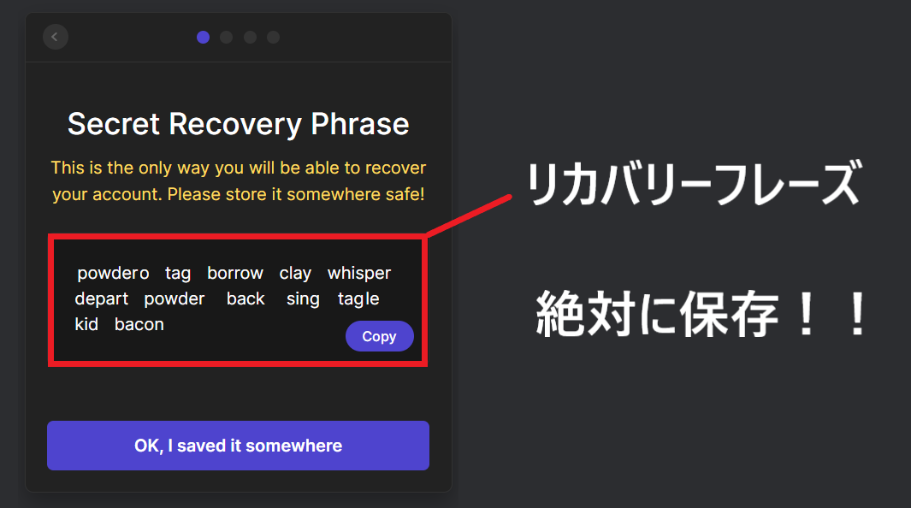
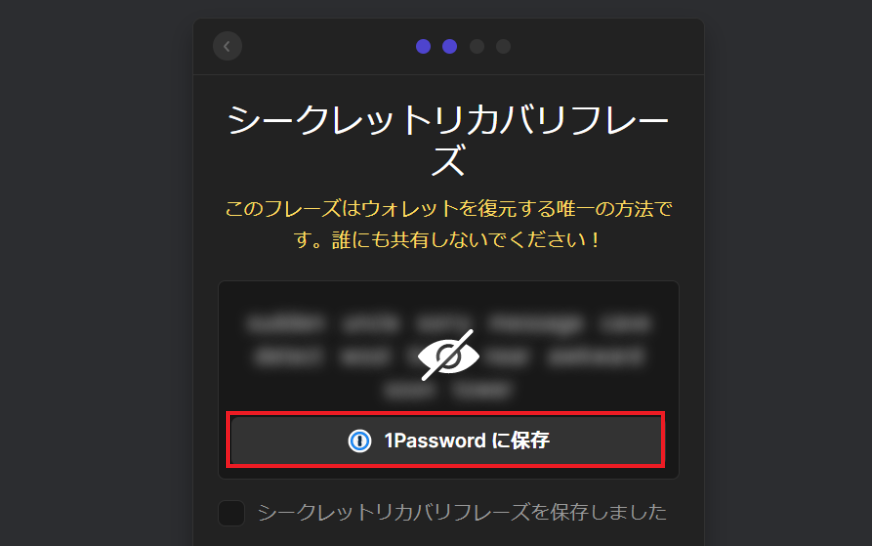
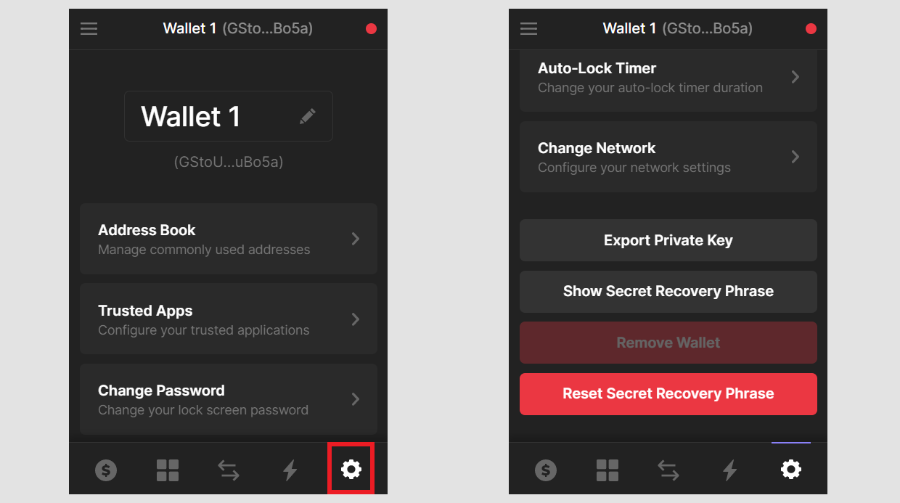
- Secret Recovery Phrase Backup: The system generates a unique 12-word or 24-word Secret Recovery Phrase (also known as a seed phrase). This phrase is the cryptographic master key required to recover funds if the device is lost or damaged. Users must record these words physically on paper, store them in a secure offline location, and confirm the sequence within the app. Under no circumstances should digital screenshots or cloud backups of the recovery phrase be saved, as digital exposure compromises ultimate security.
- Account Finalization: Once the recovery phrase is verified, the wallet installation is complete. Users can immediately access their main dashboard, where balances, transaction history, and integrated features are displayed.
Advanced Security Protocols and Key Management
Security remains the paramount concern within the decentralized finance sector. Phantom Wallet incorporates industry-standard cryptographic safeguards while offering integration with hardware security keys and password managers like 1Password to streamline credential management without sacrificing safety.
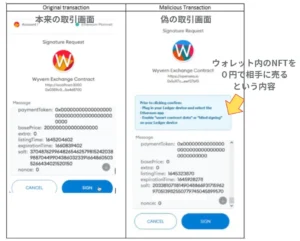
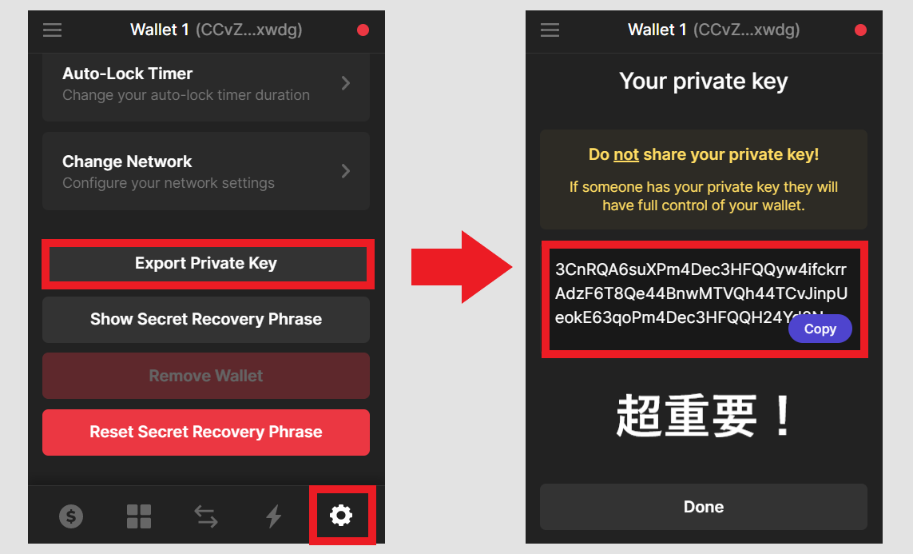
A critical aspect of wallet security is understanding the distinction between public keys and private keys. A public key functions similarly to a bank account number; it can be shared freely to receive funds, view transaction history, or interact with dApps. Conversely, a private key or secret recovery phrase acts as the digital signature authorizing transactions and proving ownership of assets. If a malicious actor gains access to a private key, they gain total control over the associated funds.
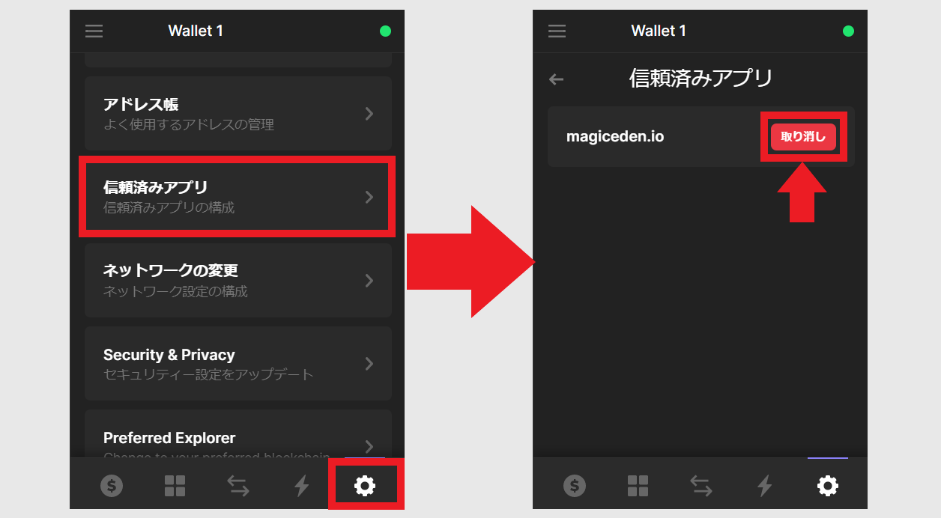
To mitigate authorization risks, Phantom provides built-in tools for managing permissions and revoking smart contract approvals. Over time, active Web3 users frequently grant dApps permission to interact with or spend specific tokens. If a dPapp is compromised, these lingering approvals can pose severe security risks. Phantom’s revocation features allow users to audit active smart contract approvals and revoke unnecessary permissions directly within the interface, aligning with best practices for proactive asset protection.
Managing Cryptocurrencies: Receiving, Sending, and Storing Digital Assets
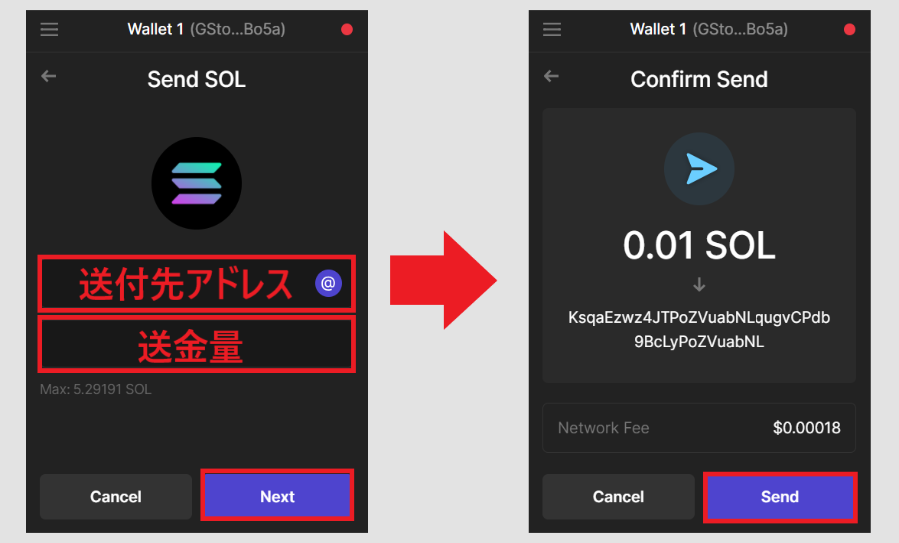
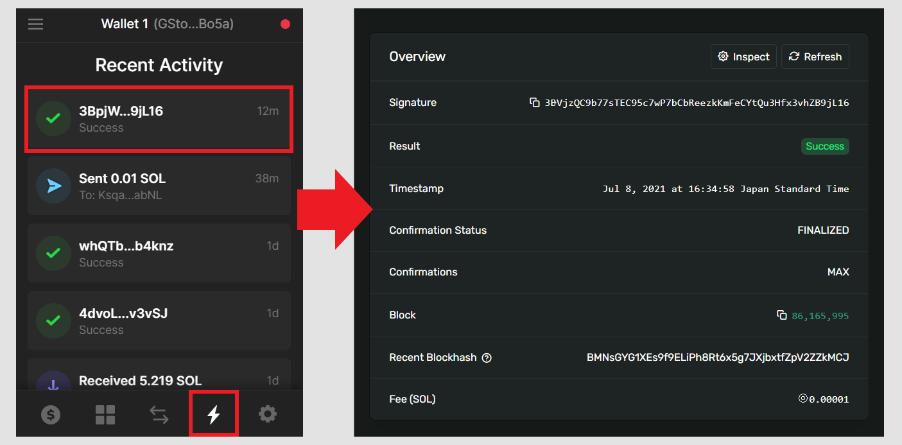
Phantom Wallet streamlines the fundamental mechanics of sending and receiving cryptocurrencies across supported networks. The interface is engineered to reduce transaction friction while maintaining rigorous confirmation steps to prevent user error.
Receiving Assets
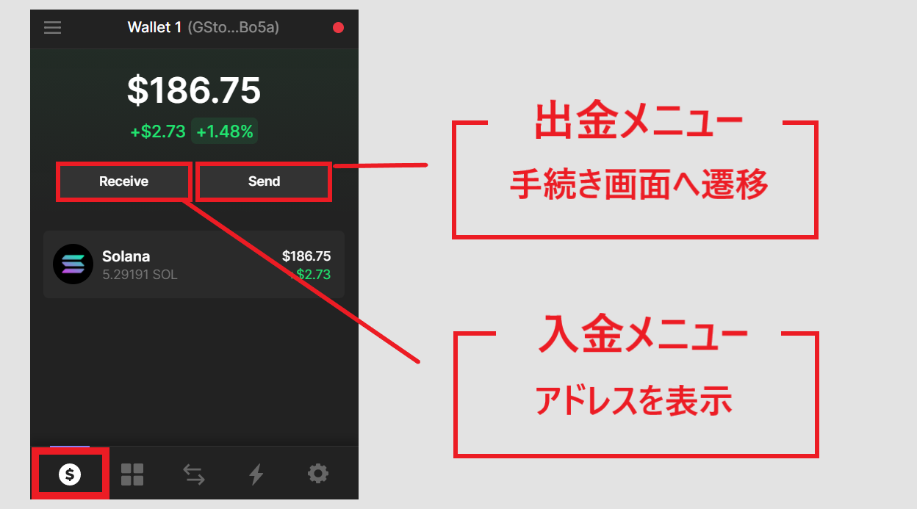
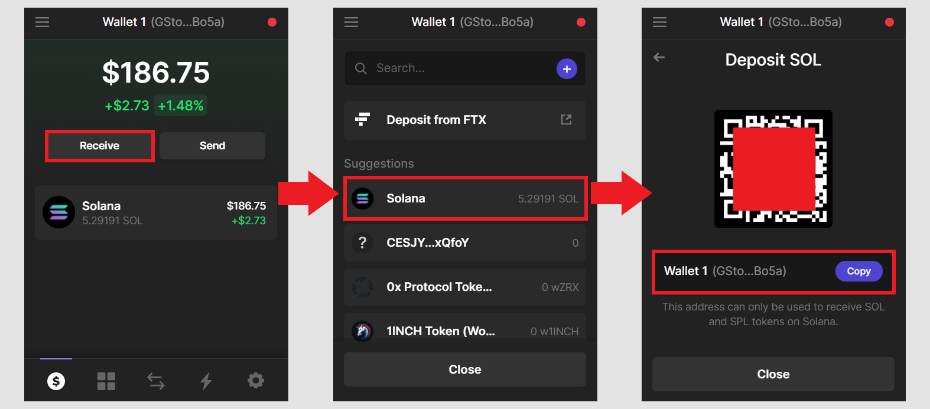
To receive funds, users select the "Receive" option within the dashboard. The application displays the specific public address and a corresponding QR code for the chosen network. Users can copy the address or scan the QR code using an external wallet or exchange. Because different blockchains utilize distinct address formats, users must ensure they select the correct network (e.g., Solana, Ethereum, or Polygon) before initiating a transfer to prevent permanent loss of funds.
Sending Assets
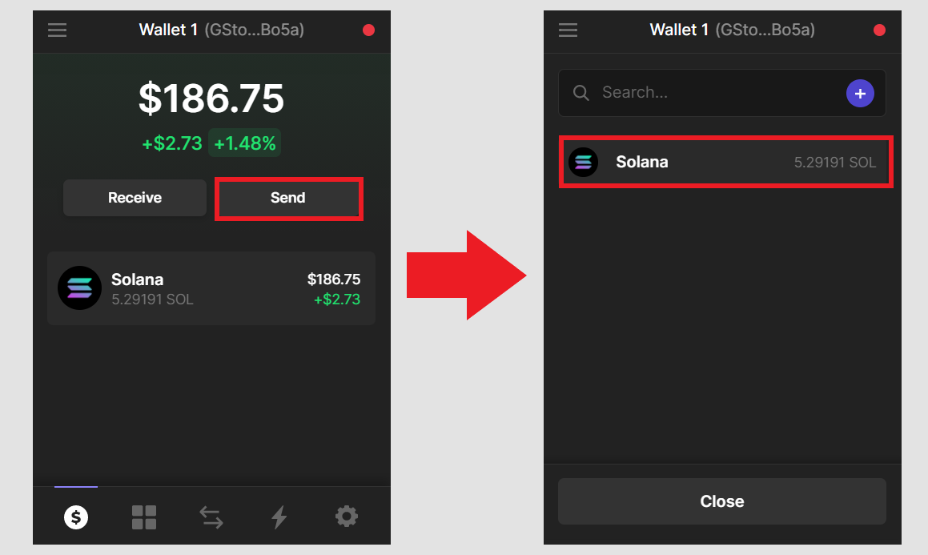
Executing outbound transfers involves selecting the "Send" function, designating the recipient’s public address, specifying the asset type, and inputting the desired amount. Phantom calculates estimated network fees in real-time, allowing users to review transaction costs before final authorization. Once confirmed with the user’s password or biometric authentication, the transaction is broadcast to the network for validation.
Staking SOL for Passive Yield
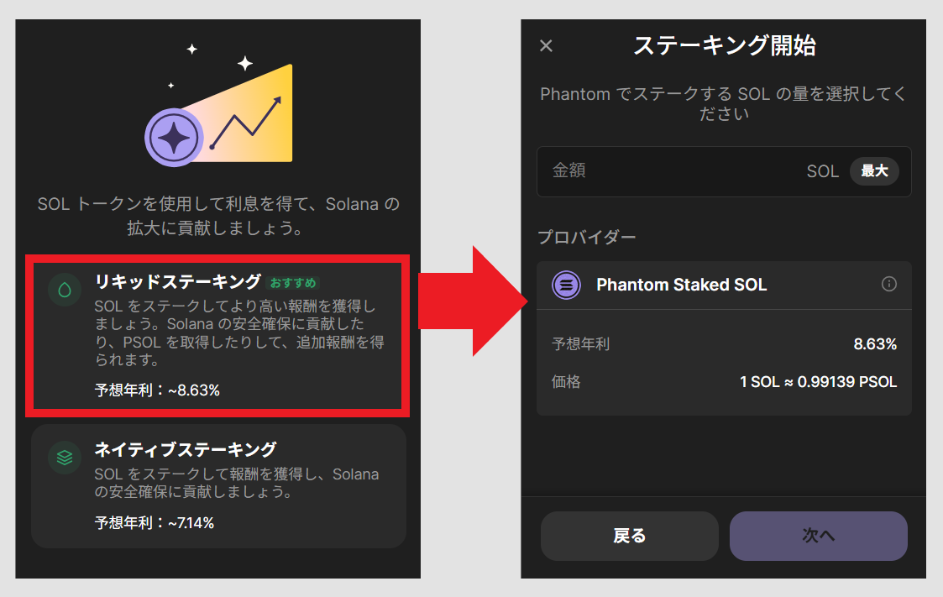
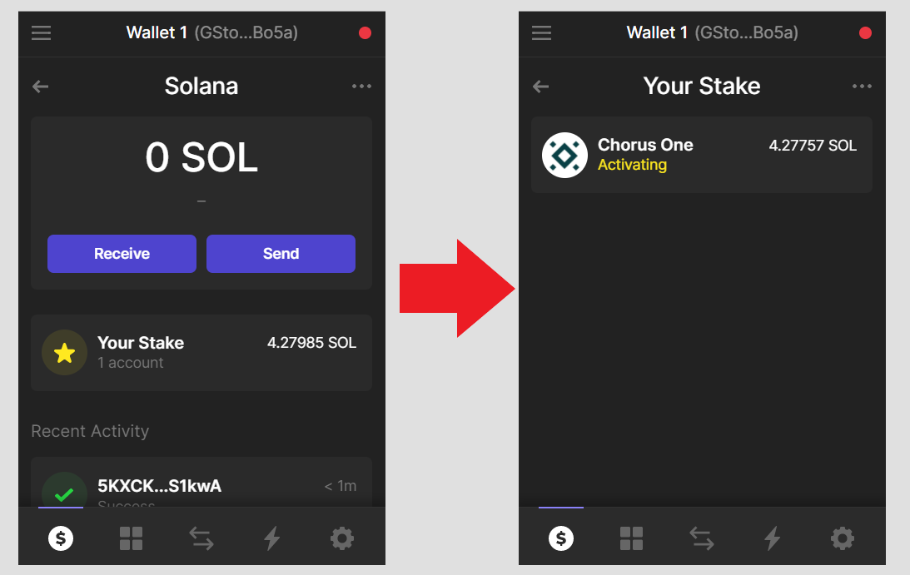
One of Phantom’s most popular native features is the ability to stake Solana (SOL) directly within the wallet interface. Staking allows token holders to earn passive rewards by supporting the security and consensus mechanism of the Solana blockchain, all without relinquishing custody of their assets.
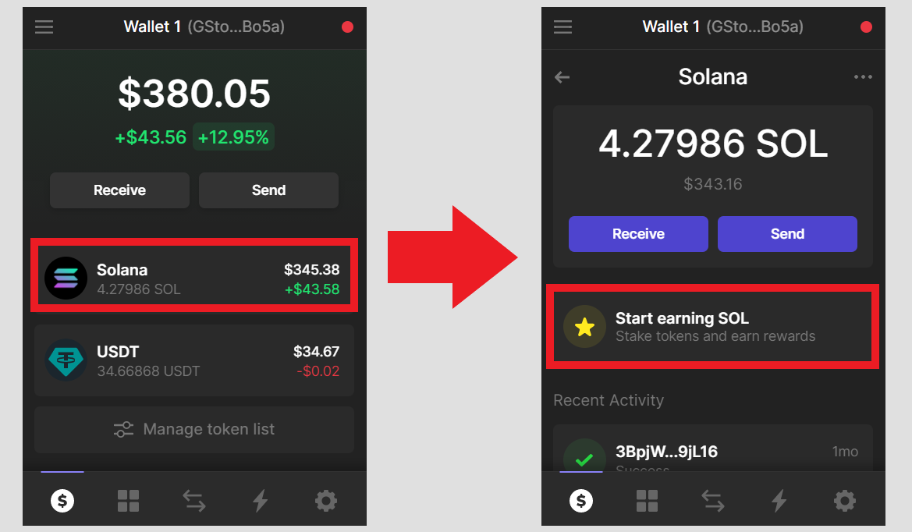
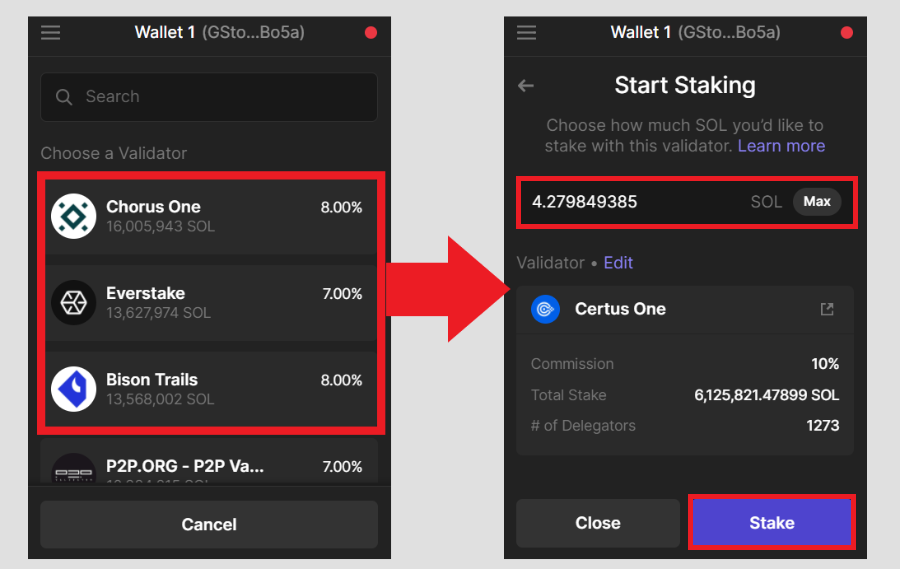
By navigating to the SOL balance within the dashboard and selecting "Start earning SOL," users are presented with a list of vetted validator nodes. Staking yields fluctuate based on overall network participation and validator performance, but the process is entirely non-custodial. Users retain full ownership of their staked SOL while accumulating rewards dynamically over time. Unstaking is similarly straightforward, though withdrawals typically require a brief cooling-off period spanning a few network epochs before funds become liquid again.
Comprehensive NFT Storage and Marketplace Integration
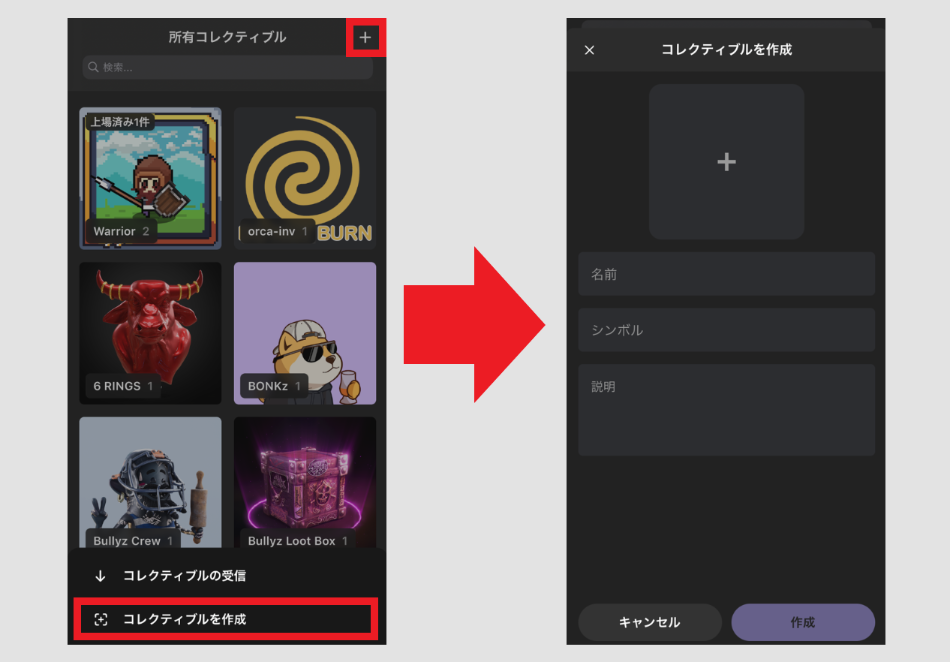
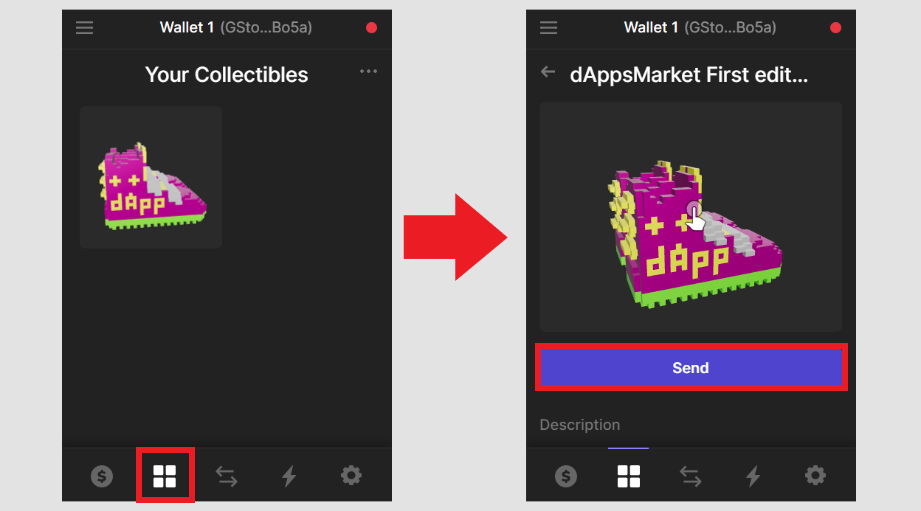
Phantom Wallet was among the first major digital wallets to recognize the cultural and economic significance of non-fungible tokens. The application features a dedicated, highly visual tab explicitly designed for NFT storage, organization, and trading.
Rather than displaying NFTs as a generic list of transaction hashes, Phantom renders high-resolution artwork, gaming assets, and digital collectibles directly inside the user interface. Users can view metadata, floor prices, and collection details without navigating to external platforms.
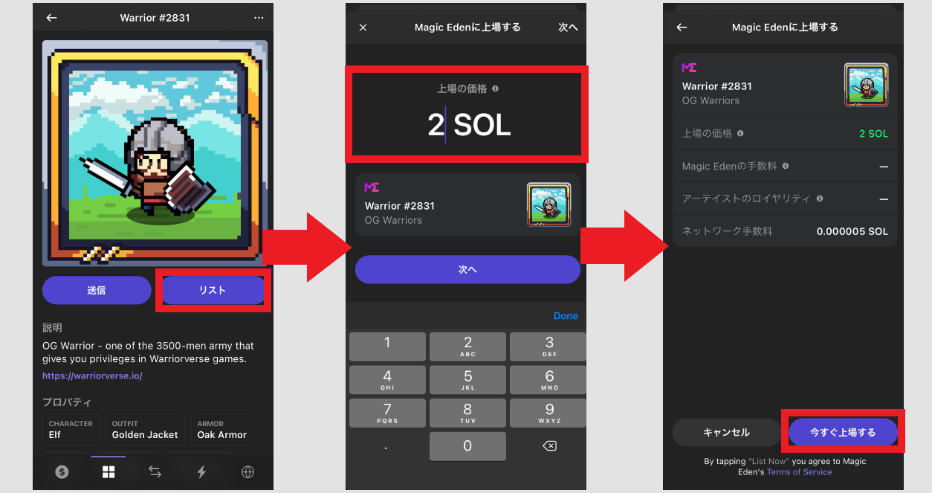
Furthermore, Phantom integrates natively with Magic Eden, the leading NFT marketplace on Solana. This integration allows users to buy, sell, make offers, and sweep floor prices directly from their wallet interface. The inclusion of compressed NFTs (cNFTs)—a scalable technology developed on Solana that significantly reduces the cost of minting large collections—further enhances Phantom’s utility for high-volume collectors and creators alike.
Cross-Chain Swaps and Advanced Trading Features

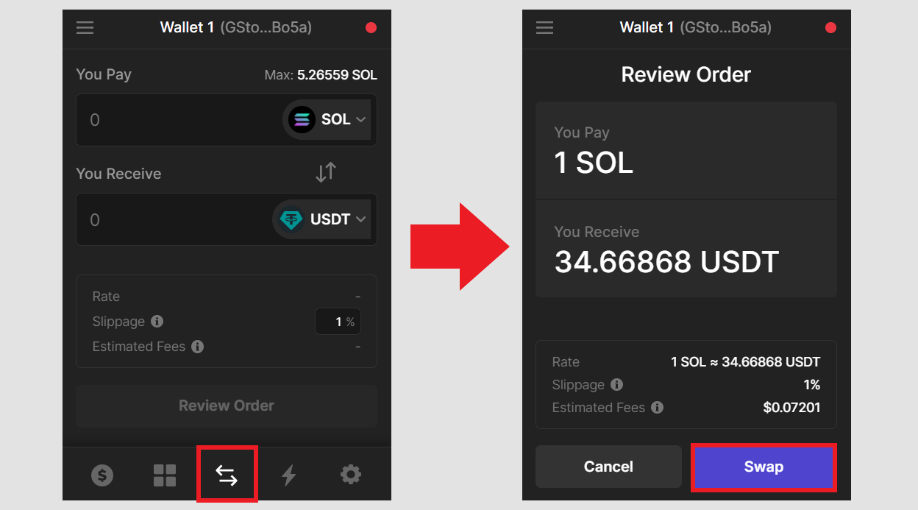
Beyond basic asset management, Phantom functions as a robust decentralized exchange (DEX) aggregator. The built-in Swap feature allows users to exchange tokens natively within the wallet without needing to connect to external centralized exchanges or decentralized trading platforms.
The Swap tool routes transactions across multiple liquidity sources to secure the best available market prices with minimal slippage. Whether exchanging Solana-based tokens or interacting with cross-chain assets on Ethereum and Polygon, the interface provides transparent fee structures and execution estimates.
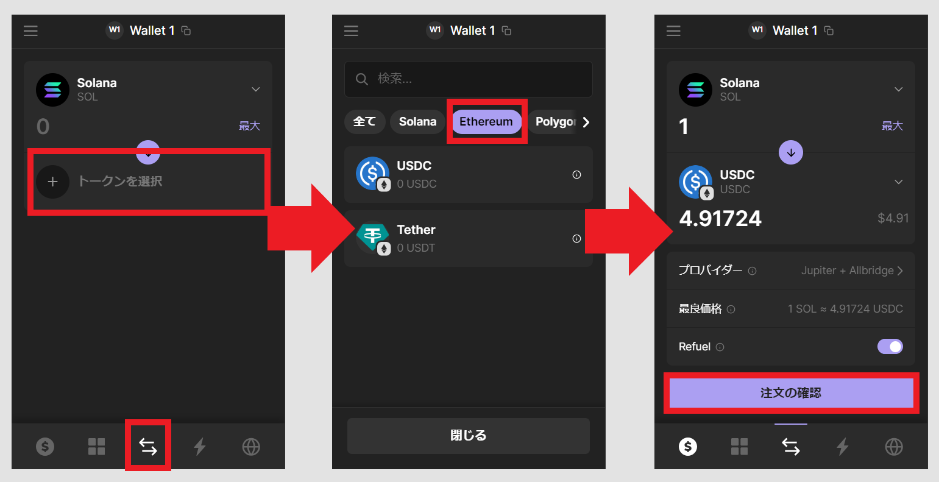
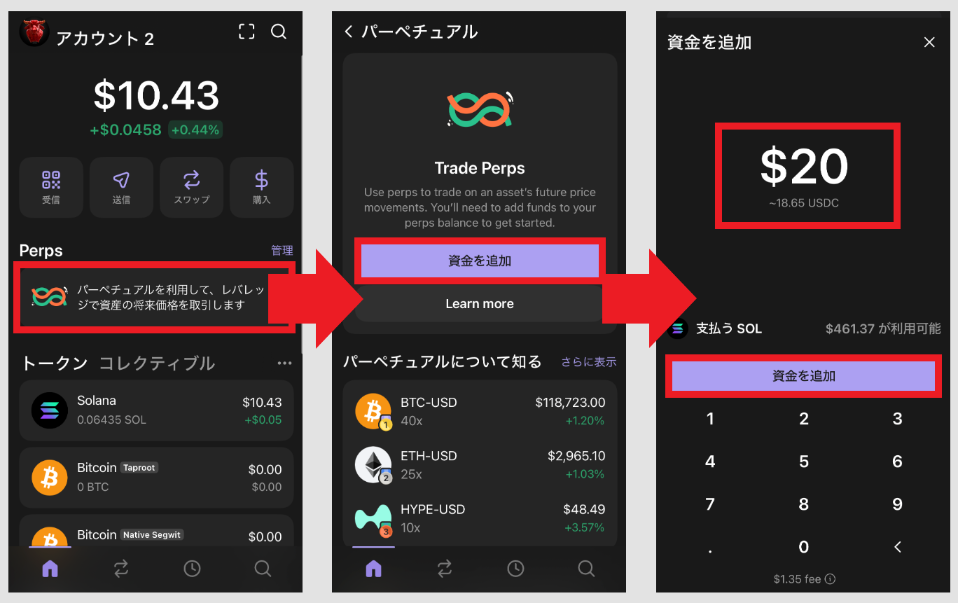
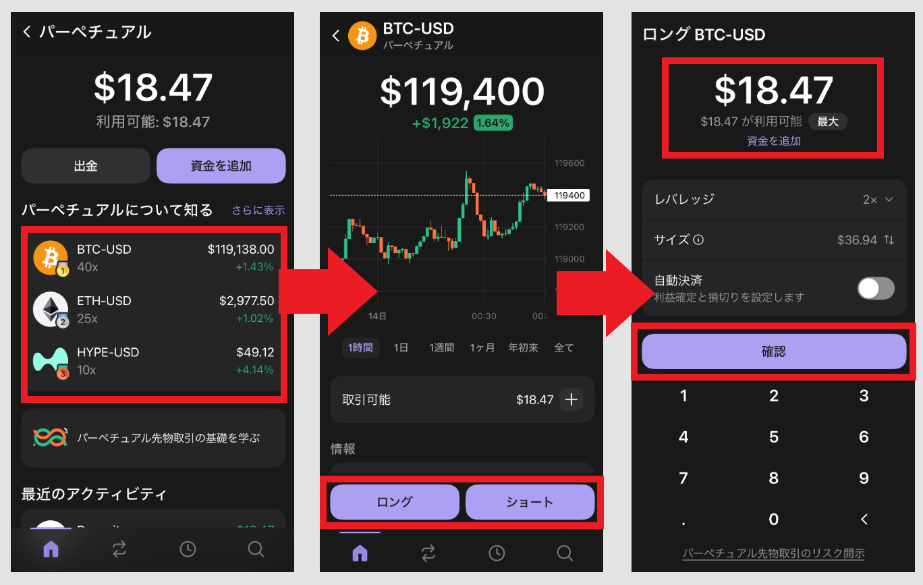
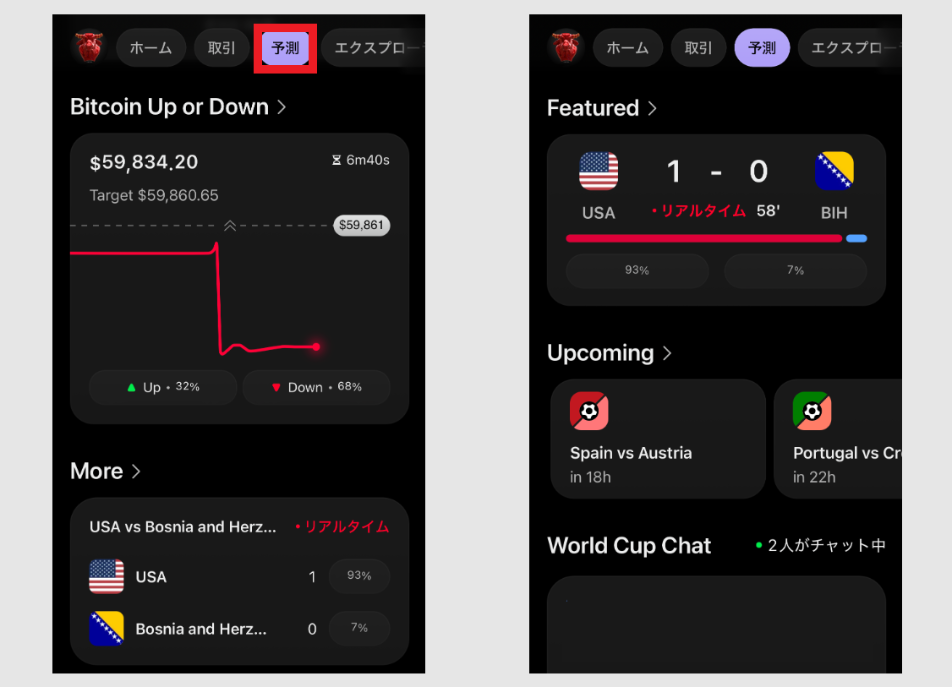
Additionally, Phantom has expanded into advanced trading verticals, including integrations with perpetual decentralized exchanges like Hyperliquid. This enables users to access high-leverage trading directly from their self-custodial environment, bridging the gap between basic wallet functionality and professional-grade financial tooling.
Implications and Future Outlook
The rapid ascent of Phantom Wallet underscores a broader shift in financial technology: the migration toward non-custodial, multi-chain infrastructure that prioritizes user experience without compromising security. By bridging the once-fractured ecosystems of Solana, Ethereum, and Polygon into a single interface, Phantom has effectively lowered the barrier to entry for mainstream cryptocurrency adoption.
As regulatory frameworks evolve and decentralized applications become increasingly sophisticated, the role of the digital wallet will continue to expand from a simple storage mechanism to the foundational operating system of Web3. Through continuous security enhancements, cross-chain expansion, and intuitive interface design, Phantom Wallet remains a benchmark for digital asset management in the modern financial era.