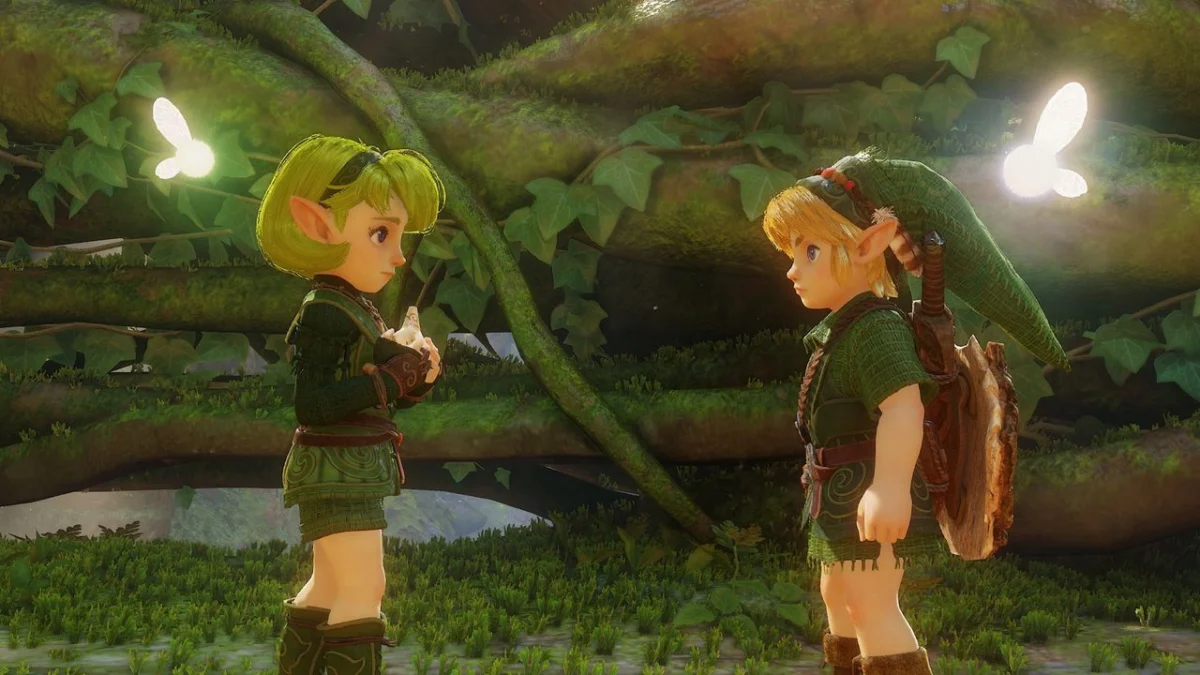
The long-rumored and highly anticipated modern reimagining of one of the most critically acclaimed video games in history has finally been officially unveiled. Nintendo has confirmed that The Legend of Zelda: Ocarina of Time is receiving a full, ground-up remake tailored specifically as an exclusive title for its successor hardware, provisionally and widely referred to as the Switch 2. Scheduled for a worldwide release on November 5, 2026, the project was showcased during the recent Nintendo Zelda 40th Anniversary Direct broadcast, moving past mere HD remastering to offer a completely modernized visual and interactive experience.
Series producer Eiji Aonuma described the project during the anniversary presentation as a "faithful interpretation using modern technologies." Far from a simple resolution bump or texture polish, the upcoming release rebuilds Hyrule entirely from the ground up, incorporating contemporary graphics rendering standards, dynamic lighting systems, and overhauled character models. While initial community reactions have spanned from deep admiration for the environmental fidelity to lighthearted debate over the updated rendering of Young Link’s facial features, the commercial momentum and public attention surrounding the title are already substantial.
Background Context and Historical Significance
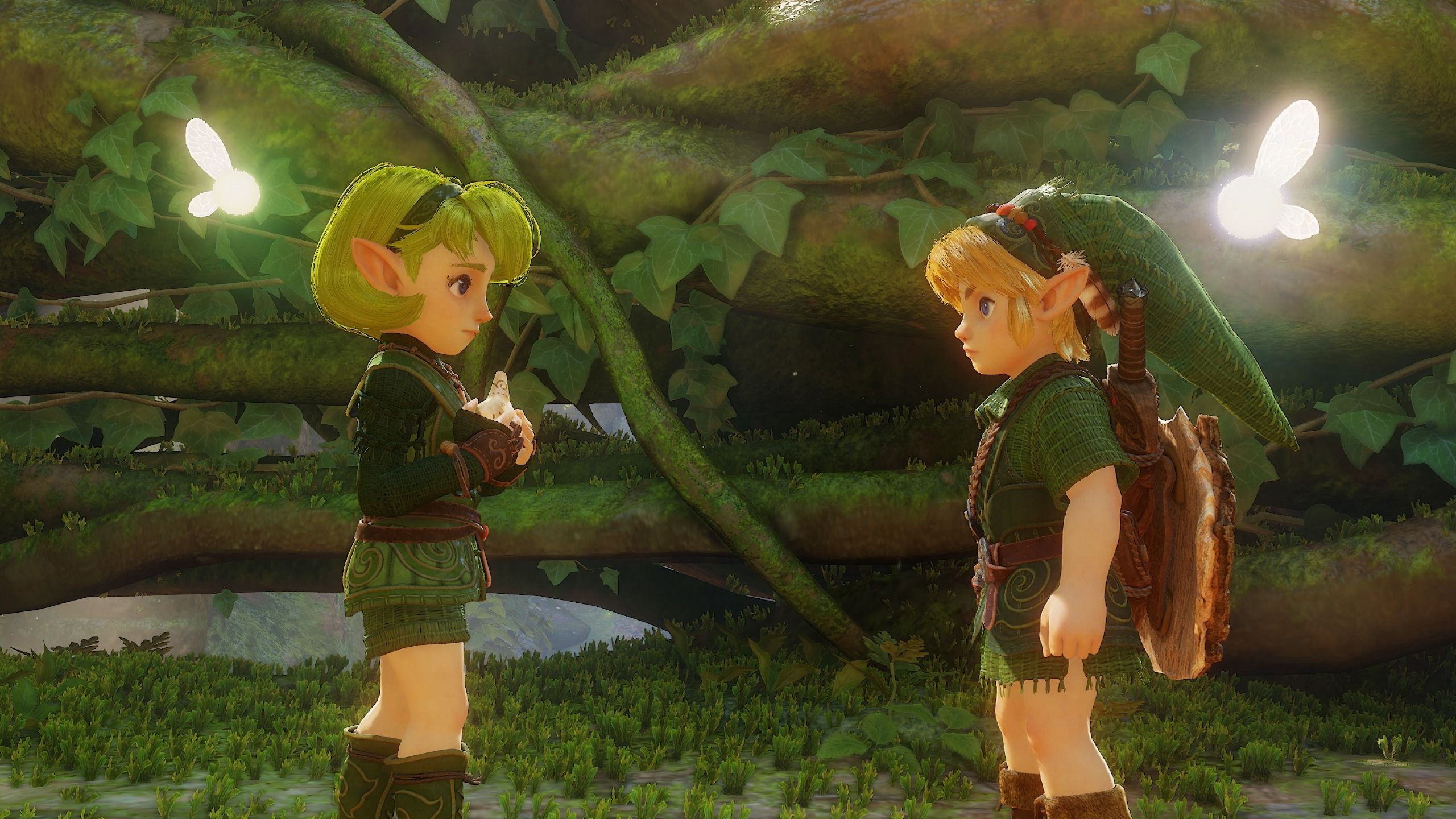
Originally launched in 1998 for the Nintendo 64, the original Ocarina of Time holds a monumental status within the interactive entertainment industry. Widely recognized for pioneering the 3D action-adventure genre, the title introduced foundational gameplay mechanics that became industry standards, including the "Z-targeting" camera lock-on system, context-sensitive button actions, and seamless cinematic storytelling within a 3D space.
Over the decades, the game has seen several re-releases, most notably a 2011 stereoscopic 3D remaster for the Nintendo 3DS developed by Grezzo. However, those iterations focused primarily on preserving the original geometry while enhancing textures and frame rates. The newly announced 2026 project represents the first time the title has been subjected to a complete, contemporary generational remake, placing it alongside other major franchise overhauls like The Legend of Zelda: Link’s Awakening on the Nintendo Switch, albeit with a vastly more realistic and ambitious artistic direction.
Technical Upgrades and New Gameplay Mechanics
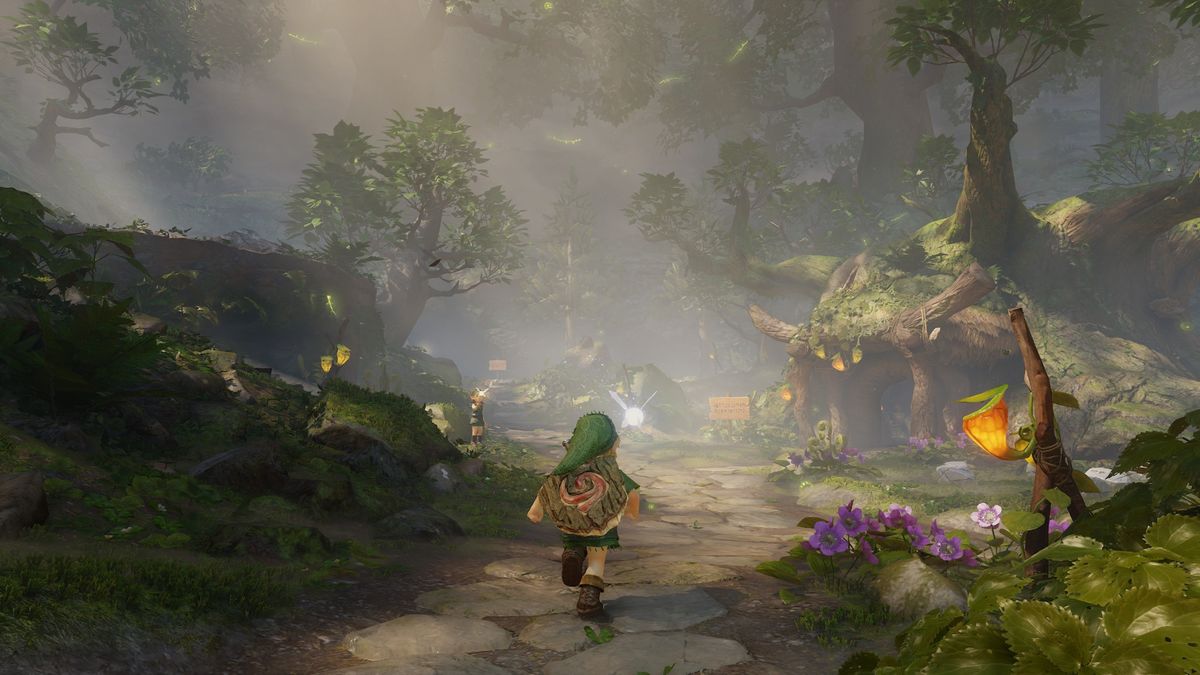
The graphical overhaul utilizes advanced rendering techniques previously unseen in mainline Zelda releases scaled for Nintendo hardware. Trailers and promotional stills reveal intricate soft-shadow mapping, physically based rendering (PBR) for materials like stone, metal, and foliage, and vastly expanded draw distances that bring new life to iconic locations such as Hyrule Field, Kakariko Village, and the Lost Woods.
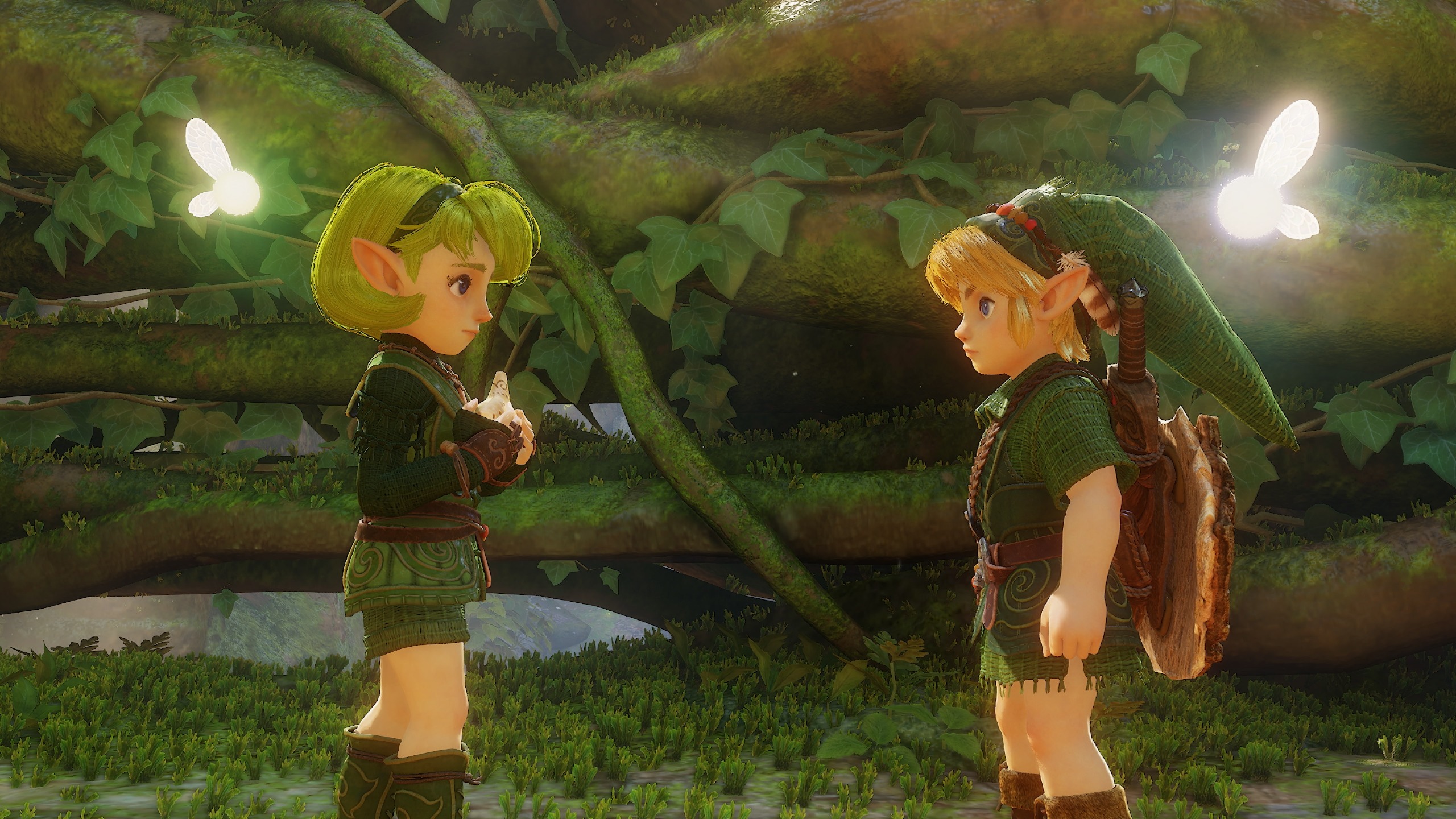
Beyond the visual enhancements, Nintendo has integrated hardware-specific features unique to the Switch 2 ecosystem. Among the most discussed additions is an interactive mechanic that utilizes the console’s upgraded built-in microphone array. Players will be able to actively hum or blow into the microphone to play melodies on Link’s iconic ocarina, blending traditional controller inputs with motion and audio-detection features.
Furthermore, technical specifications released alongside the announcement confirm that the physical release will be distributed on a high-capacity cartridge containing the entire estimated 27-gigabyte game file. This decision has been met with significant approval from physical media collectors and preservationists, as it ensures the game is fully self-contained on the physical medium without requiring mandatory digital patches or external download codes for core playability.
Pricing and Regional Availability
Nintendo has structured the pricing tiers similarly to other flagship next-generation releases. The physical edition of The Legend of Zelda: Ocarina of Time will retail for $69.99 USD / £54.99 GBP, while the digital version distributed via the Nintendo eShop will be priced at $59.99 USD.
Ahead of the November 2026 launch, major international retailers have initiated pre-order campaigns. In the United States, prominent vendors such as Amazon and Walmart have introduced competitive early promotional pricing, listing the physical edition at $59.88. In the United Kingdom, high-street and online retailers including Smyths Toys, Argos, and Currys have opened pre-orders, with select vendors offering minor launch discounts.
For dedicated collectors and franchise purists, the official Nintendo UK online store has introduced an exclusive pre-order bundle featuring high-quality 3D physical replicas of the Spiritual Stones—Kokiri’s Emerald, Goron’s Ruby, and Zora’s Sapphire—driving high demand and rapid initial allocation numbers.
Industry Implications and Market Analysis
The release of Ocarina of Time on the Switch 2 serves multiple strategic purposes for Nintendo. Analysts note that positioning a premier, globally recognized intellectual property as a major exclusive for the hardware’s early lifecycle is designed to solidify consumer adoption rates and validate the technical capabilities of the successor console.
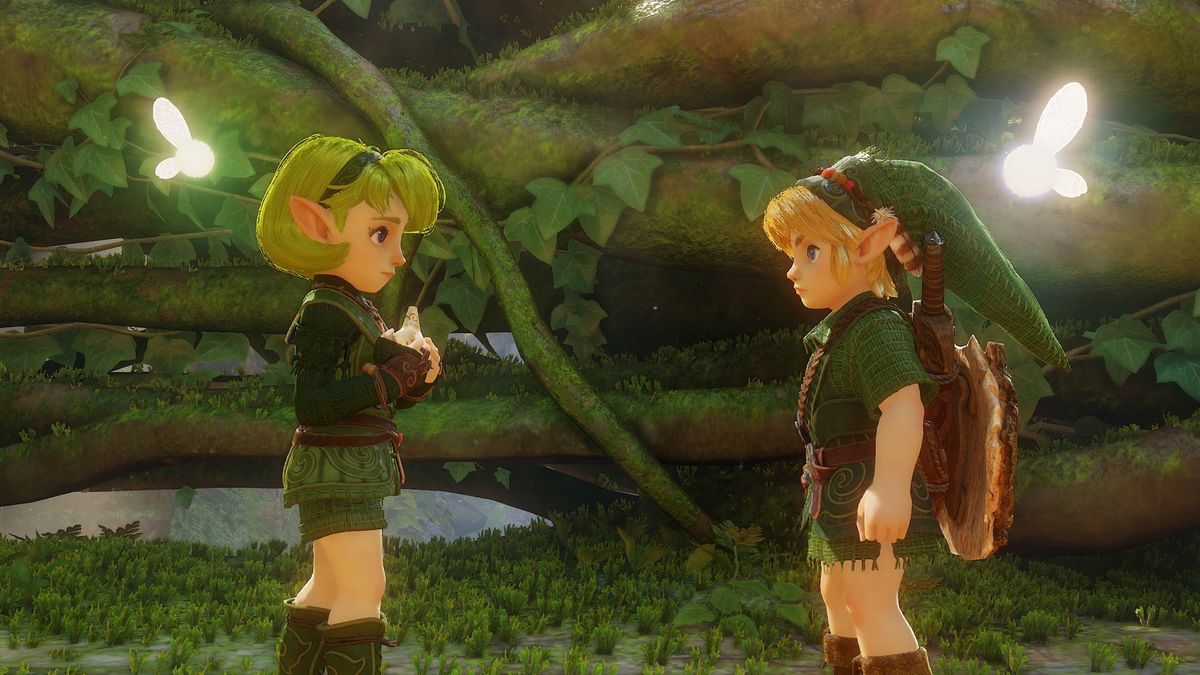
By bridging a nostalgic touchstone with contemporary hardware performance, Nintendo is attempting to capture both aging demographics who experienced the 1998 original and younger audiences accustomed to modern graphical fidelity. The success of this project could establish a template for how the company handles future legacy titles within its expansive catalog.
As the industry counts down to the November 5, 2026 release date, the title remains one of the most heavily scrutinized and anticipated software launches of the decade. Whether viewed as an exciting technological leap or a bold reinterpretation of a sacred text in gaming history, The Legend of Zelda: Ocarina of Time is poised to dominate cultural conversations upon its arrival.