The architecture of the internet is undergoing a profound structural transformation, moving away from the centralized, corporate-controlled models of the last two decades toward a decentralized framework commonly referred to as Web3.0. This shift represents more than a mere technical upgrade; it signifies a fundamental change in how digital assets, personal data, and online interactions are managed, owned, and distributed. As traditional tech giants face increasing scrutiny over privacy and data sovereignty, the decentralized web has emerged as a critical focal point for developers, investors, and policymakers globally.

The Chronology of Digital Evolution: From Web1.0 to Web3.0
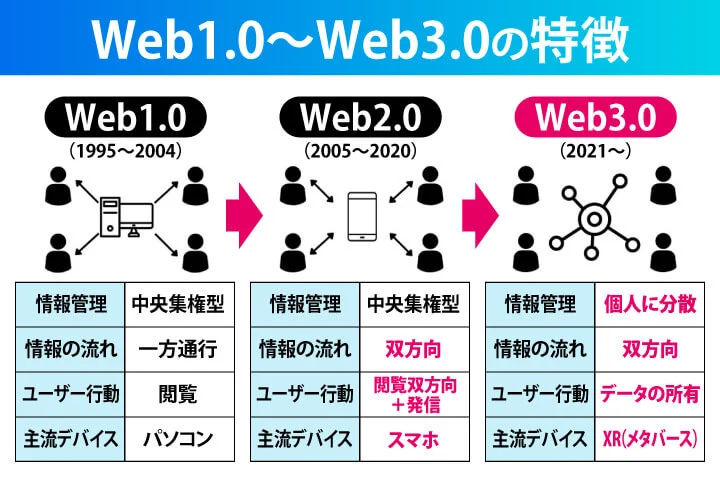
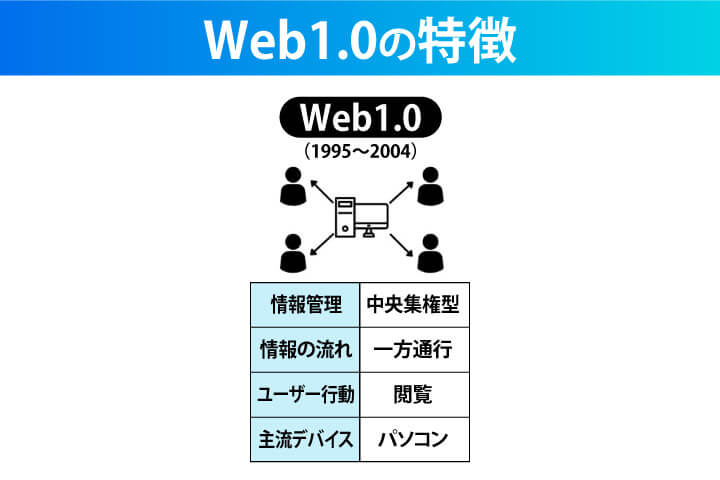
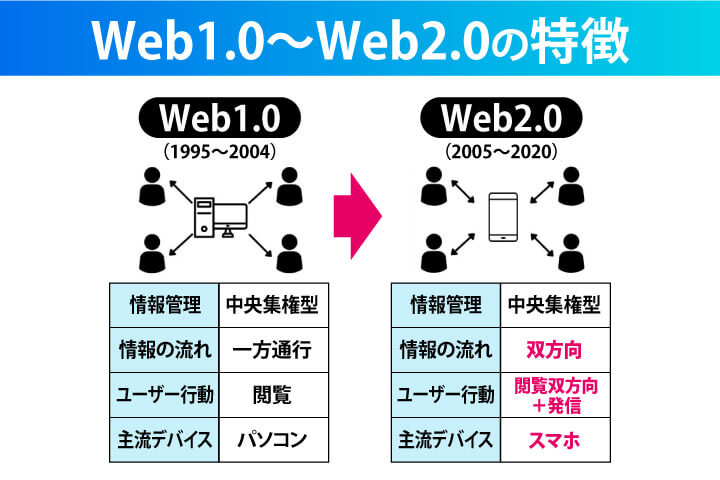
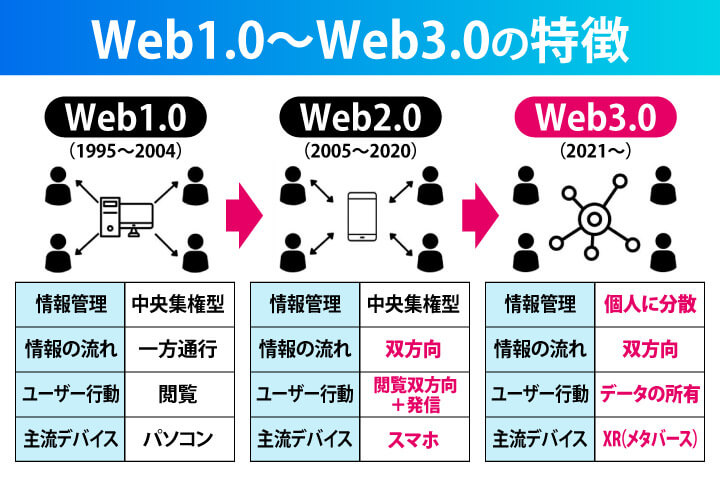
To understand the current trajectory, one must examine the progression of the internet through its three primary iterations. The era of Web1.0, spanning roughly from 1995 to 2004, was defined by static, read-only content. During this period, the internet functioned as a vast, decentralized library. Users primarily consumed information hosted on individual servers, with little to no interaction between the audience and the content creators. It was a digital "Wild West" where the primary utility was the democratization of information retrieval, powered by early browser technology such as Netscape Navigator and the foundational release of Windows 95, which brought connectivity to the masses.
The transition to Web2.0, beginning around 2005, introduced the era of user-generated content and social connectivity. This period saw the rise of platforms like Facebook, Twitter, and YouTube, which transformed the user from a passive observer into an active contributor. While Web2.0 fostered unprecedented global communication, it also centralized control. In this model, platform providers act as intermediaries, harvesting vast amounts of user data to monetize through targeted advertising. Consequently, the user became the product, and digital identity became inextricably linked to proprietary, closed-loop ecosystems.

Web3.0 seeks to rectify the imbalances of the Web2.0 era by leveraging blockchain technology to restore autonomy to the user. By utilizing distributed ledger technology, Web3.0 enables "read-write-own" functionality. In this paradigm, users can participate in the governance of protocols, own their digital identities, and monetize their data without relying on a central authority.

Core Pillars of the Web3.0 Ecosystem
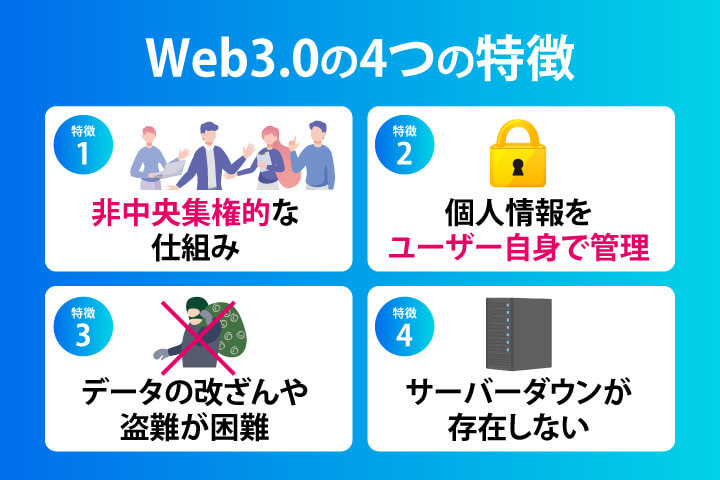
The transition to Web3.0 is built upon four foundational pillars that distinguish it from its predecessors:

- Decentralized Infrastructure: Unlike Web2.0, where services are hosted on centralized server farms owned by major cloud providers, Web3.0 relies on decentralized networks of nodes. This ensures that no single entity can censor content or shut down services arbitrarily.
- Data Sovereignty: In a Web3.0 environment, users maintain control over their personal information through digital wallets and self-sovereign identity solutions. This minimizes the risk of mass data breaches and prevents the non-consensual exploitation of user behavior.
- Tokenized Incentives: The integration of cryptographic tokens allows for new economic models where contributors, developers, and users are rewarded for their participation. This aligns the incentives of the network with the individuals who sustain it.
- Interoperability: Web3.0 protocols are designed to communicate across different chains and applications, breaking down the "walled gardens" that define contemporary social media and e-commerce platforms.
The Role of Blockchain and Smart Contracts
At the heart of this transition is the smart contract—a self-executing agreement with the terms of the contract directly written into lines of code. Smart contracts eliminate the need for traditional intermediaries, such as banks or legal firms, to verify transactions. By automating processes, they increase efficiency and reduce the costs associated with trust-based transactions.

The implications for this technology extend well beyond finance. In the creative industry, for example, non-fungible tokens (NFTs) allow artists to maintain ownership of their work and receive royalties automatically whenever their assets are sold on the secondary market. In the gaming industry, players can own in-game items as true digital assets that can be traded or sold outside the game’s environment, effectively creating new digital economies.

Economic and Societal Implications
The shift toward Web3.0 is not without significant challenges. Critics frequently point to the volatility of cryptocurrency markets, the energy consumption of certain consensus mechanisms, and the complexity of user interfaces as barriers to mass adoption. Furthermore, the lack of centralized oversight poses questions regarding consumer protection, illegal activity, and regulatory compliance.
However, proponents argue that these are "growing pains" inherent in the early stages of a technological revolution. Financial analysts note that institutional interest in blockchain technology has surged, with major venture capital firms and global corporations investing billions into Web3.0 infrastructure. This influx of capital is driving the development of more user-friendly interfaces, scalable networks, and robust security frameworks designed to mitigate the risks associated with decentralized systems.

Regulatory Landscape and Future Outlook
The global regulatory environment remains in flux as governments attempt to balance innovation with public safety. In the United States, the European Union, and parts of Asia, policymakers are actively drafting frameworks to define how digital assets should be classified and taxed. The goal is to provide a clear legal path for developers while ensuring that the decentralized nature of these networks does not facilitate money laundering or other illicit activities.
The consensus among industry leaders is that the future of the internet will likely be a hybrid model. While core infrastructure will move toward decentralized protocols, user-facing applications will continue to evolve to meet the high standards of convenience and performance that consumers have come to expect. The focus is shifting toward "invisible" Web3, where users benefit from the security and ownership features of the blockchain without necessarily needing to interact directly with complex technical protocols.
Conclusion: A Paradigm Shift in Connectivity
The evolution from the static pages of 1995 to the hyper-connected, centralized platforms of the 2010s has now arrived at a new frontier. Web3.0 represents a reclamation of digital space. By placing power back into the hands of the individual, the decentralized web challenges the fundamental power dynamics of the information age. While the path to widespread adoption is complex and fraught with technical and regulatory hurdles, the potential to create a more equitable, transparent, and resilient internet is driving an unprecedented wave of innovation.
As we move forward, the success of Web3.0 will be determined not just by the sophistication of its underlying code, but by its ability to provide tangible, real-world value to the global population. The transition is underway, and the architects of the new digital economy are already laying the foundation for an internet that is owned by its users, rather than its landlords.