The operational landscape of Bitcoin mining has shifted from a race for raw computing power to a sophisticated exercise in energy efficiency and marginal utility. At the heart of this evolution is the relationship between frequency and voltage within Application-Specific Integrated Circuit (ASIC) hardware, a pairing that defines the "profile" of a miner. A profile represents a specific configuration where the clock speed (frequency) of the mining chips is matched with a corresponding electrical pressure (voltage) to ensure stable operation. For modern mining enterprises, the ability to manipulate these variables through custom firmware like LuxOS has become a critical factor in maintaining profitability amidst fluctuating energy costs and the periodic "halving" of Bitcoin block rewards.
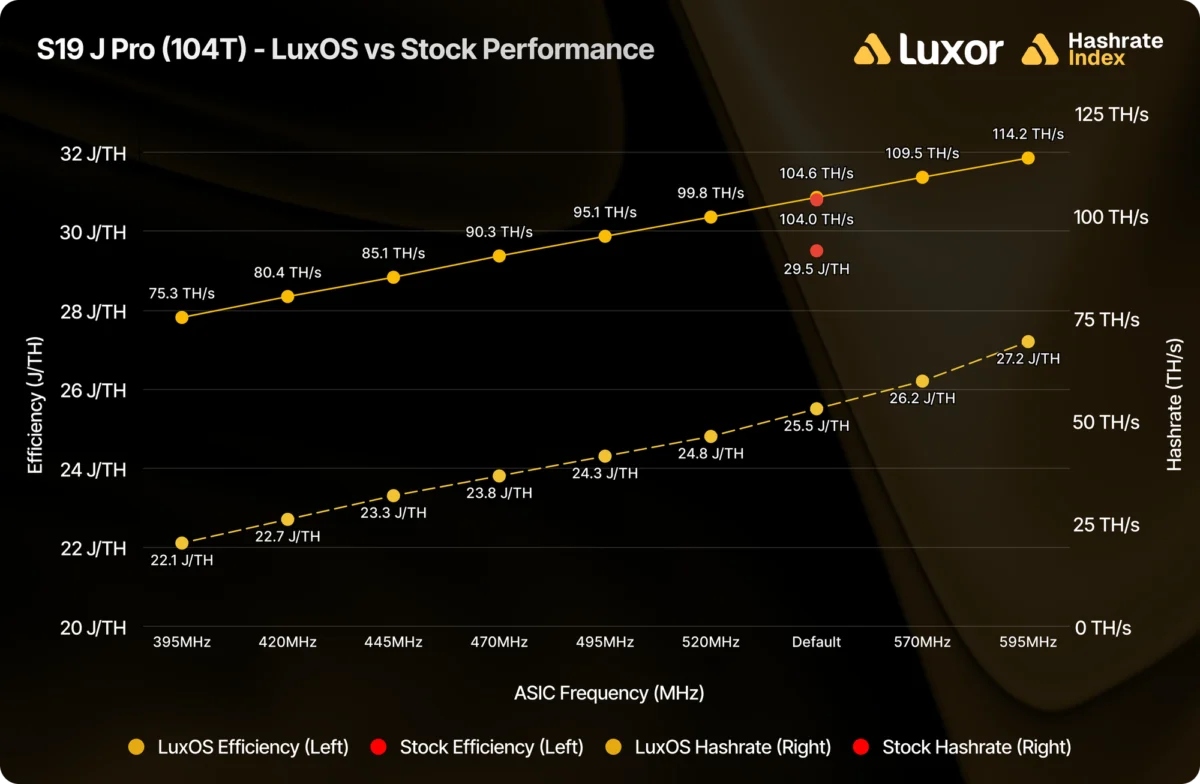
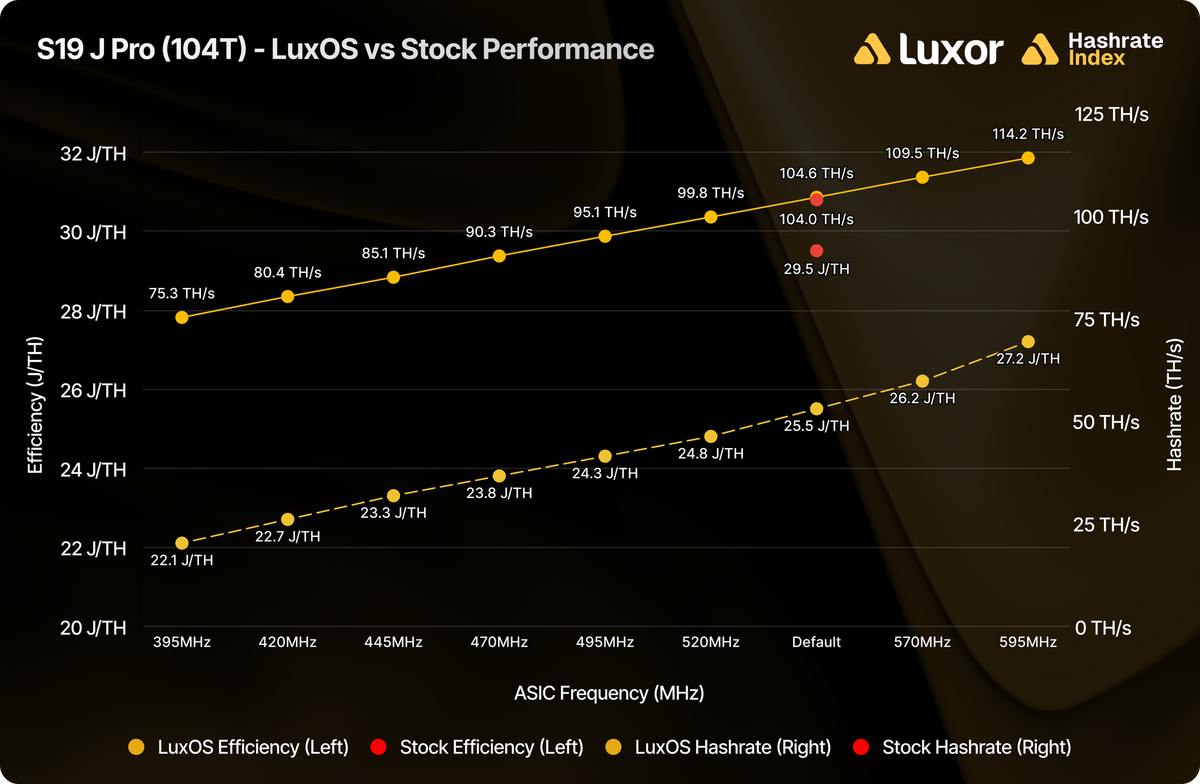
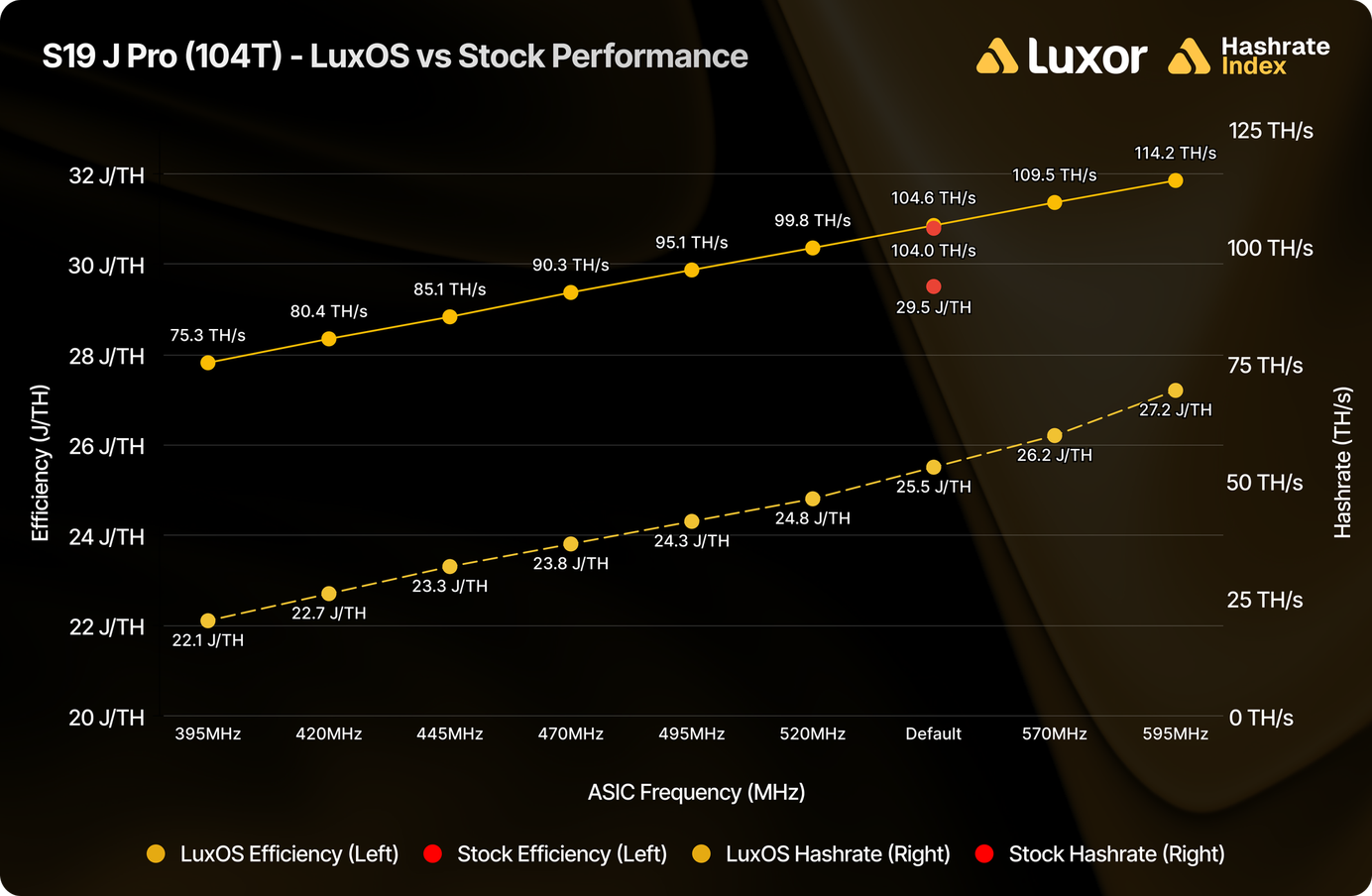
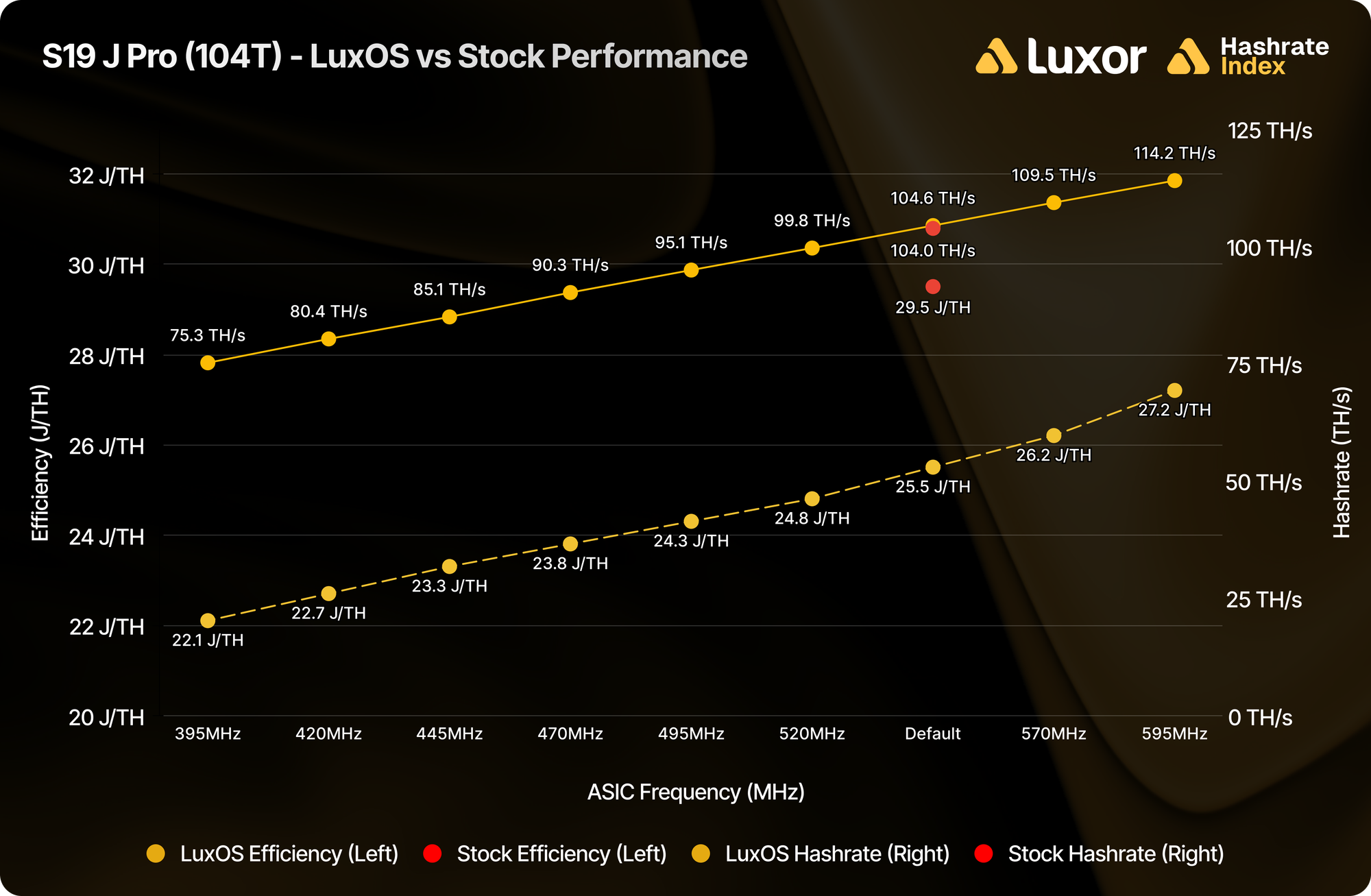
In the context of a standard Bitmain Antminer S19j Pro, the factory default setting typically operates at a frequency of 545 MHz, yielding a hashrate of approximately 104 Terahashes per second (TH/s). However, the performance of these machines is not static. By reducing the frequency by 25 MHz to a level of 520 MHz, the output drops to roughly 99 TH/s. A further reduction to 495 MHz brings the output to 94 TH/s. While a lower hashrate may seem counterintuitive to the goal of mining, the relationship between frequency and voltage is non-linear; as frequency increases, the voltage required to maintain chip stability must also increase, often leading to a disproportionate rise in power consumption and heat generation.
The Technical Mechanics of Frequency and Voltage
To understand the necessity of custom profiles, one must examine the physics of the silicon chips themselves. Every ASIC miner is subject to the "silicon lottery," a term used by engineers to describe the inherent variability in chip quality during the manufacturing process. Even within the same production batch, some chips can achieve higher frequencies at lower voltages than others. This variability is recorded in the machine’s Electrically Erasable Programmable Read-Only Memory (EEPROM) nameplate.
Advanced firmware solutions like LuxOS do not apply a generic template across a fleet of miners. Instead, the software reads the unique data from each machine’s EEPROM to generate a customized "profile ladder." For instance, a unit that shipped from the factory with a baseline of 13.4V and 545 MHz will have its underclocking and overclocking steps calculated relative to those specific figures. A different unit of the same model that required 13.6V to reach that same 545 MHz at the factory will have a different ladder entirely. This individualized approach ensures that each machine operates at its peak efficiency curve, preventing stable chips from being held back by "weaker" counterparts on the same hashboard.
The Economic Necessity of Granular Control
The primary driver for adjusting these profiles is the "hashprice"—a metric that represents the expected value of 1 TH/s of hashing power per day. When the hashprice is high, typically during a Bitcoin price rally, miners are incentivized to "overclock" their machines. By increasing the frequency and voltage, they can squeeze additional hashrate out of their existing hardware. While this reduces the energy efficiency (measured in Joules per Terahash), the increased revenue from the additional Bitcoin mined often outweighs the higher electricity bill.
Conversely, when the hashprice drops—either due to a decrease in Bitcoin’s market price or an increase in network difficulty—miners must pivot toward efficiency. Underclocking allows a miner to significantly reduce power consumption. Because the heat generated by an ASIC is a function of the square of the voltage, even small reductions in voltage can lead to massive gains in thermal efficiency and a reduction in the "wear and tear" on the hardware. This allows older, less efficient machines to remain "in the money" long after they would have been forced offline under stock settings.
Strategic Operational Shifts and Fleet Management
For industrial-scale mining operations, managing thousands of machines manually is an impossibility. This has led to the development of automated systems like AutoTuner. When an operator selects a new profile—moving, for example, from a 104 TH/s profile to a 110 TH/s profile—the firmware does not simply jump to a new voltage. It triggers a recalibration sequence. The AutoTuner monitors the error rates and stability of the individual chips at the new frequency, fine-tuning the voltage to the lowest possible point that maintains a stable hashrate.
This level of automation enables "dynamic mining," a strategy where a fleet’s power consumption can be adjusted in real-time. In regions with volatile energy markets or demand-response programs, miners can underclock their machines during peak energy hours to save on costs or provide stability to the electrical grid, then overclock during off-peak hours when electricity is cheap and abundant. This flexibility transforms a mining data center from a static load into a responsive asset for energy grid operators.
Safety Protocols and Hardware Longevity
A common concern within the mining community is whether the aggressive manipulation of factory settings leads to hardware failure. Expert analysis suggests that underclocking is universally beneficial for hardware longevity. By running at lower voltages, the chips operate at lower temperatures, reducing the rate of electromigration and thermal expansion stress on the solder joints.
Overclocking, however, carries inherent risks. Pushing a machine beyond its thermal limits can lead to chip degradation or power supply unit (PSU) failure. To mitigate this, modern firmware includes safety "guardrails." If a machine reaches a certain temperature threshold or if the PSU cannot provide the requested wattage, the firmware will automatically downstep the profile to a safer level. This "fail-safe" mechanism allows miners to explore the upper limits of their hardware’s performance without the risk of permanent damage.
The Broader Impact on the Mining Industry
The shift toward software-defined mining has profound implications for the global hashrate and the decentralization of the network. By extending the profitable lifespan of hardware, custom firmware reduces the electronic waste generated by the industry. Machines like the S19 series, which might have been considered obsolete following the 2024 halving, can remain competitive through aggressive underclocking.
Furthermore, the data-driven approach to mining is attracting more institutional capital. Investors are no longer looking for "cowboy" operations that run machines until they burn out; they are looking for sophisticated energy arbitrageurs who use tools like LuxOS to manage their risk. The ability to predict and control the Joules-per-Terahash (J/TH) efficiency of a fleet allows for more accurate financial modeling and more robust bottom lines.
Chronology of Firmware Development
The evolution of ASIC control can be traced through several distinct eras:
- The Locked Era (2013-2017): Early ASICs featured rigid, factory-locked firmware. Miners had almost no control over frequency or voltage.
- The SSH and Manual Era (2018-2020): Technically proficient miners began using Secure Shell (SSH) access to manually "mod" settings, though this was risky and lacked automation.
- The Optimization Era (2021-Present): The rise of professional firmware companies introduced features like AutoTuning, EEPROM-based profiling, and remote fleet management interfaces (such as Luxor’s Commander).
As the industry moves forward, the integration of firmware with financial derivatives is expected to be the next frontier. Miners may soon be able to link their machine profiles directly to hashrate forward contracts, automatically adjusting their hardware’s performance to meet the specific delivery requirements of a financial hedge.
Conclusion and Future Outlook
The transition of Bitcoin mining into a highly specialized sector of the global energy and compute markets is nearly complete. The "profile ladder" is no longer just a technical feature; it is a fundamental tool for economic survival. By leveraging the specific characteristics of each machine’s silicon and automating the optimization process, miners can navigate the volatile waters of the Bitcoin economy with precision.
As hardware manufacturers like Bitmain, MicroBT, and Canaan continue to release more powerful machines with smaller nanometer chips, the role of firmware will only grow. The complexity of managing heat and power at the 3nm and 2nm levels will require even more granular control. In this environment, the winners will be those who can most effectively bridge the gap between the physical reality of the hardware and the digital demands of the Bitcoin network. Through the intelligent application of frequency and voltage profiling, the mining industry is proving that it can be as efficient and adaptable as any other high-tech sector in the world.