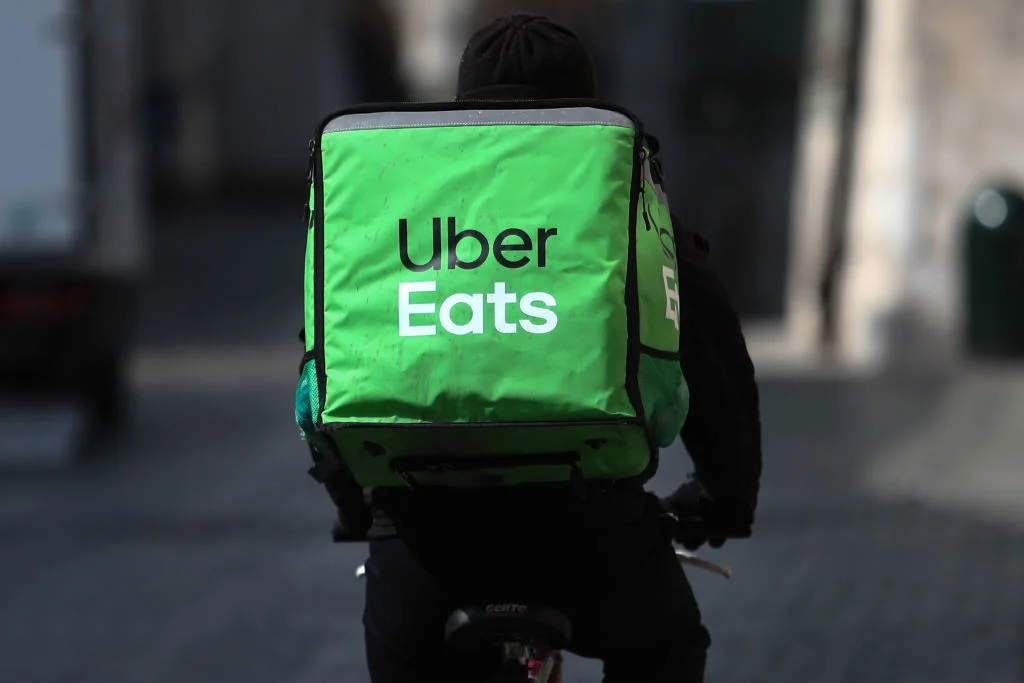
Uber Technologies Inc. has officially terminated its agreement to acquire the Taiwanese operations of Foodpanda from the Berlin-based Delivery Hero SE, marking the end of a high-stakes attempt to consolidate the food delivery market in one of East Asia’s most competitive tech landscapes. The decision to abandon the $950 million deal follows a decisive intervention by Taiwan’s Fair Trade Commission (FTC), which blocked the acquisition on the grounds that it would create a near-monopoly, stifling competition and potentially harming both consumers and merchants. According to statements released on Tuesday by Delivery Hero, the two companies opted not to appeal the regulatory block, letting the deadline for legal challenges expire on March 10, 2025.
The collapse of the deal triggers a substantial financial penalty for the San Francisco-headquartered Uber. Under the terms of the original agreement signed in May 2024, Uber is now required to pay a termination fee estimated at approximately $250 million. This failed merger represents a significant setback for Uber’s regional growth strategy and a complicated turn for Delivery Hero, which has been actively seeking to divest its Southeast Asian and East Asian assets to shore up its balance sheet and focus on more profitable core markets.
The Regulatory Wall: Why the FTC Blocked the Merger
The primary catalyst for the deal’s dissolution was the staunch opposition from Taiwan’s Fair Trade Commission. In late 2024, the regulator concluded that a merger between the two largest players in the domestic market would be detrimental to the public interest. The FTC’s analysis suggested that an Uber-Foodpanda entity would command a staggering 90% of the food delivery market share in Taiwan. This concentration of power, the regulator argued, would eliminate the primary source of competitive pressure that currently keeps delivery fees and merchant commissions in check.
The commission expressed specific concerns regarding "price leadership." In a market where only two major players exist, the removal of one would grant the survivor unilateral power to dictate terms. The FTC noted that if Uber acquired Foodpanda, there would be little to prevent the company from increasing subscription prices for its "Uber One" service or raising the percentage fees charged to local restaurants and vendors. Furthermore, the regulator highlighted the potential for reduced innovation and lower quality of service once the incentive to compete for users was removed.
A Duopoly Divided: Understanding the Taiwanese Market
The food delivery sector in Taiwan is unique due to its high urban density and a deeply ingrained culture of eating out or ordering in. For years, the market has been defined as a duopoly between Foodpanda and Uber Eats. Data from late 2023 and early 2024 indicates a remarkably balanced competition: Foodpanda held approximately 52% of the market share, while Uber Eats trailed closely with 48%.
While other players exist, such as Foodomo (owned by the retail giant Uni-President Enterprises) and various proprietary apps for fast-food chains like McDonald’s or KFC, their market impact remains marginal. For the vast majority of Taiwanese consumers, food delivery is synonymous with the pink uniforms of Foodpanda or the green-and-black branding of Uber Eats. By attempting to merge these two giants, Uber was essentially seeking to absorb its only meaningful competitor, a move that was bound to trigger intense antitrust scrutiny.
Timeline of a Failed Acquisition
The journey of this failed merger provides a window into the complexities of international tech M&A and the increasing assertiveness of regional regulators.
- May 14, 2024: Uber and Delivery Hero announce a definitive agreement for Uber to acquire Foodpanda Taiwan for $950 million in cash. Simultaneously, Uber agrees to purchase $300 million in newly issued ordinary shares of Delivery Hero to strengthen their strategic partnership.
- Late 2024: Taiwan’s Fair Trade Commission begins an in-depth review of the deal, soliciting feedback from consumer rights groups, restaurant associations, and delivery rider unions.
- December 2024: The FTC officially blocks the deal, citing the risk of a 90% market monopoly and the likelihood of price hikes.
- January – February 2025: Uber and Delivery Hero evaluate their legal options, including the possibility of a formal appeal or offering structural remedies (such as divesting certain business segments) to satisfy the FTC.
- March 10, 2025: The statutory deadline for filing an appeal against the FTC’s decision passes without action from either company.
- March 11, 2025: Delivery Hero issues a formal statement confirming the termination of the acquisition agreement and the obligation for Uber to pay the termination fee.
Financial Implications and Strategic Partnerships
Despite the termination of the acquisition, the broader financial relationship between Uber and Delivery Hero remains partially intact. The spokesperson for Delivery Hero clarified that the termination of the Taiwan deal does not affect Uber’s $300 million investment in Delivery Hero’s ordinary shares, which was finalized in May 2024. This investment was seen as a way for Uber to gain an indirect stake in Delivery Hero’s global operations while providing the German firm with much-needed liquidity.
The $250 million termination fee, while a significant sum, is a standard protection mechanism in large-scale M&A deals, often referred to as a "reverse break fee." It compensates the seller for the time, resources, and potential "deal shop" wear-and-tear incurred during the regulatory review process. For Delivery Hero, this cash infusion provides a small cushion as it continues to navigate a difficult period of restructuring.
Delivery Hero’s Struggle to Exit the Region
The failure of the Taiwan sale is part of a larger, more troubled narrative for Delivery Hero in the Asia-Pacific region. For the past two years, the company has been attempting to streamline its portfolio by exiting markets where it faces stiff competition from regional heavyweights like Grab.
Earlier in 2024, Delivery Hero was in advanced talks to sell a package of its Southeast Asian operations—spanning Singapore, Malaysia, Thailand, Cambodia, Myanmar, Laos, and the Philippines—to an undisclosed third party, widely rumored to be Grab. However, those negotiations collapsed in February 2024 after months of discussions. The company stated at the time that the decision to terminate talks was taken after "careful consideration," though industry analysts pointed to valuation disagreements and similar antitrust concerns in those jurisdictions.
The inability to offload these assets has forced Foodpanda to undergo internal restructuring. In September 2024, the unit implemented a series of layoffs across its Asia-Pacific offices to "streamline operations" and improve the bottom line in the absence of a buyer. These cuts followed previous rounds of downsizing in 2022 and 2023, reflecting the immense pressure on food delivery platforms to reach profitability in a high-interest-rate environment.
Impact on Stakeholders: Riders, Merchants, and Consumers
The news of the deal’s termination has been met with a mix of relief and uncertainty among local stakeholders in Taiwan.
For Consumers: The continuation of the duopoly ensures that Uber Eats and Foodpanda must continue to compete on price, delivery speed, and promotional offers. Many users feared that a single dominant platform would lead to the end of the aggressive discounting and "buy-one-get-one" deals that have characterized the Taiwanese market for years.
For Merchants: Small restaurant owners expressed concerns that a 90% market share for Uber would give the platform "absolute bargaining power" regarding commission rates, which currently hover between 30% and 35%. The FTC’s block provides a reprieve for these businesses, maintaining an environment where they can theoretically switch platforms if terms become too unfavorable.
For Delivery Riders: Labor unions representing delivery workers had been vocal opponents of the merger. They argued that a single employer would have the power to unilaterally slash delivery fees and change working conditions without fear of losing riders to a competitor. The termination of the deal preserves the ability for riders to "multi-app" or switch between platforms to maximize their earnings.
Analysis: The Future of Food Delivery in Taiwan
The collapse of the Uber-Foodpanda deal signals a turning point for the industry. It demonstrates that regulators in key Asian markets are becoming increasingly wary of "platformization" and the consolidation of digital services. For Uber, the path to growth in Taiwan must now return to organic expansion and service diversification rather than the quick acquisition of market share.
For Delivery Hero, the path forward is more precarious. Taiwan was one of its more successful markets in the region, and the inability to sell it leaves the company holding an asset it clearly intended to divest. It remains to be seen whether Delivery Hero will attempt to find a different, smaller buyer—perhaps a local conglomerate like Uni-President or a financial investor—or if it will recommit to operating in Taiwan for the long term.
As the dust settles, the Taiwanese food delivery market remains a fierce battleground. With the $950 million merger off the table, the "pink vs. green" rivalry is set to continue, ensuring that for now, the status quo of intense competition remains the order of the day. The $250 million lesson learned by Uber serves as a stark reminder that in the modern era of tech regulation, market dominance is no longer something that can simply be bought.