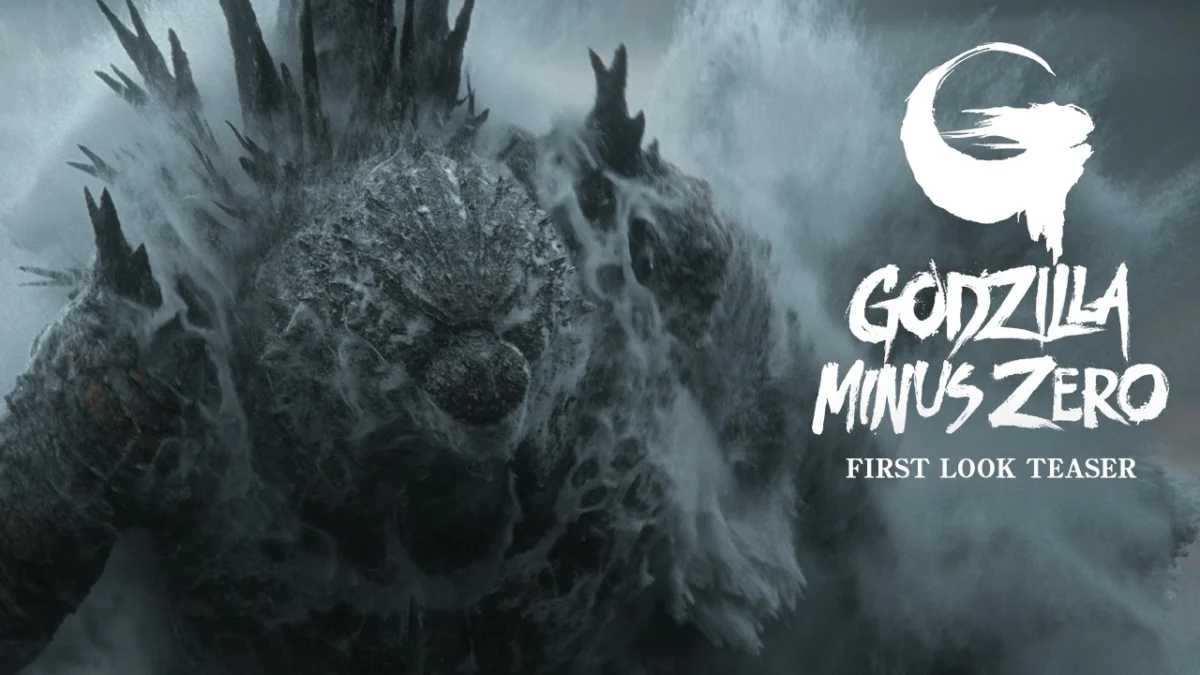
The world’s most iconic giant monster, Godzilla, is set to re-emerge from the depths in a spectacular new cinematic chapter, "Godzilla Minus Zero." Toho, the legendary Japanese film studio responsible for the creation of the atomic behemoth, has just unveiled the first teaser trailer for the highly anticipated film, and early indications suggest a return to the kaiju’s most imposing and destructive form. The trailer, released to a fervent global fanbase, showcases a Godzilla that appears significantly larger and more menacing than his previous incarnations, hinting at an even greater threat to humanity.
This latest installment continues the narrative thread established by the critically acclaimed "Godzilla Minus One" (2023), a film that not only revitalized the franchise but also garnered international acclaim, culminating in an Academy Award win for its visual effects. "Godzilla Minus Zero" is firmly rooted within Toho’s established Godzilla universe, distinct from the American-produced MonsterVerse franchise managed by Legendary Pictures. This distinction is crucial for fans, as it signals a commitment to the thematic and stylistic elements that have defined Godzilla for decades: a powerful metaphor for nuclear devastation, existential dread, and humanity’s struggle for survival against forces beyond its comprehension.
The teaser trailer, while brief, offers a potent glimpse of the monstrous power that awaits. Godzilla, depicted as a "destructive radioactive sea monster," is shown rising from the ocean in a scene that immediately signals a significant escalation in his physical presence. Fans familiar with the franchise’s long history, which spans from the original "Godzilla" in 1954 to numerous iterations across different eras, have noted a cyclical pattern in the kaiju’s design and perceived threat level. This new trailer strongly suggests that "Godzilla Minus Zero" embraces a period of considerable physical augmentation for the creature, emphasizing his sheer scale and destructive potential.
A Legacy of Scale: Godzilla’s Evolving Presence
The character design of Godzilla has been a subject of constant evolution since his cinematic debut. Initially conceived as a direct embodiment of the atomic bomb’s destructive power, his physical form has reflected the anxieties of post-war Japan. The original 1954 film, "Gojira," presented a creature that was terrifying in its sheer destructive force and symbolic weight, standing as a stark reminder of the horrors of nuclear warfare. Over the decades, Godzilla has transformed from a tragic figure to a destructive force of nature, and sometimes even a reluctant protector.
The 1954 Godzilla stood at approximately 50 meters tall. Subsequent iterations have seen him grow significantly. For instance, in the Showa era (1954-1975), his height varied, but generally remained within a comparable range. The Heisei era (1984-1995) saw an increase in his stature, with Godzilla reaching around 100 meters. The Millennium era (1999-2004) continued this trend, with some versions exceeding 100 meters. The recent American MonsterVerse films have pushed his size to unprecedented levels, with the most recent iterations towering over 120 meters.
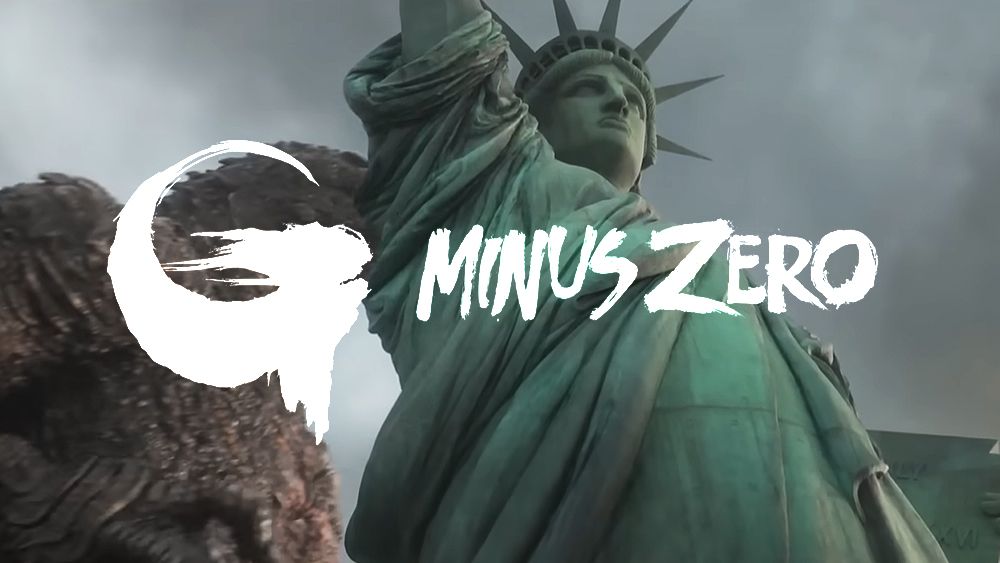
The "Godzilla Minus One" film, released in 2023, presented a Godzilla that was depicted as being around 50 meters tall, a deliberate choice by director Takashi Yamazaki to echo the original film’s scale and emphasize the personal and immediate horror faced by the characters. However, the visual cues in the "Godzilla Minus Zero" teaser, particularly the comparison to the Statue of Liberty, suggest a dramatic departure from this scaled-down approach. If Godzilla is indeed depicted as taller than the Statue of Liberty, which stands at 93 meters from base to torch (with the statue itself being 46 meters), this would place him at an estimated height of approximately 100 meters or more. This return to a more colossal scale signifies a shift in narrative focus, likely emphasizing the overwhelming, existential threat that a giant monster poses to a major metropolitan area.
Setting the Stage: A Post-War Landscape and a Lingering Threat
"Godzilla Minus Zero" is strategically set in 1949, two years after the events of the first film, "Godzilla Minus One." This places the narrative firmly within the tumultuous post-World War II era in Japan. The country was still grappling with the immense devastation of the war, facing widespread destruction, economic hardship, and the psychological scars of atomic bombings. It was a nation rebuilding itself, attempting to find a new identity and a path towards peace.
The original "Godzilla Minus One" masterfully captured this atmosphere of despair and resilience. The film introduced Koichi Shikishima, a kamikaze pilot wracked with guilt, and Noriko Oishi, a woman who finds herself entwined with his struggle for redemption. Their story unfolded against a backdrop of societal collapse and the looming threat of Godzilla, who emerged as a terrifying manifestation of the nation’s collective trauma and the destructive potential of unchecked technological advancement, particularly nuclear weapons.
By setting the sequel in 1949, "Godzilla Minus Zero" has the opportunity to explore the lingering effects of Godzilla’s initial rampage and the ongoing efforts of reconstruction. The narrative appears to be bringing Godzilla back into the fray, potentially impacting these rebuilding efforts and reintroducing a profound sense of fear and uncertainty. The implication of Godzilla appearing in New York once more, as suggested by the article, adds another layer of international scope to the narrative, potentially exploring themes of global impact and the interconnectedness of humanity in the face of such a catastrophic threat.
The Teaser’s Enigmatic Glimpse and Fan Speculation
The first teaser trailer for "Godzilla Minus Zero" deliberately offers a tantalizingly small amount of concrete information. This scarcity of detail is a calculated move by Toho, designed to generate significant buzz and encourage fan speculation ahead of the film’s release. The trailer focuses on atmosphere and a brief, awe-inspiring reveal of the colossal kaiju emerging from the sea. This visual, while impactful, leaves much to the imagination, a common strategy for building anticipation.
The limited nature of the teaser has already ignited a firestorm of discussion among fans online. Key questions that are being debated include:
- The potential for multiple Godzillas: Given the cyclical nature of the franchise and the introduction of new iterations, some fans wonder if "Godzilla Minus Zero" might feature more than one Godzilla, perhaps a new generation or a different variant of the creature.
- The return of Mechagodzilla: The robotic counterpart to Godzilla, Mechagodzilla, is a perennial fan favorite. Its absence from the initial teaser does not preclude its potential appearance in the full film, leading to widespread speculation about its role.
- The logic of Godzilla’s travel: A recurring point of discussion in Godzilla lore is the geographical plausibility of his movements. The article specifically raises the question of how and why Godzilla might travel to New York from Japan, rather than a more geographically proximate location on the West Coast. This suggests that the film might offer a unique explanation for his trans-Pacific journey, or perhaps lean into the fantastical nature of the kaiju’s existence.
These unanswered questions serve to amplify the audience’s engagement with the film, turning the teaser into a catalyst for broader community discussion and anticipation.
A Fusion of Classic Horror and Modern Spectacle
"Godzilla Minus Zero" appears poised to recapture the essence of the original 1954 film, which masterfully blended horror, suspense, and profound social commentary. The original film was not merely a monster movie; it was a visceral response to the dawn of the nuclear age, a chilling allegory for the indiscriminate destruction that atomic weapons could unleash. Director Takashi Yamazaki demonstrated a remarkable ability to translate this tone and thematic depth into "Godzilla Minus One," a feat that garnered significant praise.
The teaser suggests that "Godzilla Minus Zero" will continue this tradition, employing modern digital effects to enhance the terrifying presence of the kaiju. The increased scale of Godzilla, coupled with the potential for advanced visual effects, promises a cinematic experience that is both visually stunning and emotionally resonant. The film is expected to deliver the palpable sense of dread and suspense that characterized the best of the classic Godzilla films, while leveraging the technological advancements of contemporary filmmaking to create an unforgettable spectacle.
The article highlights that the kaiju is not only "beefier" but also taller than the Statue of Liberty, a detail that underscores the film’s commitment to portraying Godzilla as an overwhelming force of nature. This emphasis on scale is not merely for visual impact; it serves to amplify the existential threat that Godzilla represents, pushing humanity to its limits and forcing a re-evaluation of its place in a world capable of producing such destructive power.
Release Dates and Global Anticipation
The impending release of "Godzilla Minus Zero" has generated considerable excitement among global audiences. Toho has announced that the film will premiere in Japan on November 3rd, with an international release following shortly after on November 6th. This staggered release schedule is typical for major Japanese film productions and allows for localized marketing efforts while ensuring that fans worldwide can experience the latest chapter in Godzilla’s storied cinematic journey in a timely manner.
The success of "Godzilla Minus One" has undoubtedly raised the stakes for its successor. The Oscar-winning film not only resonated with critics and audiences alike for its compelling narrative and emotional depth but also demonstrated the enduring appeal of Godzilla as a character and a cultural icon. "Godzilla Minus Zero" has the potential to further solidify this resurgence, offering a new generation of viewers a fresh perspective on the King of the Monsters while satisfying the long-held affection of dedicated fans.
Broader Implications and the Enduring Power of Godzilla
The continued success of Toho’s Godzilla films, particularly in the wake of "Godzilla Minus One’s" global triumph, speaks to the enduring relevance of the character. Godzilla has always been more than just a monster; he is a potent symbol that can be reinterpreted to reflect contemporary anxieties. In the post-war era, he was a metaphor for nuclear annihilation. In later decades, he has represented environmental concerns, unchecked industrialization, and even the hubris of scientific advancement.
"Godzilla Minus Zero," by returning to a more colossal and destructive portrayal of the kaiju and by potentially exploring international ramifications, suggests a narrative that grapples with themes of global threat and the collective responsibility of humanity. The film’s setting in the fragile post-war period further emphasizes the precariousness of peace and the ever-present potential for destruction, whether from human folly or from forces beyond human control.
The film’s success will likely depend on its ability to balance the spectacle of a giant monster movie with the thematic depth that has always been a hallmark of the best Godzilla films. If "Godzilla Minus Zero" can deliver on the promise of its predecessor – a powerful narrative, compelling characters, and a visually stunning portrayal of the iconic kaiju – it is poised to be another significant entry in the legendary franchise, captivating audiences worldwide and reinforcing Godzilla’s status as an unparalleled cinematic icon. The evolution of Godzilla’s design and narrative continues, ensuring that the King of the Monsters remains a relevant and terrifying force for generations to come.