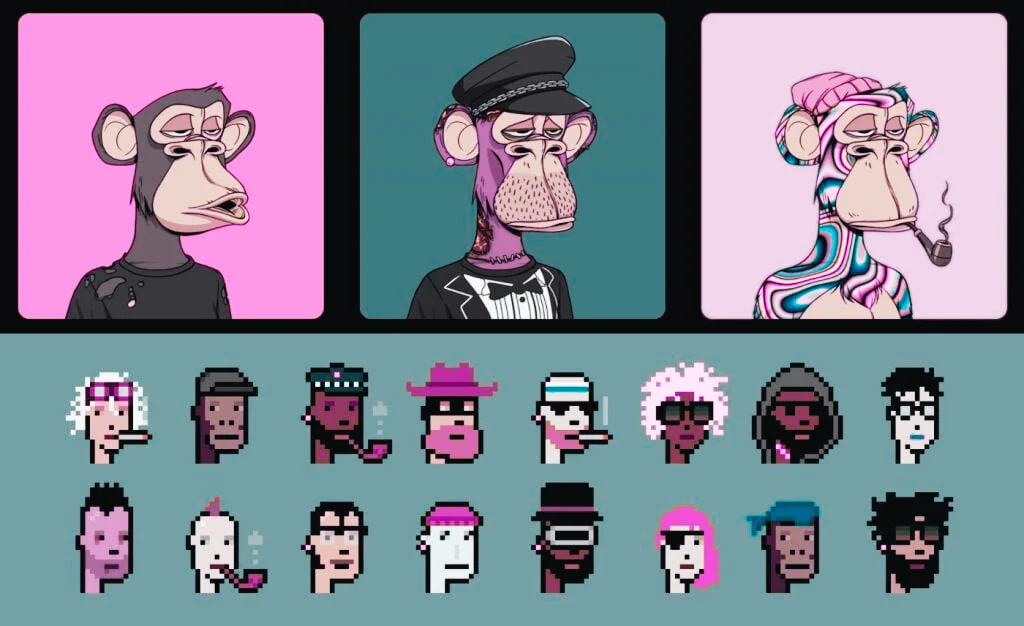
A pivotal week-long vote commenced today, centering on a monumental proposal from NFT luminary Machi Big Brother, which could significantly reshape the perception and trajectory of blue-chip digital collectibles. The initiative, backed by a staggering 11 million $APE tokens, aims to acquire a diverse portfolio of iconic Non-Fungible Tokens (NFTs), including coveted Bored Apes, CryptoPunks, and Mutant Apes, with the ambitious goal of showcasing them in prominent international museums. This ambitious undertaking not only seeks to elevate the cultural standing of NFTs but also presents a complex proposition for $APE token holders, who are being asked to consider an exchange for a new token, $DAM.
The proposal, formally submitted for community governance, outlines a strategic vision to transform these digital assets from speculative investments into culturally significant artifacts. Machi Big Brother, a well-known figure in the NFT space, has framed the initiative as a means to legitimize NFTs as a recognized art form, worthy of display alongside traditional masterpieces. The potential acquisition of such a high-value collection would undoubtedly place NFTs under a global spotlight, potentially influencing market dynamics, investor sentiment, and the broader acceptance of digital art.
The sheer volume of $APE tokens involved underscores the significance of this proposal. As of recent market data, 11 million $APE represents a substantial sum, reflecting the perceived value of the targeted NFT collections and Machi Big Brother’s commitment to the project. The ApeCoin DAO, the governing body for the ApeCoin ecosystem, is currently facilitating the voting process, allowing $APE holders to voice their decision on this transformative initiative. The outcome of this vote is anticipated to have far-reaching implications for the future of ApeCoin and the broader NFT market.
The Genesis of the Museum Initiative
The genesis of Machi Big Brother’s proposal can be traced back to a growing sentiment within certain segments of the NFT community that these digital assets deserve greater recognition beyond their market value. For years, NFTs have been debated as both revolutionary forms of digital ownership and speculative bubbles. This proposal seeks to bridge that gap by positioning select NFTs as cultural heritage.
The timeline for this initiative began with Machi Big Brother’s formal submission to the ApeCoin DAO. The proposal details a meticulously planned acquisition strategy, focusing on NFTs that have already achieved significant cultural and financial milestones. The intent is to build a curated collection that represents the pinnacle of early NFT innovation and community building.
The specific NFTs mentioned – Bored Apes, CryptoPunks, and Mutant Apes – are not arbitrary choices. These collections have consistently ranked among the most expensive and influential in the NFT market, boasting robust communities and significant cultural impact. CryptoPunks, launched in 2017, are considered foundational to the NFT movement, while Bored Apes, launched by Yuga Labs in 2021, rapidly became a symbol of digital luxury and community. Mutant Apes, derived from Bored Apes, further extended this ecosystem.
The $APE to $DAM Exchange Mechanism
A critical component of Machi Big Brother’s proposal is the proposed exchange mechanism for $APE holders. The plan stipulates that $APE holders who agree to contribute to the fund will receive a new token, designated as $DAM, in return for their $APE. This strategy is reportedly designed to mitigate potential selling pressure on $APE, as holders would be exchanging their existing tokens for a new one tied to the success of the museum initiative.
The proposal emphasizes a commitment to transparency and fair practices, stating that at least 50% of the acquired funds will be allocated for initial use within the first year. Crucially, Machi Big Brother has explicitly stated an intention not to participate in direct investments, aiming to foster trust and distance the initiative from potential conflicts of interest. This stipulation is particularly noteworthy given that Machi Big Brother, while influential, has also faced criticism from some segments of the Web3 community.
The introduction of a new token, $DAM, raises questions about its utility and long-term value. The success of this exchange hinges on $APE holders’ belief in the museum project and the perceived value of $DAM. If the initiative gains traction and the NFTs are successfully exhibited, $DAM could potentially gain value as a token representing ownership or access to this unique cultural asset. Conversely, if the project falters, the value of $DAM could diminish, leaving $APE holders with a less desirable asset.
Community Reactions and Governance Dynamics
The proposal has ignited a fervent debate within the ApeCoin community and the broader NFT ecosystem. While some have lauded the vision and potential cultural impact, others have expressed skepticism and concern. The sentiment shared by user "Shwaz" on Twitter, "What makes you think it will likely pass? We all hate that guy," reflects a segment of the community that harbors reservations about Machi Big Brother’s involvement, irrespective of the proposal’s merits.

Such reactions highlight the complex social dynamics within decentralized governance. While the technical aspects of the proposal are being debated, the personal reputation and past actions of key proponents can significantly influence community sentiment and voting outcomes. The success of this proposal will not only depend on the financial incentives but also on the community’s trust in the individuals steering the initiative.
The ApeCoin DAO’s governance structure allows for a democratic process, where $APE holders can cast their votes. The voting period, which lasts for a week, is a critical juncture where the community’s collective will is expressed. The sheer volume of $APE required for this proposal means that a significant portion of the token’s circulating supply will need to be in favor for it to pass.
The Broader Implications for NFTs and Cultural Institutions
If Machi Big Brother’s proposal gains approval and the museum initiative materializes, the implications for both the NFT market and traditional cultural institutions could be profound.
Elevated Status of NFTs: Successfully exhibiting blue-chip NFTs in international museums would represent a significant validation of their cultural and artistic merit. This could attract new collectors, investors, and enthusiasts to the NFT space, moving beyond the purely speculative. It would also provide a powerful narrative for the mainstream adoption of digital art.
New Avenues for Cultural Preservation: The proposal offers a potential model for how digital assets can be preserved and presented within a cultural context. This could lead to new collaborations between NFT communities and museums, exploring innovative ways to archive and display digital heritage.
Impact on $APE and its Ecosystem: The success of this initiative could significantly boost the reputation and utility of the $APE token. A well-executed museum project could create a positive feedback loop, driving demand for $APE and strengthening the entire ApeCoin ecosystem. Conversely, a failed initiative could tarnish the reputation of both $APE and Machi Big Brother.
Potential for Future NFT Curations: This proposal could pave the way for other similar initiatives, where significant NFT collections are curated and exhibited. It might encourage more DAOs and influential figures to think beyond market speculation and consider the long-term cultural legacy of digital assets.
Challenges and Obstacles: Despite the ambitious vision, significant challenges lie ahead. Securing agreements with international museums, managing the logistics of displaying digital art, ensuring the long-term preservation of the NFTs, and maintaining community engagement will all require meticulous planning and execution. Furthermore, the inherent volatility of the NFT market and the potential for future regulatory changes present ongoing risks.
Analysis of the Proposal’s Strengths and Weaknesses
Strengths:
- Cultural Legitimacy: The most significant strength is the potential to elevate NFTs to a recognized art form, worthy of institutional display.
- High-Profile Collections: Targeting established blue-chip NFTs like Bored Apes and CryptoPunks provides a strong foundation for a credible collection.
- Community Engagement: The proposal aims to involve NFT holders in the future of their collectibles, fostering trust and participation.
- Clear Vision: The objective of international museum exhibitions provides a tangible and aspirational goal.
Weaknesses:
- Community Sentiment: Opposition to Machi Big Brother’s involvement could jeopardize community support and voting outcomes.
- Tokenomics of $DAM: The long-term value and utility of the proposed $DAM token are yet to be proven and rely heavily on the project’s success.
- Execution Risks: The logistical and operational complexities of managing a museum collection of digital assets are substantial.
- Market Volatility: The NFT market is inherently unpredictable, and future price fluctuations could impact the perceived value of the acquired assets.
The Road Ahead: Awaiting the Community’s Verdict
As the week-long vote progresses, the NFT community remains on the edge of its seat, awaiting the outcome of Machi Big Brother’s ambitious proposal. The decision will not only determine the fate of 11 million $APE tokens and a significant collection of digital art but could also set a precedent for the future of NFTs as cultural artifacts. Whether this initiative becomes a landmark moment for digital art or a cautionary tale will depend on the collective wisdom and foresight of the ApeCoin holders. The eyes of the Web3 world are on this vote, as it holds the potential to redefine the narrative surrounding NFTs and their place in the global cultural landscape. The coming days will reveal whether this bold vision for digital art will be realized.