The long-awaited reimagining of Nintendo’s seminal 1998 classic, The Legend of Zelda: Ocarina of Time, has officially broken review embargoes, capturing an extraordinary 96 overall score on Metacritic ahead of its November 5, 2026 release on the Nintendo Switch 2. Industry critics have overwhelmingly praised the title for successfully navigating the notoriously difficult tightrope walk between modernization and preservation. Rather than altering the foundational mechanics that cemented the Nintendo 64 original as one of the greatest video games ever made, Nintendo’s development teams have focused on breathing new life into the kingdom of Hyrule through advanced hardware capabilities, entirely re-orchestrated audio, and modern quality-of-life adjustments.
As the gaming community prepares for the formal launch of the hardware and software package next month, early evaluations offer a comprehensive look at how a generational masterpiece has been translated for contemporary audiences. The critical reception has been nothing short of spectacular, marked by a wave of five-star reviews from major outlets including GamesRadar+, TechRadar, and The Guardian, alongside unanimous 10/10 accolades from specialized platforms like Shacknews and Destructoid.
A Historical Retrospective: From Nintendo 64 to Switch 2
To understand the magnitude of the Ocarina of Time remake, one must examine the monumental footprint left by the original 1998 release. Developed by Nintendo’s EAD division under the guidance of visionary director Shigeru Miyamoto, the original title debuted on the Nintendo 64 during the industry’s critical transitional era from two-dimensional sprites to fully rendered three-dimensional environments.
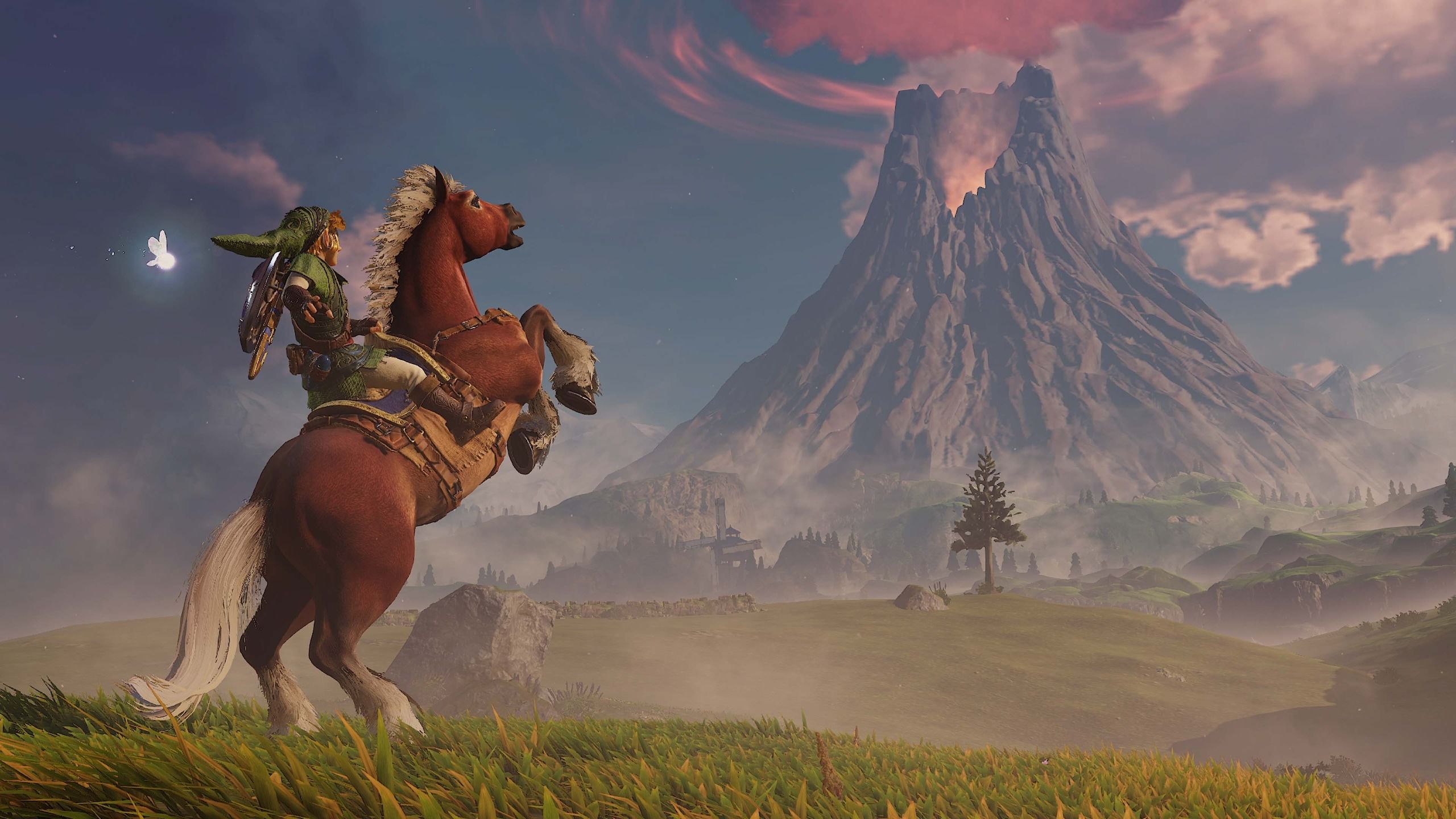
Ocarina of Time did not merely succeed commercially; it essentially authored the design manual for modern 3D adventure games. Innovations such as Z-targeting (contextual lock-on combat), context-sensitive action buttons, and sprawling interconnected dungeons populated by environmental puzzles became foundational pillars for the entire medium. Over the decades, the game has seen various iterations, including a 2011 3D remaster for the Nintendo 3DS and inclusion in various digital subscription libraries. However, none of these prior releases represented a ground-up audiovisual and structural reimagining designed to fully leverage modern processing architecture.
The announcement of the Switch 2 variant signaled a new chapter for Nintendo’s legacy portfolio. By capitalizing on the enhanced graphical fidelity, robust memory allocation, and advanced performance targets of Nintendo’s successor console, developers were finally able to realize the spatial depth and visual clarity that late-90s hardware limitations strictly prohibited.
Critical Breakdown: Review Scores and Highlights
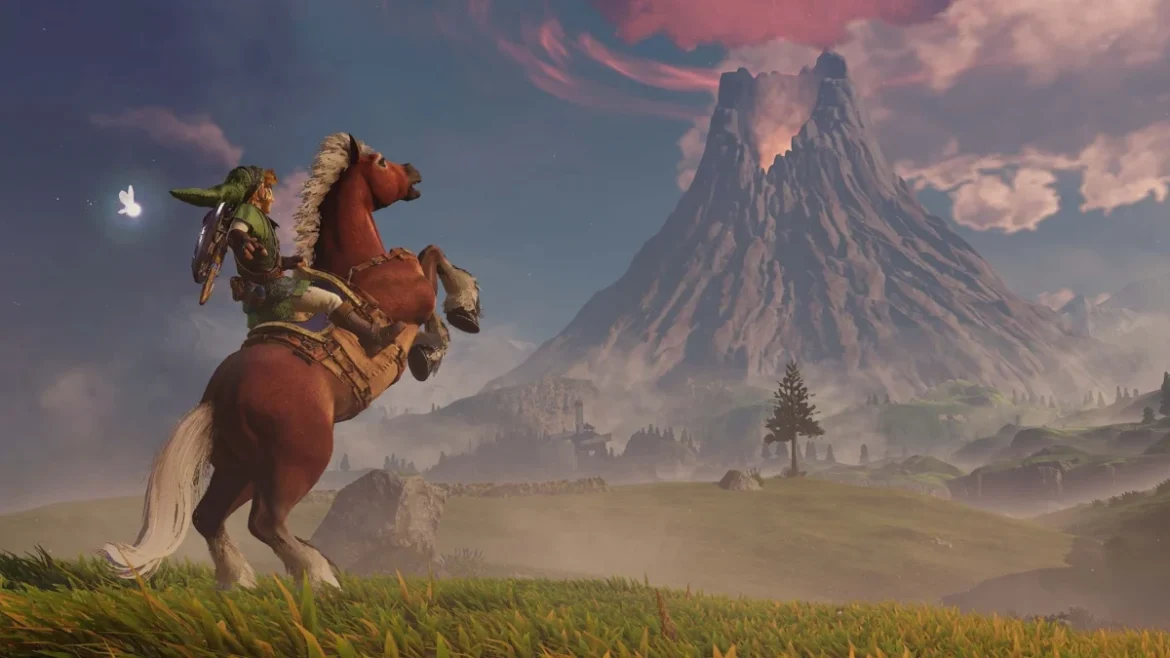
The consensus among early reviewers is that the Nintendo Switch 2 edition avoids the uncanny valley and stylistic disconnects that have plagued other high-profile industry remakes in recent years. Instead, the game adopts a sophisticated, fairytale-inspired aesthetic.
Keza MacDonald of The Guardian, who awarded the game five stars, likened the new art direction to intricate, physical theatre scenery, describing Link as a meticulously crafted artisanal doll equipped with exaggerated, charmingly proportioned props. This stylized, deliberate approach bypasses the pitfall of chasing hyper-realism, ensuring that the project retains the whimsical and melancholic atmosphere that defined the Nintendo 64 cartridge.
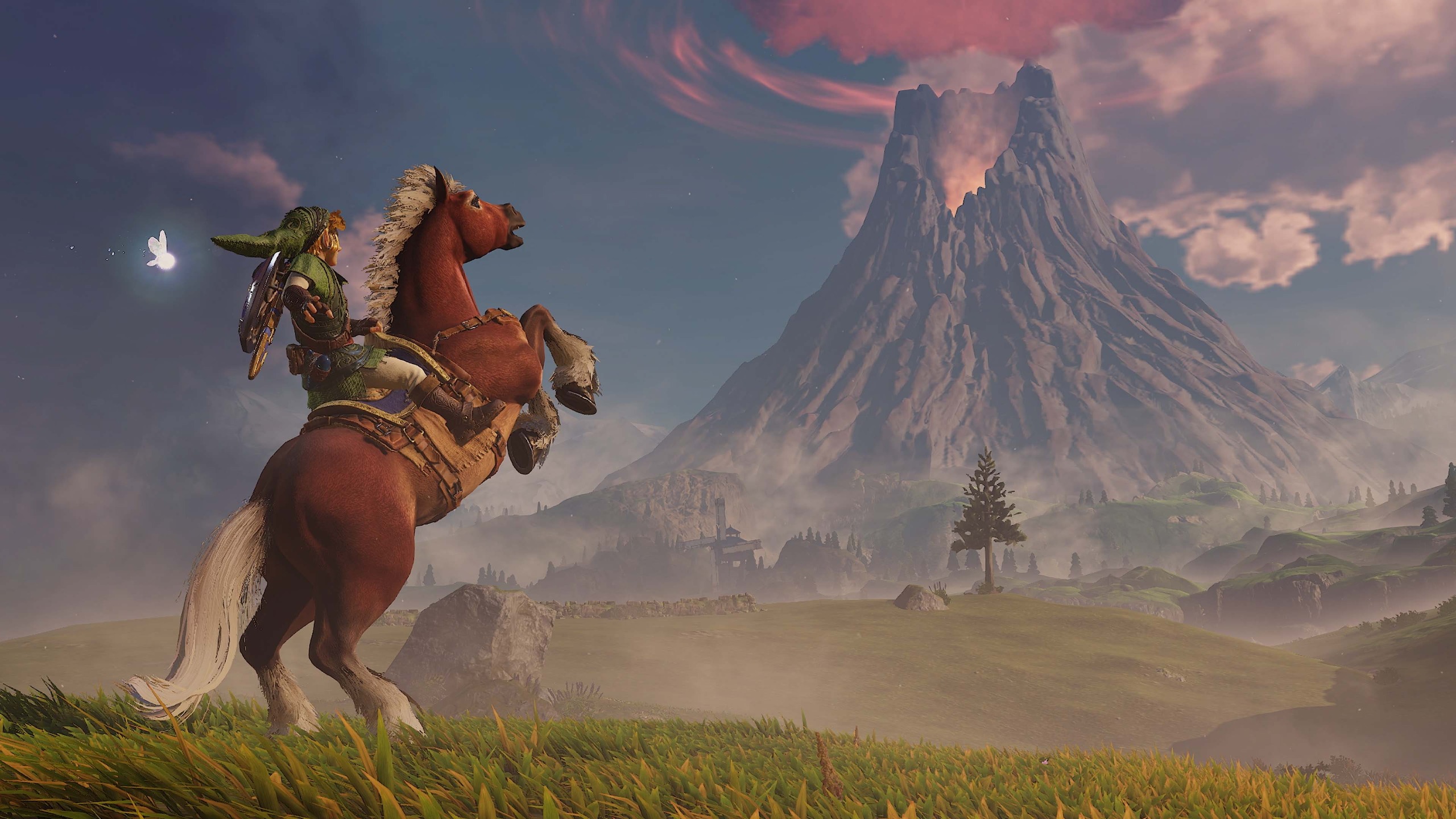
Game-feel has also undergone a radical transformation. Reviewers have highlighted the introduction of fluid, free-form jumping mechanics, a fully modernized and responsive camera system, and fully voiced cutscenes that add emotional resonance to pivotal narrative beats. Combat encounters have been fine-tuned to run at a seamless 60 frames per second, offering a level of tactile precision previously unattainable.
Not all feedback, however, is entirely without caveat. Outlets such as TechRadar and Game Informer have raised minor points of critique regarding the game’s overall difficulty curve. Due to more generous structural hints, streamlined navigation, and modern quality-of-life additions, some of the original’s punishing trial-and-error ethos has been smoothed over. Furthermore, several reviewers noted the notable absence of the Master Quest difficulty mode—a staple for series veterans seeking a rigorous challenge—as well as limitations regarding single-save-file constraints. Despite these minor grievances, the overwhelming consensus remains that the core experience is executed with masterclass precision.
Gameplay Overhauls and Expanded Narratives
Beyond the aesthetic and performance upgrades, Nintendo has invested heavily in expanding the interactive scope of Hyrule. Dungeons have been structurally redesigned to offer deeper environmental interaction while preserving the familiar layout and spatial logic that returning players will instantly recognize.
Character interactions have likewise received substantial expansion. Most notably, Navi the fairy—historically polarizing for her frequent, audible interjections in the 1998 version—has been repositioned as a more deeply integrated narrative companion rather than a simple tutorial prompt delivery system. Her expanded role in environmental storytelling and puzzle-hinting has been singled out by critics as a major improvement to the pacing of the adventure.
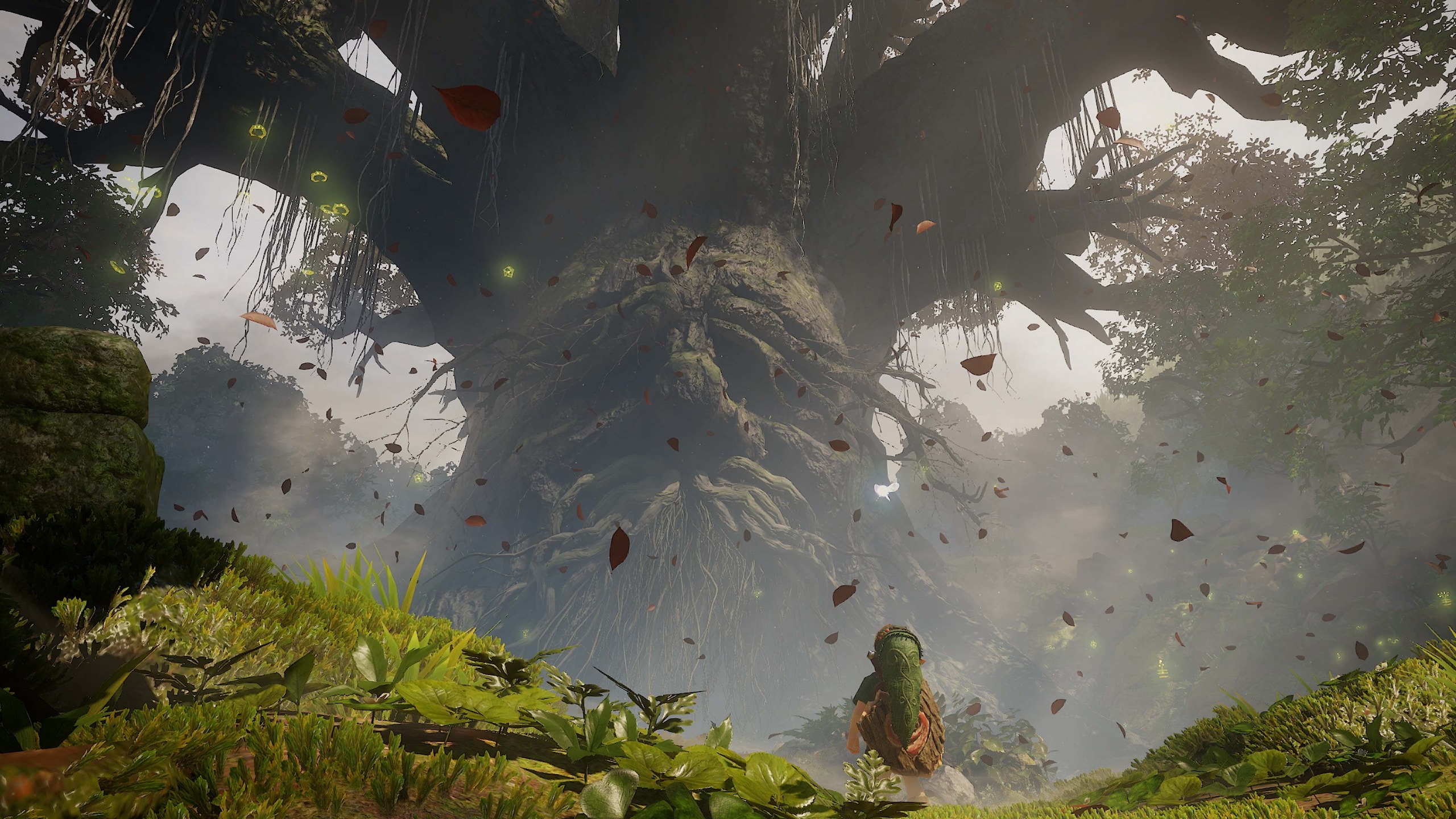
The musical score, originally composed by Koji Kondo, has been entirely re-recorded by a live orchestra. The sweeping orchestrations enhance the emotional gravity of iconic locations such as the Lost Woods, Kakariko Village, and Hyrule Field, marrying nostalgia with acoustic opulence.
Strategic Implications for Nintendo and the Switch 2 Ecosystem
The critical triumph of The Legend of Zelda: Ocarina of Time on the Switch 2 arrives at a crucial juncture for Nintendo’s hardware strategy. Following the successful rollouts of updated legacy projects—such as the recent Star Fox remake and ongoing enhancements across the Metroid and Mario franchises—Nintendo continues to validate the commercial and artistic viability of high-budget remasters and remakes as foundational pillars of its ecosystem.
By positioning crown jewels of its intellectual property catalog at the forefront of the Switch 2 software library, Nintendo effectively bridges generational divides. Older demographics drawn by potent nostalgia are provided with a definitive, premium realization of their formative gaming memories, while a younger generation of players is granted accessible entry points into the foundational milestones of interactive entertainment.
As the industry looks toward the official release date of November 5, 2026, the towering 96 Metacritic average serves as an early testament to enduring design. The Legend of Zelda: Ocarina of Time demonstrates that brilliant game design is timeless, and when paired with modern technological capabilities, it can transcend eras to captivate audiences all over again.