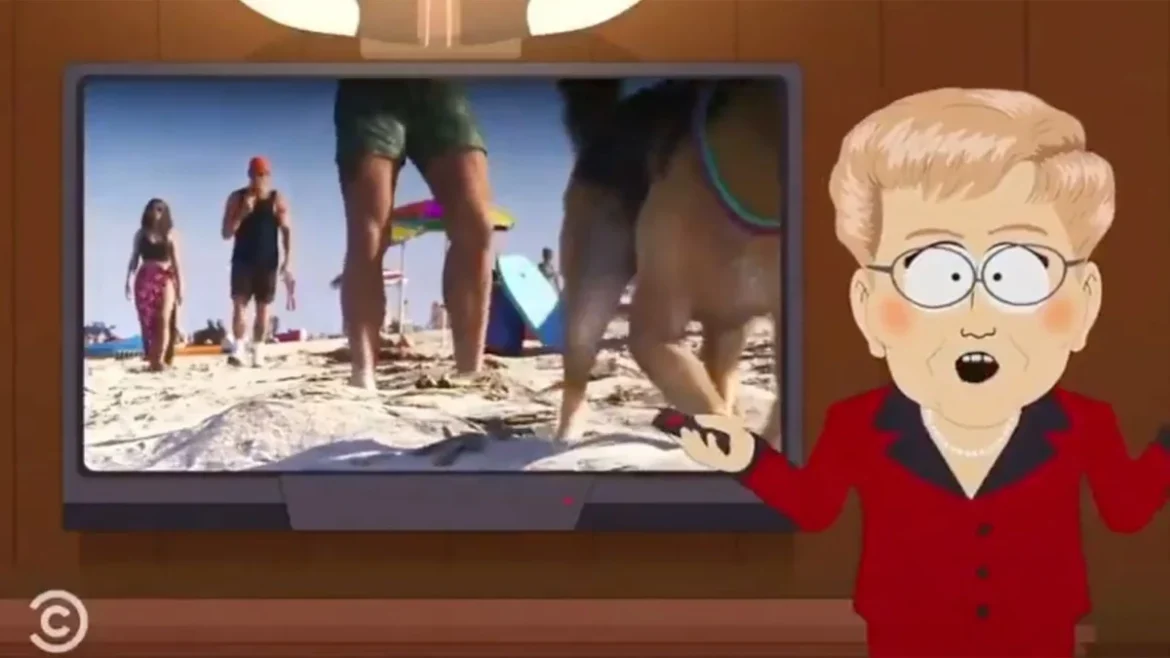
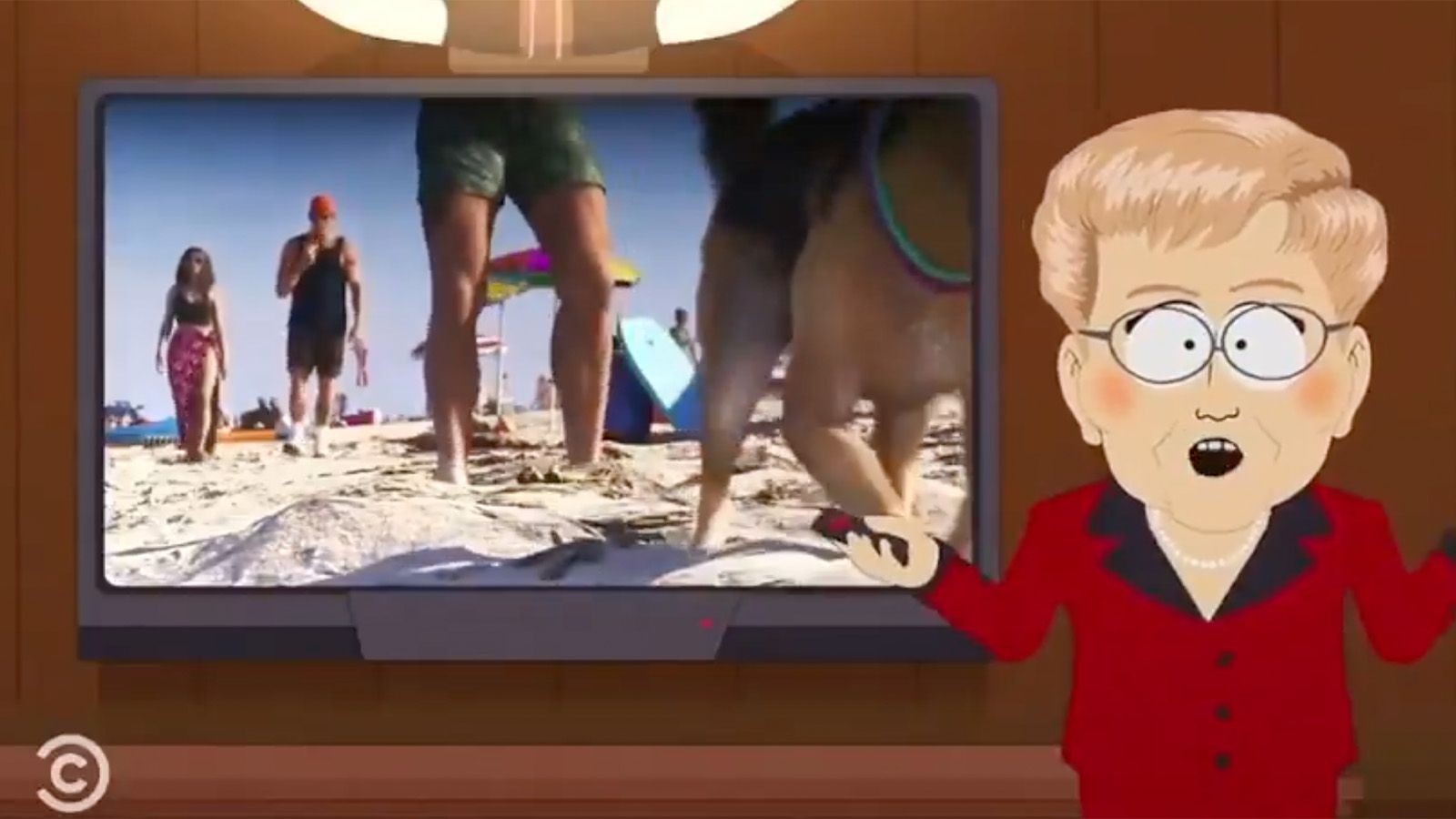
Rockstar Games has executed one of the most unconventional marketing campaigns in modern interactive entertainment history by embedding approximately 20 seconds of previously unreleased Grand Theft Auto VI gameplay directly into a broadcast of Comedy Central’s animated series South Park. The crossover occurred during the season episode titled "Guinea Pig on a Stick," which aired on October 28, bypassing traditional press releases and dedicated digital showcases in favor of a subversive television cameo.
The integration highlights a striking juxtaposition between South Park’s decades-old, minimalist cutout aesthetic and the near-photorealistic, high-fidelity open-world engine powering Rockstar’s upcoming flagship title. Rather than relying on a standard promotional rollout, the developer chose to release tangible in-game footage that features protagonists Jason and Lucia navigating a bustling Vice City beach before escalating into chaotic slapstick involving a dog walker and a bag of canine waste. Official credits at the conclusion of the episode confirmed that the footage was authentic, lending immediate credibility to a segment that many viewers initially mistook for fan-made parody or standard animated satire.
Background Context and Evolution of GTA VI Marketing
The rollout of Grand Theft Auto VI has shattered conventional industry standards since its initial announcement. Following a decade of unprecedented commercial success with Grand Theft Auto V—which has shipped over 190 million copies worldwide since its 2013 launch—anticipation for the sequel has reached historic economic proportions. Rather than adhering to predictable industry schedules, Rockstar Games has curated a deliberate, highly controlled promotional strategy.
The campaign formally commenced with a surprise digital trailer reveal, followed by carefully measured assets including nostalgic Vice City-themed box art, neon typography reminiscent of early 2000s aesthetics, and satirical parody advertisements deployed on the streets of Miami. Industry analysts have noted that Rockstar’s refusal to participate in standard gaming conventions, such as major trade show presentations or continuous developer diaries, has amplified the cultural footprint of the game. By utilizing an established, counter-cultural property like South Park for a gameplay debut, the studio aligns its brand identity with satirical irreverence while maintaining total command over the narrative surrounding the software’s development.
Chronology of Events and the South Park Integration
The partnership between Rockstar Games and the creators of South Park, Trey Parker and Matt Stone, reflects a mutual interest in pushing boundaries and courting controversy. South Park had reportedly referenced the prolonged wait and cultural omnipresence of Grand Theft Auto VI across several episodes in the current broadcast season, neutralizing the reveal so that it functioned organically within the episode’s plot rather than as a disruptive commercial break.
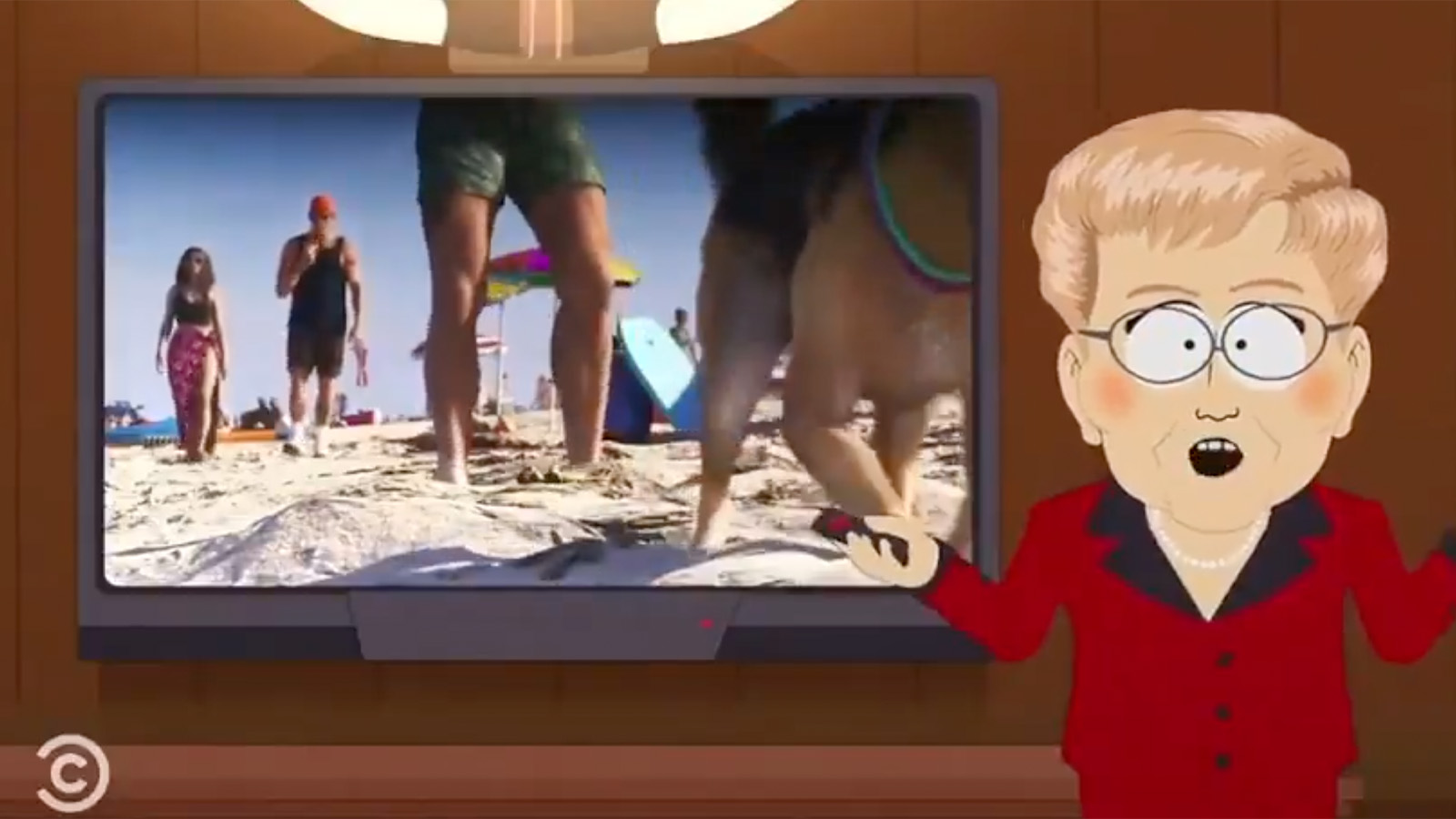
The twenty-second sequence itself displays a high level of graphical polish, establishing the atmospheric lighting, dynamic crowd behaviors, and environmental physics of Vice City. The scene depicts Jason and Lucia walking along a sun-drenched coastline before focusing on an NPC meticulously cleaning up after a pet. In a manner consistent with the franchise’s dark humor, the protagonist intervenes by hurling an object at the pedestrian, retrieving the bag, and striking the NPC across the face.
Audio continuity added another layer of authenticity for long-time fans: the voiceover accompanying the demonstration was provided by Tish Hicks, the same voice actor who narrated the official Grand Theft Auto V gameplay reveal video back in 2013. This subtle nod reinforced the legitimacy of the broadcast and demonstrated meticulous attention to internal corporate history.
Industry Implications and Brand Strategy Analysis
The decision to bypass traditional media channels in favor of a prime-time animated sitcom carries significant implications for video game marketing. Historically, AAA publishers have relied on dedicated digital streams—such as Sony’s State of Play, Microsoft’s Xbox showcases, or standalone studio broadcasts—to generate hype and secure media coverage.

By integrating actual gameplay into an existing piece of popular culture, Rockstar has circumvented "ad fatigue," a growing phenomenon where consumers actively tune out conventional commercial announcements and trailers. Market researchers suggest that this strategy fosters higher organic engagement, as social media platforms naturally amplify unexpected crossovers through user-generated commentary, viral clips, and cross-industry discussions. Furthermore, the partnership reinforces Rockstar’s market position as a cultural titan capable of dictating the terms of engagement with its consumer base. While competing publishers grapple with the rising costs of traditional advertising and influencer partnerships, Rockstar leverages its immense cultural gravity to turn third-party television broadcasts into primary marketing vehicles.
Broader Impact on Trend-Jacking and Intellectual Property
The covert cameo also addresses a broader industry issue known as "trend-jacking," where unrelated consumer brands—ranging from fast-food chains like Burger King to entertainment properties like Shrek—attempt to capitalize on the ubiquitous anticipation surrounding Grand Theft Auto VI by mimicking its distinct visual language. By exercising tight control over official licensing and selective partnerships, Rockstar ensures that authorized representations of Vice City remain scarce and impactful.
Aside from rare official merchandise collaborations, such as localized sports apparel partnerships with the Miami Heat, the studio has strictly limited external branding. The South Park appearance succeeds precisely because it mirrors the satirical ethos of the Grand Theft Auto series, preventing the integration from feeling like a forced corporate endorsement.
Looking Ahead to the Launch
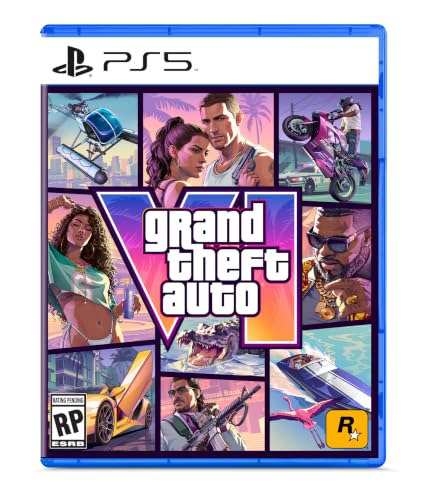
With Grand Theft Auto VI officially slated for release on November 19, following physical retail delivery windows commencing on November 12 for PlayStation 5 and Xbox Series X/S platforms, industry observers expect the marketing campaign to accelerate through unconventional channels. The success of the South Park integration suggests that future reveals may similarly eschew standard promotional formats in favor of organic, high-impact cultural disruptions.
As the countdown to November continues, consumer demand remains at an all-time high, with pre-orders dominating digital and physical storefronts worldwide. Rockstar’s ability to generate intense global speculation through a mere twenty seconds of cartoon-interrupted gameplay proves that the studio’s promotional mystique remains one of the most powerful assets in the entertainment industry.