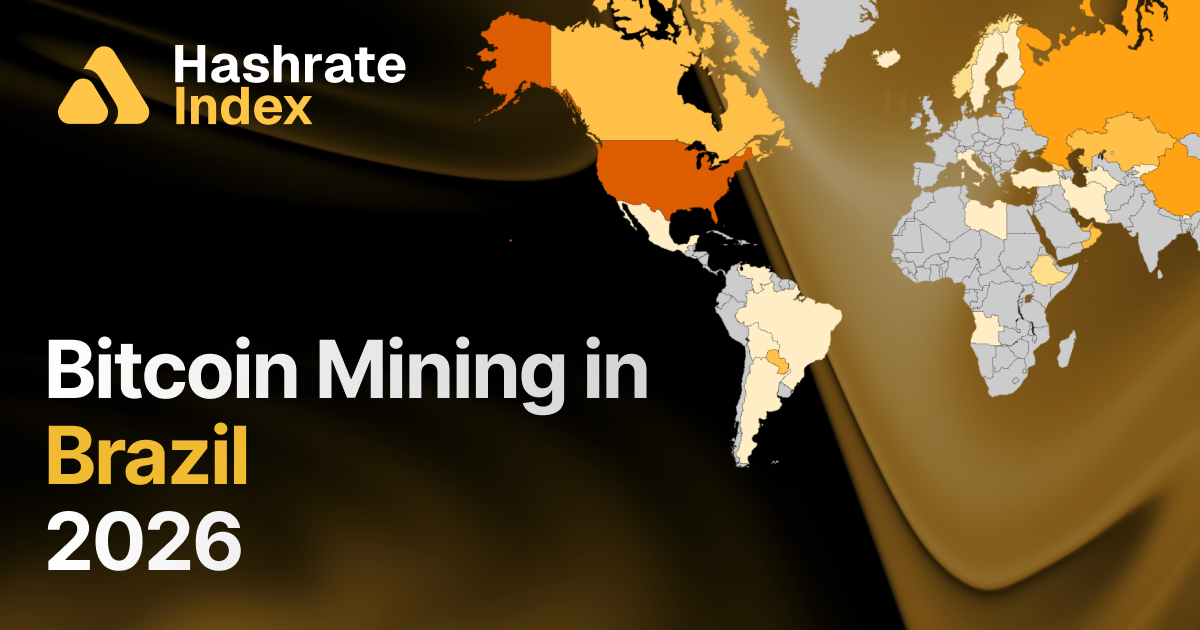
Brazil’s transition from a minor participant in the global Bitcoin mining sector to a resilient regional leader has been defined by a strategic alignment of renewable energy surplus, regulatory modernization, and institutional maturation. Between the third quarter of 2025 and the third quarter of 2026, Brazil’s estimated hashrate contribution surged from approximately 2.5 exahashes per second (EH/s) to 3.5 EH/s, representing a 40% year-over-year growth. While this pace indicates a stabilization from the explosive expansion seen in 2024, the nation’s relative performance tells a more compelling story of conviction. During a period where the global network hashrate contracted by 6.4%—dropping from 1,004 EH/s to 940 EH/s—Brazilian operators maintained their output, effectively increasing their global market share to 0.37%.
The Evolution of the Brazilian Mining Landscape
The trajectory of Bitcoin mining in Brazil has been shaped by a multi-year timeline of energy reforms and infrastructure development. In early 2025, the country’s hashrate stood at a modest 1.5 EH/s. The subsequent climb to 3.5 EH/s was catalyzed by the full implementation of Portaria 50/2022, a regulatory milestone that opened the Ambiente de Contratação Livre (ACL), or the free energy market, to all high-tension consumers.
Historically, Brazil’s mining sector was hindered by a fragmented grid and a prohibitively complex tax code. However, as global energy prices fluctuated and traditional mining hubs like the United States, Russia, and Kazakhstan faced intermittent curtailments or regulatory shifts, Brazil’s "Sistema Interconectado Nacional" (SIN) emerged as a paragon of stability. By 2024, the nation’s installed capacity reached 232 GW, with projections suggesting a rise to 268 GW by 2029.
The Renewable Backbone: A Strategic Energy Advantage
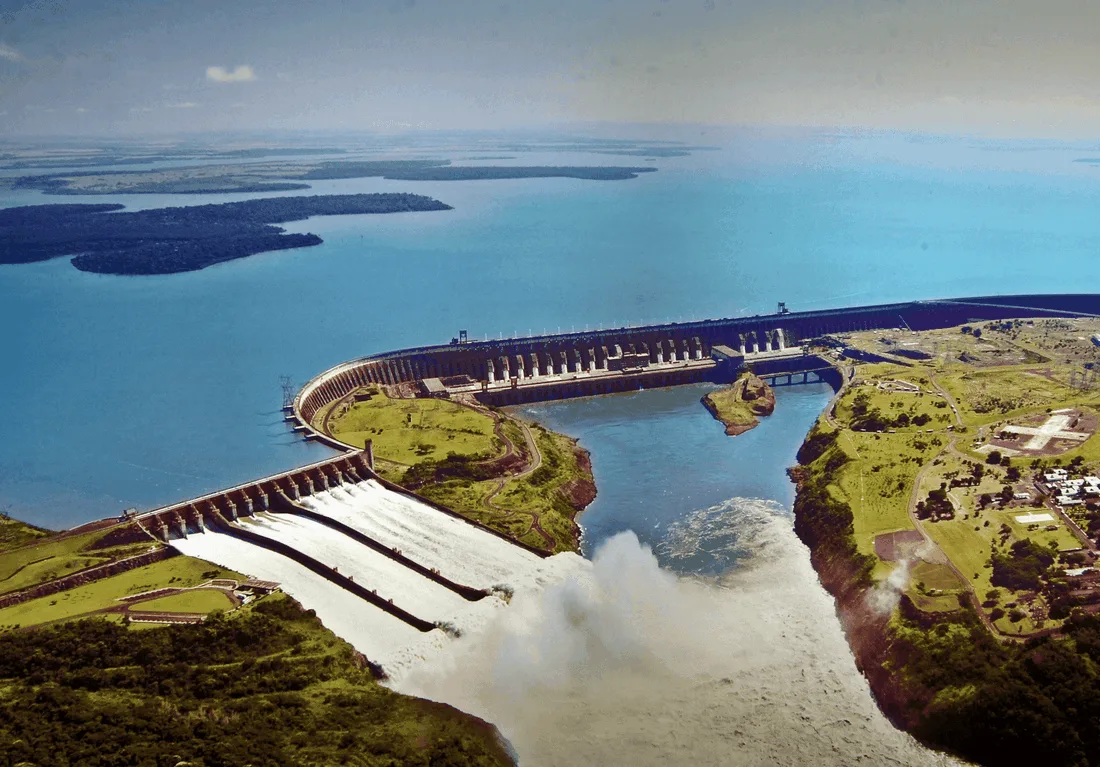
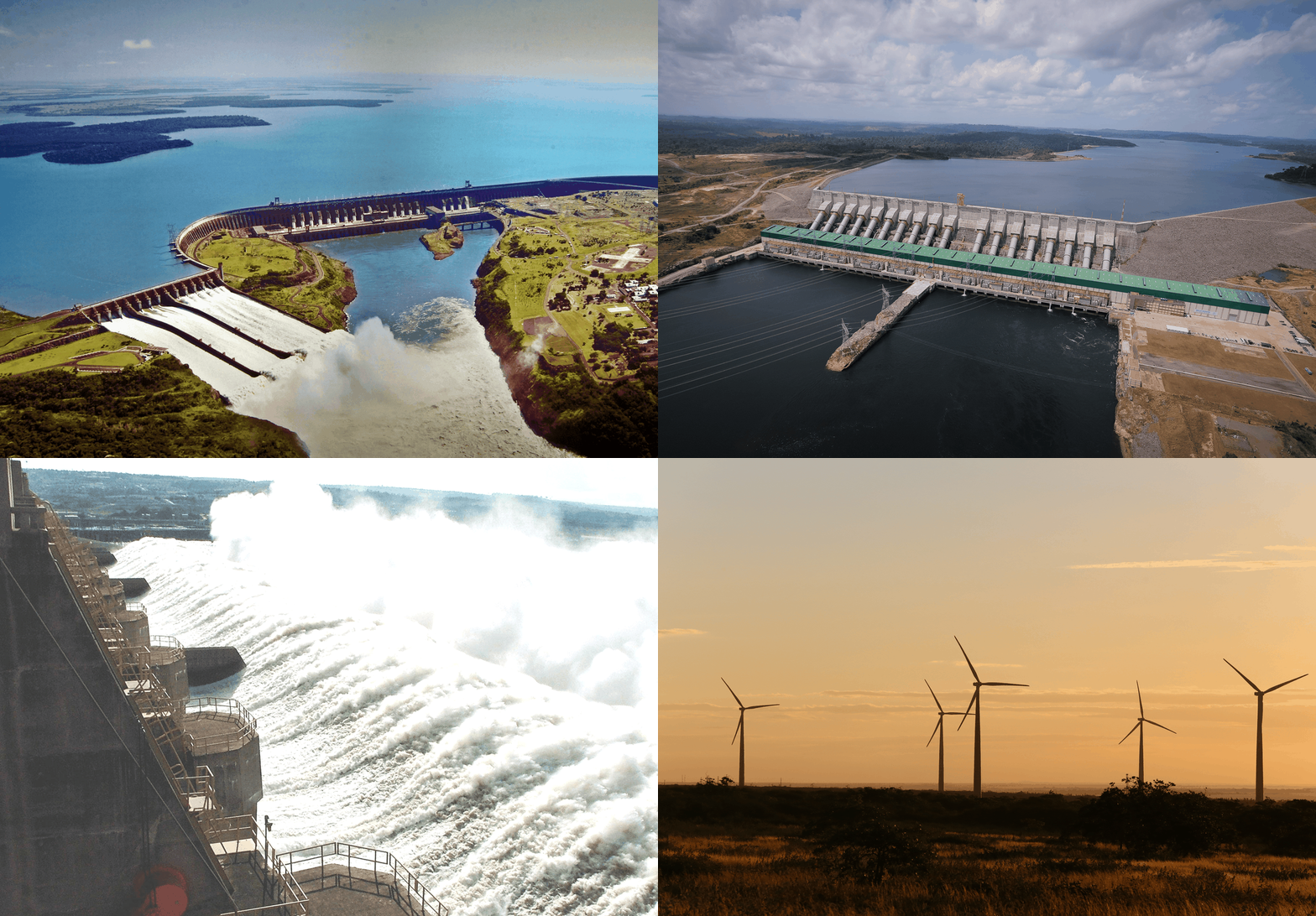
Brazil possesses one of the cleanest energy grids in the world, maintaining a renewable composition of 88% to 90% on most days. This infrastructure is anchored by massive hydroelectric projects, including Itaipu (14,000 MW), Belo Monte (11,233 MW), and Tucuruí (8,370 MW). Complementing this is a robust wind sector in the Northeast, featuring 19.6 GW of capacity across nearly 700 plants.
For Bitcoin miners, the appeal lies not in the standard industrial tariffs—which average around $0.134/kWh—but in the ability to negotiate bilateral contracts directly with generators within the ACL. By bypassing distribution charges and structuring around state-level consumption taxes (ICMS), large-scale operators can access pricing that is competitive on a global scale.
The most significant opportunity resides in the Northeast "wind belt." In 2024 alone, the region saw 400,000 hours of forced interruptions due to transmission bottlenecks. This "curtailed" energy represents a structural waste that Bitcoin miners are uniquely positioned to absorb. By acting as a flexible load, miners provide a financial floor for energy that would otherwise be lost, effectively underwriting the viability of new renewable projects.
Institutional Pioneers and Operational Models
The current Brazilian market is characterized by a high degree of operational maturity, led by a cohort of companies that bridge the gap between heavy infrastructure and digital asset finance.
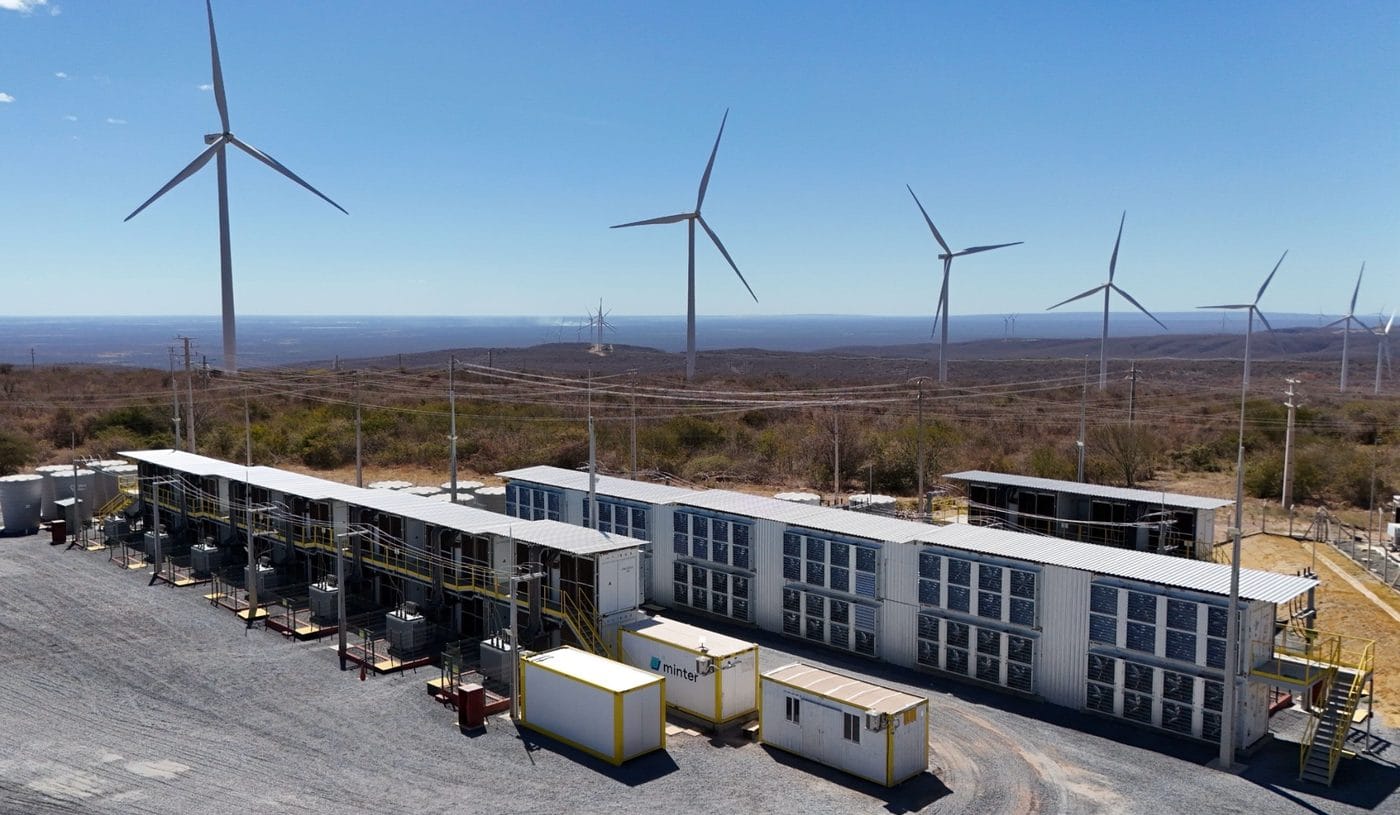
Minter Digital: The "Greenabler" Model
Minter Digital stands as the most operationally mature entity in the region. With a founding team originating from CleanSpark and Hashdex, the company focuses on the "financialization" of mining. Minter utilizes a "Greenabler" model, co-locating mining containers with renewable sites prone to curtailment. Their strategic partnership with Itaú Ventures—the venture capital arm of Latin America’s largest private bank—signals a major shift in how traditional finance views mining infrastructure.
Arthur Mining: The Infrastructure Blueprint
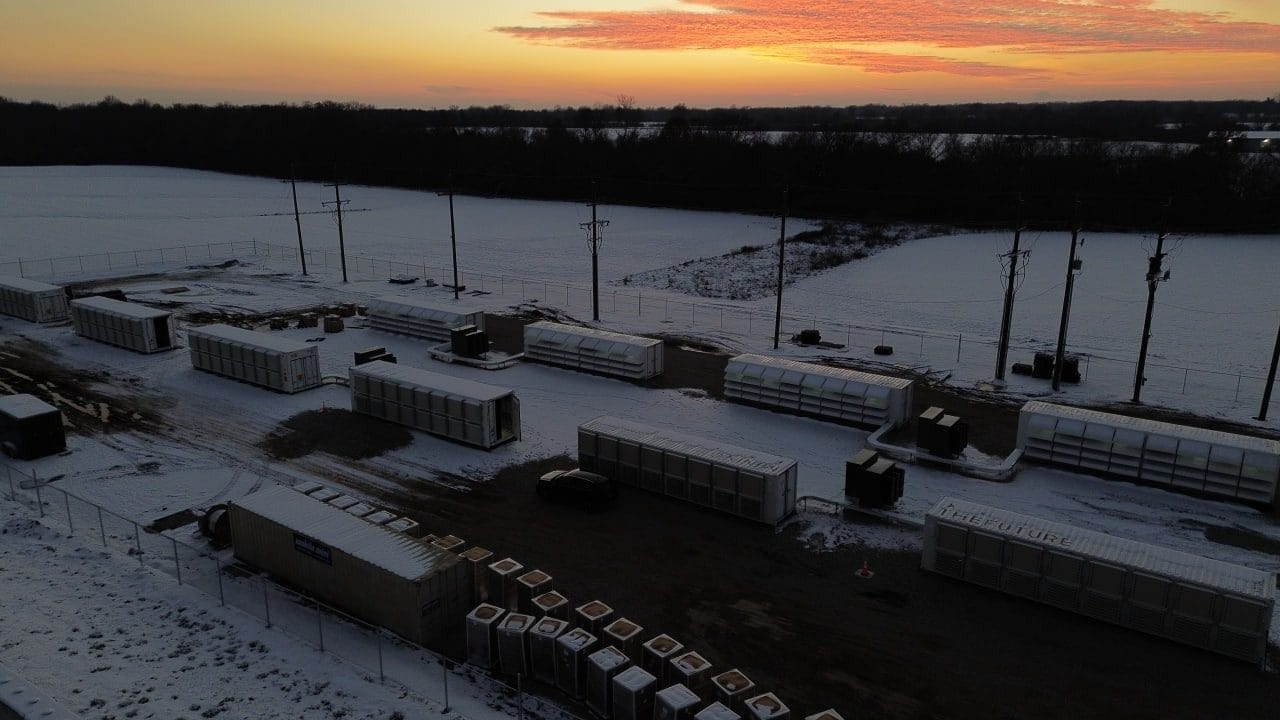
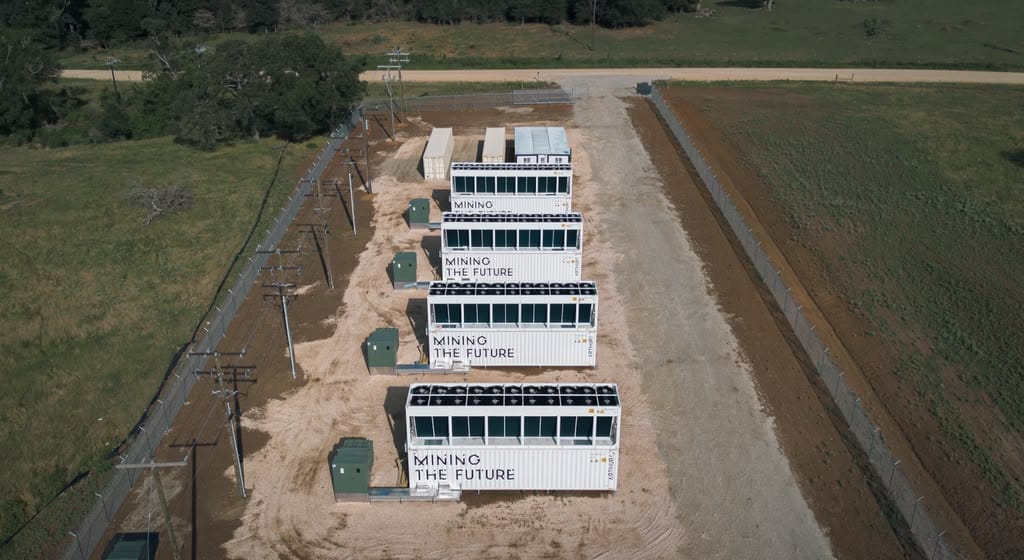
Founded by entrepreneur Rudá Pellini, Arthur Mining spent years proving its containerized, energy-first model in the United States before expanding into Brazil in 2023. The company serves as a vital link in the supply chain, acting as a distributor for FBOX and providing "Container-as-a-Service" (CaaS) solutions. Their approach treats mining as a grid-balancing tool, mirroring successful demand-response programs in the Texas ERCOT market.
Radius Mining: Capturing Wind Curtailment
Led by former Credit Suisse banker Flávio Hernandez, Radius Mining targets the systematic revenue loss in the Northeast wind sector. The company secured a landmark contract with Axia (the privatized successor to Eletrobras) to operate a 6 MW proof-of-concept in Bahia. Radius is backed by institutional investors from XP Investimentos and Prime Energy, aiming for 50 MW of capacity by the end of 2026.
Vextron Technologies: Domestic Engineering
Vextron Technologies, based in the technological hub of Florianópolis, emphasizes a "made-in-Brazil" supply chain. By manufacturing proprietary mining modules locally, Vextron sidesteps many of the customs frictions associated with importing hardware. Their "MINERA" software integrates directly with power plant control systems, allowing generators to manage mining loads as dispatchable assets.
Navigating the Customs and Regulatory Gauntlet
Despite the energy advantages, Brazil remains a challenging environment for hardware logistics. The importation of Application-Specific Integrated Circuits (ASICs) is governed by a multi-layered tax and licensing regime that can add 30% to 50% to the total hardware cost if mismanaged.
A critical hurdle is the DECEX license, required for importing used goods. Unlike new hardware, used ASICs must undergo a "similar nacional" test to ensure no domestic equivalent exists. This process can take up to 60 days, requiring meticulous documentation and an active RADAR registration with the Receita Federal.
Furthermore, the classification of hardware under the Nomenclatura Comum do Mercosul (NCM) determines the tax burden. Operators who successfully classify miners as computing parts (NCM 8473.30.49) can benefit from a 0% import duty and excise tax. In contrast, falling into a residual electrical category can result in duties exceeding 15%, highlighting the necessity of specialized customs expertise.
The Maturation of Financial Infrastructure
The arrival of sophisticated financial products is perhaps the strongest indicator of Brazil’s market evolution. Hashrate forward financing is now being explored as a method for operators to fund capital expenditures. By committing future production to pools like Luxor in exchange for upfront capital, Brazilian miners can mitigate the high costs of hardware acquisition.
Ethan Vera, COO of Luxor Technology, has identified Brazil as a primary emerging market due to its ability to engage with these complex financial instruments. "Brazil is large enough to matter to global infrastructure providers and sophisticated enough to support mining as a legitimate energy asset class," Vera noted in a recent industry assessment.
Broader Economic Impact and Future Implications
The resilience of Brazil’s 3.5 EH/s hashrate during a global downturn suggests that the capital deployed in the country is "sticky"—it is built to run through full market cycles rather than chasing short-term price spikes. As the "Leilao 001/2024" transmission expansion program begins to unlock more wind capacity in the Northeast from 2026 onward, Brazil is positioned to potentially enter the top five global mining jurisdictions.
However, several "bear case" factors remain. The total tax burden on the sector remains structurally high at approximately 44.8% of gross revenue. Additionally, the lack of a specific federal regulatory framework for Bitcoin mining creates a degree of long-term uncertainty. While the current ambiguity allows for rapid growth, the eventual arrival of formal regulations will determine whether Brazil remains a competitive destination.
Conclusion
Brazil has successfully moved past the "experimental" phase of Bitcoin mining. The nation has leveraged its hydroelectric and wind resources to create a sanctuary for hashrate during periods of global volatility. With institutional backing from major banks and energy giants, the focus has shifted from mere power consumption to sophisticated grid integration and financial engineering.
The story of the next 12 months will likely be defined by how effectively these operators can scale their Northeast operations and whether the government will recognize Bitcoin mining as a strategic tool for energy sovereignty and grid stability. For now, Brazil’s 3.5 EH/s stands as a firm foundation for a sector that has proven its ability to hold the line when the rest of the world powers down.