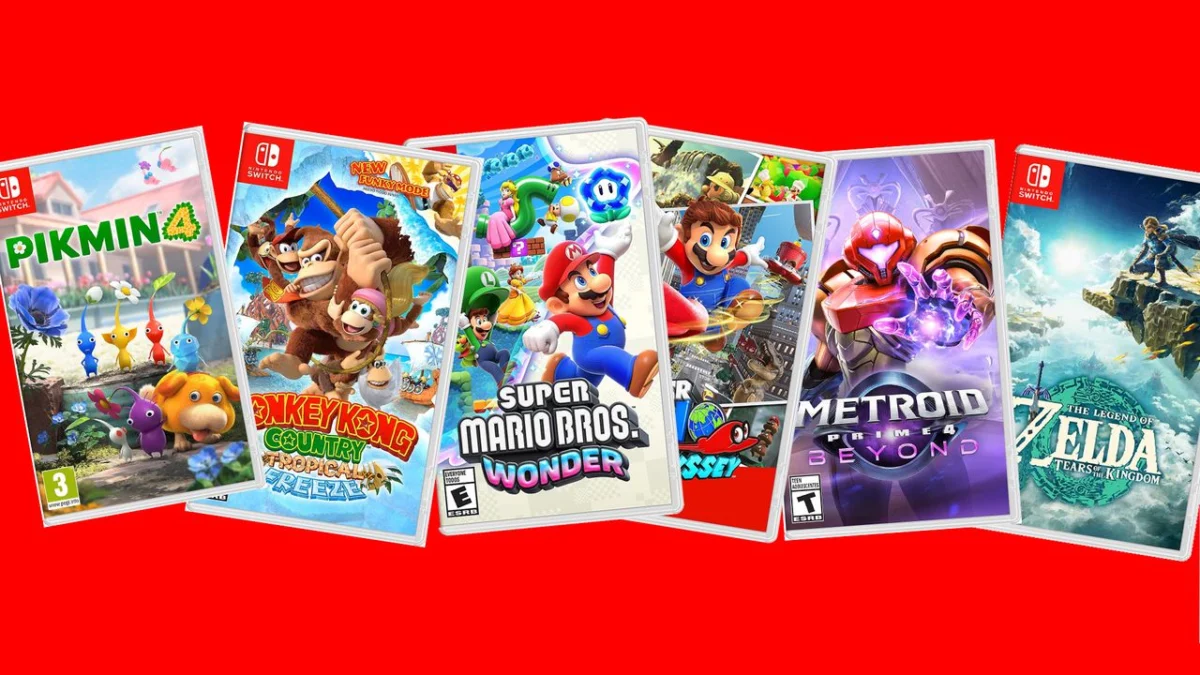
The gaming giant Nintendo has officially kicked off its two-week Nintendo Customer Appreciation Sale across the United States, offering widespread discounts on Nintendo Switch games, hardware accessories, amiibo figurines, and official apparel. The promotional event, which runs through September 26, represents one of the largest company-sponsored discounting initiatives in recent years. According to official statements released by the Kyoto-based multinational video game corporation, this sweeping sale is a direct response to a significant financial windfall secured earlier this year: a successful $300 million tax and tariff reclamation from the United States government.
While the sale has been widely welcomed by consumers seeking bargains on popular titles, it also brings closure—and a degree of corporate recompense—to a controversial chapter regarding import duties, macroeconomic pressures, and consumer pricing dynamics in the American video game market.
Background Context and the Genesis of the $300 Million Refund
The roots of the Nintendo Customer Appreciation Sale trace back to trade policy shifts and legal battles that unfolded over several years. During the administration of former U.S. President Donald Trump, sweeping import tariffs were implemented on a vast array of goods manufactured overseas, heavily targeting technology and electronics imported from manufacturing hubs in East Asia, including China and Vietnam where much of Nintendo’s hardware assembly occurs.
These broad-reaching levies were designed to encourage domestic manufacturing and reduce trade deficits, but they immediately drove up the cost of importing consumer electronics. For companies like Nintendo, the imposition of these inflation-boosting trade tariffs translated into substantial overhead costs. To protect profit margins and absorb the sudden financial shock, multinational electronics and gaming corporations frequently adjusted their supply chain expenditures. In many instances, economists note, the financial burden of these tariffs indirectly trickled down to everyday consumers through higher retail prices on consoles, controllers, and video games.
However, the legal foundation of these specific tariffs faced intense scrutiny from importers, industry associations, and legal experts. Earlier this year, the United States Supreme Court issued a landmark ruling determining that certain aspects of the sweeping trade tariffs implemented during the previous administration exceeded executive authority or failed to comply with procedural mandates under federal trade laws.
Following the high court’s decision, affected corporations were permitted to petition the federal government for the reimbursement of duties unlawfully or improperly collected. Nintendo swiftly pursued its legal claims, successfully recovering approximately $300 million in retroactive tariff refunds from the U.S. government.
The Controversy Over the Windfall
When Nintendo initially secured the $300 million payout from the U.S. Treasury, the company faced immediate scrutiny from consumer advocacy groups and gaming communities. Critics pointed out that when the tariffs were first levied, consumers ultimately bore the weight of increased pricing. Consequently, there was an immediate expectation among many buyers that the recovered billions and millions should be directly returned to the public through retroactive price adjustments, direct consumer rebates, or immediate across-the-board price cuts on current-generation hardware.
Instead, Nintendo initially opted to retain the funds. Industry analysts suggested at the time that the corporation’s conservative financial posture was driven by ongoing macroeconomic uncertainty. With potential future trade policy shifts, fluctuating currency valuations, and the looming logistics of rolling out next-generation hardware—such as the highly anticipated Nintendo Switch successor console—corporate leadership was hesitant to disperse liquid capital that might be required to stabilize supply chains against future tariff volatility.
The decision not to issue direct cash refunds or immediate price slashes sparked considerable debate online. While corporate finance experts understood Nintendo’s need to hedge against trade instability, everyday consumers felt shortchanged, arguing that a tax burden initially shouldered by buyers should logically benefit those same buyers when overturned by the judiciary.
A Change in Strategy: The Customer Appreciation Sale
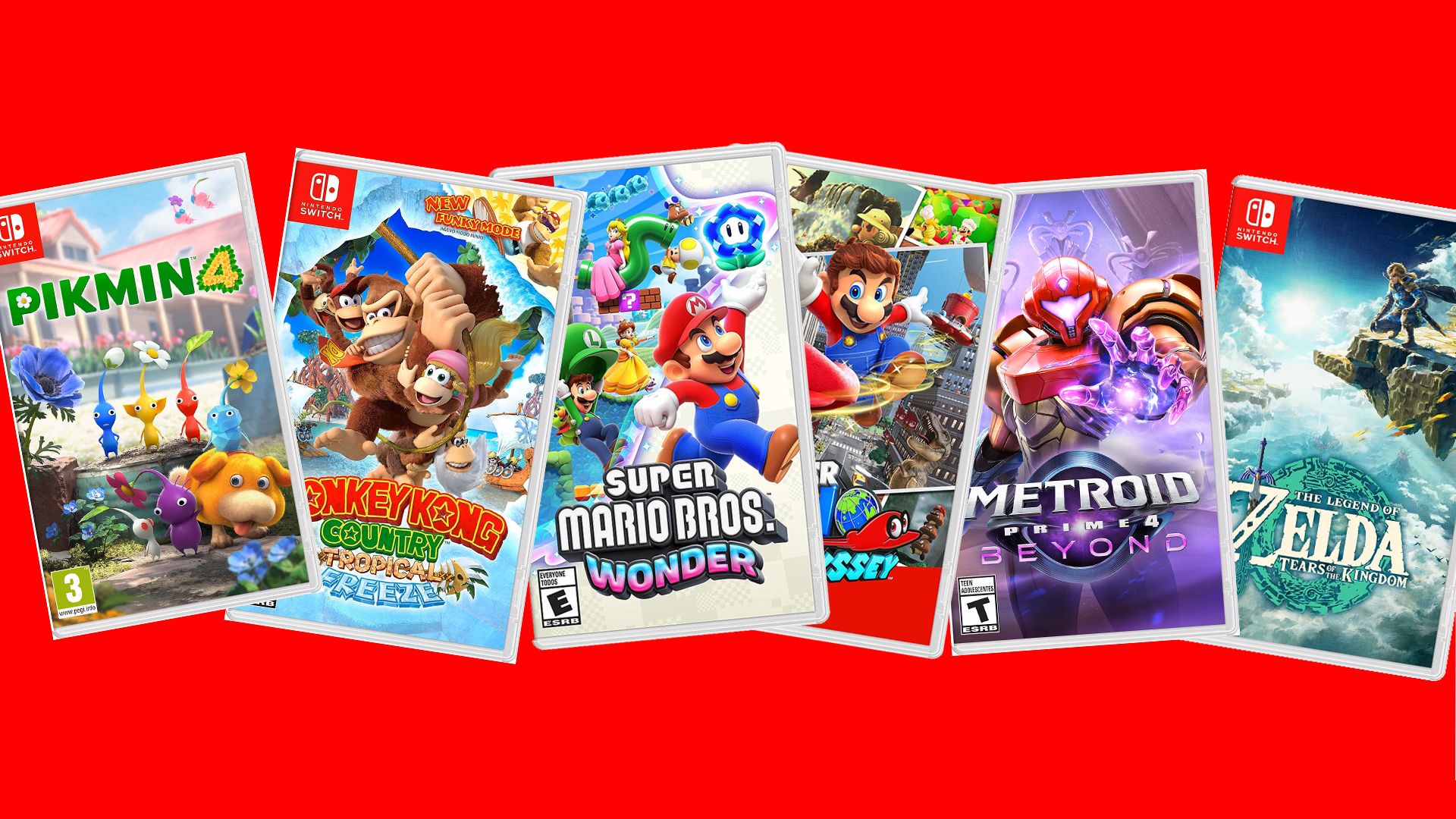
Recognizing the public sentiment and seeking to mend goodwill with its core American demographic, Nintendo pivoted toward a structured promotional approach. Rather than issuing direct checks or indiscriminate store credit—logistically complex maneuvers across millions of accounts—the company engineered the expansive Customer Appreciation Sale.
"This is our way of saying thank you to Nintendo players for their continued support, and it is made possible in part by tariff-related refunds," Nintendo stated in an official release detailing the event.
The two-week promotional window features price cuts of up to 30% on a vast catalog of universally compatible Nintendo Switch software. In addition to digital and physical game software, the sale encompasses a wide selection of branded apparel, physical accessories, and collectible amiibo figures. Major retail partners, including Amazon and Best Buy, have mirrored several of these price adjustments, further amplifying the reach of the promotion across the broader retail ecosystem.
Limitations and Exclusions: The Current Hardware Landscape
Despite the broad enthusiasm surrounding the event, the Customer Appreciation Sale comes with specific limitations that have drawn nuanced reactions from industry analysts. Notably, the generous discounts do not extend to recent next-generation hardware exclusives tied to the Nintendo Switch 2.
As Nintendo continues to transition its user base toward its newer hardware ecosystem—a platform that has rapidly become a preferred choice for digital artists, 3D editors, and modern gamers alike—corporate strategy remains protective of newer profit margins. Software and hardware explicitly tied to the newest generation are largely excluded from the steep 30% promotional cuts, reserving the tariff-funded discounts primarily for the established library of legacy Nintendo Switch titles and accessories.
Market Analysts and Economic Implications
Financial analysts reviewing Nintendo’s maneuver view the Customer Appreciation Sale as a calculated masterclass in public relations and corporate finance. By tying the promotional event directly to the Supreme Court’s tariff ruling, Nintendo successfully reframed a dry corporate legal victory into a consumer-facing gesture of goodwill.
Economically, the move allows Nintendo to stimulate software sales during a traditionally quiet post-summer retail window while simultaneously clearing warehouse inventory of older accessories and physical media. From a tax and accounting perspective, utilizing refunded tariff capital to fund a marketing and promotional blitz also helps offset corporate tax liabilities associated with sudden capital gains, reinvesting the funds directly back into consumer acquisition and brand loyalty.
Broader Impact on the Gaming Industry
Nintendo’s situation is not entirely isolated. Many multinational technology companies that relied on manufacturing in tariff-impacted regions faced similar dilemmas following the Supreme Court’s decision. However, few firms have openly acknowledged the nexus between government refunds and consumer-facing promotions as transparently as Nintendo has done with its current campaign.
As global trade policies continue to evolve under shifting geopolitical landscapes, the precedent set by this $300 million refund and subsequent promotional sale may serve as a benchmark for how multinational corporations handle retrospective trade relief. For American consumers, the immediate result is tangible: a temporary, deep-discount window on some of the most popular gaming titles on the market, funded quite literally by a hard-fought legal victory in the nation’s highest court.
The Nintendo Customer Appreciation Sale will run through September 26, giving players limited time to take advantage of the tariff-subsidized promotions across participating digital storefronts and major physical retailers.