The phenomenon of the reluctant technology consumer—frequently personified by older generations clinging to obsolete hardware—presents a persistent challenge for holiday gift-givers. While consumer electronics evolve at a rapid pace, a significant demographic continues to rely on decade-old computing devices, smartphones with critically degraded batteries, and convoluted home entertainment systems. Rather than attempting to force a complete digital overhaul, savvy shoppers and retail analysts recommend targeting specific, high-impact upgrades during major shopping events like Cyber Monday. By focusing on intuitive peripherals, streamlined audio equipment, and modern display technology, consumers can effectively bridge the gap between legacy habits and contemporary performance standards.
The Persistence of Legacy Hardware in Modern Households
Market research consistently indicates that a substantial portion of households retain primary computing and entertainment devices long past their intended manufacturer support windows. Laptops purchased during the early 2010s—frequently characterized by mechanical hard drives, low-resolution TN panels, and legacy operating systems no longer receiving security patches—remain in daily service for basic tasks such as web browsing and banking.
Behavioral economists and consumer psychologists attribute this reluctance to upgrade to a combination of functional habituation, perceived complexity of new interfaces, and misplaced frugality. While these consumers readily invest in physical infrastructure or mechanical tools such as lawnmowers, automobiles, or workshop equipment, digital tools are often viewed through a utility lens where "if it turns on, it is not broken." However, the accumulation of security vulnerabilities, sluggish performance, and incompatibility with modern web standards creates an underlying friction in daily digital interactions.
Shifting Retail Strategies for Cyber Monday
Cyber Monday has evolved from a purely online-retail novelty into a multi-billion-dollar global commerce event. According to data aggregated by Adobe Analytics, consumer spending during Cyber Week routinely surpasses $12 billion annually in the United States alone, with significant increases observed in international markets.
In response to changing consumer demographics, retailers have shifted promotional strategies away from complex, all-in-one hardware bundles toward modular upgrades. Industry analysts note a marked surge in demand for discrete tech accessories during the fourth-quarter shopping window:
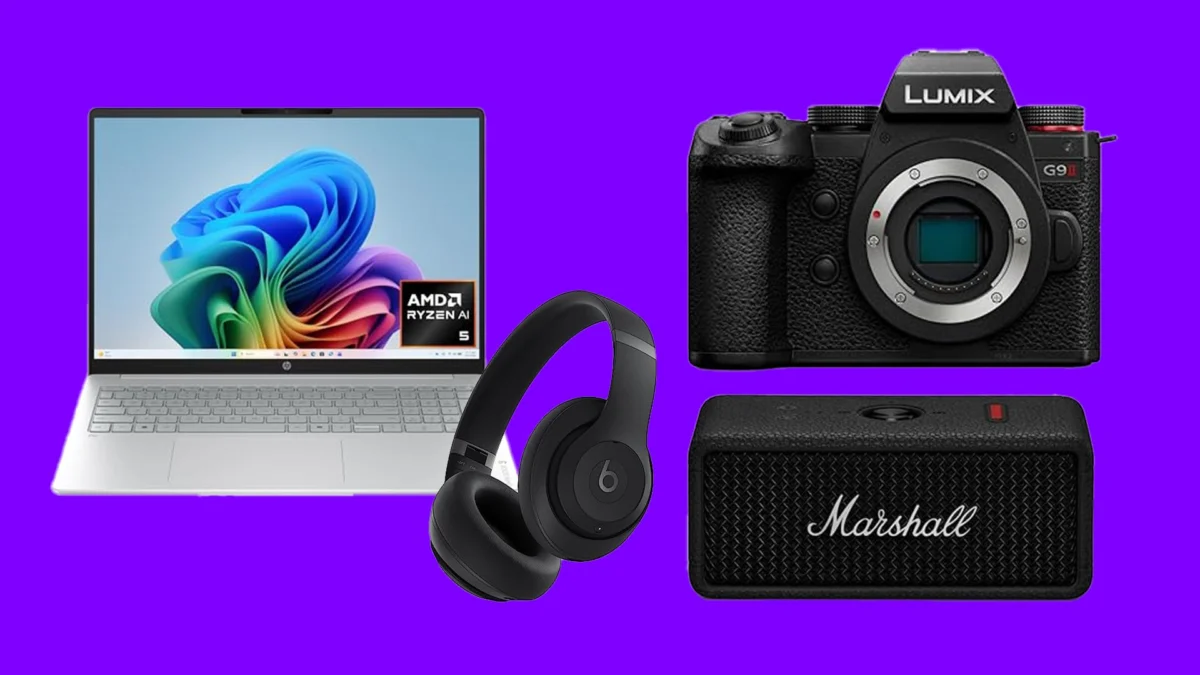
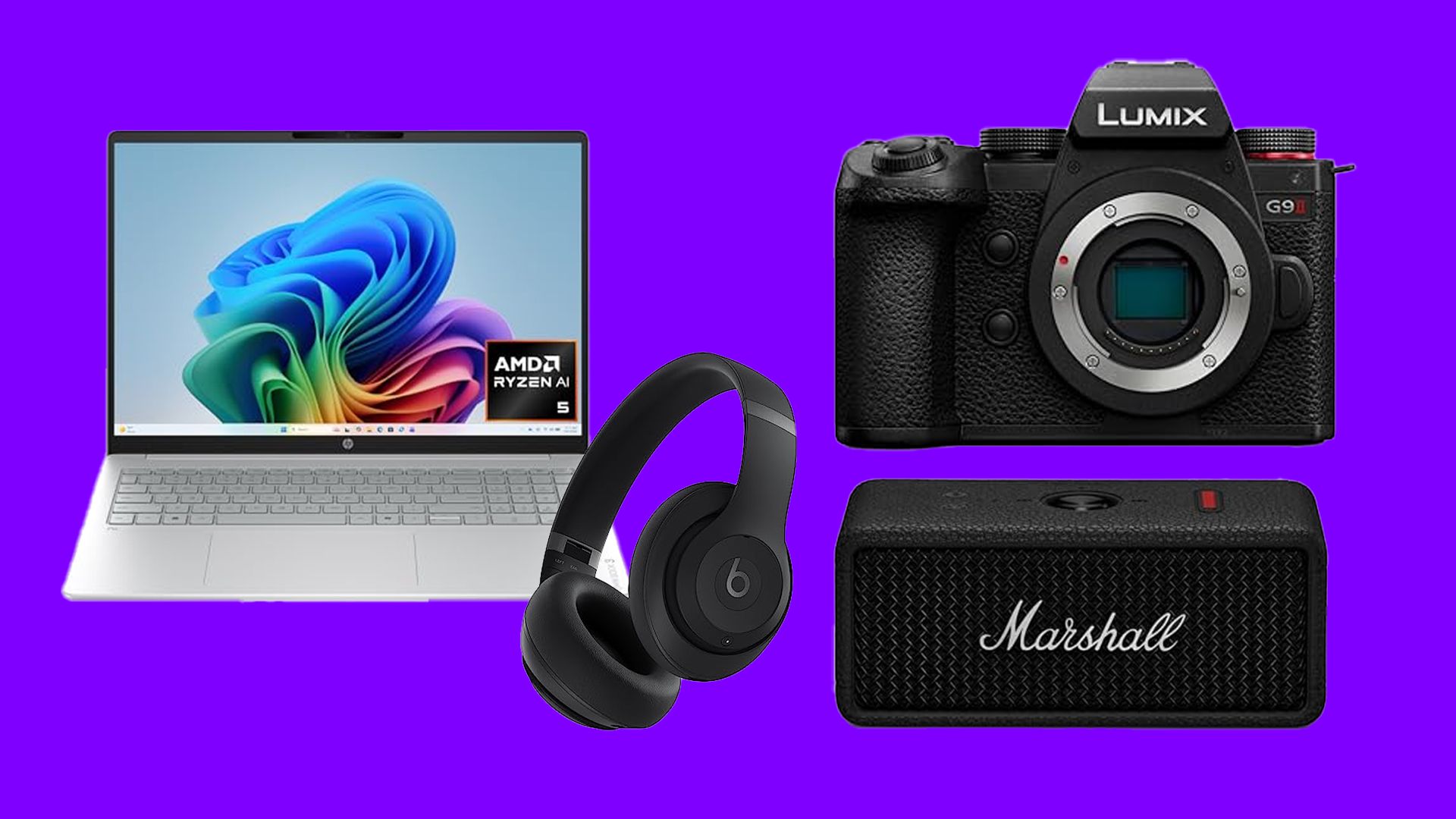
- Audio Equipment: Compact Bluetooth speakers and wireless over-ear headphones consistently rank among the top-selling gift categories, driven by improvements in acoustic engineering and battery efficiency.
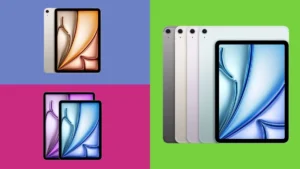
- Visual Displays: Secondary monitors and high-definition tablets offer immediate ergonomic and visual improvements without requiring a complete overhaul of a user’s primary operating system.
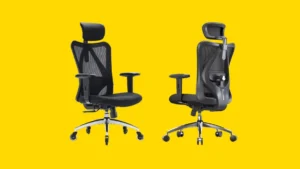
- Ergonomic Accessories: Simplified keyboards, precision mice, and standardized charging hubs mitigate daily frustrations associated with legacy hardware connectivity.
Chronology of the Modern Consumer Electronics Market
Understanding the hardware gap requires examining the timeline of consumer technology over the past decade:
- 2010–2014: The era of widespread adoption for standard-definition laptops, early-generation tablets, and transitional smartphones. Many devices currently in lingering use originate from this period.
- 2015–2019: The maturation of high-density displays, widespread transition to solid-state drives (SSDs), and the mainstreaming of true wireless audio.
- 2020–Present: Accelerated demand for remote-work infrastructure, cloud-integrated applications, artificial intelligence integration, and high-refresh-rate display panels.
Devices originating from the first era lack the fundamental architecture required to run modern web applications smoothly, leading to prolonged load times and increased vulnerability to malicious software.
Industry Perspectives and Expert Recommendations
Technology analysts and consumer advocacy groups frequently emphasize that gift-giving in the tech sector should prioritize lowering the barrier to entry rather than maximizing raw processing power.
Consumer technology specialists suggest that introducing modular upgrades allows users to experience tangible quality-of-life improvements without the cognitive load of learning an entirely new operating system. For example, replacing a distorted television speaker system with a straightforward soundbar, or upgrading a failing wired mouse to a responsive wireless model, demonstrates the practical value of modern engineering without overwhelming the recipient.
Furthermore, ergonomic considerations play a vital role in hardware selection for older adults. High-contrast monitors with adjustable stands, noise-canceling headphones that reduce auditory fatigue, and tablets equipped with high-resolution screens for reading digital publications address common physical strains associated with aging eyes and hands.
Broader Economic and Environmental Implications
The strategy of targeted hardware upgrades also aligns with broader sustainability initiatives within the consumer electronics industry. Encouraging users to extend the functional lifespan of existing desktop computers or television displays through strategic peripheral replacements reduces immediate electronic waste (e-waste) generation.
According to reports from the Global E-waste Monitor, millions of metric tons of electronic equipment are discarded annually, a significant portion of which consists of fully functional base units rendered obsolete solely due to failing peripherals, outdated screens, or degraded audio components. By investing in modular enhancements—such as external storage drives, modern Wi-Fi adapters, and updated display panels—consumers can optimize their existing technical ecosystem while mitigating environmental impact.
As the retail landscape prepares for subsequent Cyber Monday events, consumer trends indicate a sustained preference for practical, high-utility technology gifts. By moving away from intimidating full-system replacements and focusing on accessible, incremental upgrades, gift-givers can successfully modernize the daily digital experience for even the most hesitant recipients.