Adobe MAX 2026 has officially commenced, drawing thousands of digital artists, graphic designers, enterprise leaders, and software developers to examine the future trajectory of digital media creation. As artificial intelligence continues to reshape the technological landscape, this year’s flagship conference opened under a microscope of heightened industry scrutiny and cautious anticipation. With generative AI tools increasingly embedded into standard professional workflows, the opening keynotes addressed both the utility and the controversies surrounding these rapid technological deployments.
Main Facts and Opening Keynote Developments
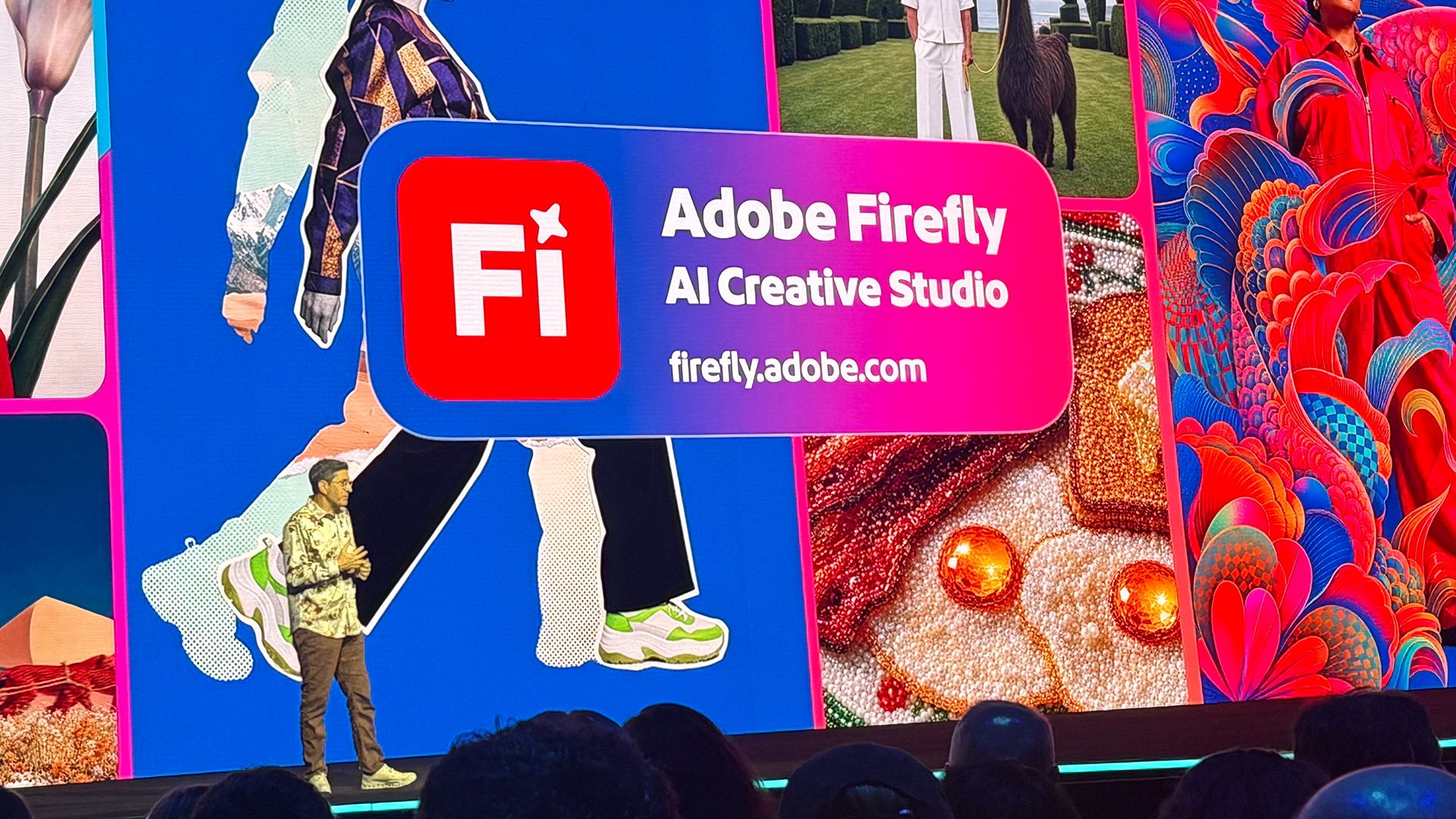
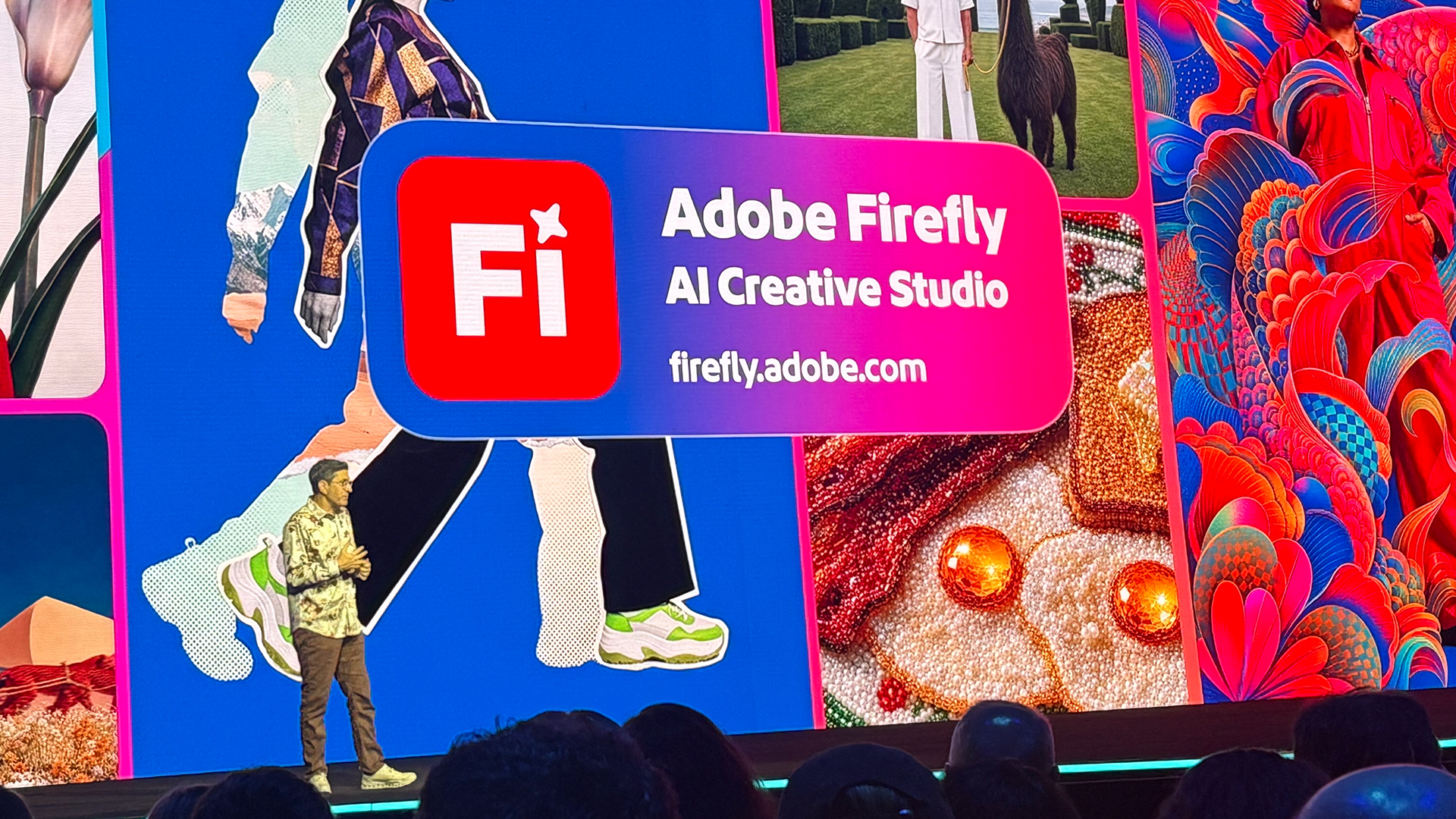
The opening day of Adobe MAX 2026 established a clear focus on the evolution of Adobe Firefly, transitioning the proprietary generative engine from a standalone utility into a comprehensive creative studio environment. Executives demonstrated new capabilities across Adobe’s flagship software suites, aiming to prove that artificial intelligence can serve as a supportive asset rather than a replacement for human artistry.
Future Adobe CEO Anil Chakravarthy addressed the audience during the morning sessions, emphasizing a customer-centric approach. "Adobe will meet you where you are," Chakravarthy stated, attempting to reassure professionals who remain anxious about the rapid pace of technological change. The company also highlighted expanded ecosystem partnerships, including strategic integrations with major technology entities like Google, signaling a shift toward a more interconnected and automated creative workflow.
Background Context and Industry Tensions
The integration of artificial intelligence into creative software has been a subject of intense debate since the widespread commercialization of generative models. Graphic designers, photographers, and illustrators have frequently expressed apprehension regarding copyright transparency, the training data sources utilized by technology firms, and the potential devaluation of human creative labor.
Adobe has attempted to navigate these challenges by positioning its Firefly models as commercially safe, trained on licensed content and public domain material. However, skepticism within the creative community persists. Recognizing this underlying tension, Adobe leadership dedicated a substantial portion of the opening keynotes to directly addressing user anxieties. Vice President Deepa Subramaniam opened her address by acknowledging that "things feel uncertain" within the current digital media ecosystem. Subramaniam emphasized Adobe’s historical foundation, describing a company built by individuals who care deeply about the craft of design, while asserting that creativity remains a foundational ethos of the organization rather than a temporary corporate initiative.
Chronology of Adobe’s AI Evolution
To understand the weight of the announcements at Adobe MAX 2026, it is necessary to examine the timeline of Adobe’s generative AI integration:
- Late 2022 to Early 2023: The emergence of advanced text-to-image and generative text models prompts widespread disruption across creative industries, leading software developers to accelerate their own AI research.
- Mid-2023: Adobe introduces Firefly as a beta feature integrated into Photoshop and Illustrator, emphasizing its commercially safe training model.
- 2024 to 2025: Firefly expands across Creative Cloud applications, introducing vector generation, structure matching, and advanced video editing capabilities, while facing ongoing scrutiny regarding artist compensation and copyright standards.
- 2026: Adobe MAX marks the evolution of Firefly into a unified creative studio, accompanied by deeper cross-platform partnerships and a formal pivot toward multi-disciplinary productivity tools.
Supporting Data and Industry Pressures
Industry data underscores the compounding pressures facing modern creative professionals. According to recent workplace analytics cited during various industry forums, the average graphic designer is increasingly expected to manage responsibilities spanning traditional print layout, dynamic web design, motion graphics, and continuous social media content creation.
This broadening scope of responsibility often leads to resource scarcity and severe time constraints. Adobe executives utilized these statistics to argue the case for workflow automation. By automating repetitive administrative tasks, complex masking, and basic asset generation, the company suggests that AI tools can alleviate burnout and reclaim valuable hours for high-level conceptual work. Nevertheless, this efficiency narrative runs parallel to an ongoing moral dilemma regarding the exact threshold where assistance gives way to automation.
Official Responses and Stakeholder Reactions
Reaction among conference attendees and industry analysts remains mixed. While corporate stakeholders and enterprise clients have welcomed the efficiency gains demonstrated in the newly unveiled Photoshop and Creative Cloud updates, independent creators maintain a pragmatic stance.
Proponents of the updates point out that tools capable of instantly resizing assets, generating seamless background extensions, and translating text prompts into rough layout concepts significantly reduce turnaround times for high-volume commercial projects. Conversely, critics argue that the democratization of complex design tasks through automation risks lowering market rates for professional services and diminishes the perceived value of specialized training. Adobe’s leadership has responded by pledging continued investment in educational resources—referred to during the conference as a "rich learning ecosystem"—designed to help traditional practitioners transition into multi-disciplinary roles without losing their foundational technical skills.
Broader Impact and Industry Implications
The trajectory established at Adobe MAX 2026 carries significant implications for the broader software and design industries. As standard creative suites evolve into AI-driven ecosystems, the definition of a professional digital artist is undergoing a fundamental transformation.
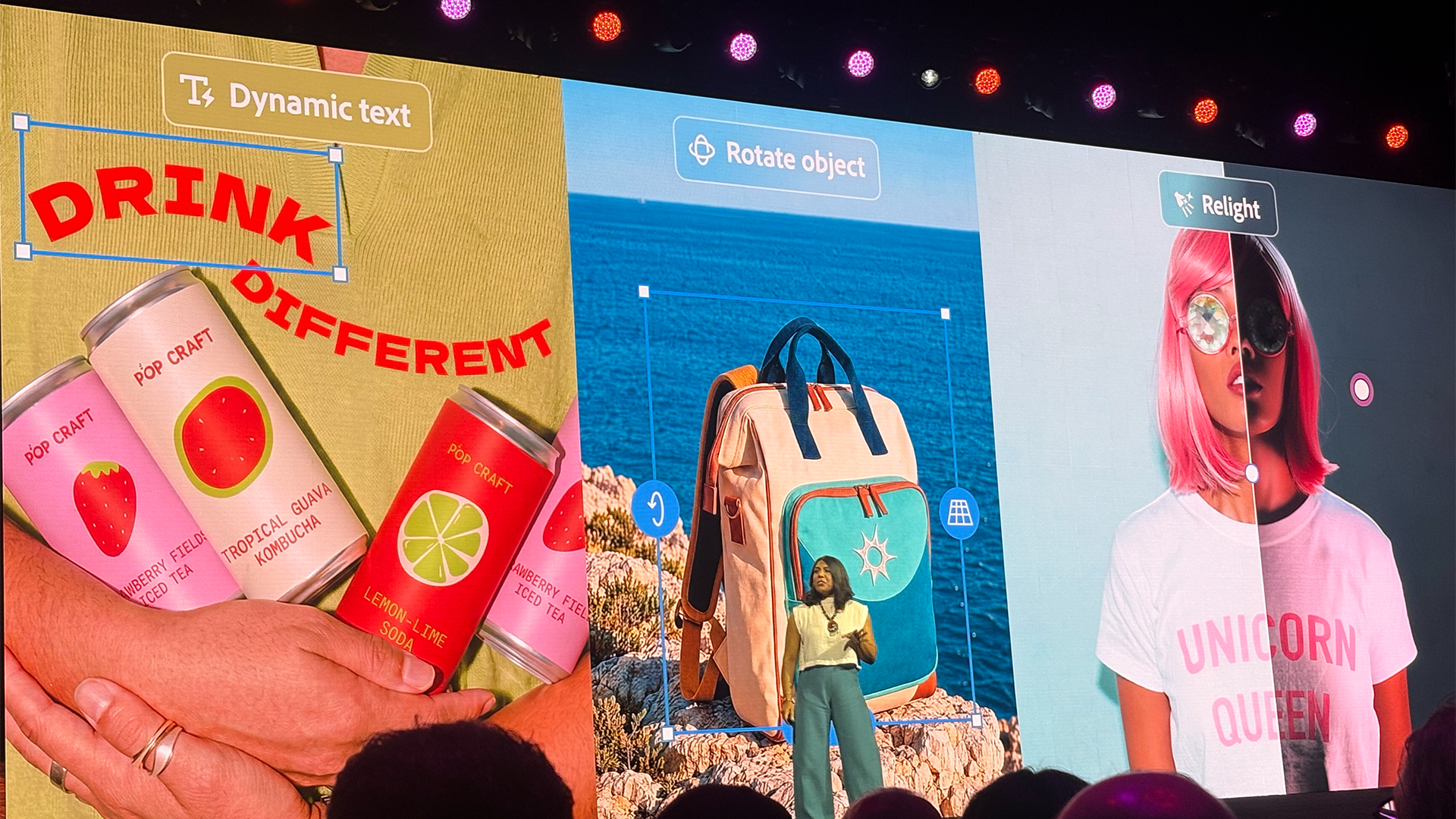
The integration of advanced generative tools and cross-industry partnerships suggests a future where proficiency in prompt engineering, asset curation, and workflow orchestration will sit alongside traditional drawing, composition, and typography skills. Whether Adobe can successfully bridge the gap between corporate efficiency demands and the artistic integrity valued by its core user base will largely determine the long-term success of these platforms. As the conference continues through its remaining sessions, attention will shift toward specialized developer labs and hands-on demonstrations to evaluate how these theoretical promises perform in real-world professional environments.